
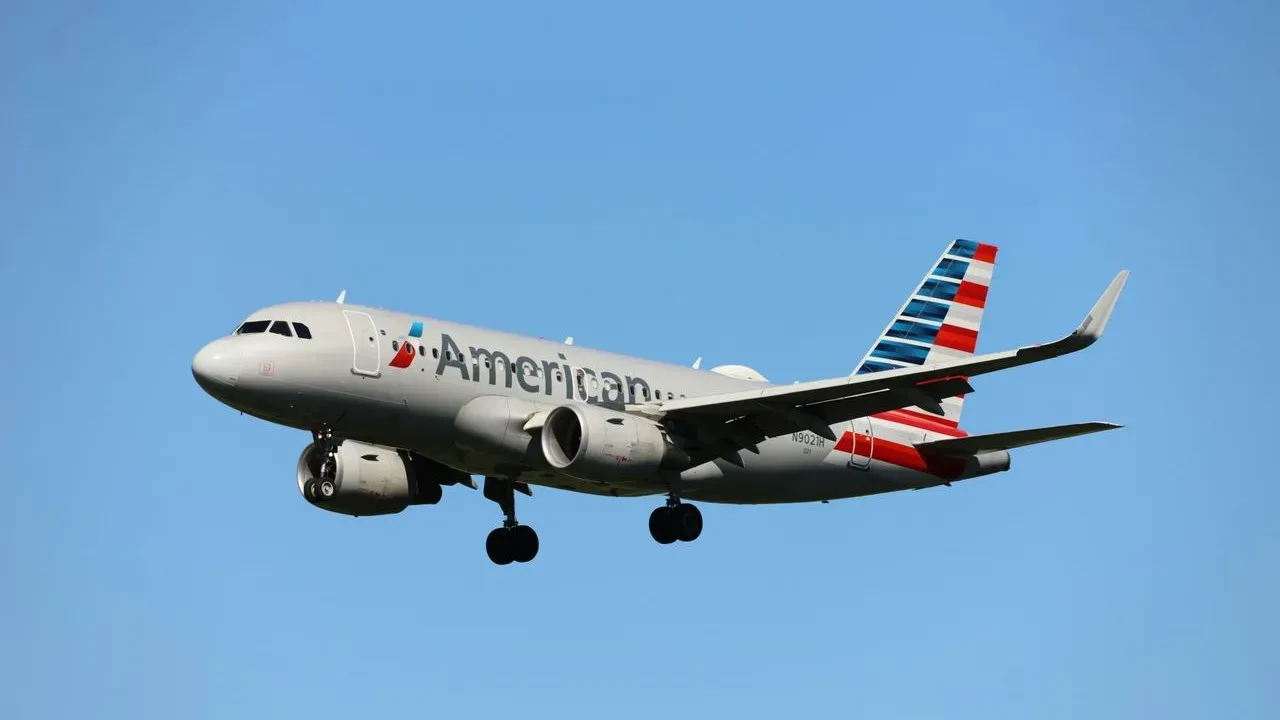

Travelers preparing for flights on American Airlines benefit from understanding the carrier’s baggage policies in advance. Clear knowledge of carry-on allowances, checked-bag rules and weight limits helps avoid surprises at the airport. The airline permits a full-size carry-on and a personal item for every passenger, including those in basic economy fares. ([1])
Carry-On Guidelines for Every Passenger
American Airlines allows all travelers one full-size carry-on bag plus one personal item on every flight. The personal item must measure no more than 18 inches by 14 inches by 8 inches and fit under the seat in front. Common examples include backpacks, purses, laptop bags and approved pet carriers. A carry-on bag may reach 22 inches by 14 inches by 9 inches and must fit in the overhead bin or under the seat.
Soft-sided garment bags up to 51 inches long also qualify as carry-on items. These dimensions apply across domestic and most international routes. Passengers should verify fit using the sizers provided at the airport before boarding. Following these measurements ensures smooth boarding without additional charges.
Checked Bag Allowances and Regional Differences
Checked baggage policies vary by route and fare type. Domestic flights, including those to Puerto Rico and the U.S. Virgin Islands, as well as many short-haul international destinations, follow one set of rules. Longer international journeys to Europe, Asia and South America often include at least one free checked bag for main cabin passengers.
Basic economy travelers may face different allowances depending on the destination. Flights to Asia, Australia, New Zealand, India and Qatar typically grant the first checked bag at no charge even in basic economy. Up to ten checked bags are permitted on many domestic and long-haul flights, though limits drop to five on certain routes through Mexico, the Caribbean and Central America.
Weight Limits, Size Restrictions and Overweight Fees
American Airlines sets a standard weight limit of 50 pounds and a size limit of 62 linear inches for checked bags. Bags exceeding these thresholds incur additional charges that vary by how far the limits are exceeded. Items over 100 pounds or 115 linear inches are not accepted on any flight.
Sports equipment such as skis and snowboards generally counts toward the standard checked-bag allowance when it meets size and weight rules. Certain items like scuba tanks and windsurfing gear carry separate fees. Travelers should confirm destination-specific restrictions, especially on routes from airports with tighter requirements such as Madrid.
Practical Ways to Reduce or Avoid Checked-Bag Charges
Several established options help eligible travelers minimize or eliminate checked-bag fees. These approaches rely on credit card benefits, loyalty status and fare choices rather than last-minute decisions at the airport.
- Hold an eligible American Airlines cobranded credit card that provides a free first checked bag for the cardholder and companions on the same reservation.
- Achieve AAdvantage elite status, which grants one or more free checked bags depending on the tier, with the same benefit extended to up to eight traveling companions.
- Book a premium cabin such as domestic first class, business class or premium economy, which typically includes two free checked bags.
- Use annual travel credits from premium rewards cards to offset baggage charges when they qualify as eligible travel expenses.
- Choose destinations where the airline includes at least one free checked bag even on basic economy or main cabin fares.
Benefits from credit cards and elite status cannot be combined on the same bag. Travelers should review their specific ticket and status before departure to understand the exact allowance. Planning ahead with these options supports a more predictable and comfortable journey.
AI Disclaimer: This article was created with the assistance of AI tools and reviewed by a human editor.