
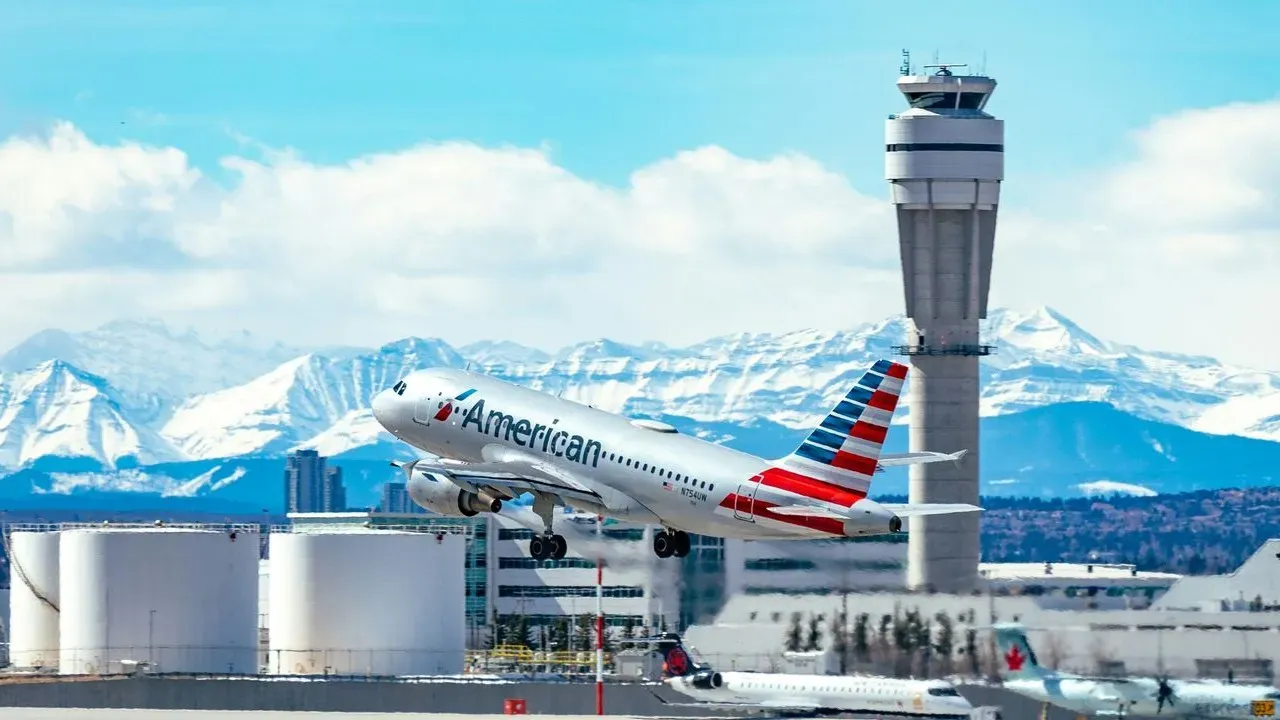

Los Angeles International Airport is one of the most competitive gateways in the country, and American Airlines wants a larger place in it. The Fort Worth-based carrier has said it will add more flights from LAX as part of a gradual buildup at its West Coast hub, according to ([1])reporting on the plan. For travelers in Southern California, the move marks a change after several years in which American concentrated much of its attention elsewhere.
A Smaller Footprint in Recent Years
After the pandemic, American put much of its energy into its Sun Belt hubs, strengthening its operations in Dallas, Charlotte and Miami. Its presence in Southern California shrank during that period. Data from the aviation analytics firm Cirium indicates the carrier will operate about 32% fewer flights this year than it did in 2019. That gap is significant at an airport where competition for passengers is intense.
Executives have not said whether the new service will take the form of entirely new routes or more frequent flights on existing ones. The airline has described the expansion as focused on markets it considers important, and it has been clear that the work will take time.
Serving the Local Market First
American chief commercial officer Nat Pieper said the airline wants to grow, and he framed the strategy around the people who live in Los Angeles. “We’re going to tailor a schedule to the local market,” he said while speaking at an industry conference this week. He indicated that the carrier should cater more to local customers rather than relying on the airport mainly as a place to route connecting passengers.
That shift would likely require a broader network. Today, American serves only four long-haul destinations from LAX: London, Tokyo, Sydney and Auckland. Pieper argued that travelers want more international options, including trips to Latin America, Europe and Asia, and he said the airline needs to be able to serve those markets with its own aircraft. For Angelenos planning a trip abroad, a wider menu of nonstop choices could eventually reduce the need for connections.
What American has said so far
- Additional LAX service is planned, with a focus on markets the airline calls important.
- Growth will be gradual and tied to the local Los Angeles market.
- Connectivity to Pacific partners, including Qantas and Japan Airlines, is part of the picture.
- The airline’s LAX facilities are expected to be ready in late 2028, with access to 30 gates.
A Construction Timeline That Sets the Pace
Much of the airline’s timing depends on its physical footprint at the airport. American consolidated its operations at LAX last year to make way for the rebuild of Terminal 5. Pieper said the airline will grow at a measured pace until its facilities are ready to operate at full strength, a milestone the carrier expects in late 2028.
He also addressed the quality of the space itself. “Our facility will be as good as anybody’s,” Pieper said. Travelers who have waited through construction at major hubs know that the eventual result matters as much as the schedule, and the airline is signaling that the finished terminal is central to its plans.
What It Could Mean for Travelers
For now, the details remain a work in progress. Routes and frequencies have not been fully specified, and the most visible changes are likely to arrive gradually rather than all at once. Still, the direction is clear: American believes that more flights, a schedule shaped around Los Angeles, and a rebuilt terminal can work together.
Pieper summed up the airline’s view in measured terms. “You combine all those things together,” he said, “I think we’re going to have a compelling offering there.” Whether that offering reaches the level American describes will become clearer as new schedules are published and the terminal nears completion. For West Coast travelers, the next few years could bring more choices at LAX, and the airline is making the case that those choices are worth watching.
AI Disclaimer: This article was created with the assistance of AI tools and reviewed by a human editor.