
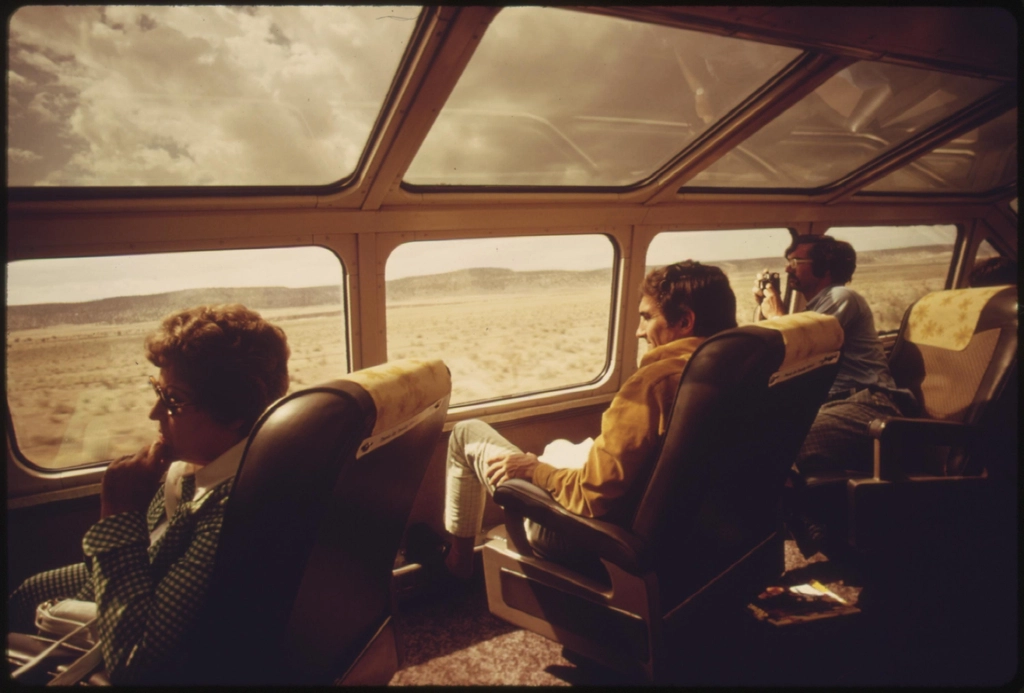

The Hudson River and the Lake Shore Limited: Sit on the Left Heading Out of New York
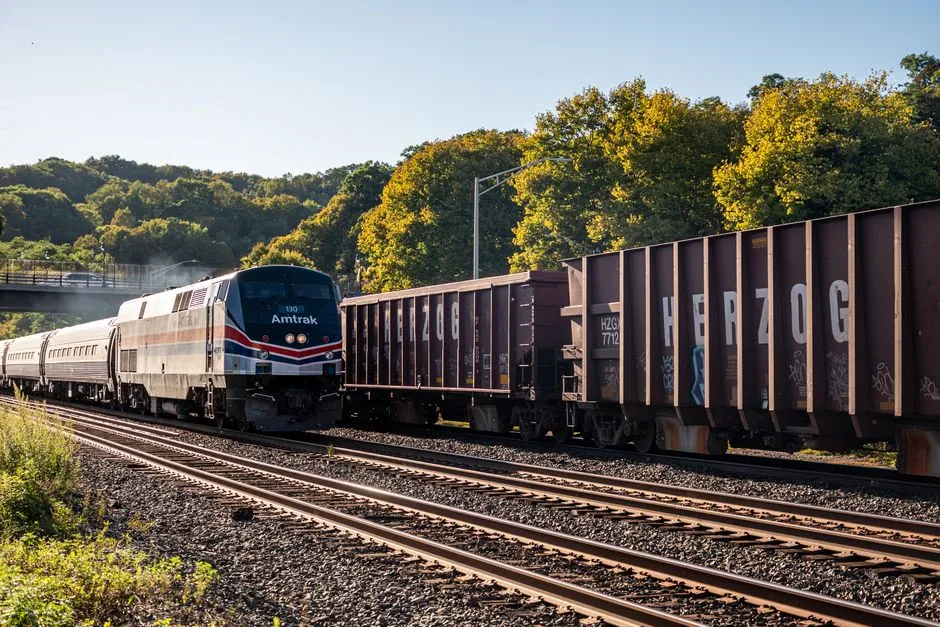
On the Lake Shore Limited heading north from New York Penn Station to Albany, the left side of the train is the side where the Hudson River runs. It’s one of the most consistently recommended seat choices on the entire Amtrak network, and the advice comes from conductors and veteran riders alike. From Albany westward, the left side again delivers the best views, this time of the Mohawk River and the Erie Canal.
Confirmed by experienced riders: out of New York Penn Station, you want to be on the left side running up the Hudson. If you are booked in a roomette, that means an even-numbered room, since Viewliner cars are oriented with the vestibule facing forward. It’s worth knowing this detail before you book, not after you’ve already unpacked.
The Adirondack Route: Switch Sides in Albany
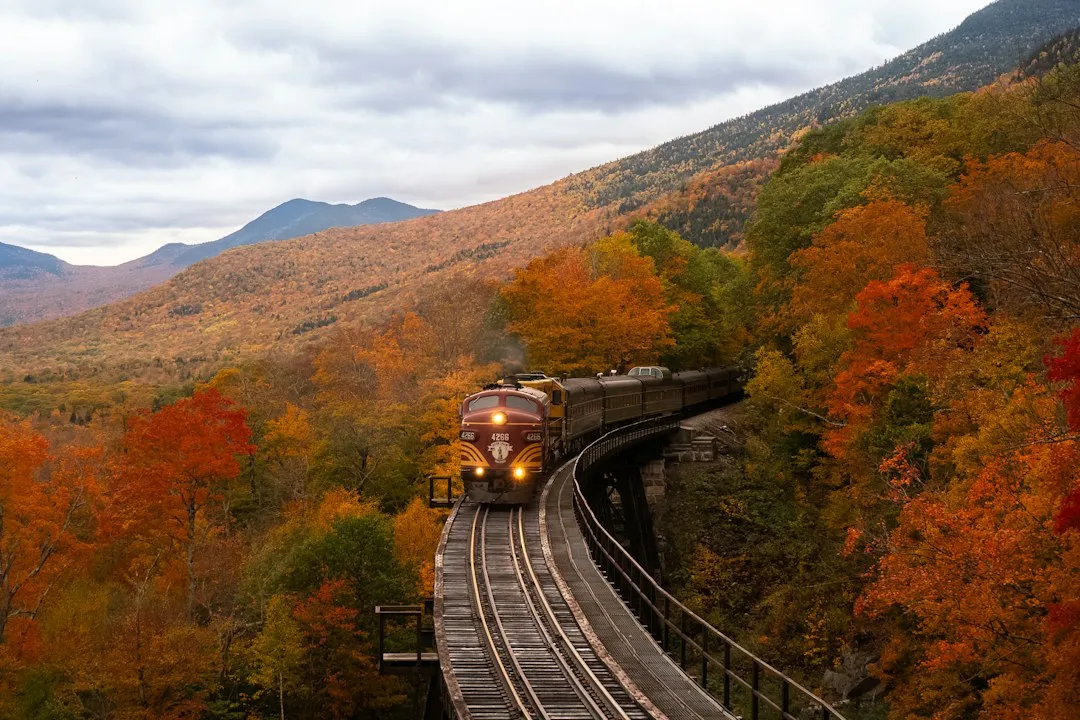
Amtrak itself calls the Adirondack one of the ten most scenic train rides in the world. The first two hours run up the Hudson with the river at the window, and the last stretch before the Canadian border follows the western shore of Lake Champlain with the Adirondack Mountains on the other side.
To start the ride, sitting on the left side of the train gives a better view of the Hudson River and the Palisades, particularly gorgeous as the leaves change color in autumn. Then, after a stop in Albany, switching to the right side delivers incredible views of the Lake Champlain region. It’s one of the few routes where the right call is literally to change sides mid-journey.
One conductor with over two decades on various routes pointed to the train to Montreal as the standout for scenery, specifically coming down Lake Champlain in the fall, describing the views as genuinely beautiful.
The California Zephyr: Right Side Out of Denver, Then Use the Lounge
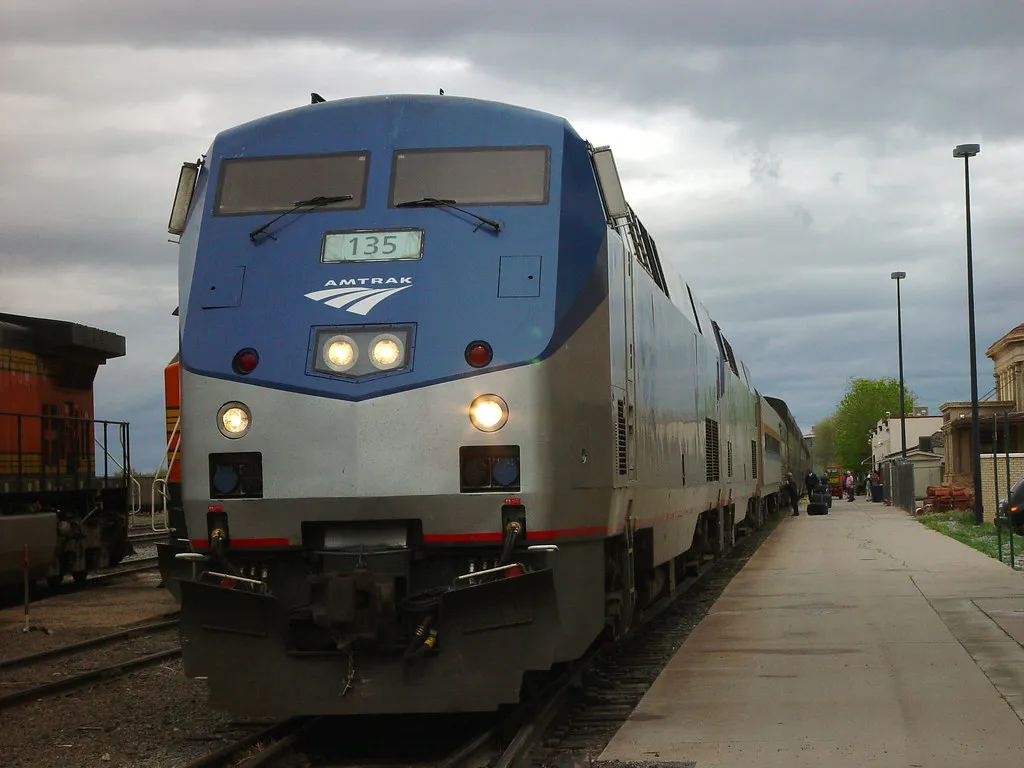
Ask anyone who takes trains seriously and the California Zephyr is the answer for most scenic ride on the Amtrak map. It climbs out of Denver through the Moffat Tunnel, spends the afternoon in Glenwood Canyon on ledges no road reaches, and two days in it crosses Donner Pass in the Sierra Nevada.
The California Zephyr is better on the right side when leaving Denver up to the Moffat Tunnel, but other than that stretch the side advantage shifts frequently. In Denver, getting a seat in the Sightseer Lounge is the real move, since views change from left to right multiple times. When first leaving Denver, everything is on the right hand side. When emerging from the tunnel, the ski resort appears on the left, and for the next few hours the best views alternate between sides.
The California Zephyr offers a feast for the eyes if you love mountain scenery. The main event is the crossing of the Rockies, which sees the train climb above 9,200 feet to pass through the historic Moffat Tunnel.
The Capitol Limited: Left Side for the Potomac, Right Side Into Pittsburgh
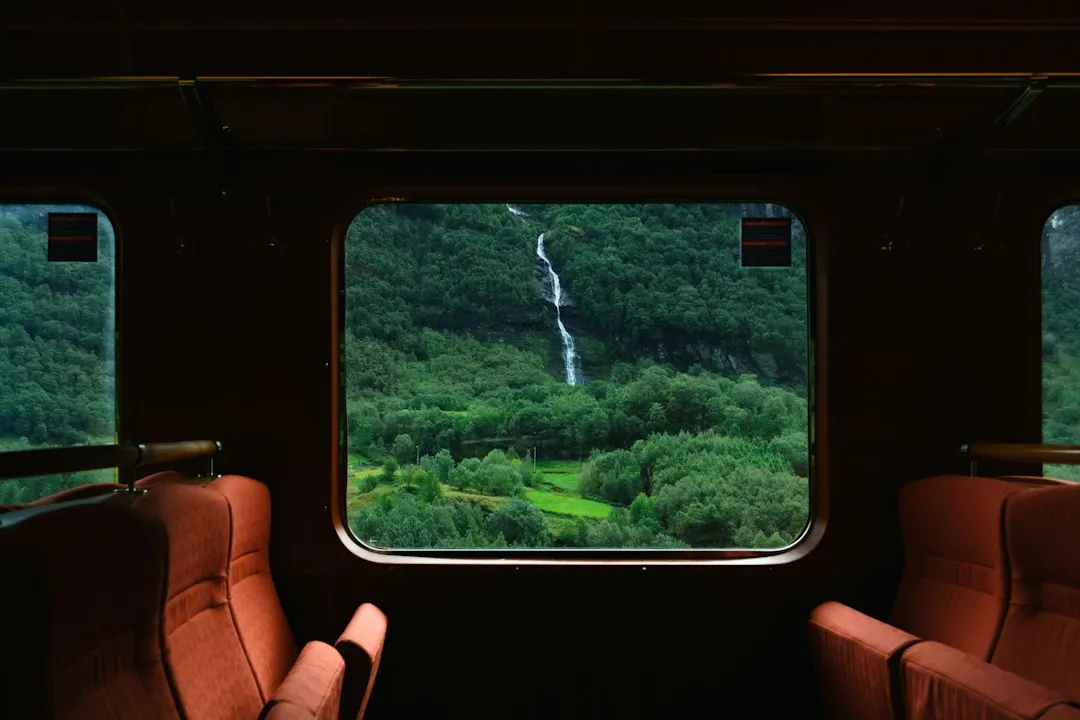
Given the daylight hours on the Capitol Limited, the left side is the better choice so you can see the Potomac River and Harpers Ferry. That stretch of West Virginia has a raw, almost cinematic quality to it, and it unfolds quickly, so being on the right side of the car means missing it entirely.
The east-facing windows, which are the right side heading from Washington to Pittsburgh and the left side heading back, offer better views of the Potomac for longer stretches west of Harpers Ferry, more time along the Youghiogheny River, and a clear view of the Edgar Thompson Works rolling into Pittsburgh.
The Empire Builder: Use the Sightseer Lounge Through Glacier Country
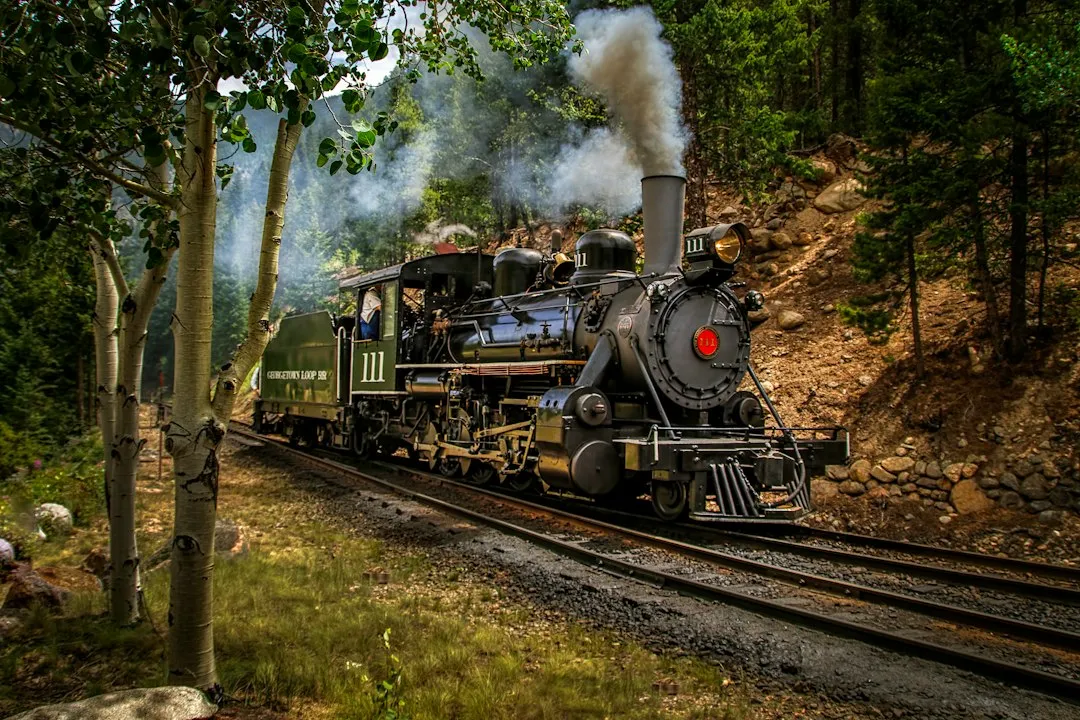
There’s no better way to see the rugged beauty of the American West than by Amtrak’s Empire Builder. Arguably, it has the most scenic Amtrak route in the US, with snow-capped peaks, cascading waterfalls, and incredible views of untouched wilderness. The route runs for roughly 46 hours from Chicago to Portland or Seattle.
The Sightseer Lounge gives the best views because you can see out both sides. Heading eastbound, passengers are along Puget Sound around sunset on the left side, and early the next morning pass through the Glacier Park area also in daylight on the left side.
For the Empire Builder, the left side is also the better choice for the Columbia River portion into Portland. That said, there are beautiful views on both sides of the train through Montana and the park areas, which is exactly why sitting in the lounge car is consistently recommended so you can see both.
The Southwest Chief: Left Side Eastbound Through the Desert Southwest
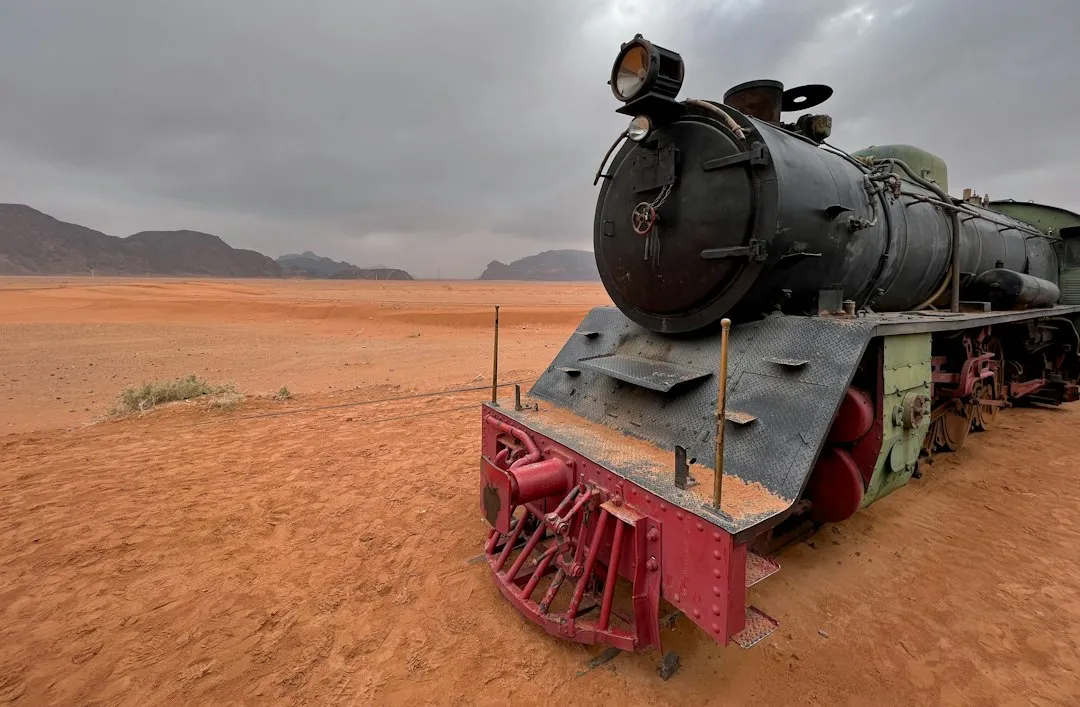
The Southwest Chief is generally better out of the left side when traveling eastbound, with red cliffs out of Gallup, views looking over the valley in Glorieta Pass, and the river and canyon scenery through Raton Pass. The desert Southwest has an almost surreal quality from a train window, especially in the late afternoon light.
The Southwest Chief is the route to ride for unique desert landscapes and views of Old West towns. Trains travel between Chicago and Los Angeles via New Mexico, passing through Raton Pass, Apache Canyon, and along part of Route 66 and the Santa Fe National Historic Trail.
The Pacific Surfliner: Sit on the West Side for the Ocean
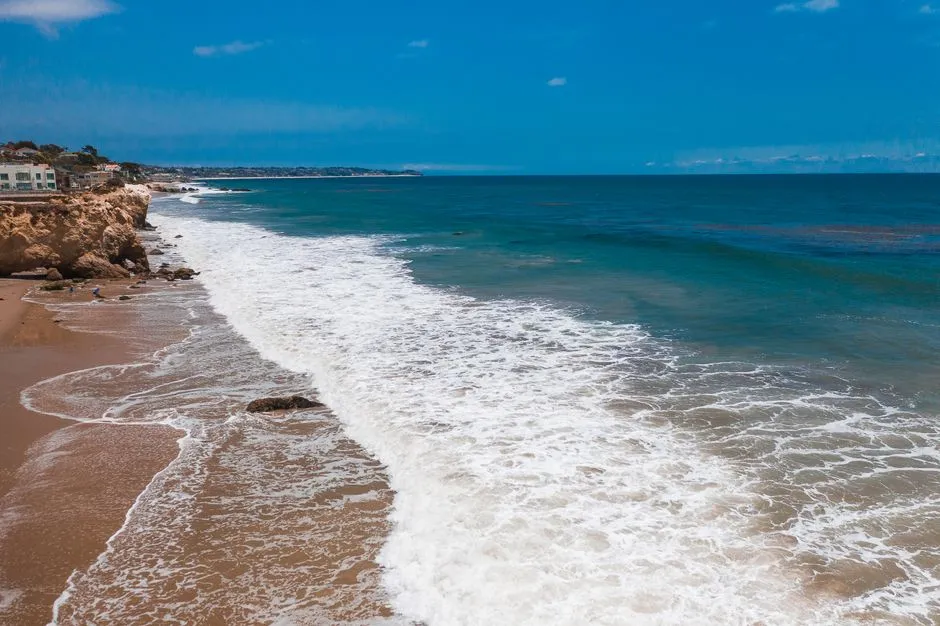
The Pacific Surfliner traces a 351-mile corridor between San Diego and San Luis Obispo, serving 29 stations and six counties along the way. The ocean is the star, but the seat choice matters more than many first-time riders realize.
For the best ocean views on the classic Los Angeles to Santa Barbara segment, sit on the west, or ocean side, which is the right side when traveling northbound and the left side when traveling southbound. At Los Angeles Union Station, the train changes direction, so the best side can shift if you are riding through Los Angeles. This is an insider detail that even regular riders sometimes miss.
For the best views along the coast, many passengers prefer the upper level of the bi-level railcars. Between San Diego and Orange County, passengers can glimpse surfers, beaches, and coastal bluffs as they pass through Solana Beach, Oceanside, and San Clemente.
The Coast Starlight: Left Side Northbound for the Pacific, Right Side for Mount Shasta
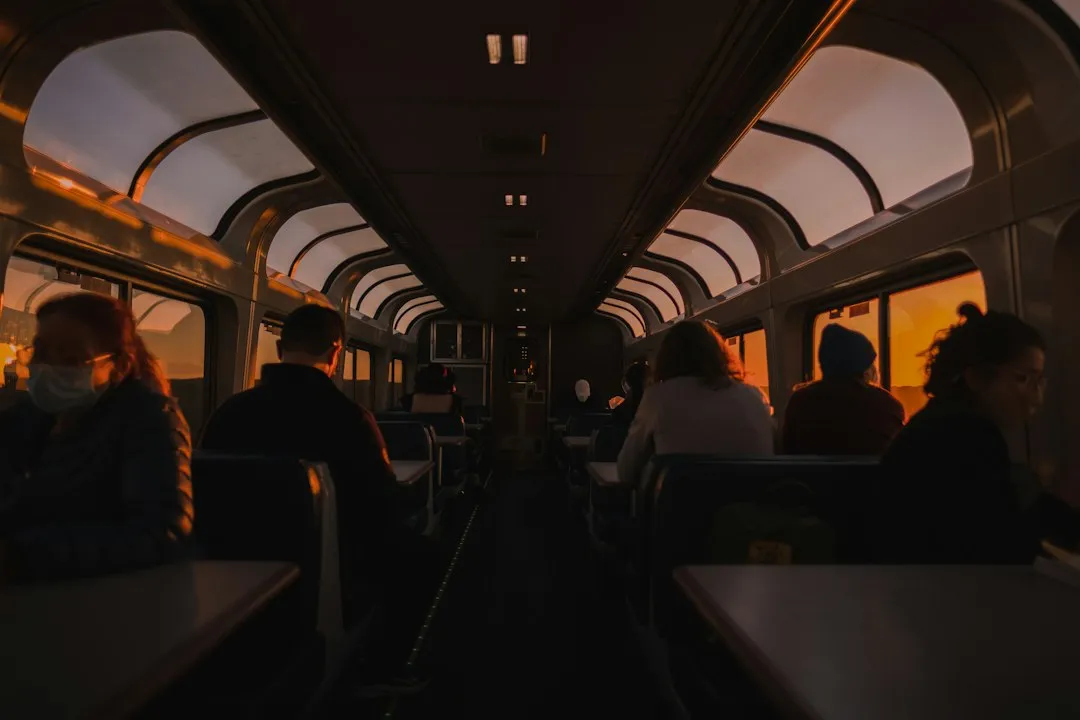
Amtrak’s Coast Starlight is one of the most scenic train routes in the United States, with stunning views of the Pacific Ocean, California valleys, and Cascade Mountains as trains travel between Los Angeles and Seattle in about 35 hours.
To see the Pacific Ocean, sit on the left side of the train when traveling north toward Seattle and on the right side when heading south toward Los Angeles. To see Mount Shasta, travel northbound and sit on the right side of the train, or ideally use the observation car. Mount Shasta appears for well over an hour on a clear day, making the seat choice worth thinking through in advance.
The best part of the Coast Starlight is the journey along the Pacific Ocean between Santa Barbara and San Luis Obispo, as well as the segment in Northern California and Oregon for views of Mount Shasta.
The Horseshoe Curve: Right Side Eastbound on the Pennsylvanian
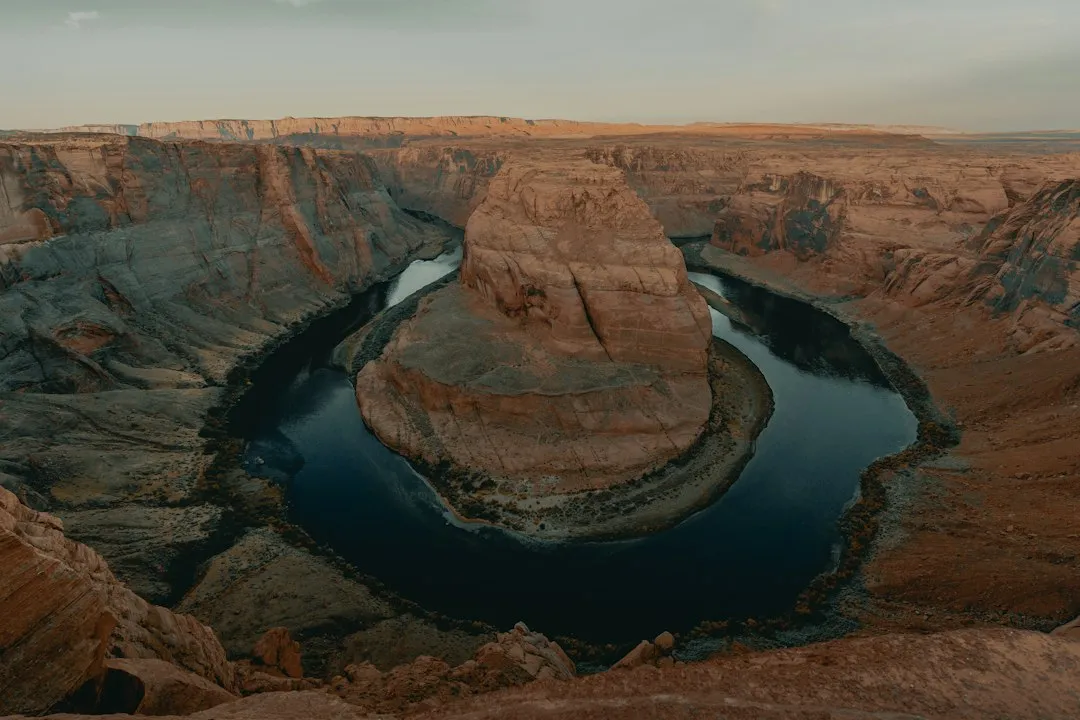
Reaching the eastern edge of the Alleghenies, the train makes a dramatic descent down the famous Horseshoe Curve, completed in 1854. Sit on the right side of the train when heading east, or the left side if heading west, for the best view. It’s a brief but genuinely striking moment, the kind that makes passengers stop mid-conversation and press their faces to the glass.
On the Pennsylvanian, the right side is the one to choose when traveling eastbound specifically for Horseshoe Curve, though the left side delivers better views for the rest of the trip. The distinction is worth paying attention to, since the curve itself passes quickly.
The Lounge Car: The Universal Answer When You Can’t Decide
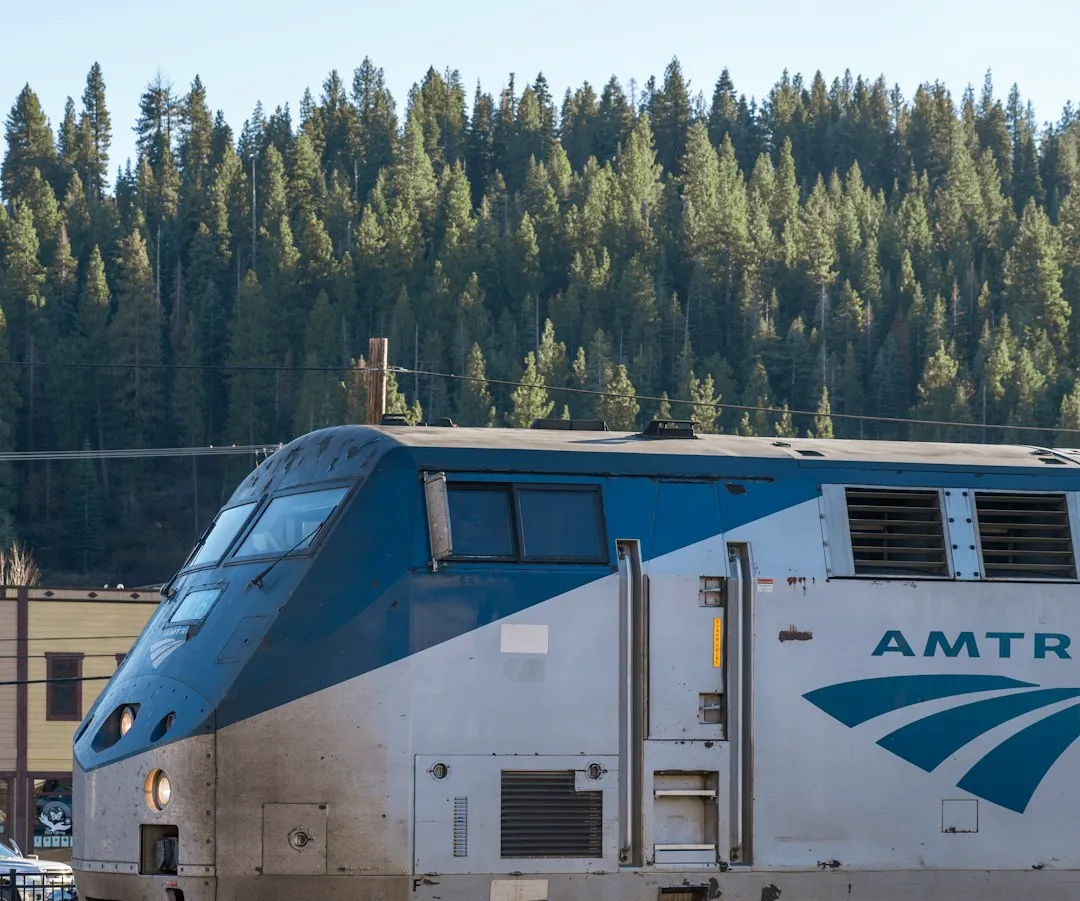
The best place for scenery watching is in the lounge or cafe car, which gives access to both sides of the train, unlike a roomette where you are limited to one window. Conductors and attendants point to this consistently, and it’s the closest thing to a universal rule across every Amtrak route.
In the cafe car, with its low seating, you can sit in a chair or at a table and see a much wider angle of view on either side of the train. With a roomette or bedroom, you also can’t know until you board whether you’re on the scenic side, since sleeper cars can be attached to the train in either direction.
Seeing America’s great natural scenery is a must, and rail travel can offer an even more immersive experience than road tripping. Without your hands on the wheel and your eyes on the road, it’s easier to take in the sights, many of which are untouched by roads. The lounge car, more than any single seat assignment, is where that experience lives.
The Takeaway
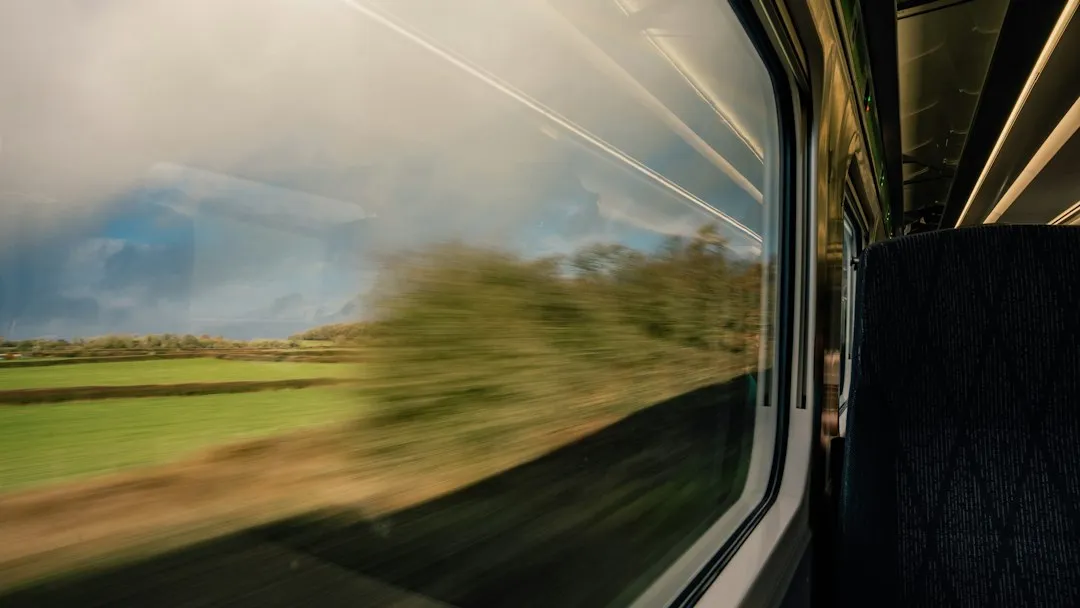
There’s no single correct side for every journey. The best window depends on the route, the direction of travel, and sometimes the exact hour the train passes a particular landmark. What experienced conductors and long-distance regulars keep coming back to is preparation: know your route, research the key stretches, and get to the lounge car early if you’re on a Superliner.
The window seat you choose won’t make or break the trip, but it might make a mountain appear where you expected only darkness, or put a river right at your elbow just when the morning light hits it perfectly. That’s the quiet reward of knowing which side to sit on before the train even leaves the station.
AI Disclaimer: This article was created with the assistance of AI tools and reviewed by a human editor.