

The On-Ride Camera: A Quick Look at How It Works
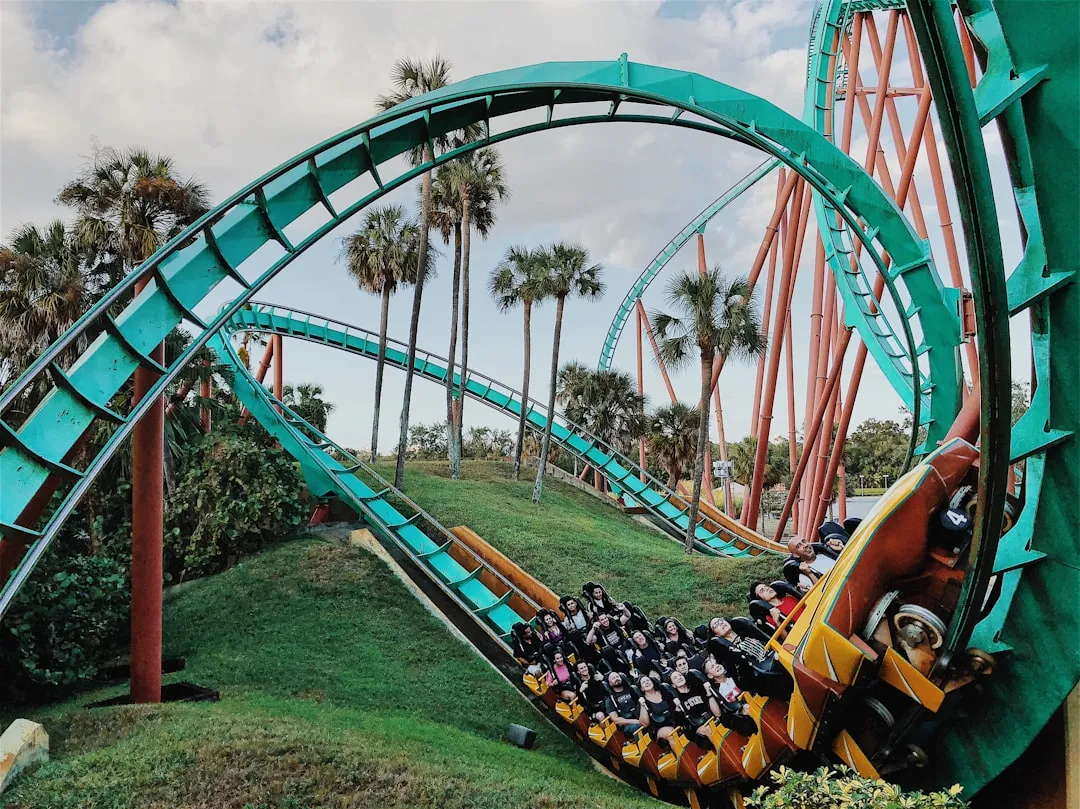
An on-ride camera is a camera positioned near the track of a roller coaster in order to take a photo of the riders while they are in motion. It may be positioned at the bottom of a drop, the top of a hill, while riders are traveling upside down, or at several other key locations along the track.
High-speed image processing and printing systems make it possible for thrill-ride visitors to record their memories in photographs printed on paper, on commemorative T-shirts, or on key chains. A photoelectric sensor is typically used, with a through-beam laser transmitter on one side of the track and a receiver on the other, arranged so that the brake fin on each car of the ride train breaks the trigger beam and signals the camera to fire.
Theme park photography has existed almost as long as the rides themselves, but early technology constraints meant cameras weren’t capable of capturing high-speed shots. Advances in shutter speed eventually opened up the possibility for on-ride photos of genuine expressions and wind-warped faces.
Water Rides and Flumes: Where Drama Meets Splash
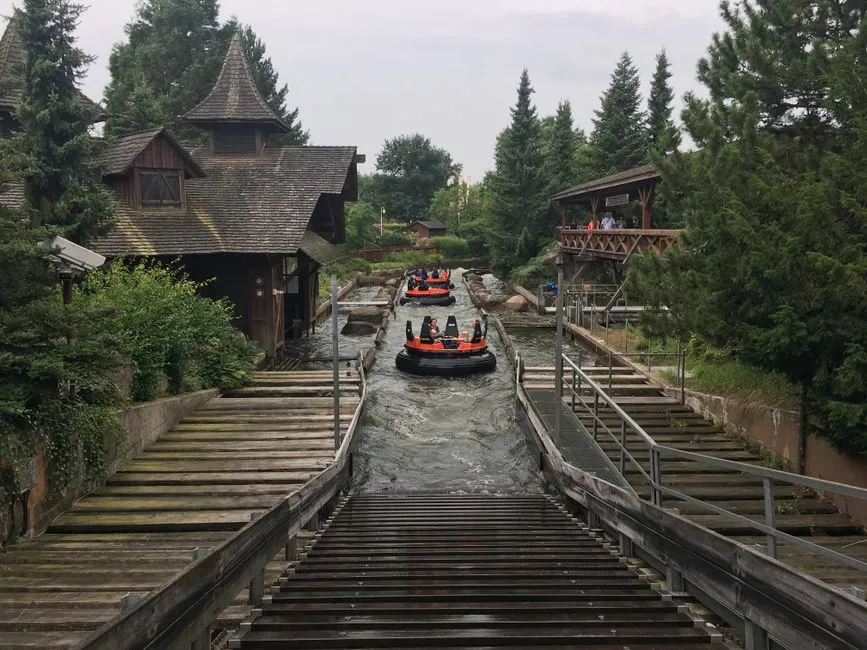
What people remember most from a day at their favorite amusement park is often that exhilarating moment when they plunge down the flume ride into the pool of water waiting below. That emotion, combined with the visual drama of cascading water, is exactly why photographers consistently rank flume rides among the most rewarding subjects.
The camera placement on water rides tends to favor the moment just before impact, a split second when expressions peak and water sprays dramatically around the log or raft. On Splash Mountain at Walt Disney World, the photo snapped right at the grand finale drop into the briar patch captured the entire log in one frame. That full-vehicle composition is part of what made those shots so iconic as group photos.
The technical trigger on flume rides follows the same logic as coasters. A photocell mounted on the flume ride triggers picture-taking as riders approach the water. The brief pause as the log crests the drop gives cameras a reliable, repeatable moment to work with.
Drop Towers: The Unguarded Expression
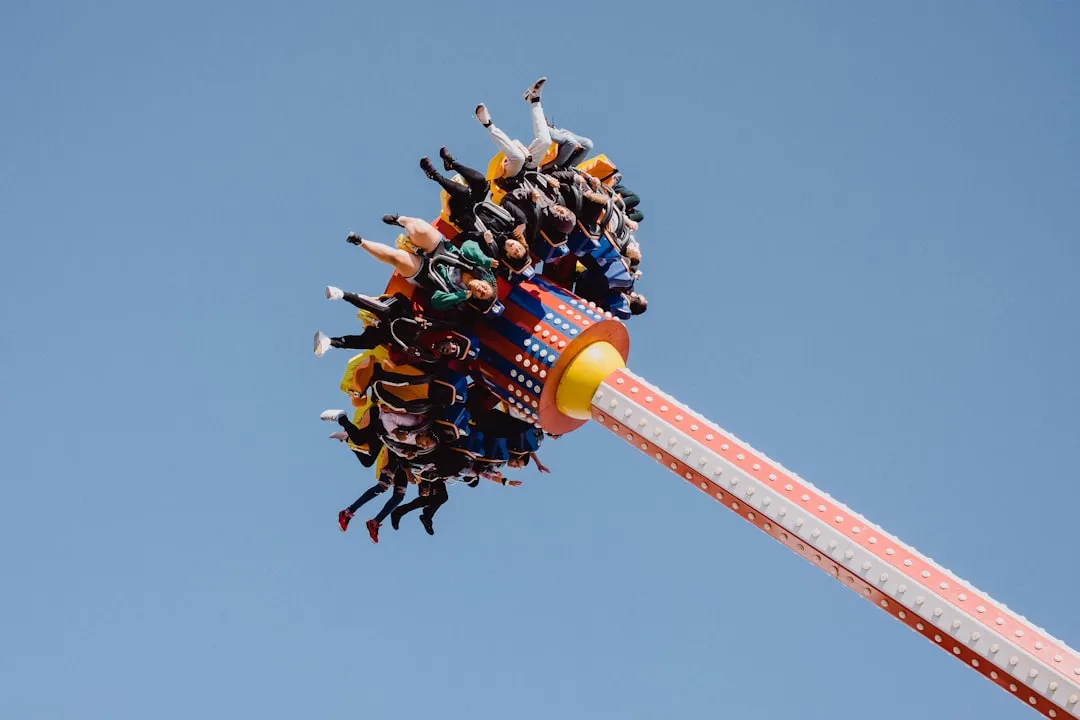
A drop tower is a type of amusement park ride built around a central tower structure with gondolas attached, where riders are lifted to the top and then released to free fall back toward ground level, producing a feeling of weightlessness followed by rapid deceleration. That sequence is almost impossible to psychologically prepare for, which is precisely why photographers love the results.
Drop tower photos capture something flume and coaster cameras often miss: vertical panic. Riders face outward in a ring formation, meaning every single person’s expression is visible to the camera at the same moment. There’s no hiding behind the person in front of you. The shared terror is laid bare, row by row.
On the Twilight Zone Tower of Terror, the photo moment comes when the elevator car makes its first stop, looking out over the park. That brief pause before the drop gives the camera a clean, well-lit window with a spectacular backdrop. It’s a combination of engineering and scenery that few other rides can match.
Roller Coasters and the Bottom-of-the-Drop Sweet Spot
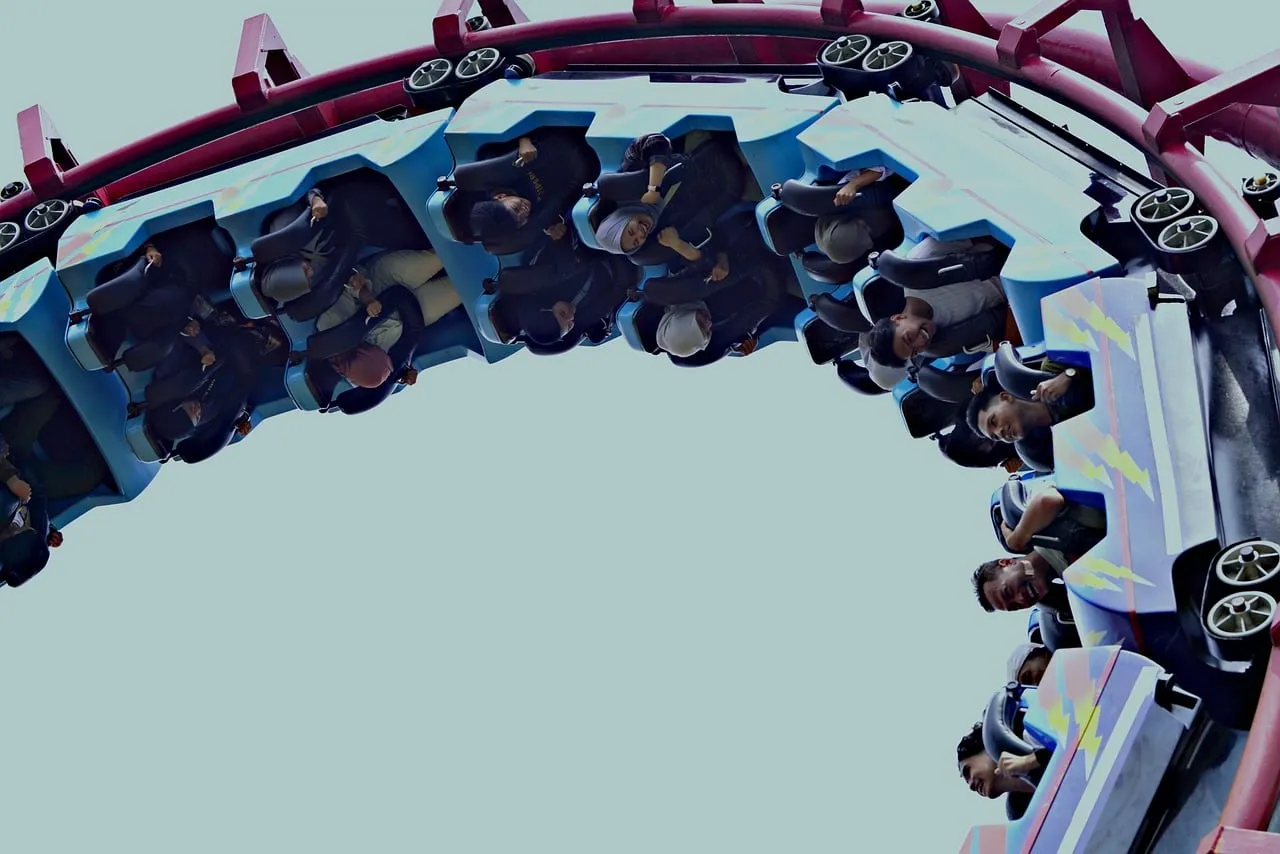
Today, a picture of your loved ones at the most intense moment of a roller coaster is a staple souvenir of the theme park experience. The bottom of the first major drop is considered by many ride photographers to be the single most photogenic moment on a coaster, because that’s where G-forces peak and faces compress in genuinely involuntary ways.
Roller coaster photography is unlike anything else: it’s challenging, requires a lot of patience, and makes you see amusement parks in an entirely new light. Getting the shot right from outside the ride requires a combination of timing, focal length, and position, but the on-ride camera has a simpler advantage: the track itself brings the subject directly to the lens.
Photographers who cover roller coasters closely love when a train is filled with hands raised and screaming faces, because that full-car energy translates directly into a photograph that tells a story. A half-interested car of riders produces a far less compelling image, no matter how dramatic the drop.
The Role of Light: Why Outdoor Rides Often Win
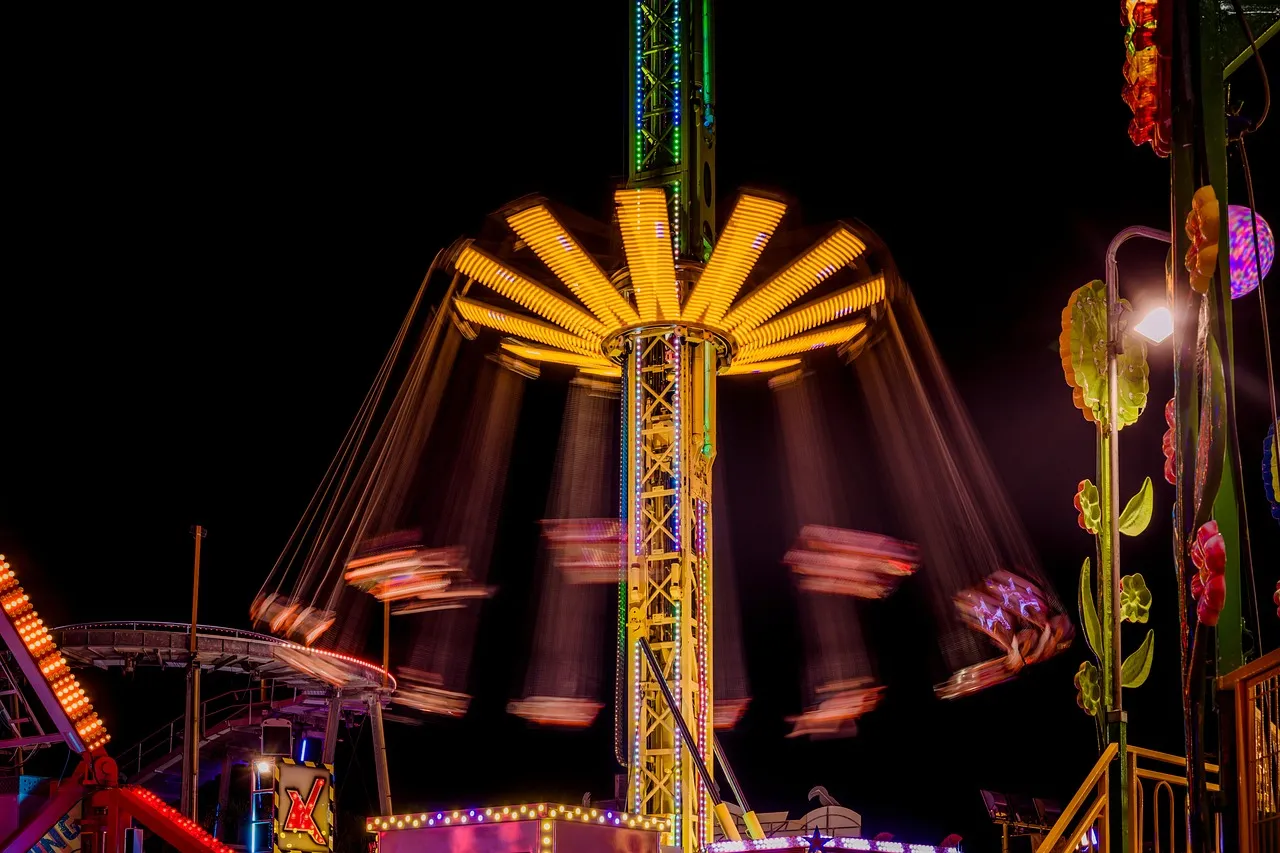
Natural light is one of the most underappreciated factors in on-ride photo quality. Outdoor rides, particularly those with cameras placed to capture a sun-facing drop or splash, benefit from ambient lighting that indoor rides simply cannot replicate. No flash system in the world fully substitutes for a bright midday sun hitting a wall of water spray at the right angle.
Indoor coasters have their own visual appeal, and enclosed dark rides use flash systems to compensate. Early technology constraints meant cameras weren’t capable of high-speed shots, but advances in shutter speed eventually made it possible to freeze the most intense moments of a ride. Modern flash systems on indoor rides have narrowed the gap, though outdoor water rides in full daylight still tend to produce the most visually vivid results.
Group Rides vs. Single-Vehicle Attractions
Photographers often note a crucial distinction between rides that seat guests in large communal vehicles versus those with smaller, more isolated seating. Large log flumes or raft rides produce group photos where the collective expression becomes the story. Everyone’s face is part of the composition, turning a single image into a shared memory.
Smaller vehicles, like those on launched coasters where riders sit two abreast, tend to produce more intimate shots. The camera catches fewer faces, but each expression becomes more prominent and readable. Neither format is strictly superior, but they create very different kinds of photographs with different emotional weight.
The best on-ride photos, according to those who study and shoot them seriously, almost always feature riders who are unaware of the camera placement. It is genuinely hilarious to see the expressions people make on theme park rides, especially when they are immortalized forever on official ride camera photos. That authenticity is exactly the point.
Disney’s Scale and Photo Volume
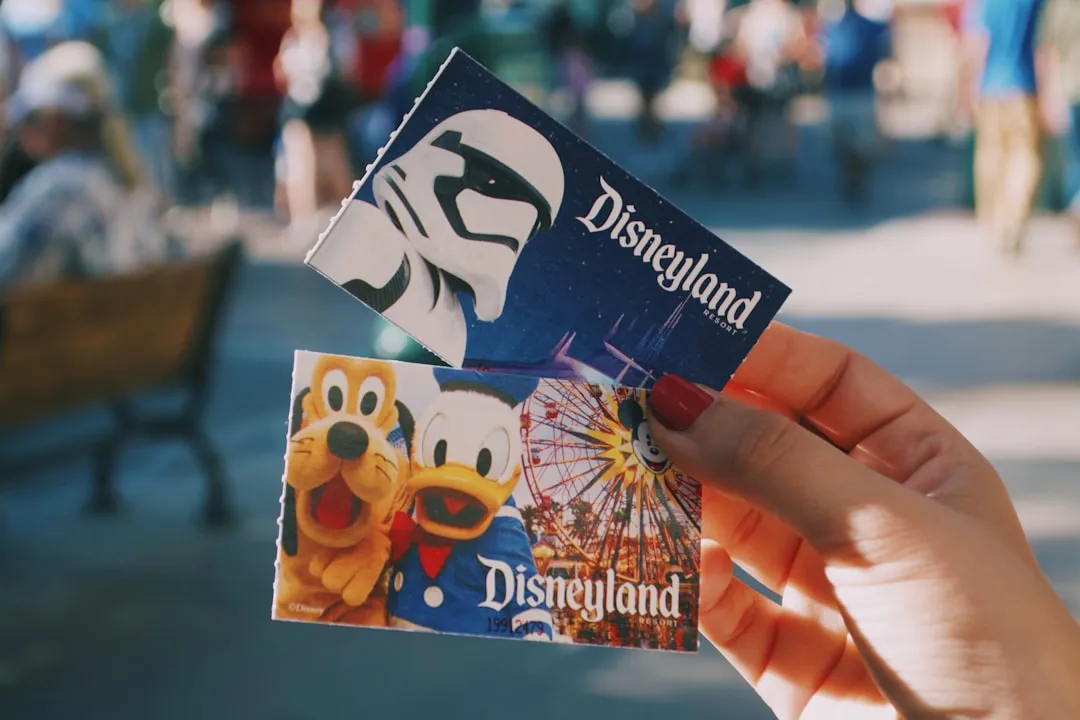
The big players in the attractions industry know the value of photo integration. Disney, for example, takes over 100,000 photos a day for their PhotoPass subscribers, a program that allows guests to purchase high-quality photos taken by roaming photographers or any attraction with an image-capture system.
That volume is a telling signal. When a park photographs over 100,000 moments in a single day, they generate enormous amounts of data about which rides produce the most purchased photos, which moments riders choose to keep, and which images get shared most widely. It’s a quiet but real form of crowd-sourced feedback about what actually constitutes a great ride photo.
Typical photo volumes at an individual amusement park run between 300 and 1,000 photos in one day, though record days have climbed as high as 3,000. At that scale, the economics of on-ride photography matter, and parks invest most in the cameras positioned at moments they know produce the highest purchase rates.
What Photographers Say About Positioning and Angle
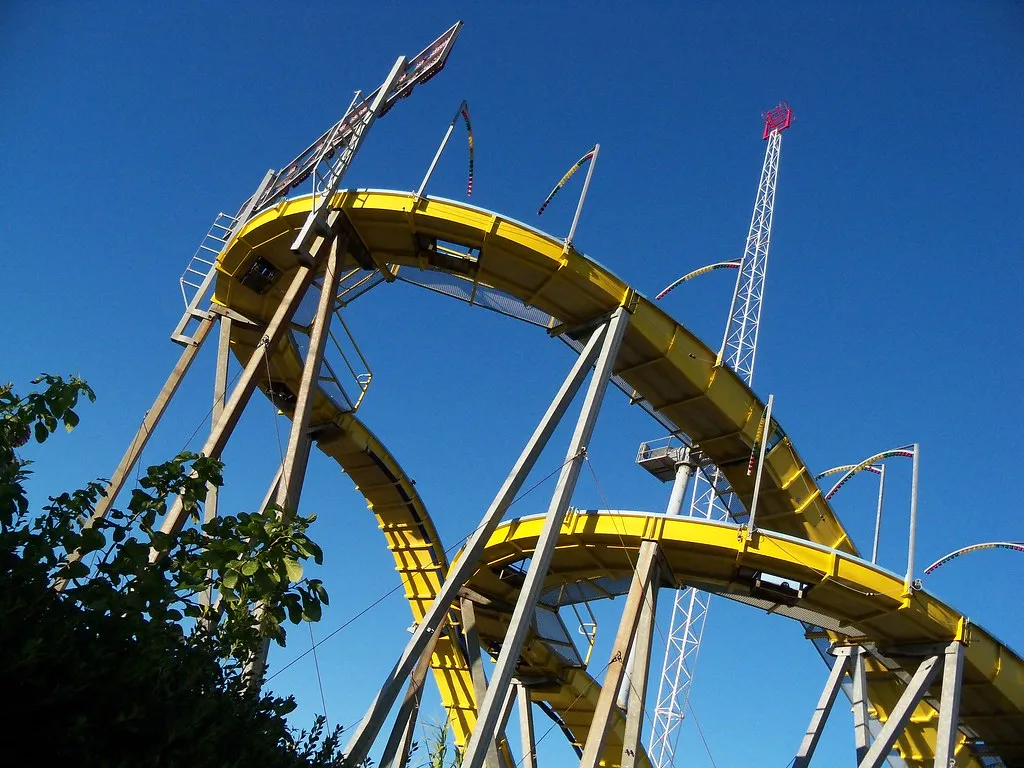
External photographers who document coasters from trackside have developed a sharp instinct for which angles produce the most compelling images. Adding foreground elements, like a planter or structural feature, provides depth to coaster photographs and makes them feel less flat, turning a simple action shot into something with genuine visual dimension.
On-ride camera systems are fixed by design, which means their positioning is a deliberate engineering choice made by the park. If it is inconvenient to mount the sensor at exactly the picture-taking point, the photosensor can be displaced up the track and programmed with a time delay. That precision allows parks to fine-tune the exact frame that guests will see on the kiosk screen when they exit.
The Rides That Consistently Produce the Most Memorable Shots
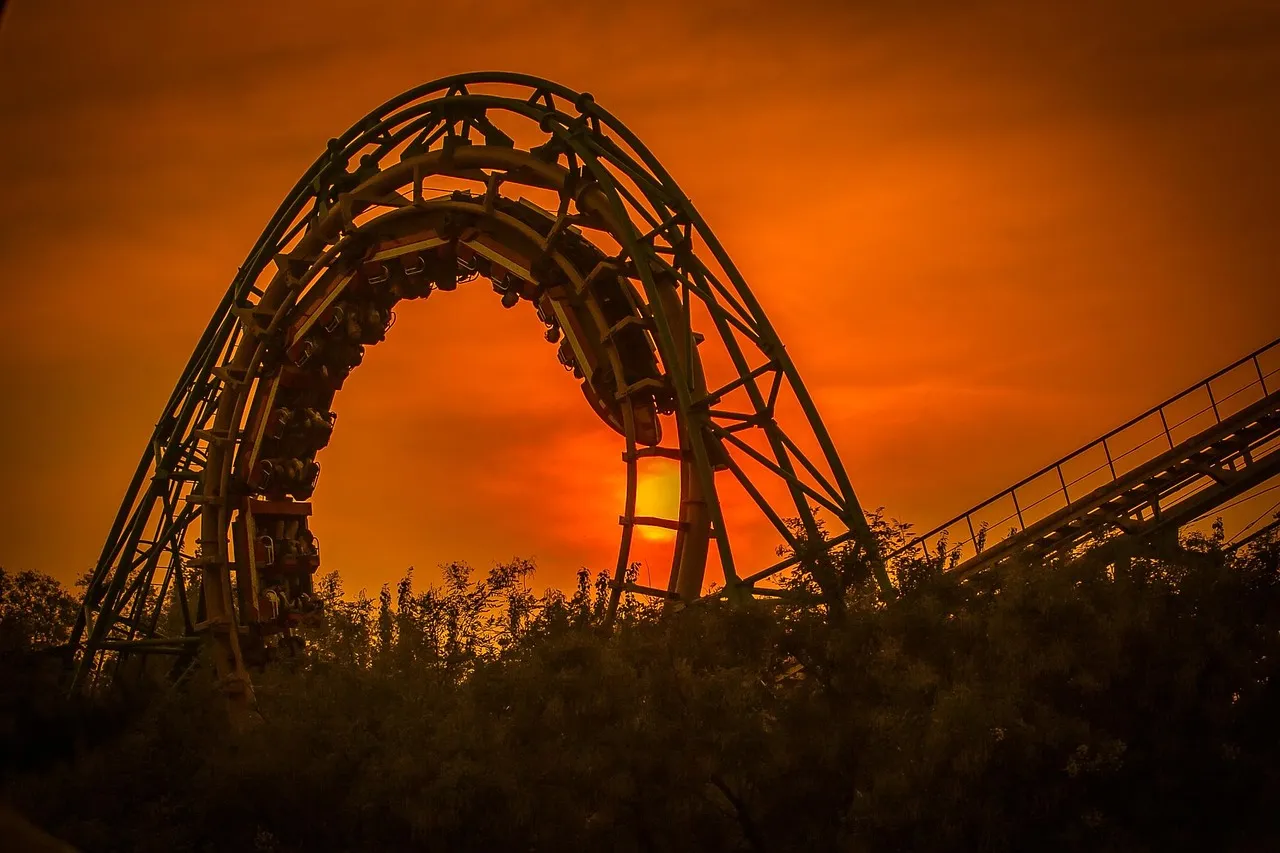
Across parks and ride types, certain categories emerge as consistent favorites for on-ride photo quality. Water flume rides produce dynamic, splash-filled compositions with strong natural light and full-vehicle framing. Drop towers create unguarded, vertically composed expressions with the park landscape often visible in the background. Large-drop roller coasters freeze riders at peak G-force, capturing expressions that are physiologically impossible to fake or perform.
On-ride cameras are positioned near the track to photograph riders in motion, whether at the bottom of a drop, the top of a hill, or while traveling upside down, and parks can then sell those photos to riders after they exit. The best-selling shots consistently come from the moments of highest physical intensity, where the body’s reaction overtakes any self-consciousness about the camera.
Spinning coasters have gained attention more recently as a photogenic ride category, because the rotational unpredictability means no two trains arrive at the camera in quite the same orientation. The randomness produces genuinely unique compositions every single time.
The Social Dimension: Why Ride Photos Get Shared
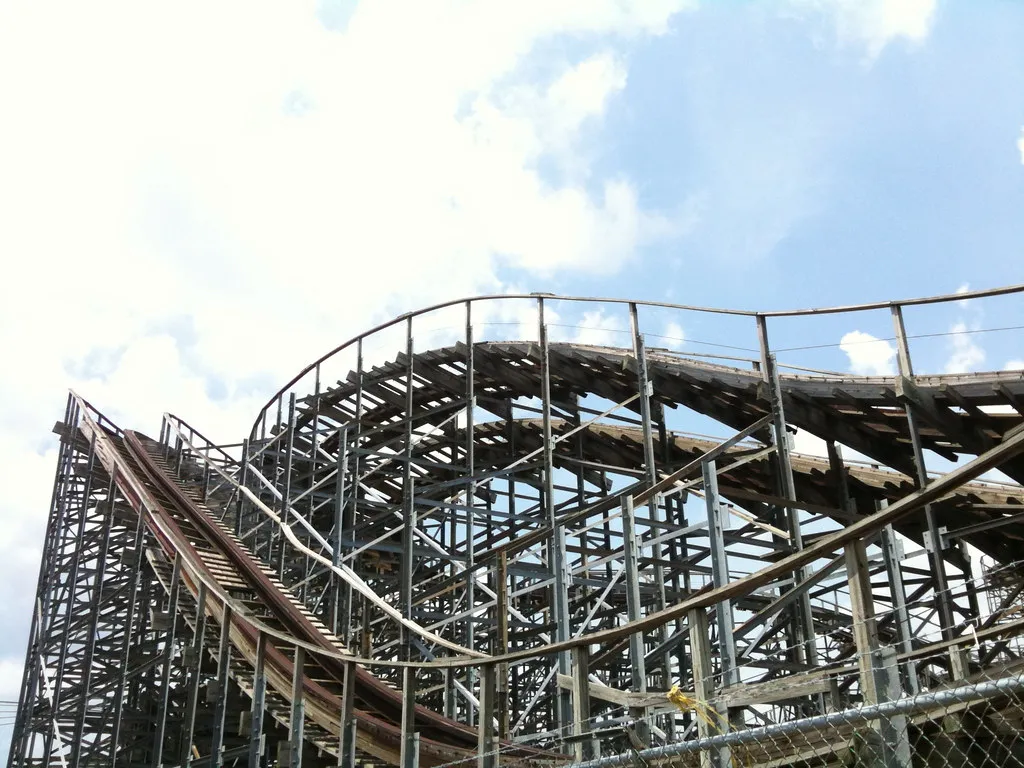
One factor that has elevated on-ride photography in the social media era is the shareable moment. A genuinely funny or dramatic ride photo travels well across platforms, and parks have taken note. The design of photo kiosks has shifted toward faster digital delivery, allowing guests to share their images while still in the park rather than waiting for a printed product.
The result is that on-ride photos now function as organic marketing for parks, especially when a particularly spectacular or funny image circulates widely. Photographers who have been documenting roller coasters since 2009 note that the growth of social media channels has given ride photography a whole new role, transforming it from a fun hobby into a serious content resource.
The Takeaway
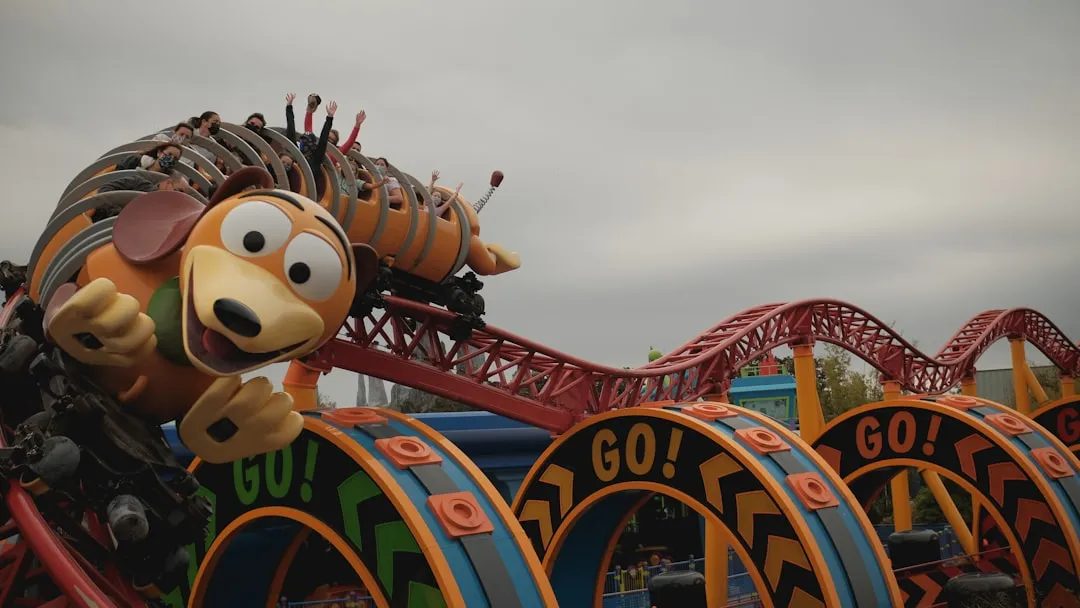
There isn’t one single ride type that wins every time, but the evidence points to a clear pattern. Rides that combine a moment of genuine physical peak, strong natural light, a full-vehicle composition, and an element of surprise consistently produce the best on-ride photographs. Water flume rides and drop towers lead the conversation among photographers for good reason, with the bottom-of-the-drop roller coaster moment following close behind.
The best ride photo isn’t really about the camera or the technology. It’s about the moment the body gives up trying to look composed and simply reacts. That’s the image people carry home, stick on a refrigerator, or share with someone who wasn’t there. It’s proof, in the most human way possible, that the ride was real.
AI Disclaimer: This article was created with the assistance of AI tools and reviewed by a human editor.