

Travelers who commit to an Antarctica expedition cruise face a multi-year planning timeline that shapes everything from budgets to expectations. The decision affects not only the individual but also the operators who must meet strict environmental standards and the broader community of scientists and conservationists who monitor human presence on the continent. Demand has risen steadily because the journey delivers a rare combination of remoteness and wildlife encounters that few other destinations can match.
Planning the Journey and Its Stakeholders
Most voyages depart from Ushuaia at the southern tip of Argentina, requiring passengers to coordinate international flights, gear, and medical clearances well in advance. Operators work within the guidelines of the International Association of Antarctica Tour Operators to limit group sizes and landing numbers each day. This framework protects the fragile ecosystem while giving travelers structured access to the Antarctic Peninsula.
The financial commitment typically spans several thousand dollars per person, covering not only the ship but also the specialized equipment and expert staff required for safe operations in polar conditions. Travelers, travel advisors, and cruise lines all share responsibility for ensuring that every booking supports low-impact practices. Those who book early often secure better cabin choices and contribute to the predictable seasonal flow that helps operators manage resources responsibly.
Crossing the Drake Passage
The two-day passage across the Drake can bring rolling swells that test even seasoned sailors, yet it also marks the transition into a world governed by wind and current rather than human schedules. Passengers spend these days attending briefings on wildlife protocols and safety procedures while the ship moves steadily south. The sense of isolation grows with each nautical mile, preparing everyone for the scale of what lies ahead.
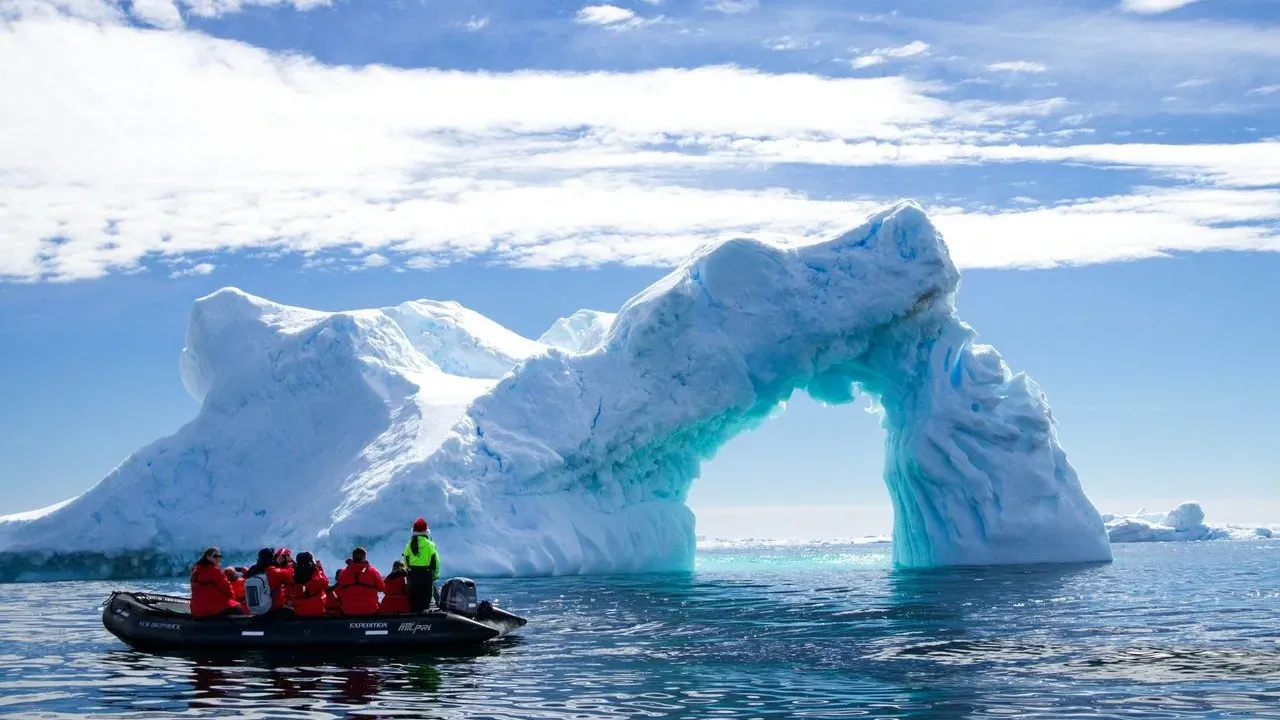
Upon reaching calmer waters near the South Shetland Islands or the Antarctic Peninsula itself, the first sightings of icebergs and seabirds signal arrival in a landscape that remains largely unchanged by time. The transition from open ocean to protected bays happens quickly once the ship enters the lee of the landmass. This shift allows for the first Zodiac outings and the initial close-range views of the continent’s ice cliffs.
Wildlife and Landscape Encounters
Gentoo and Adélie penguins often greet visitors at landing sites, moving in organized groups across rocky beaches while maintaining a clear distance from human activity. Seals haul out on ice floes, and occasional whale sightings occur during transit between sites. These moments unfold under strict guidelines that keep groups small and quiet, preserving the animals’ natural behavior.
The ice itself dominates every vista, with towering glaciers calving into the sea and vast ice shelves stretching toward the horizon. The sheer volume of frozen water creates a silence broken only by wind or the occasional call of a bird. Such scenes reinforce why the continent remains one of the few places where natural processes still operate with minimal interference.
Responsible Practices and Lasting Effects
Operators emphasize biosecurity measures, including boot washing and gear checks, to prevent the introduction of non-native species. Passengers learn that every action on shore contributes to the long-term health of the region. These protocols turn the cruise into an education in stewardship rather than simple sightseeing.
The experience frequently leaves travelers with a sharpened awareness of climate patterns and the value of protected wilderness. Many return home as advocates for continued international agreements that limit commercial activity and support ongoing scientific research. The voyage therefore extends beyond the ship’s return, influencing personal choices and public conversations about polar conservation for years afterward.
AI Disclaimer: This article was created with the assistance of AI tools and reviewed by a human editor.