
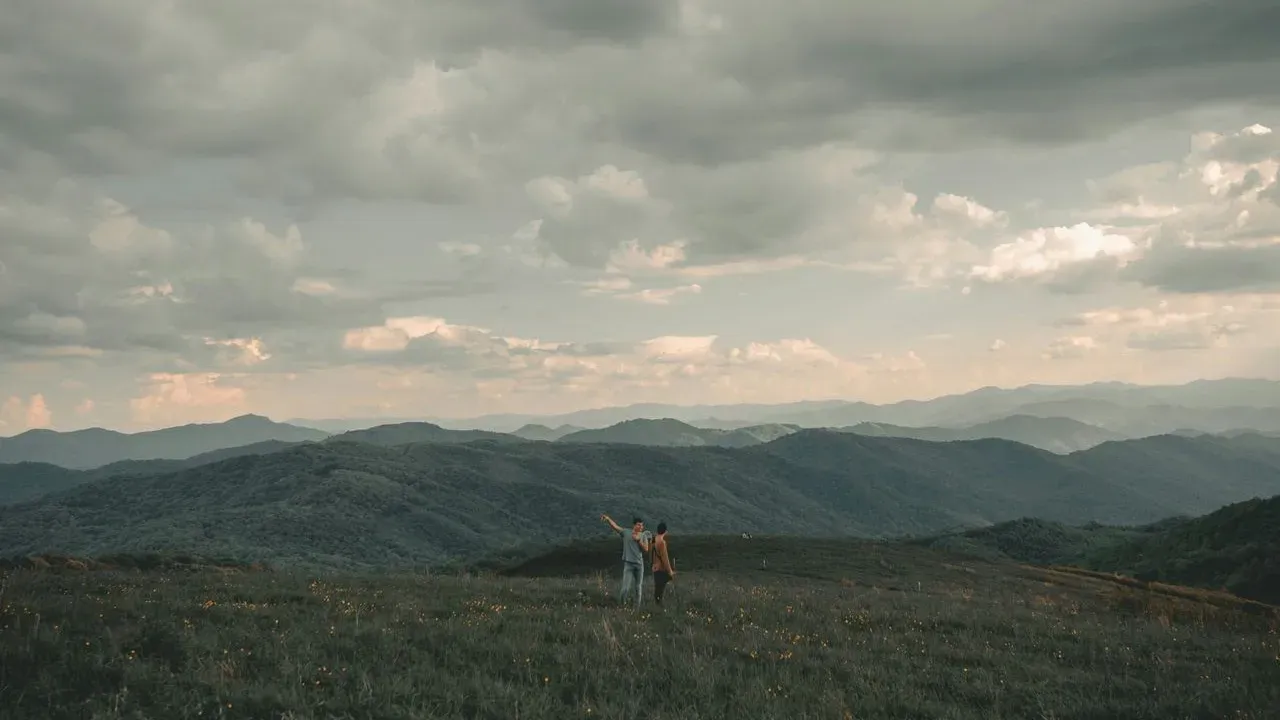

Travelers who venture beyond the familiar highways often find themselves in places where daily rhythms still carry the imprint of generations. In the quiet hollows of Appalachia and the layered neighborhoods of East Los Angeles, distinct ways of making music, food, and art continue to shape community life. These regions offer windows into American identity that reward patient attention rather than quick glances.
Appalachian Hollows and the Living Thread of Craft
The narrow valleys of central Appalachia hold communities where handmade objects still serve practical needs while carrying stories forward. Quilt patterns passed between neighbors, dulcimer makers who tune by ear, and basket weavers who gather materials from nearby slopes all reflect a deep connection to place. Visitors who approach these traditions with genuine interest often discover workshops and festivals that welcome respectful participation.
Bluegrass and old-time music gatherings in these same hollows function as living archives. Families and neighbors gather on porches or in community halls to trade tunes that trace back through migration routes and local histories. Travelers who listen without rushing the moment frequently leave with a clearer sense of how geography shapes sound and memory.
East Los Angeles and the Layered Language of the Street
East Los Angeles neighborhoods pulse with visual and culinary expressions rooted in Mexican-American experience and ongoing creative exchange. Murals that cover entire building walls recount family histories, social movements, and everyday resilience. Lowrider culture, with its meticulous attention to detail and communal car shows, turns ordinary streets into galleries of craftsmanship and pride.
Food traditions here extend far beyond restaurant menus. Home cooks and market vendors preserve recipes that blend indigenous ingredients with later influences, creating flavors that tell migration stories. Markets and community events provide opportunities for visitors to taste and learn directly from those who maintain these practices, fostering exchanges that honor both host and guest.
Why Regional Distinctiveness Matters for Travelers
America’s cultural map contains far more variation than interstate corridors suggest. When travelers seek out these pockets of tradition, they encounter living expressions of heritage rather than static displays. Such encounters encourage slower pacing, deeper listening, and choices that support local artisans and storytellers.
Responsible exploration begins with preparation. Learning basic context about a region’s history, supporting community-led tours or markets, and asking permission before photographing or recording all contribute to exchanges that feel mutual. These small practices help preserve the very qualities that draw people to these places.
One middle section can expand here to illustrate the point. Travelers who spend several days in a single Appalachian county or East Los Angeles neighborhood often notice how daily routines intersect with seasonal celebrations, craft fairs, and music sessions. The pace allows relationships to form naturally, turning a visit into an ongoing connection rather than a single snapshot. Over time, these repeated, respectful returns strengthen the traveler’s understanding and the community’s ability to share its culture on its own terms.
Practical Steps Toward Meaningful Encounters
Small, deliberate choices open doors that hurried itineraries close. Consider these approaches when planning time in either region:
- Seek events organized by local cultural centers or historical societies rather than commercial tours.
- Purchase directly from makers at craft fairs or markets to keep resources within the community.
- Stay in locally owned lodging that participates in preservation or education efforts.
- Learn a few phrases or customs in advance to show preparation and respect.
Each of these steps aligns travel with the values of cultural continuity and mutual benefit.
The United States continues to reveal itself most clearly to those willing to move at the speed of its regions. Appalachia’s hollows and East Los Angeles streets stand as reminders that authentic encounters arise from curiosity paired with care. Travelers who carry both qualities home often find their own perspectives quietly enlarged.
AI Disclaimer: This article was created with the assistance of AI tools and reviewed by a human editor.