
There’s a certain kind of magic that only happens when you’re standing in front of a vast tank with almost no one else around. The fish move slowly, the light filters blue through the water, and you can actually hear the hum of the filtration system. Most people never experience this because they show up at the wrong hour.
The good news is that aquarium staff have been quietly telling visitors the same thing for years. Timing is everything, and those who know the right window get an entirely different experience from those who wander in midday on a Saturday.
The Midday Window You Should Never Use
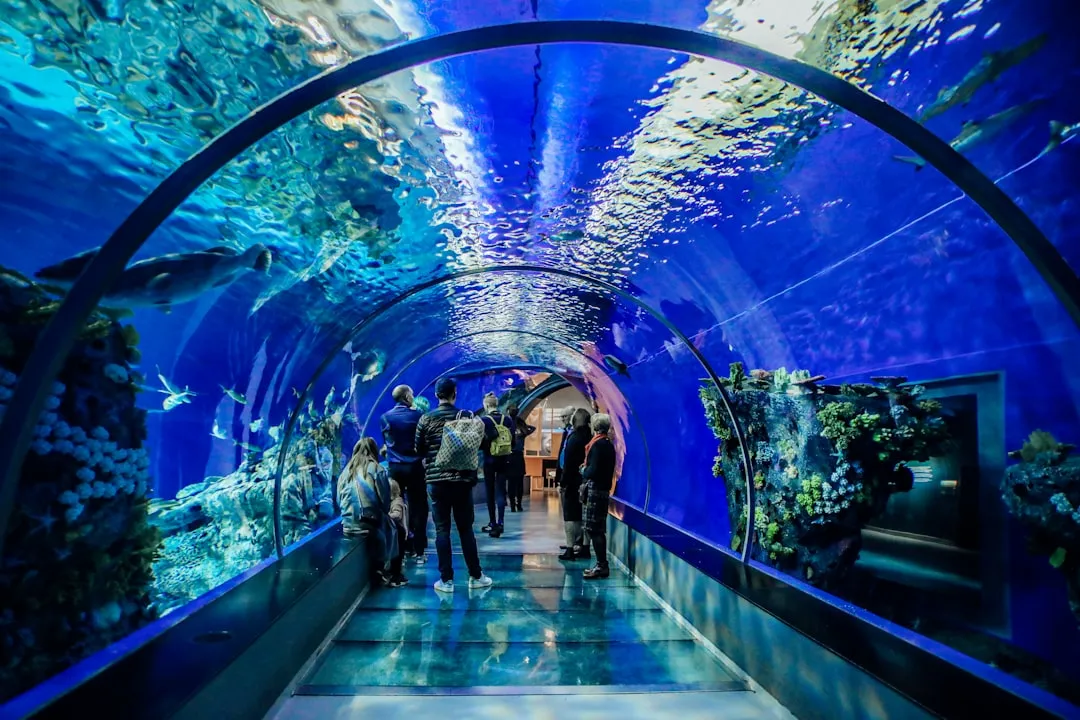
Multiple aquariums have confirmed through their own visitor data that the afternoon rush between late morning and mid-afternoon is the hardest time to navigate. Georgia Aquarium staff confirmed directly that peak attendance time is usually between noon and 4 p.m. That’s the window when school buses are parked outside, strollers are stacked three-deep at every exhibit, and the jellyfish gallery becomes a slow-motion traffic jam.
The aquarium tends to be busiest between 10 AM and 3 PM, particularly on weekends and during school field trip seasons, which typically run from September to mid-December and January to mid-May. That covers a significant portion of the year, which means if you’re not planning around these windows deliberately, you’re likely walking into the thickest part of the crowd.
Why Weekday Afternoons Are the Real Sweet Spot
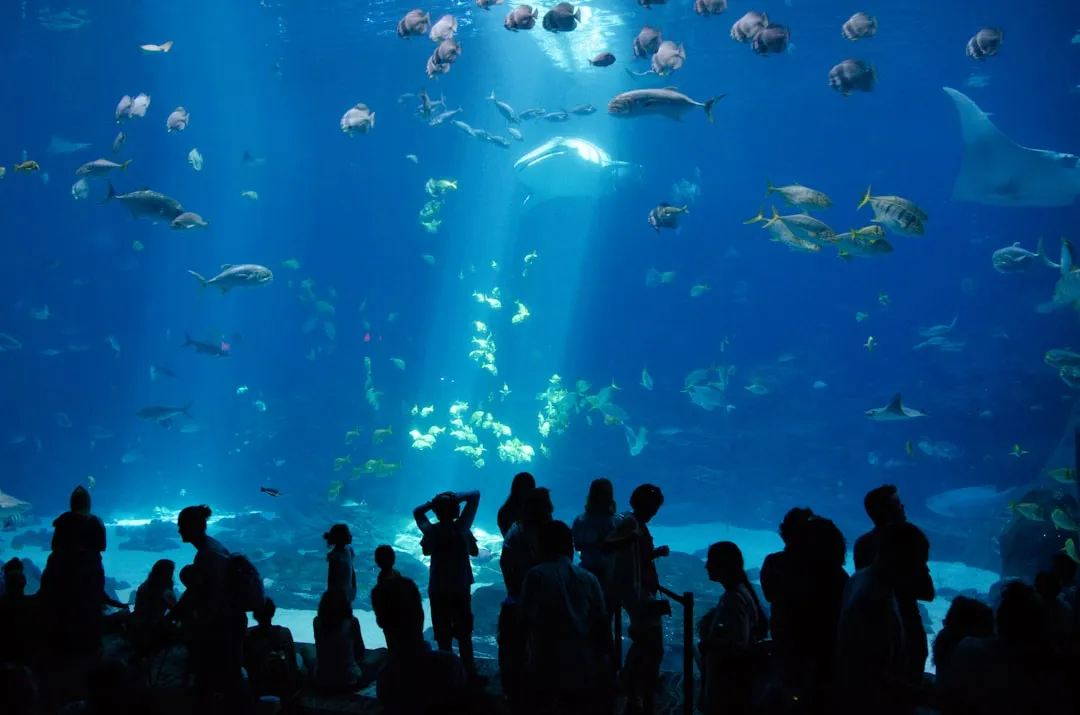
Late summer, fall, and early winter are the least busy times at Adventure Aquarium, and afternoons are always the best time to visit if you’re looking to avoid large crowds, such as school groups. The logic is simple: school groups arrive in the morning and are typically gone before early afternoon. Once they leave, the dynamic inside changes noticeably.
During the school year, visiting school groups are typically gone by 1 p.m. That’s the natural turning point. After that hour, the exhibits open up, the noise level drops, and you can actually linger at a tank without being nudged aside. For the most relaxed and enjoyable experience, weekday afternoons or evenings tend to be less crowded.
Opening Hour: A Quiet Window That Closes Fast
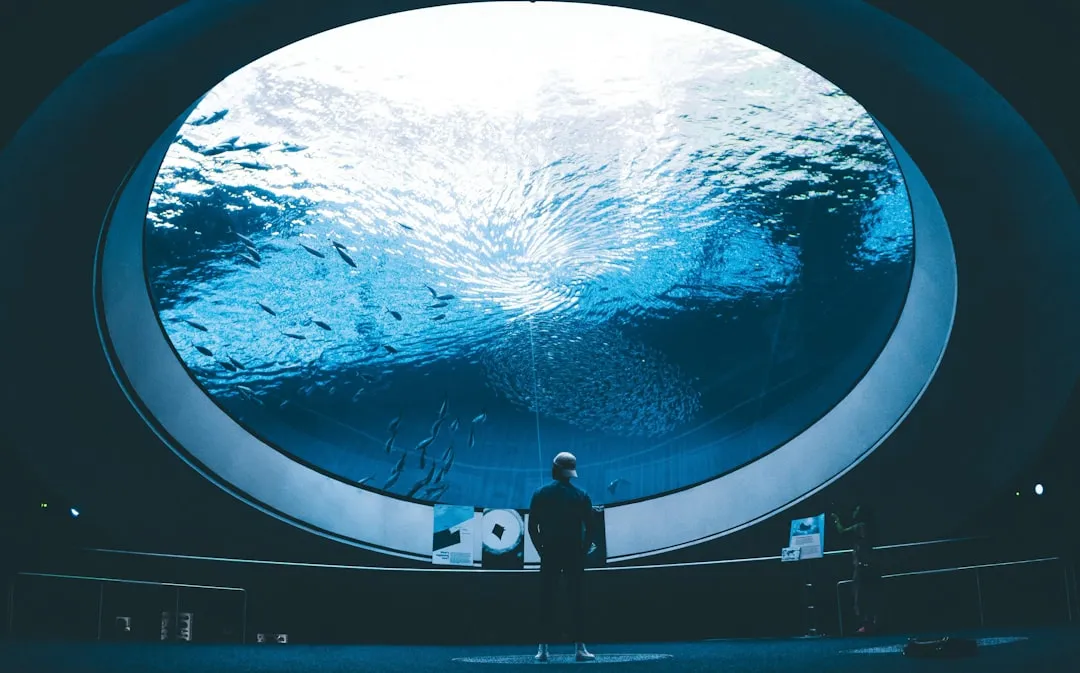
It’s worth setting your alarm clock and arriving when the aquarium opens, because crowds begin to show up around 11 am. That first hour after opening offers something genuinely rare: the ability to move freely through exhibits that will be packed an hour later. For popular institutions like the Monterey Bay Aquarium, that gap matters a lot.
The ideal arrival time to avoid peak crowds is either right when the aquarium opens at 10 am, or after 2 pm when the first wave of visitors start to finish up and any school groups have left. Those two windows, the very start and the mid-afternoon dip, are what experienced visitors consistently return to. Weekends, school holidays, and the summer months are consistently the worst for peak crowds.
The Late Evening Option That Most Visitors Overlook

Some of the best-kept secrets at major aquariums happen after the typical dinner hour. By around 6 pm, some aquariums are practically deserted as visitors leave for dinner. This is a genuinely underused window, especially at larger institutions that stay open into the evening.
Many aquariums are open Monday through Thursday from 9 am to 6 pm, with Friday through Sunday hours extended to 9 am to 8 pm, and some offering a special late-night opening on Saturdays until 9 pm. Those extended evening hours can be the quietest stretch of the entire week, particularly on a weekday when most day visitors have already come and gone.
Midweek Is the Consistent Winner Across Most Aquariums
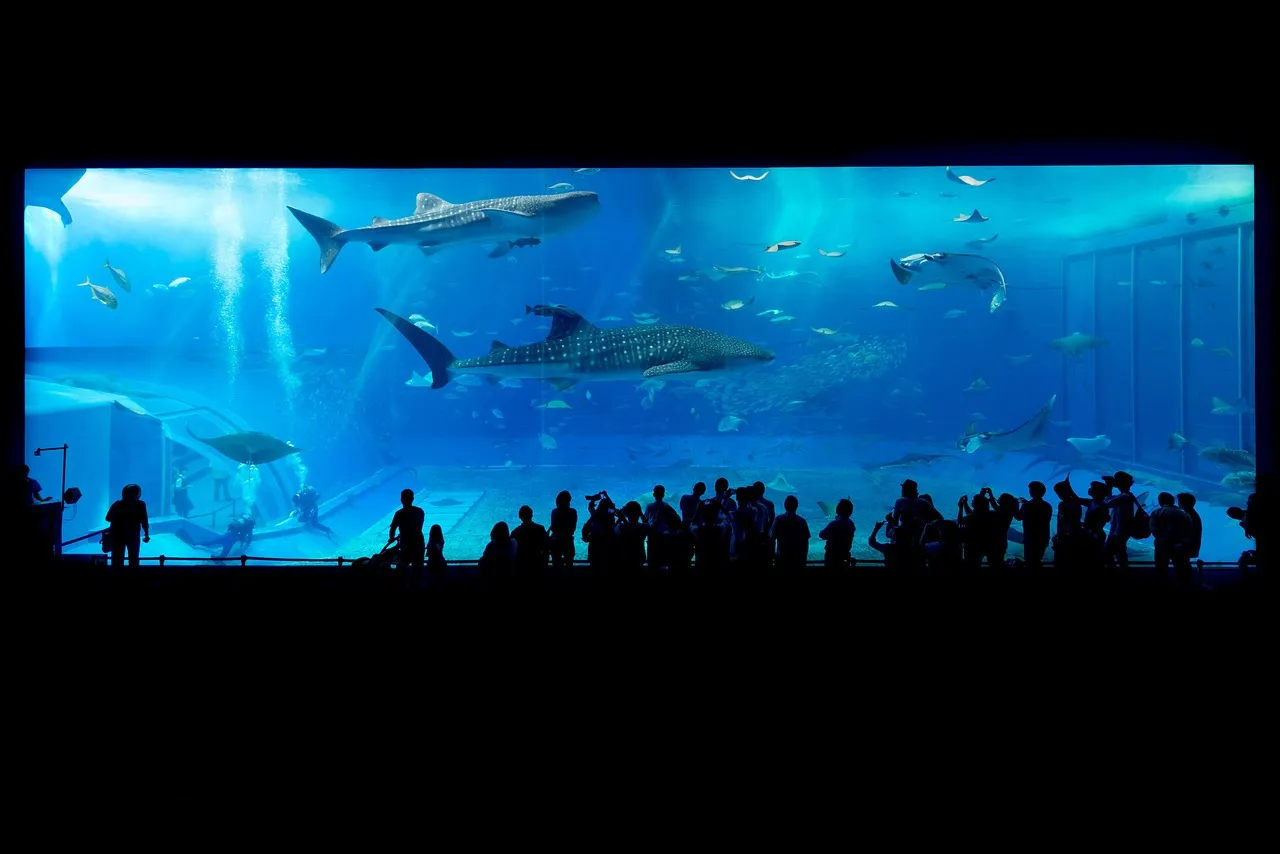
The best days of the week to visit, regardless of season, are generally the mid-week days, Tuesday through Thursday. This pattern holds across most major aquariums in the United States. Mondays can still carry weekend spillover, and Fridays often see a surge from people starting their weekend early.
Weekdays are comparatively less crowded than weekends, though there is still a chance of seeing a significant number of visitors at popular exhibits. Mid-week is the safest bet, especially when paired with an arrival time outside the midday peak. The combination of a Tuesday through Thursday visit and a post-1 p.m. arrival is consistently the approach staff recommend.
Summer Is the Season to Plan Around, Not Through
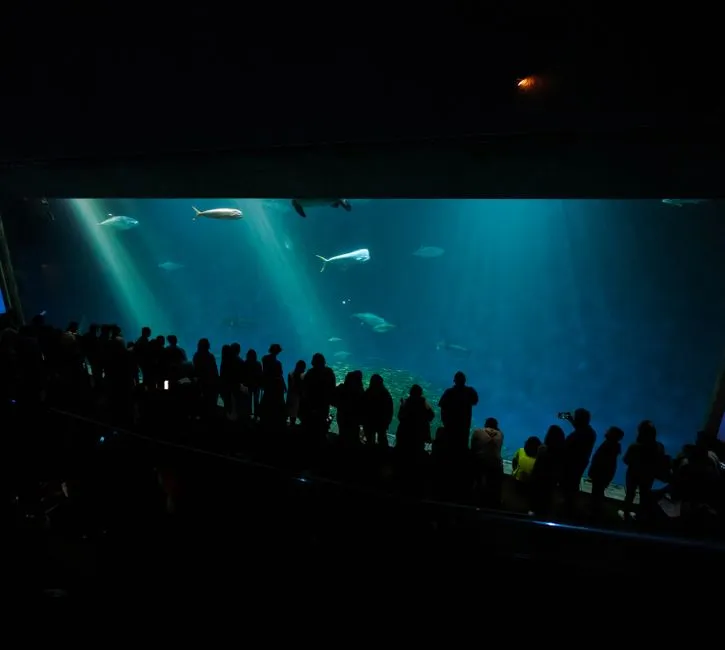
Approximately a quarter of total annual visits take place during July and August. That single statistic explains a lot. Cramming nearly one third of an entire year’s visitors into two months creates conditions that no timing trick can fully solve. Summer is when even the “off-peak” hours feel busy.
The peak times for major aquariums are the summer months, the holiday seasons, and school vacation times. June, July, and August tend to be the most crowded due to summer vacations, leading to longer wait times and more limited parking. If summer is your only option, visiting during a weekday afternoon after 1 pm makes a genuine difference.
Fall and Winter Bring a Different Kind of Visit
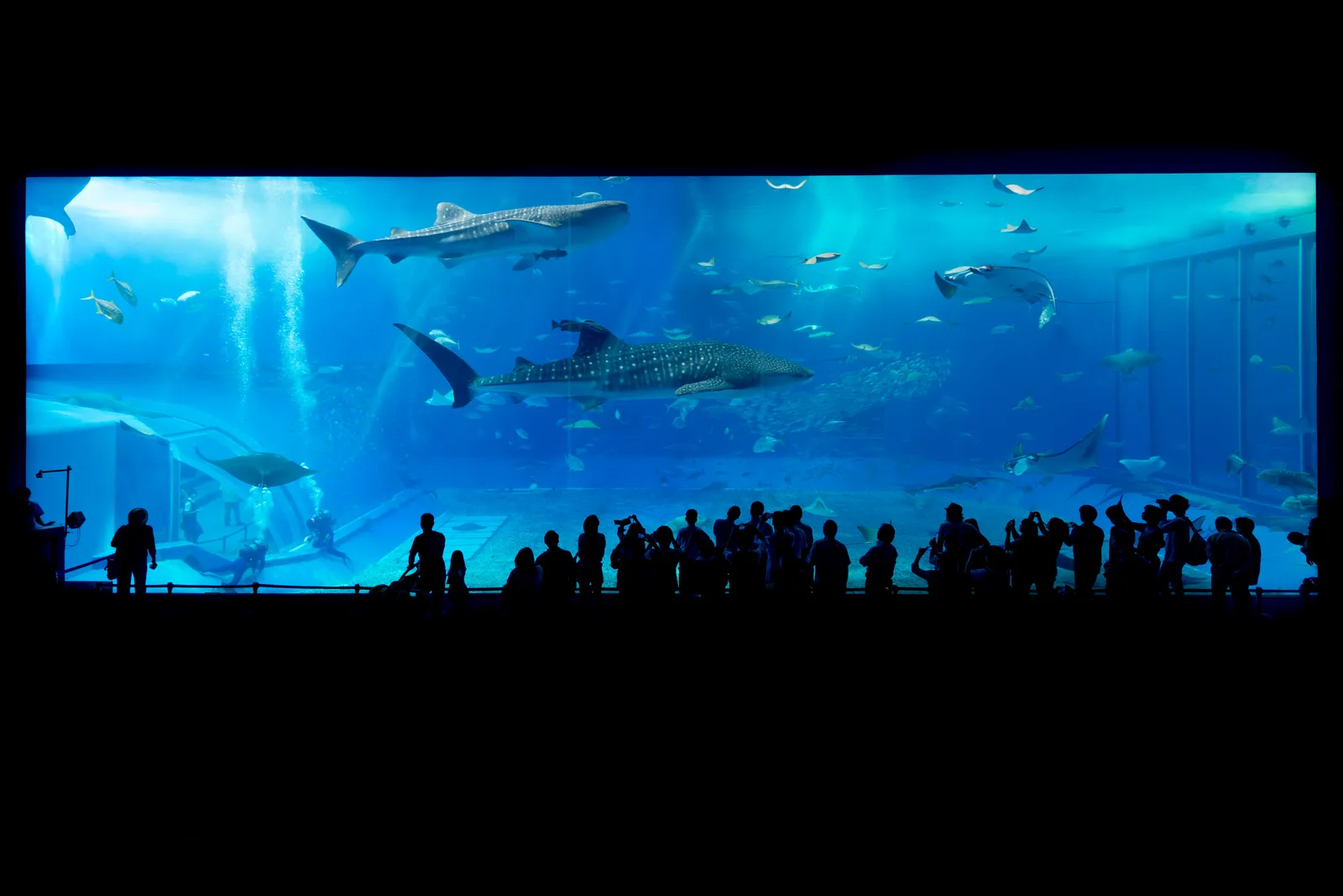
Another good time to visit is during fall and winter. As the weather starts to cool down, the number of people going to the aquarium begins to drop off. This seasonal dip is one of the most reliable crowd-management tools available to any visitor willing to plan around the calendar rather than against it.
October to February are relatively quieter months, with the exception of December due to the holiday season. Late autumn in particular sits in a genuine sweet spot: the summer crowds have cleared, the holiday surge hasn’t arrived, and the experience is noticeably more personal. Early in the school year, from August to October, is a great time to avoid crowds, as field trips tend to dwindle later.
How Timed Entry Systems Are Changing the Experience
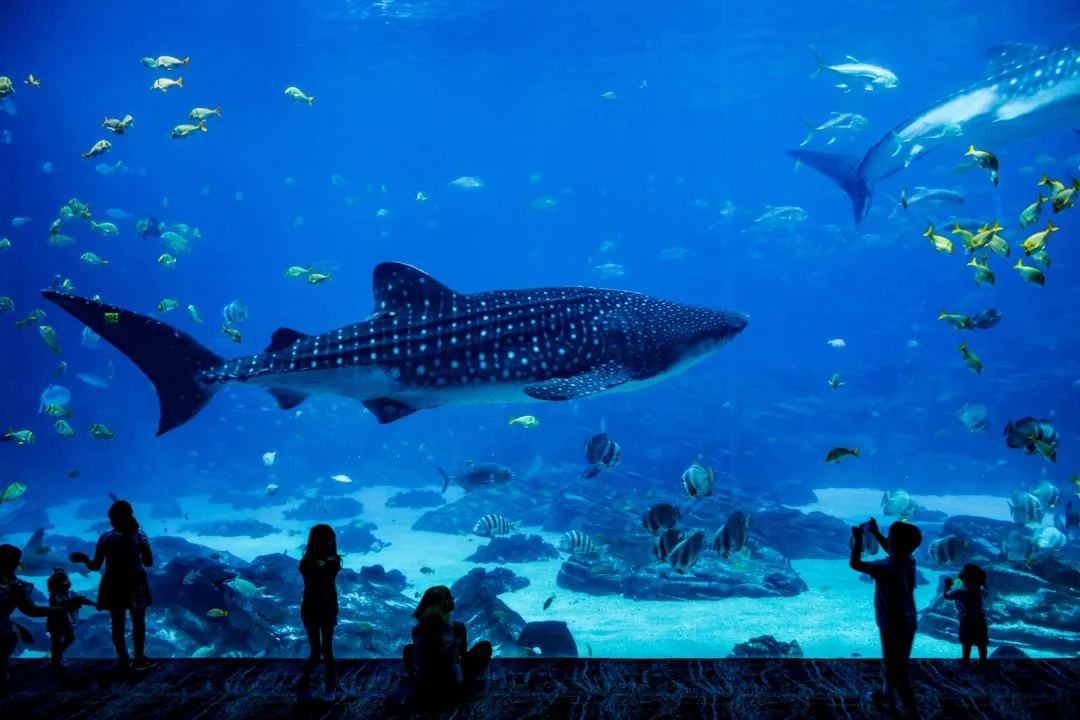
Timed ticketing helps reduce crowding and wait times and enhances the overall experience. Many of the country’s major aquariums now use this approach to spread visitor flow across the day. Rather than a midday surge, arrivals are staggered, which means even peak-hour windows feel more manageable than they did a decade ago.
Georgia Aquarium uses a timed entry system to reduce crowds and limit congestion, assigning visitors a specific entry time for a smoother and more comfortable visit. Timed entry manages guest density throughout the day, reducing overcrowding at popular exhibits, with visitors selecting a 30-minute arrival window that spreads attendance more evenly. It’s a meaningful shift from the old walk-in model.
The School Field Trip Factor and How to Use It

In the most recent AZA survey in 2024, member zoos and aquariums reported that 7.1 million individuals were reached through field trips, outreach programs, and education resources targeted to K-12 students. That’s a remarkable number, and it helps explain why aquarium mornings feel so overwhelmingly busy on school days. Those groups are large, loud, and move quickly through exhibits.
Arriving in the later evening helps you avoid school groups on their field trips, as these typically happen on weekday mornings. Once you understand the rhythm of school group arrivals and departures, the logic of a post-1 p.m. weekday visit becomes obvious. You’re not fighting the schedule; you’re simply working with it.
Crowding Affects More Than Just Comfort

One review highlights peak densities that can exceed 50 visitors per 100 square metres in popular displays, which signals potential overcrowding and lower satisfaction. Beyond the frustration of jostling for a view, high crowd densities genuinely affect how much people absorb from what they’re seeing. A tank you can observe quietly for two minutes teaches you far more than one you glance at while being moved along.
Research at zoo aquarium facilities showed that in five out of six exhibits, visitors were more likely to stop and watch during the morning than in the afternoon. That’s an interesting nuance: morning visits, despite being busier overall, still produced more engaged behavior at the exhibit level. Timing clearly matters for what you get out of the experience, not just how many people are beside you.
Practical Takeaway: What the Timing Looks Like in Practice
The clearest pattern across aquariums large and small is this: Tuesday through Thursday, arriving either right at opening or after 1 p.m., during the months of September through November or January through February, outside of school holidays. For a more relaxed experience with shorter wait times, visiting on weekdays, especially after 3 PM, is consistently recommended by aquarium staff.
Book your ticket online in advance with a timed slot if the aquarium offers one. Many institutions limit the number of guests inside at any one time, and the best way to guarantee entry for your group is to purchase tickets online in advance. A small amount of planning genuinely transforms what you encounter inside.
The Reward for Timing It Right
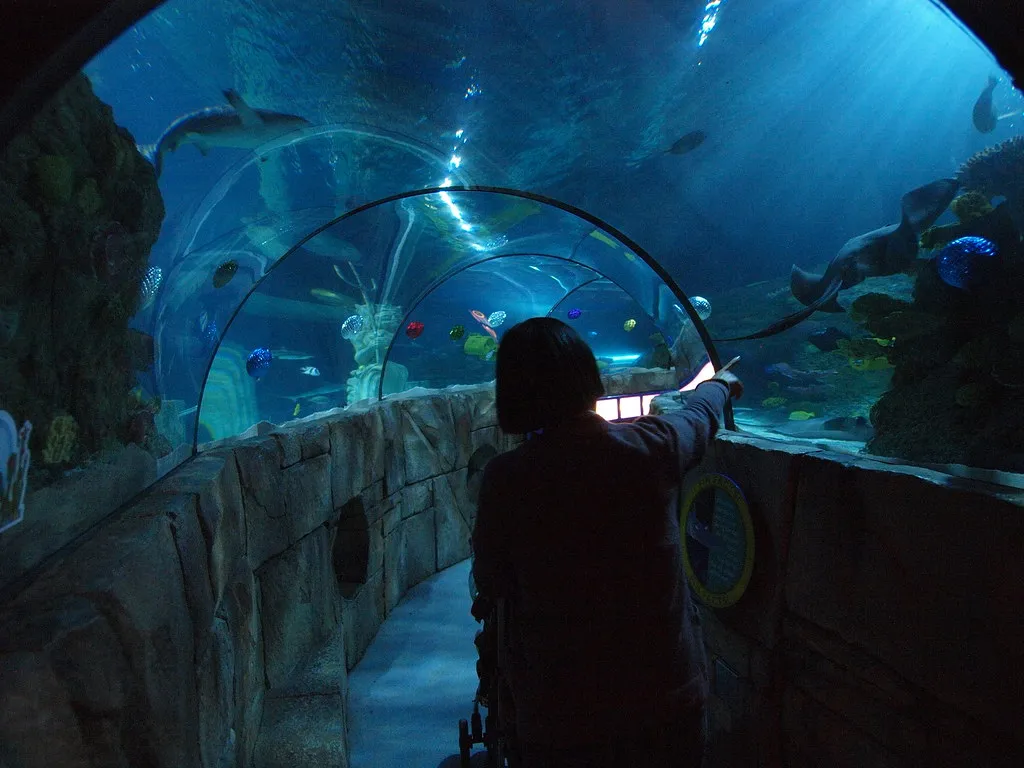
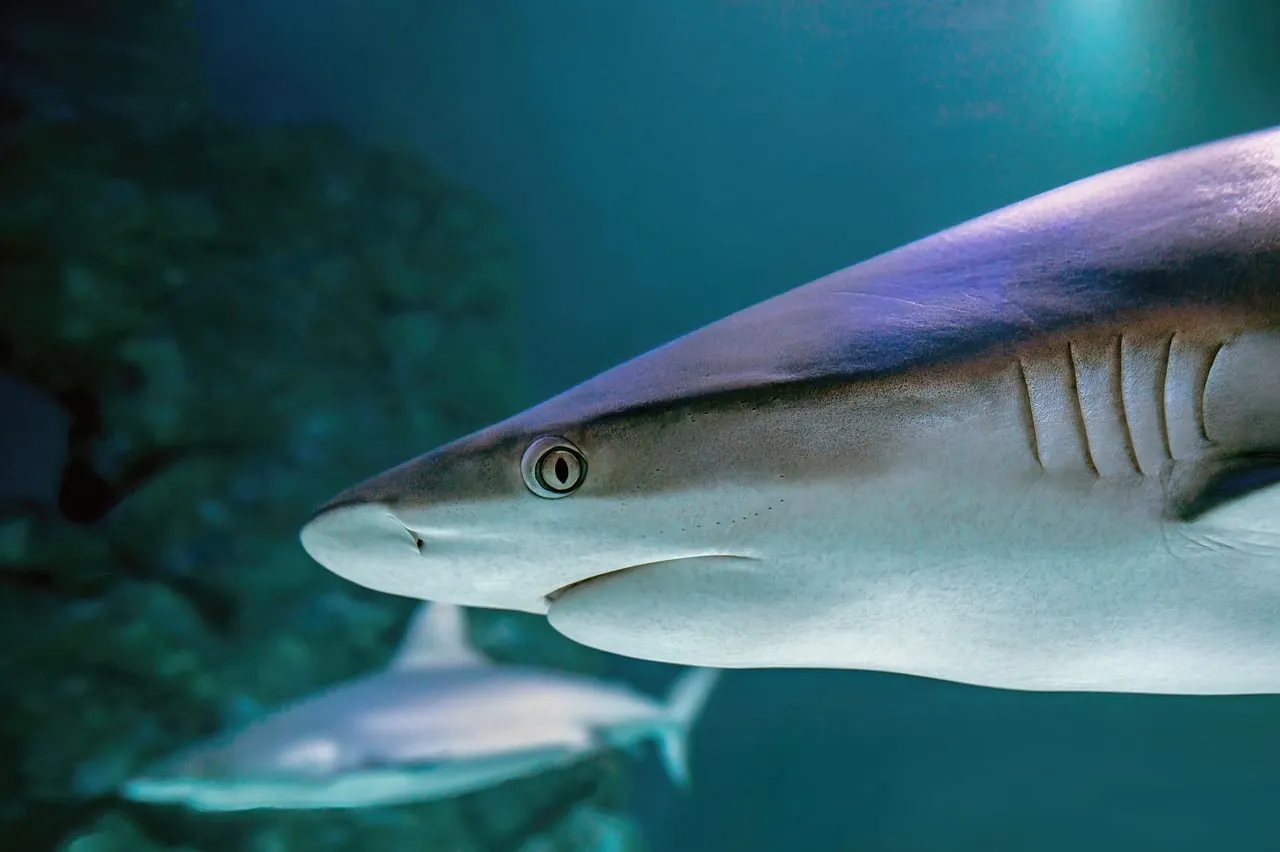
There’s an unhurried quality to a quiet aquarium that simply can’t be replicated during peak hours. When there’s space to slow down, visitors notice things they’d otherwise miss: the way a reef shark turns at the edge of the tank, the odd social behavior of a school of fish near the glass, the texture and color of coral that disappears into background noise when twenty people are pressing forward beside you.
The staff who work these spaces every day know this better than anyone. They’ve seen both versions of a visit, and the advice they keep passing on comes from genuine observation. Go on a Tuesday afternoon in October, arrive when the doors open or after the school buses have left, and you’ll likely find the aquarium that most visitors never get to see.
AI Disclaimer: This article was created with the assistance of AI tools and reviewed by a human editor.