
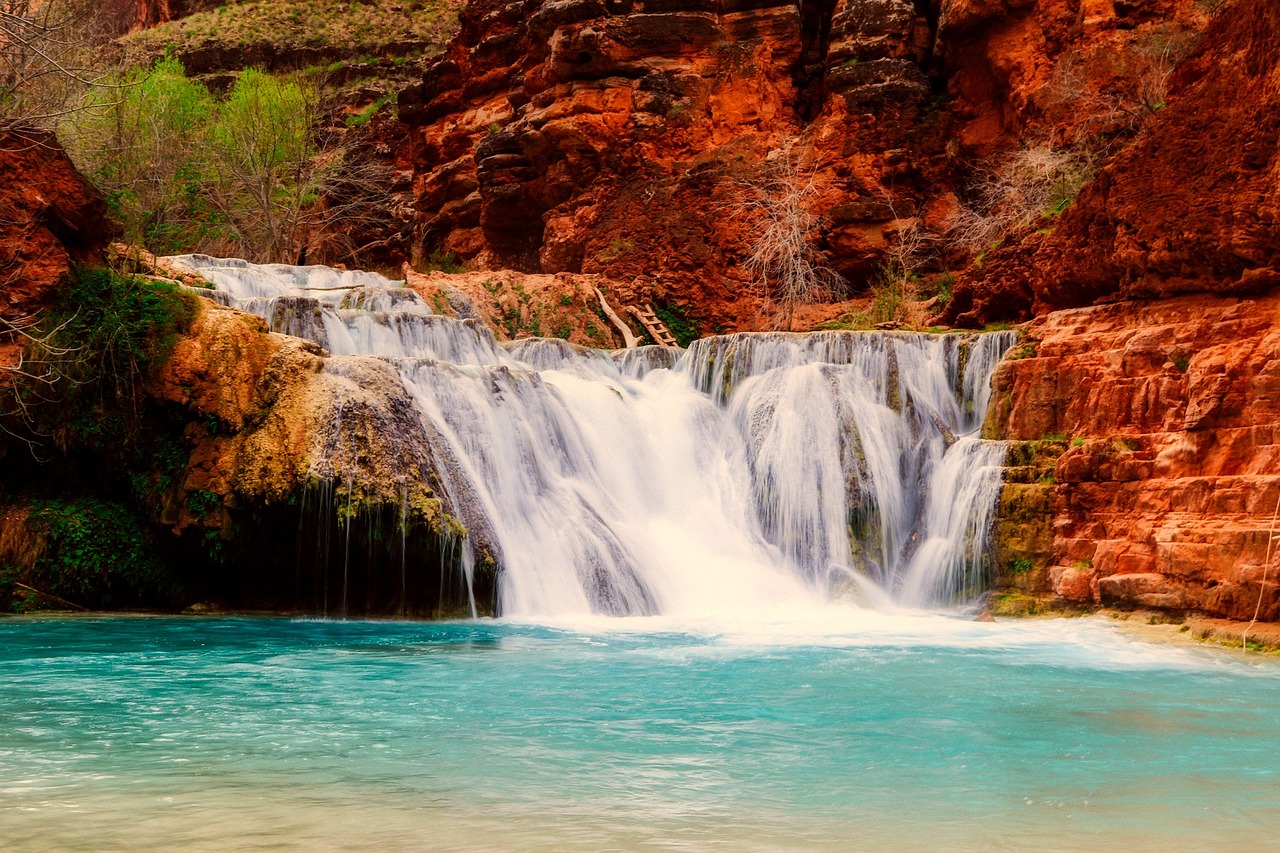

When people picture Arizona, they tend to picture heat. Red dust, spiny saguaros, and a sun that feels less like warmth and more like a standing argument. What they rarely picture is turquoise water cascading over limestone ledges in a canyon so lush it stops you mid-step. Yet that is exactly what a growing number of visitors are finding, trading the scorched valley floor for something far cooler and far more surprising.
The Arizona Office of Tourism confirmed that visitor spending in the state reached $29.7 billion in 2024, exceeding previous years and reflecting both higher visitor volumes and higher spending per person. Within that broader surge, a clear pattern is emerging: travelers aren’t just coming for the classic landmarks. While iconic sites like Grand Canyon National Park continue to draw crowds, the data reveals that Arizona is benefiting from a more diverse travel portfolio. Waterfall destinations are a growing part of that story.
Fossil Creek: Arizona’s Spring-Fed Showstopper
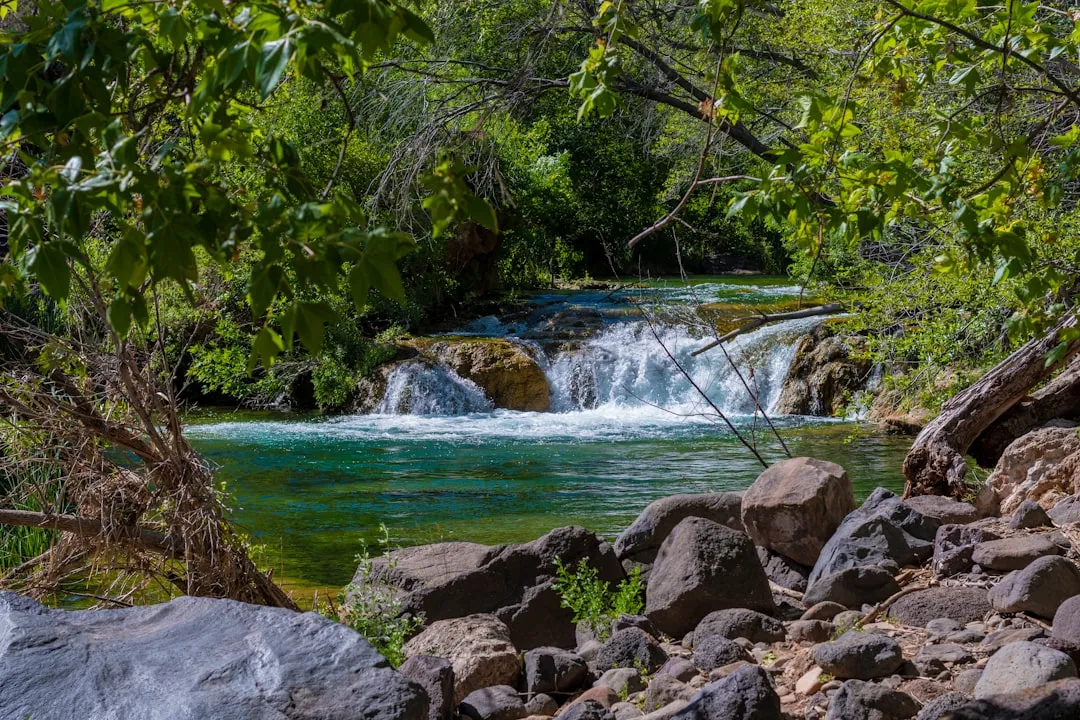
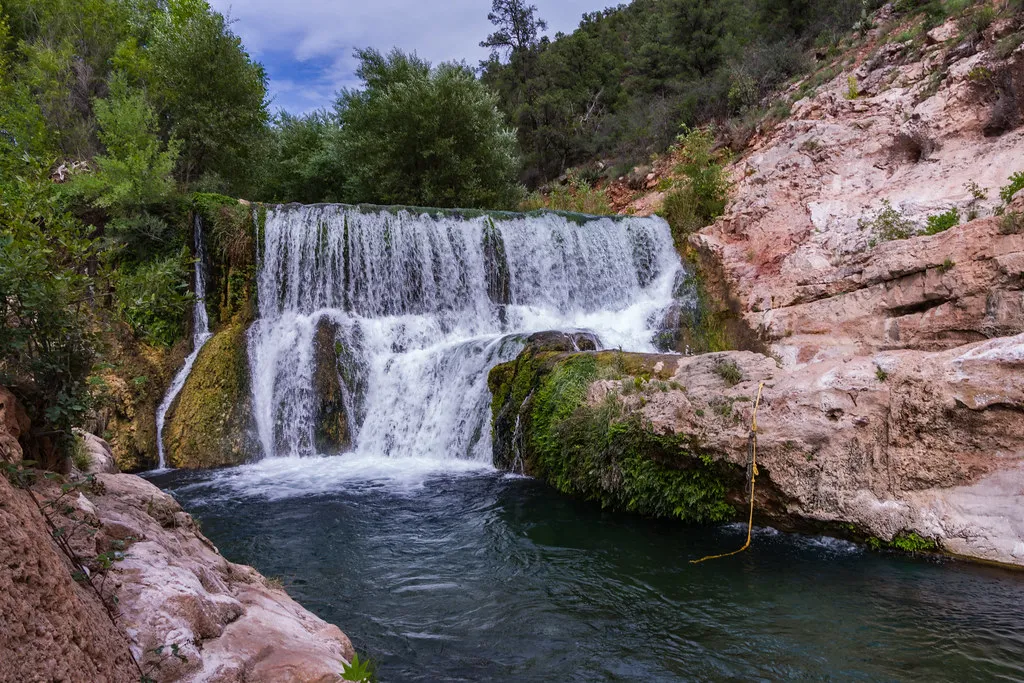
Fossil Creek is the kind of place that makes you question everything you thought you knew about Arizona. Tucked into a canyon in the Mogollon Rim region, this spring-fed waterfall pumps out around 20,000 gallons of crystal-clear water per minute at a steady 68 degrees year-round.
The striking blue-green color of the water is 100% natural, a result of calcium carbonate deposits that give it a distinctive Caribbean-like hue. The waterfall itself is genuinely swimmable. It drops about 25 feet into a deep pool, and on hot summer days, the constant cool water temperature feels like a reward for the effort it took to get there.
Native species like the headwater chub and roundtail chub have returned to the creek, making it one of the few places in Arizona where you can swim alongside native fish in their natural habitat.
The Permit System Keeping It Protected

For the 2026 spring and summer season, a printed permit is required for parking at all creek-side sites and trailheads, with reservations made in advance through Recreation.gov. These reservations are required for the Fossil Creek permit area from April 1 through October 1.
As of May 2026, the Coconino National Forest expanded access so that Fossil Creek is now open to permit-holders seven days a week for the rest of the 2026 permit season. That’s a meaningful change: previously, the site was restricted to weekends only.
The permit allocation process has also been updated, with fewer permits sold one month in advance and more permits available two days before a visit, creating better odds for those hoping to book a last-minute trip. Maximum group size is 12 people, and the minimum age of a permit holder is 18.
Havasu Falls: The Crown Jewel of Arizona’s Canyon Waters
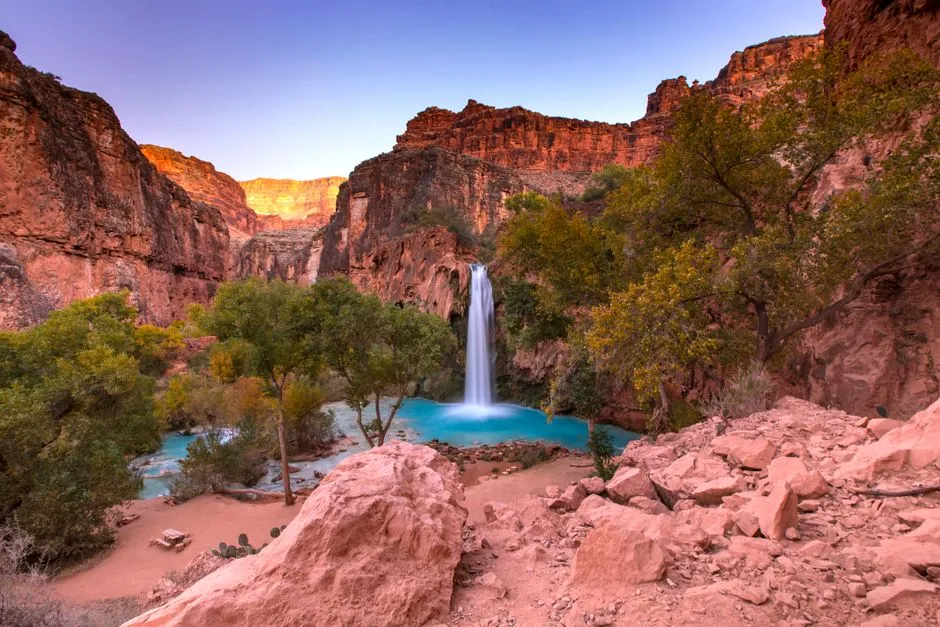
Located in the Grand Canyon on the Havasupai Indian Reservation, Havasu Falls is a breathtaking sight with its turquoise waters set against red canyon walls. This 100-foot waterfall is famous for its vivid blue-green pools, created by high mineral content.
In 2024, the US tourism sector saw millions of visitors flocking to destinations like the Grand Canyon and Havasu Falls. Havasu Falls alone attracts over 30,000 visitors annually, with permits becoming more competitive by the year.
Havasu Falls lies at the end of a strenuous 10-mile trek from Hualapai Hilltop into a remote section of the Grand Canyon. A permit, which costs $455 per person, is required and grants access to the Havasupai Indian Reservation for a four-day, three-night stay. Permits typically go on sale on February 1 for the forthcoming travel season, which runs through November.
The Havasupai: Guardians of the Blue-Green Waters
The Havasupai people have lived in the Grand Canyon for at least the past 800 years. Their name means “people of the blue-green water,” referring to Havasu Creek, a tributary of the Colorado.
In 1882, the United States federal government forced the tribe to abandon all but 518 acres of its land. In 1975, the tribe succeeded in regaining approximately 185,000 acres of their ancestral land with the passage of the Grand Canyon National Park Enlargement Act. That legal victory was one of the most significant land returns in the history of Indigenous rights in the United States.
Today, the tribe carefully balances tourism, their primary economic driver, with cultural preservation and environmental protection. Their remote location has both preserved their traditional ways while presenting unique challenges for healthcare, education, and economic development. The distinctive blue-green waters of Havasu Creek continue to be central to both their identity and their modern economy.
Mooney Falls: The Waterfall That Tests Your Nerve
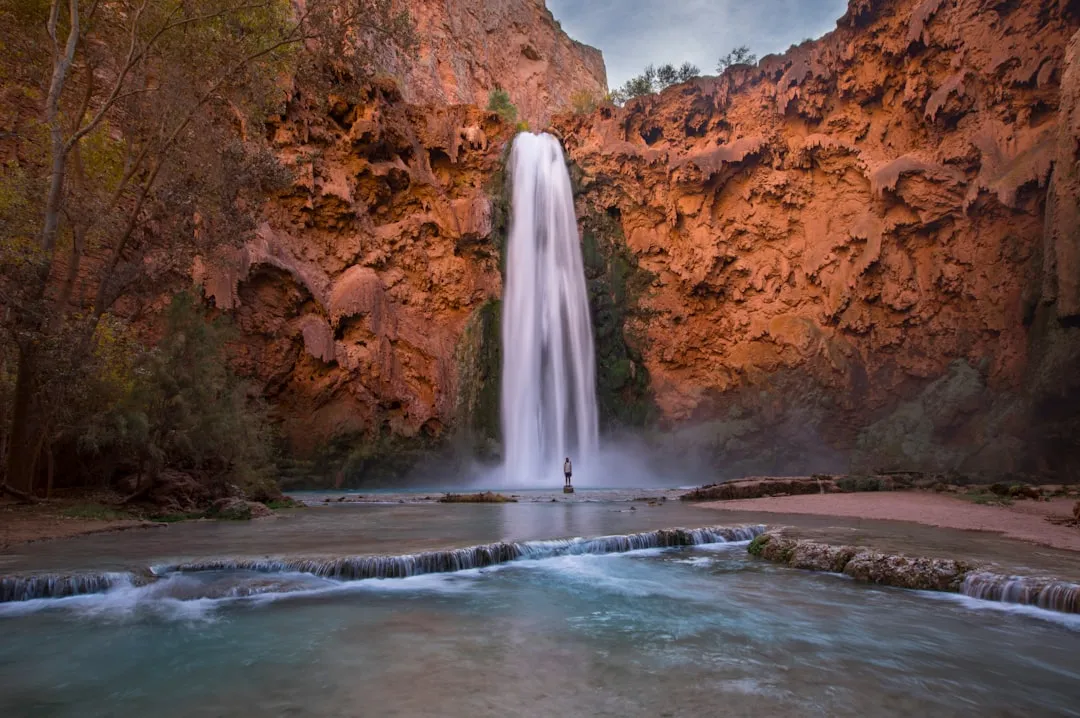
Standing at roughly 200 feet, Mooney Falls is taller than Havasu Falls and carries a raw, primal energy that feels completely different from its more famous neighbor just upstream. Also located within the Havasupai lands, it’s the kind of waterfall that makes your knees go a little wobbly.
Visitors must navigate a series of hand-carved tunnels, iron chains bolted into the cliff face, and slippery rock steps that demand both courage and careful footing. It is not for anyone who struggles with heights, but those who make it down are rewarded with a pool that feels like a hidden world.
This majestic 196-foot waterfall plunges into a beautiful pool below, and the hike down involves descending a series of steep ladders and narrow tunnels carved into the cliffside. However, the adrenaline and the sheer beauty of the falls make it a thrilling adventure worth the careful descent.
Beaver Falls: The Reward at the End of Everything
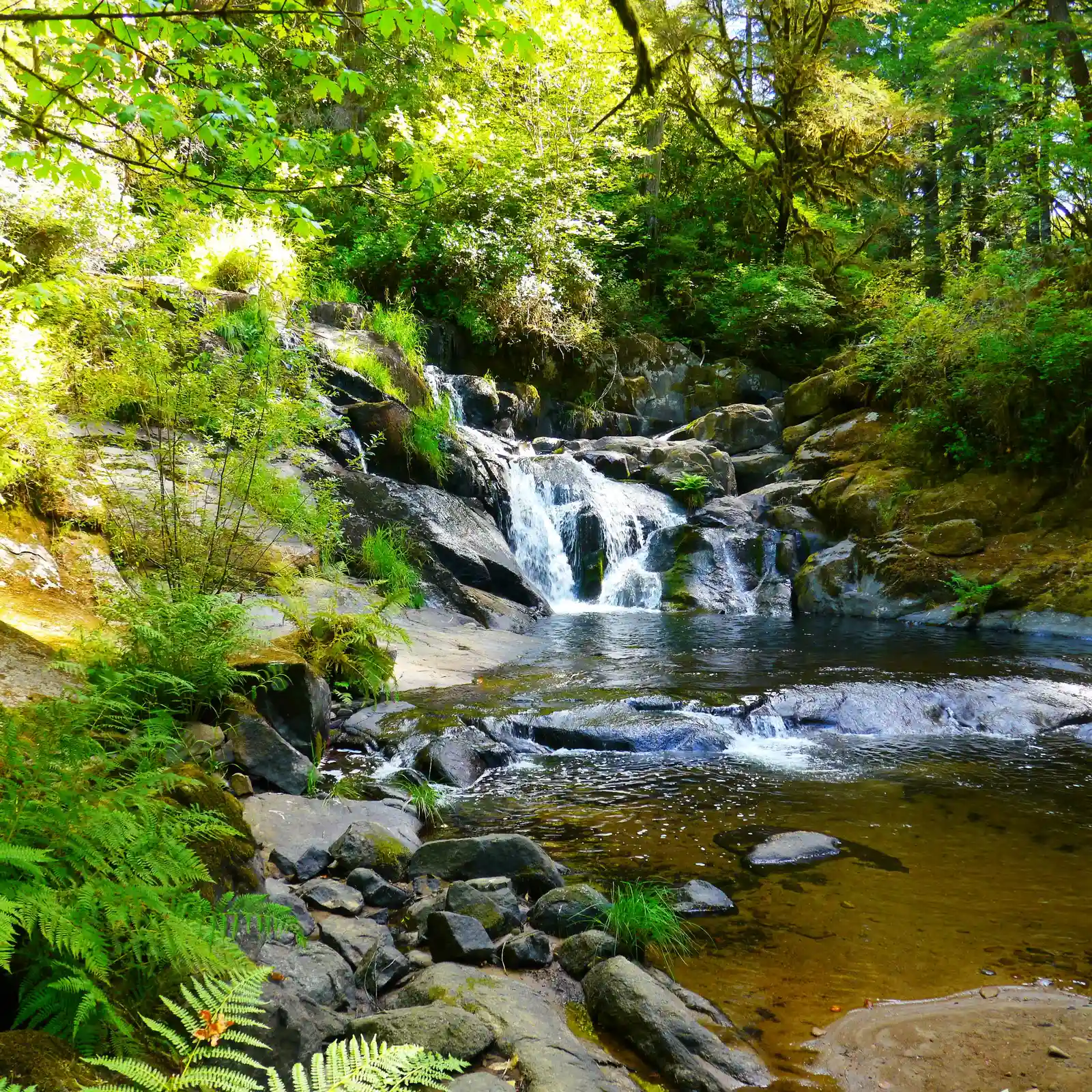
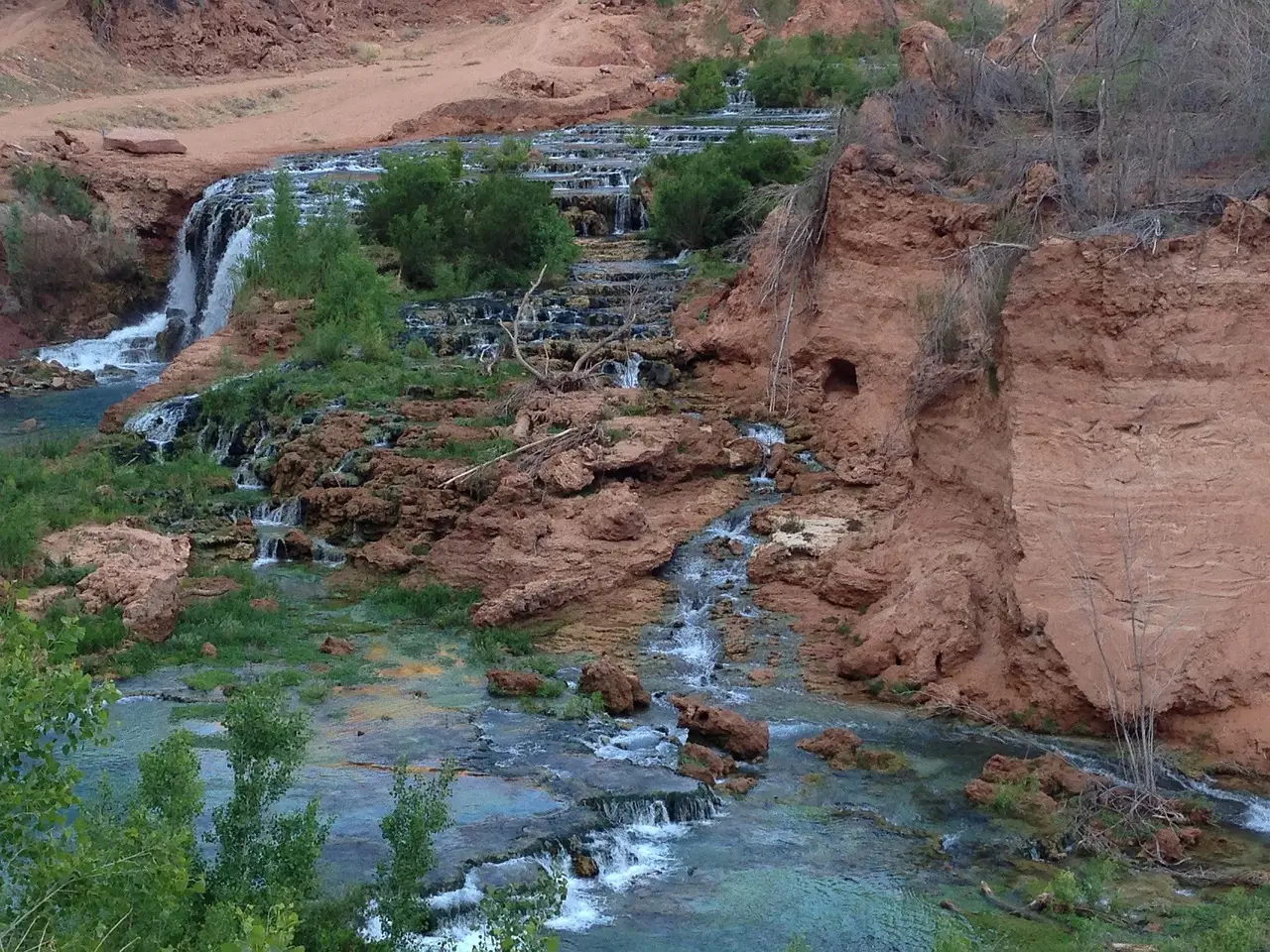
Beaver Falls is the third waterfall in Havasupai. You have to climb down Mooney Falls and continue hiking a few more miles to reach it. It’s a multi-tiered, flat waterfall, unlike anything else in the state.
After about 12 miles of hiking, you arrive at a sprawling vista of clear water, tall cliffs, and overhanging trees. Beaver Falls is a haven of turquoise pools over limestone. Even in the high season, there is enough space that you can find a quiet moment in relative solitude.
This natural spot is known for its multi-tiered structure and requires navigating ladders and rocks to reach. The effort keeps the crowds thinner than at Havasu Falls itself, which is part of its quiet appeal.
Seven Falls in Sabino Canyon: Tucson’s Accessible Wonder
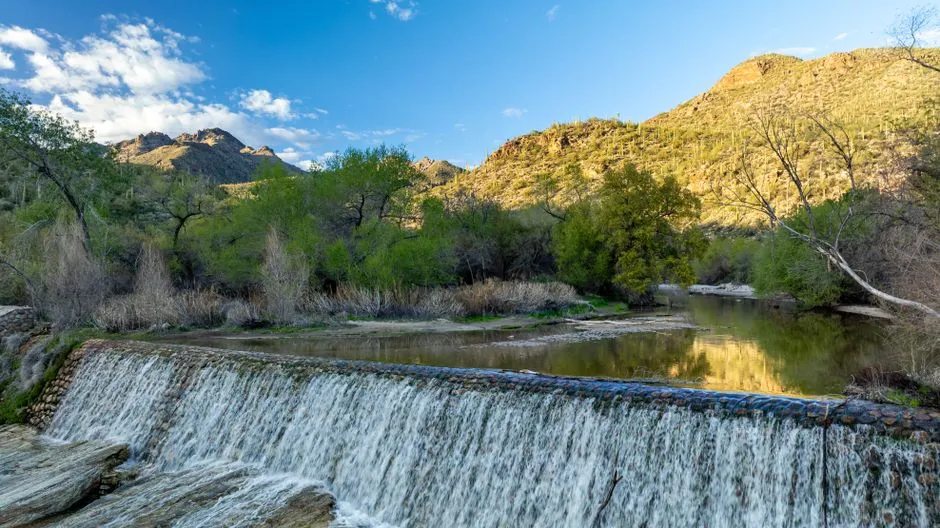
The most popular waterfall by trail traffic in Arizona is Seven Falls, a cascade that tumbles down stone steps inside Sabino Canyon. Reaching these falls involves multiple stream crossings and leads to inviting pools.
This popular trail in Tucson rewards hikers with seven stunning waterfalls and a refreshing swimming hole at the end. It’s far more accessible than the remote canyon destinations to the north, making it a strong option for families or visitors with limited time.
Nestled in Sabino Canyon, Seven Falls features a series of waterfalls and interconnected pools, and the hike through the canyon offers breathtaking views before the rewarding dip at the end. Unlike the Havasupai sites, no overnight permit or long backcountry planning is required.
What the Road to Fossil Creek Actually Looks Like
To access the eight parking lots in the Fossil Creek canyon, visitors must use Forest Road 708 from Highway 260 near Camp Verde. This 14-mile dirt road is very rough, so a high-clearance vehicle is highly recommended.
Fossil Creek is an easy day trip from Phoenix, Flagstaff, or Sedona. From Phoenix, Camp Verde is 90 miles north and the drive takes about 1.5 hours. That puts one of Arizona’s most extraordinary natural spots within reach of most visitors without requiring an overnight stay.
Summer temperatures regularly exceed 100 degrees Fahrenheit on the trail, and cell phone coverage is unreliable. Visitors must come prepared for being out a full day, with at least a gallon of water per person, sturdy footwear, and good physical fitness.
The Ecology Behind the Color
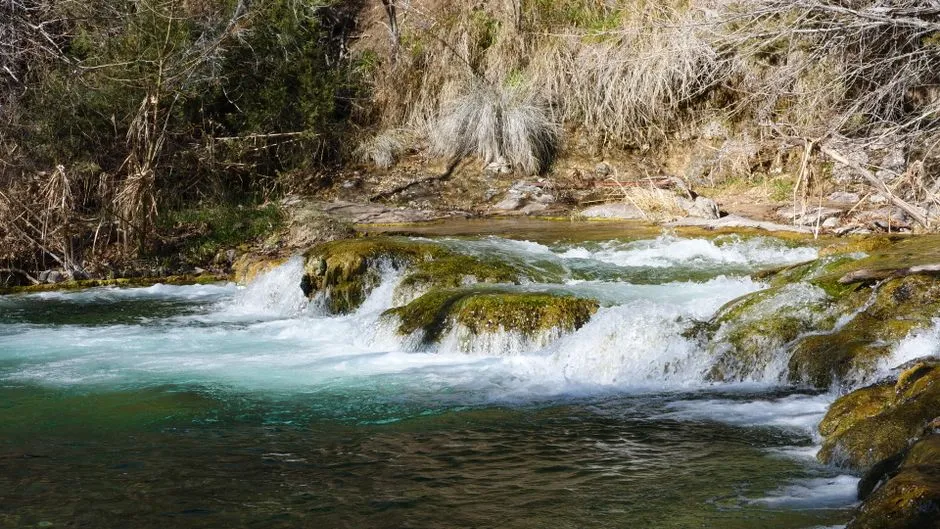
Nestled within the Fossil Creek Wilderness, Fossil Creek Falls cascades gently into a large, picturesque pool ideal for swimming. The area requires a permit due to its popularity and ecological sensitivity. Visitors enjoy hiking, bird watching, and the unique travertine formations that create a natural oasis in the desert landscape.
The lushness of the riparian area strikes a sharp contrast to the dry and sparse desert vegetation that surrounds it. It’s this contrast, the abrupt shift from parched chaparral to dripping green canyon walls, that makes the experience feel almost theatrical.
Roundtail chub in Fossil Creek must be immediately released unharmed if caught, with catch-and-release only using artificial fly and lure with single barbless hooks. The fishery rules reflect how seriously the ecosystem restoration is taken here.
Traveling Responsibly in Sensitive Waterfall Zones
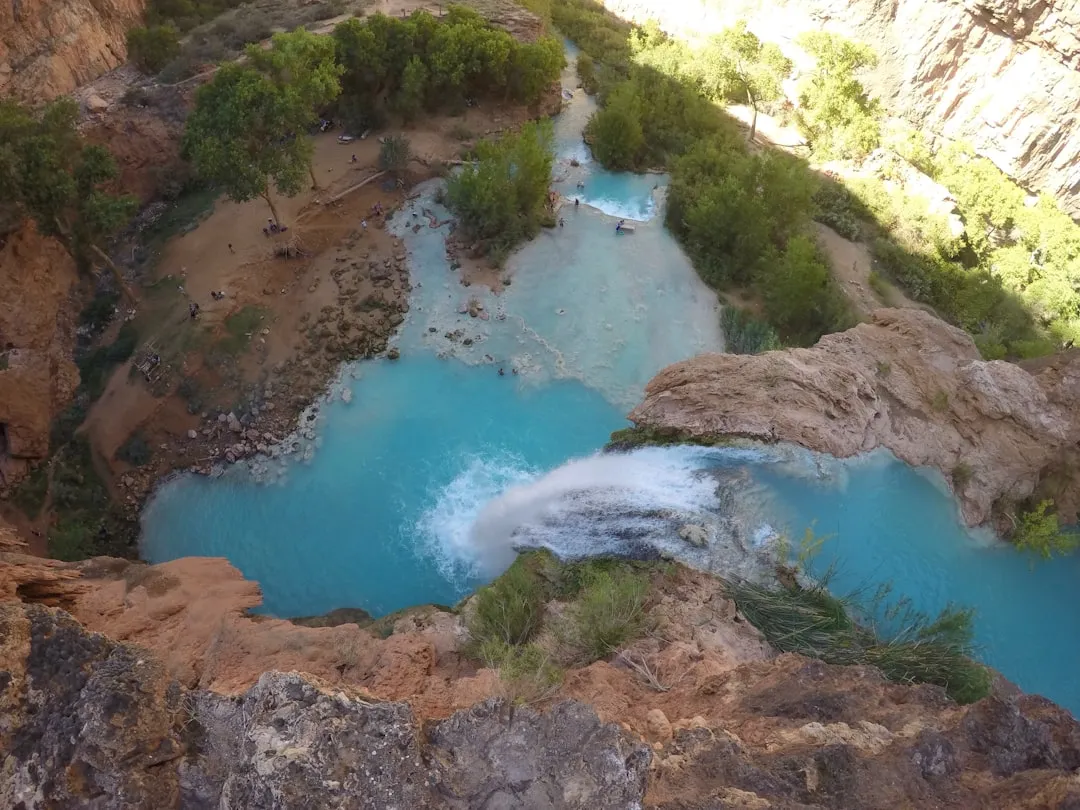
The Havasupai Tribe carefully manages access to their lands, requiring permits and limiting numbers to protect the canyon’s fragile ecosystem and cultural integrity. Havasupai guides and community members share aspects of their culture with visitors, from traditional basketry and crafts to narratives of their history.
The Arizona Office of Tourism, in collaboration with Leave No Trace and the Center for Outdoor Ethics, developed the AppreciateAZ program to promote sustainable tourism tactics and responsible recreation, advocating for visitation in a manner that won’t deplete Arizona’s environmental, economic, or cultural resources.
Fossil Creek has very few developed facilities, and visitors should come prepared for rustic and remote conditions. Bringing ample water, packing out all trash, and sticking to developed recreation areas are essential. Campfires and glass containers are prohibited in the Fossil Creek area, and camping in the permit area is prohibited from April 1 to October 1.
A Different Kind of Arizona Trip
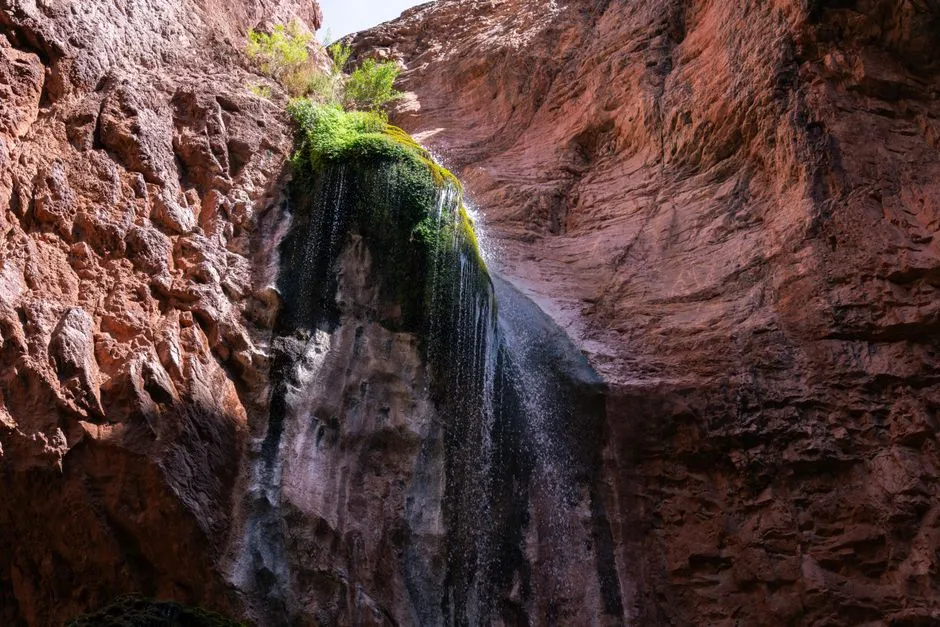
Arizona’s waterfall destinations ask something of the people who visit them: preparation, permits, respect, and physical commitment. That’s precisely what makes arriving at one of these places feel genuinely earned rather than simply purchased.
The cool pines of Payson and the Mogollon Rim offer visitors a respite from the heat, with beautiful lakes and waterfalls that represent a wholly different side of the state. Northern Arizona is home to some of the most accessible and surprisingly diverse waterfalls in the state, from towering seasonal cascades near Flagstaff to lush swimming holes hidden within the red rock canyons of Sedona.
The desert always gets the headline in Arizona. But the water is the story worth chasing. Whether it’s the mineral-rich pools of Havasu, the spring-fed flow of Fossil Creek, or the tiered cascades of Sabino Canyon, these hidden oases are a reminder that the most memorable travel experiences are rarely the ones that required the least effort to reach.
AI Disclaimer: This article was created with the assistance of AI tools and reviewed by a human editor.