

Athens – The transformation of a beloved 1960s modernist hotel into the Conrad Athens The Ilisian marks a notable chapter in the city’s hospitality landscape. Hilton completed the full reimagining of the former Hilton Athens property, which officially opened in April 2026 after careful attention to its architectural heritage and cultural significance. ([1])The result blends preserved history with contemporary refinement, creating a property that feels integrated into the daily rhythm of the Greek capital rather than set apart from it.
The Business of Renewal
Hilton’s decision to reposition the site as a Conrad property reflects a broader strategy of elevating established urban landmarks through targeted investment. The original structure, once frequented by figures such as Frank Sinatra and the Rolling Stones, carried decades of local affection and international recognition. By reducing the room count and expanding public spaces, the project addressed both operational efficiency and guest expectations for more generous accommodations in a dense European city. Stakeholders include long-time Athenian residents who valued the building’s presence, international travelers seeking elevated stays, and the wider tourism economy that benefits from distinctive new offerings. The timeline from announcement through the 2026 debut allowed for detailed restoration work that respected the original modernist lines while introducing updated materials and finishes. This measured approach demonstrates how legacy assets can be adapted without erasing their identity.
Setting and Immediate Surroundings
The hotel occupies a convenient position in the Ilisia district, placing it near the Athens National Gallery and within easy reach of upscale residential streets that lead toward Mount Lycabettus. Guests can reach the Acropolis area in roughly fifteen minutes by car, yet the immediate neighborhood avoids the heaviest concentrations of visitors found in more central historic zones. This balance supports both purposeful sightseeing and quieter moments of exploration on foot. The surrounding streets offer a mix of cultural institutions, local shops, and green spaces that encourage guests to engage with Athens beyond typical tourist circuits. Proximity to the gallery provides an immediate cultural anchor, while the climb to Lycabettus rewards visitors with sweeping views across the city and toward the sea. Such placement reinforces the property’s role as a base for thoughtful travel rather than a self-contained resort.
Rooms That Emphasize Space and Context
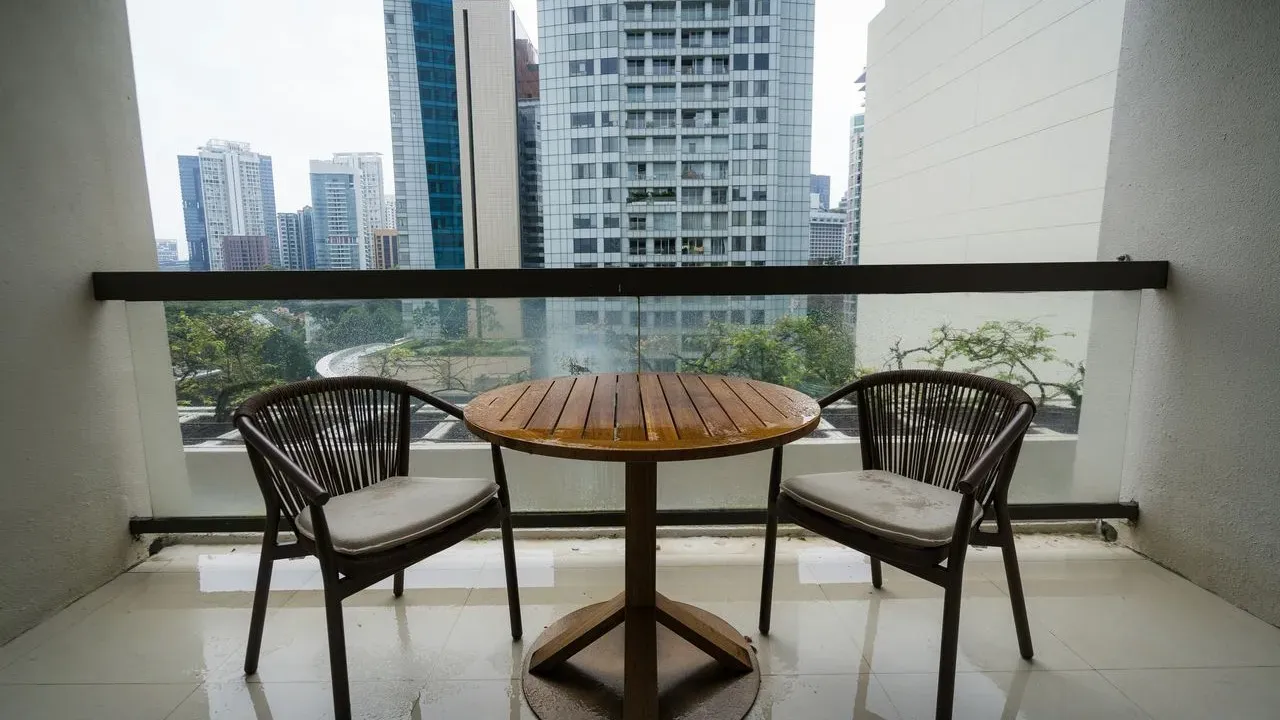
The reduction from the previous room inventory resulted in larger accommodations, with many suites exceeding seven hundred square feet. Interiors combine midcentury references with Greek design elements, using mixed fabrics, dark woods, and marble accents to create an atmosphere that feels residential rather than purely transient. Balconies in higher categories frame views of the Acropolis, integrating the city’s most recognizable landmark into the daily experience of staying there. Bathrooms feature separate soaking tubs, dual vanities, and premium amenities that align with the overall level of finish. Public areas throughout the hotel maintain a similar attention to detail, with art and furnishings that nod to both the building’s era and contemporary Greek creativity. The overall effect supports extended stays where comfort and context receive equal emphasis.
Dining That Draws on Local Strengths
Four distinct restaurants and lounges form the culinary program, each tailored to different moments of the day while highlighting regional ingredients. Byzantino blends Greek and French influences in a brasserie setting, with dishes such as strapatsada at breakfast and pastitsada in the evening. The Athenian Lounge offers refined bar fare with local touches, while Ancora Un Po’ provides a lighter, poolside atmosphere focused on seafood. Onuki introduces Japanese techniques and flavors in a setting that overlooks the pool, demonstrating deliberate curation rather than generic international options. Service across these venues maintains consistency and knowledge, allowing the quality of the food and the setting to stand out. Together these outlets illustrate how a single property can support varied guest preferences without relying on outside reservations for every meal. The Conrad Athens The Ilisian shows how a single development can honor a building’s past while meeting present-day expectations for comfort and connection to place.
AI Disclaimer: This article was created with the assistance of AI tools and reviewed by a human editor.