


Most of us look up at the full Moon and feel a quiet sense of awe. It fills the night sky, looks enormous, and has a way of making everything on Earth seem small by comparison. That impression, it turns out, is a little misleading when it comes to one particular continent sitting in the Southern Hemisphere.
. Not metaphorically, not roughly. Literally wider, measured side by side. It’s the kind of fact that seems impossible until you actually check the numbers, and then it changes how you see both things entirely.
The Numbers That Started It All
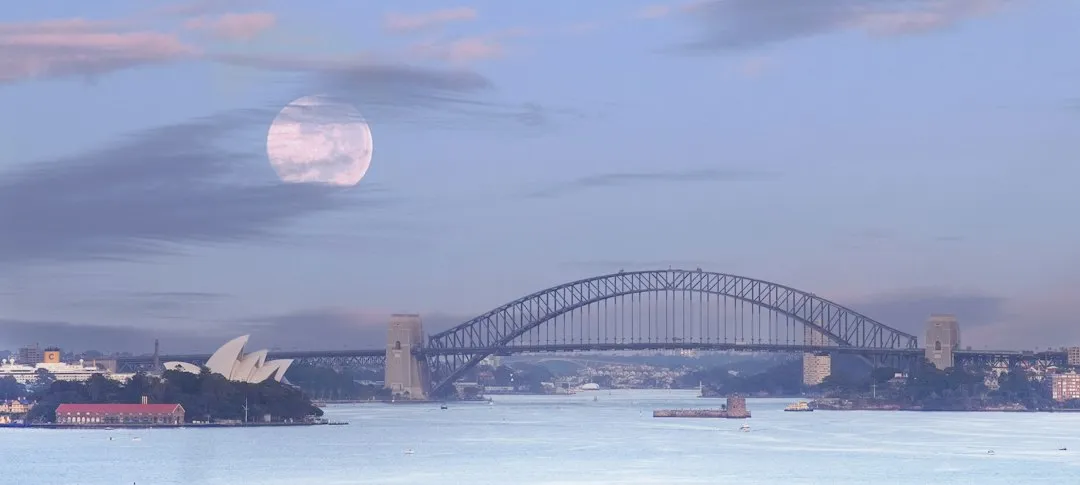
According to NASA, the Moon’s equatorial diameter is 3,476 km, whereas Australia’s width from east to west is almost 4,000 km. That’s a real, measurable gap, not a rounding trick. NASA states that the diameter of the Moon is approximately 3,475 kilometres, or 525 km less wide than Australia.
When those two numbers are placed side by side, the result is hard to shake. Australia is indeed wider than the Moon, but not by much. Still, the margin is genuine, and both NASA and Geoscience Australia stand behind it.
Where Australia’s Width Is Actually Measured
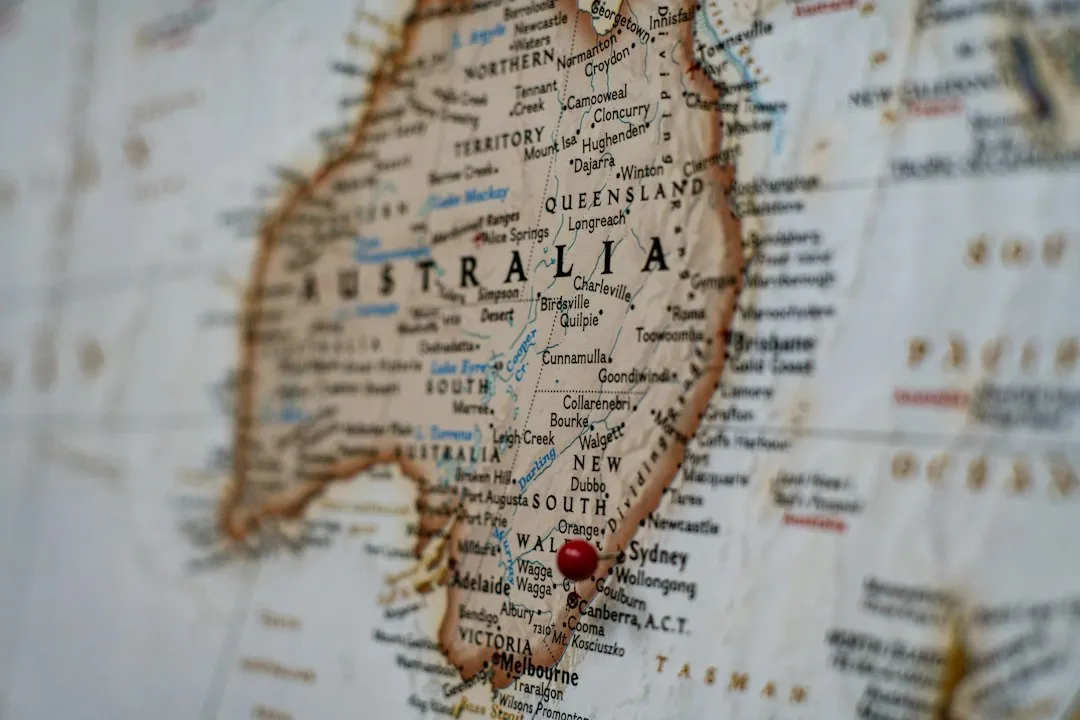
The widest point of mainland Australia, from Steep Point in Western Australia to Cape Byron in New South Wales, stretches approximately 4,000 kilometers. These are real geographic endpoints, not estimates smoothed over for convenience. The measurement follows the continent’s natural east to west span across the Australian landmass.
According to Geoscience Australia, an agency of the Australian Government that carries out geoscientific research, Australia is approximately 3,860 kilometres long from its most northerly point to its most southerly point in Tasmania, and is almost 4,000 kilometres wide, from east to west. So the width is actually the larger of the two dimensions.
What the Moon’s Diameter Actually Means
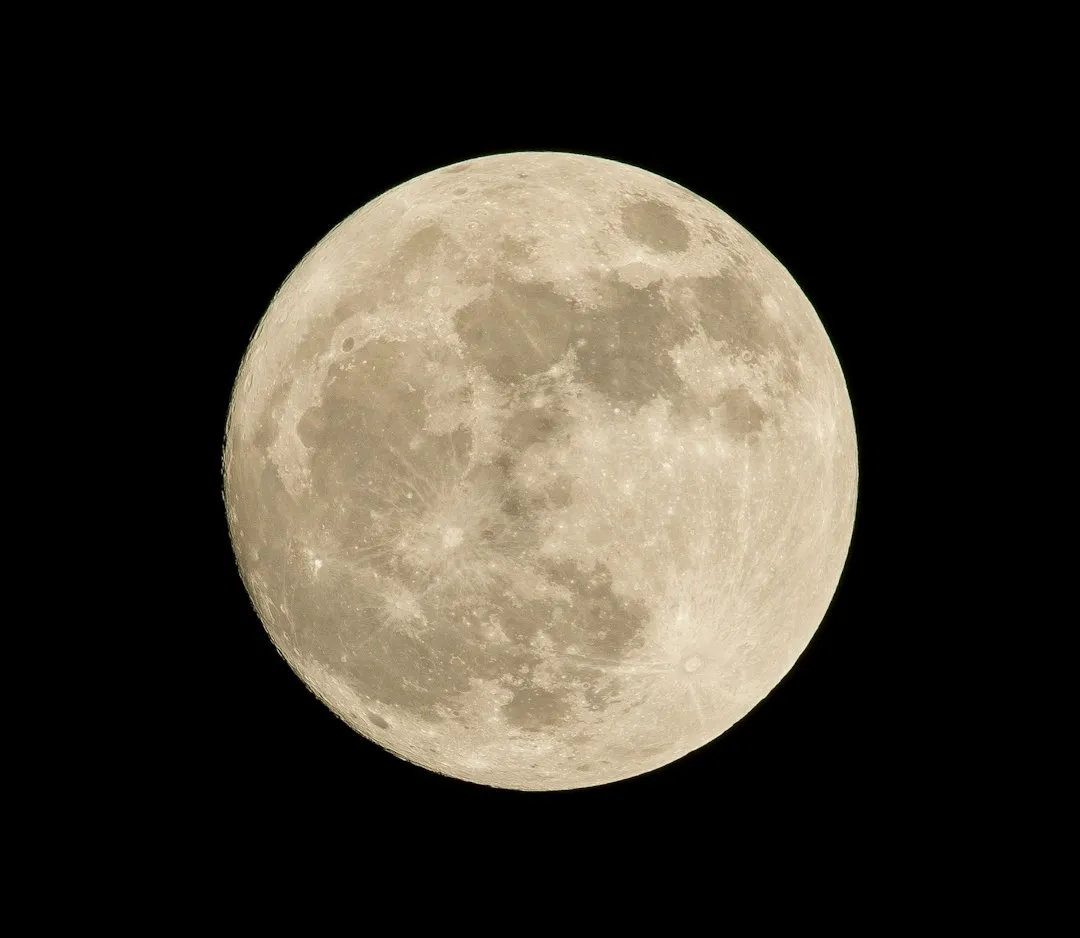
The Moon, like the Earth, isn’t a perfect sphere, so we measure its size by its mean radius, which is 1,079.6 miles (about 1,737.4 kilometers), with a mean diameter of 2,159.2 miles (about 3,475 kilometers), and an equatorial circumference of 6,783.33 miles (about 10,917 kilometers).
The Moon appears much larger than any other object in the night sky, but this is only because it is the closest celestial object to the Earth. In reality, the Moon has a diameter of 3,475 kilometers, which is about a quarter of the size of the Earth. Proximity creates the illusion of grandeur, which is part of why the Australia comparison feels so surprising.
The Surface Area Story Is Completely Different
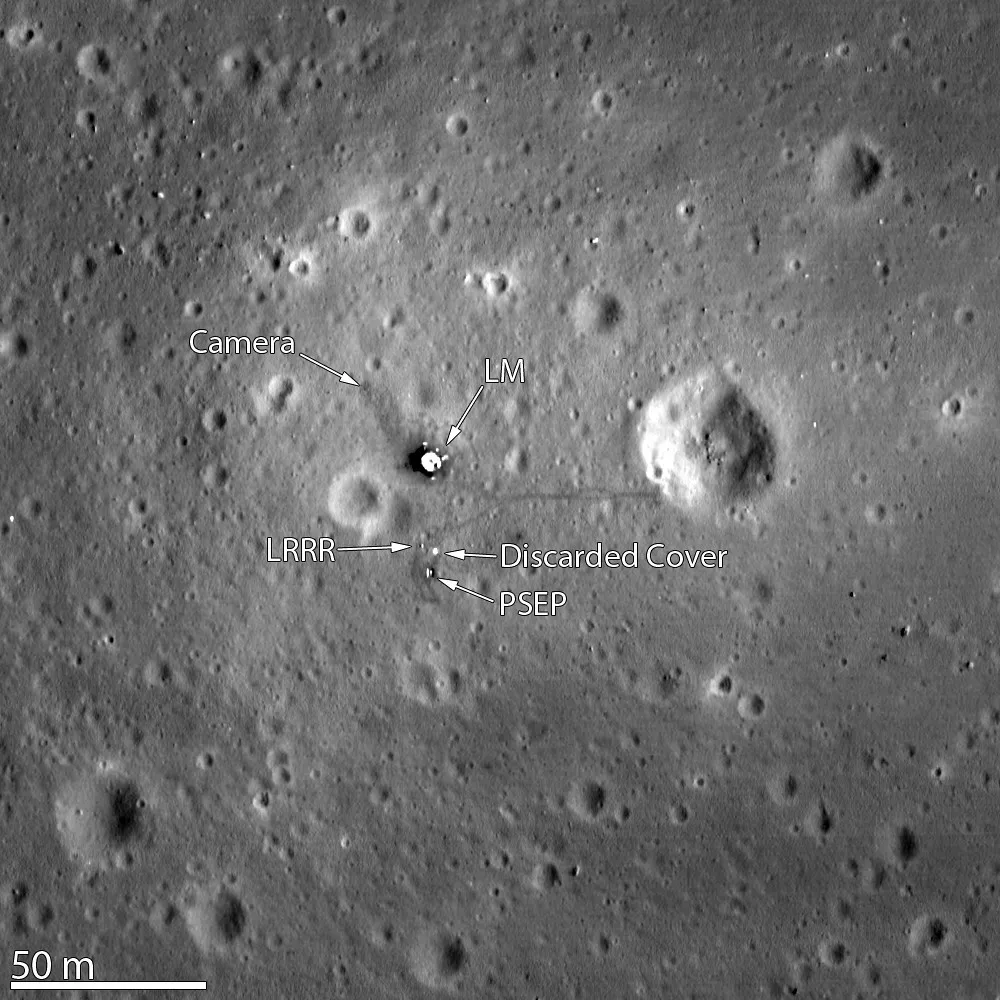
Width is only one way to measure size, and this is where the comparison takes an important turn. While Australia’s total land area is 7.69 million square kilometers, the Moon’s surface area is 37.94 million square kilometers. That’s a dramatic difference.
What the width comparison does not consider is surface area, with Australia being “flat” while the Moon is a spherical shape. Comparing surface areas, the Moon is far bigger: the surface area of Australia is approximately 7,617,930 square kilometres, while the Moon’s surface area is around 37,940,000 sq km, making it almost five times the size of Australia. The width comparison is real; it just tells one part of the story.
Why the Distinction Between Width and Area Matters
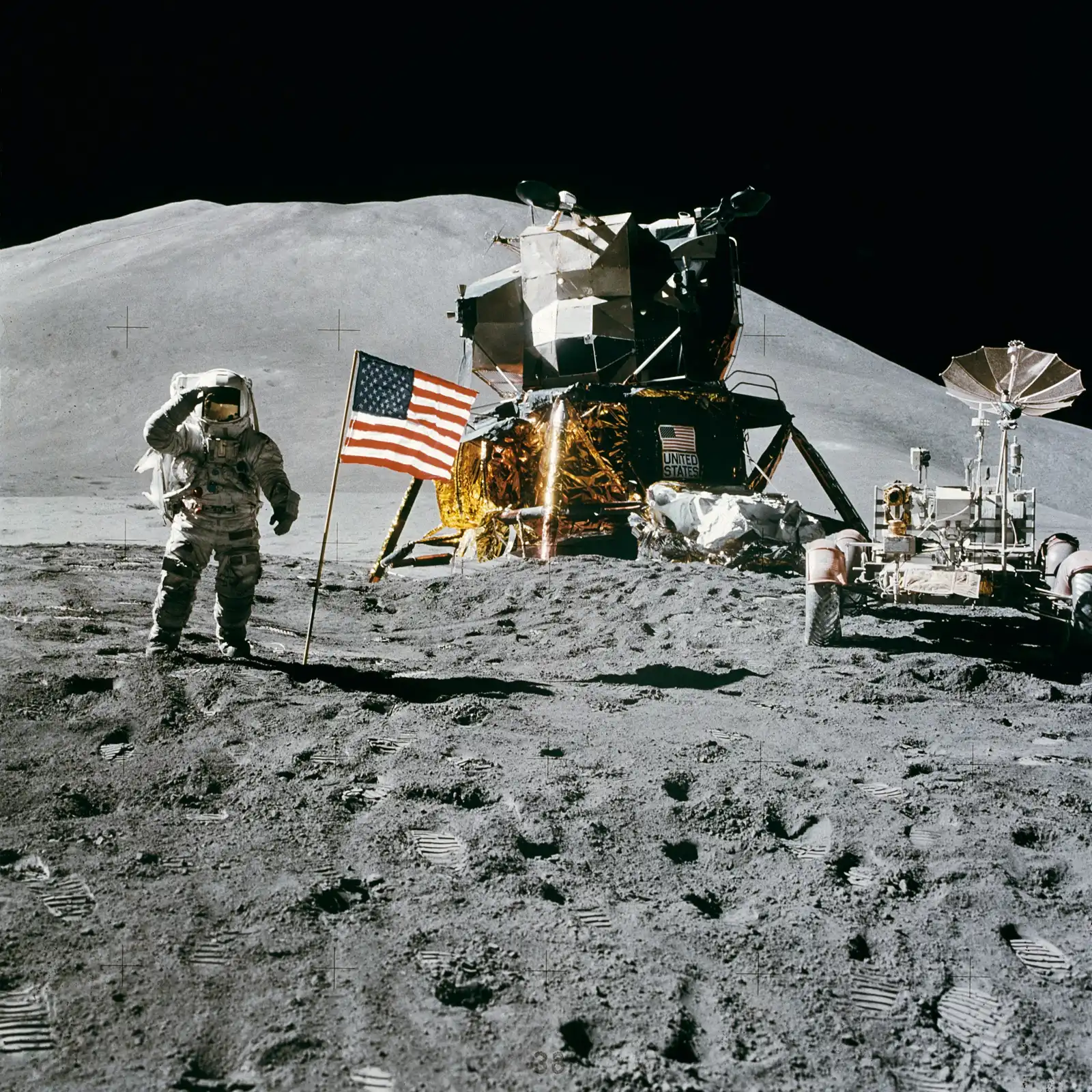
We need to consider that the Moon’s shape is spherical. A flat measurement across a continent and the diameter of a sphere are not directly equivalent comparisons, even if the numbers are honest. Australia is essentially a flat slice; the Moon wraps its surface area around a full three-dimensional body.
Think of it this way: if you cut a sphere through its middle and measured that circle, you’d get the diameter. But the outside of that sphere has far more total surface than a flat map with the same width. That’s the geometric reality sitting behind the Moon’s vastly larger surface area.
Australia’s Scale in Its Own Right
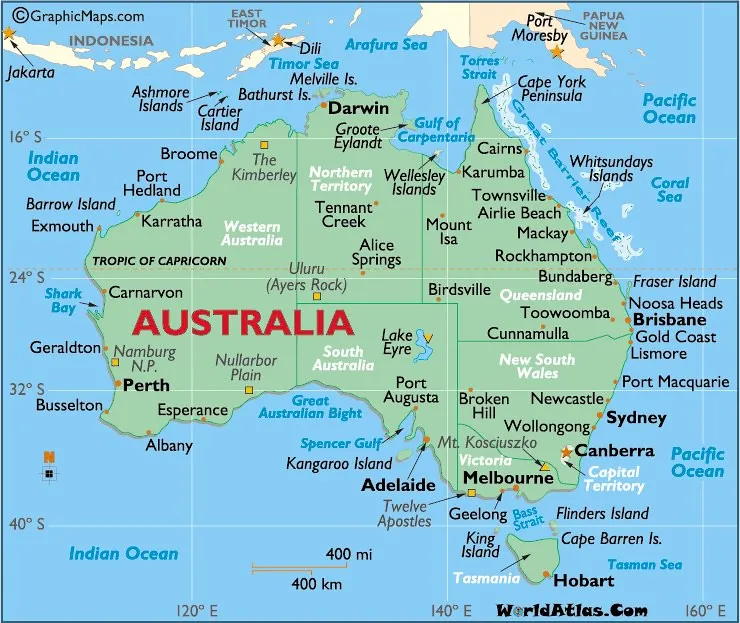
Australia is the planet’s sixth largest country after Russia, Canada, China, the USA, and Brazil. At 7,688,287 km², it accounts for just five percent of the world’s land area of 149,450,000 km², and is the smallest continental land mass. Despite being the smallest continent, it still holds its own in terms of raw dimensions.
The land area of Australia is almost as great as that of the continental United States of America, about twice the size of the European Union, and 32 times greater than that of the United Kingdom. For many visitors, the scale of Australia only really hits when they try to drive across it.
How Australia Compares to Other Familiar Widths
The width of the continental United States is about 4,506 kilometers when measured horizontally from the eastern seaboard to the west coast, compared to the Moon’s diameter of about 3,475 kilometers, so in terms of width versus diameter, the US is also bigger than the Moon. Australia sits between the two, narrower than the continental US but wider than the Moon.
The diameter of our Moon is far greater than the state of Texas, at 3,474 km; thus, the Moon is 2.8 times bigger than the state of Texas. So while the Moon comfortably dwarfs individual US states, it cannot out-stretch either the continental US or Australia from east to west.
The Moon’s Impressive Credentials Despite All This
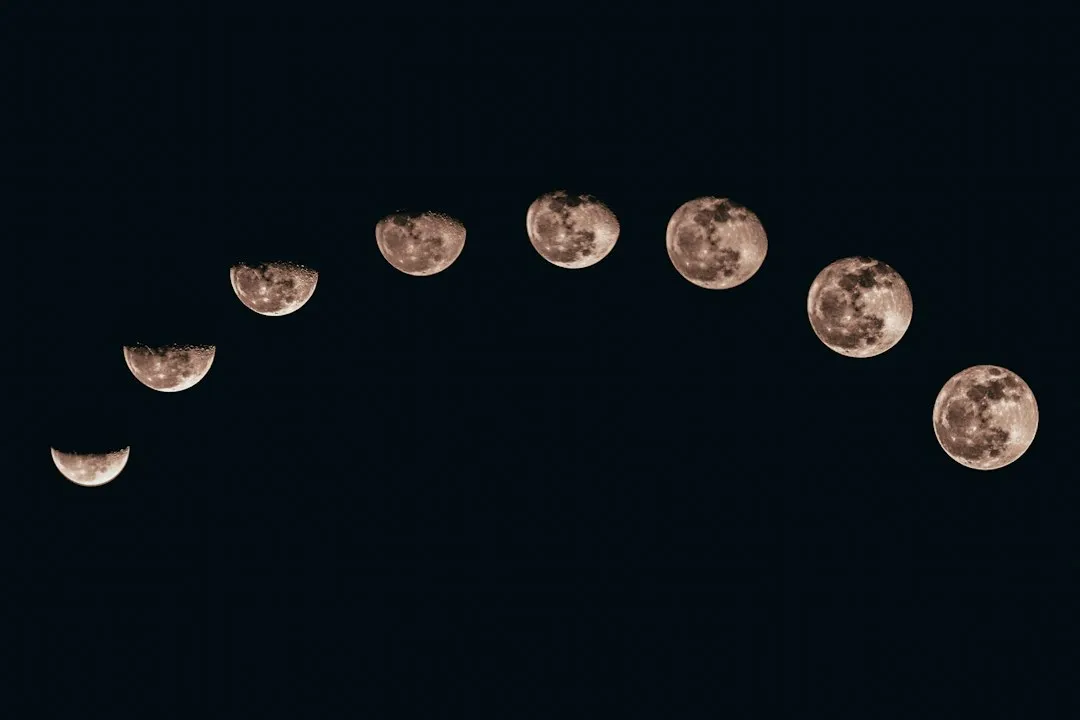
The Moon is a spherical rocky body with a mean equatorial radius of approximately 1,738 kilometers and a diameter of roughly 3,476 kilometers. It is no small object, and the comparison with Australia doesn’t diminish that. Its size is substantial enough to exert a strong gravitational influence on Earth, affecting tides and even the length of our days.
Our Moon is the largest relative to the size of its respective planet, which allows it to stabilize the Earth’s seasons. Few moons in the solar system can claim that kind of influence. The width comparison is a curiosity; what the Moon does for life on Earth is something far more substantial.
Why Our Perception of the Moon Is So Easily Fooled
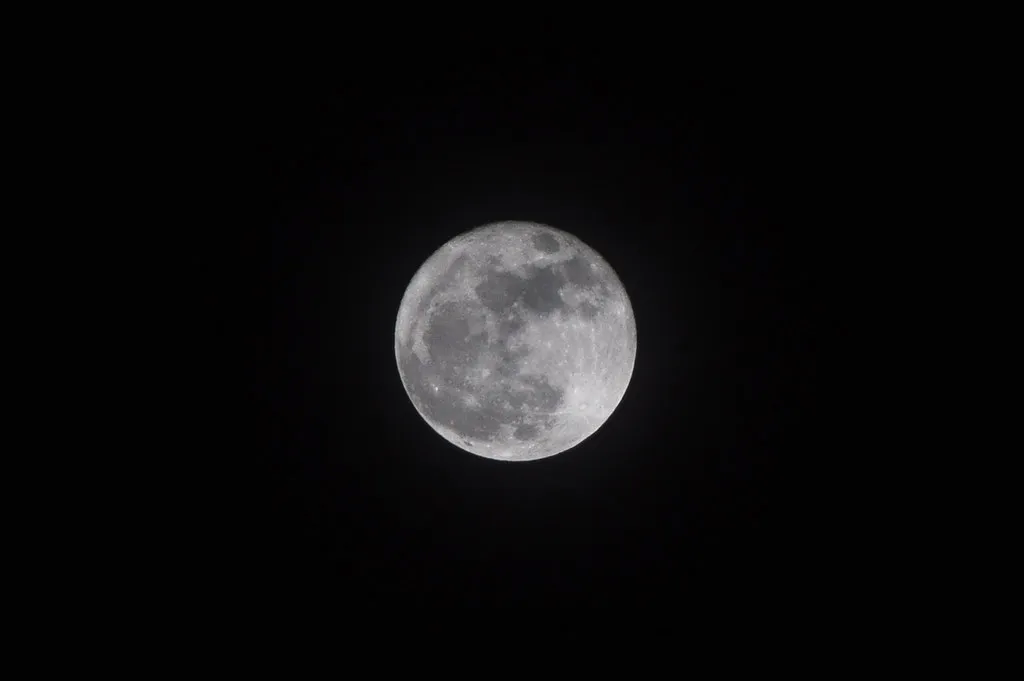
At first, the Moon may appear quite large, but that is only because it is our closest celestial body, approximately 238,855 miles (384,400 km) away on average. Closeness amplifies apparent size in a way that our instincts are not built to correct for. The Moon looks immense because nothing else in the night sky comes anywhere near as close.
A lunar distance, 384,399 km, is the Moon’s average distance to Earth. At that range, even a relatively modest object looks impressive. If you held Australia at the same distance, it would appear as a thin sliver, barely visible to the naked eye. Distance is a powerful visual distortion tool.
The ESA Weighs In
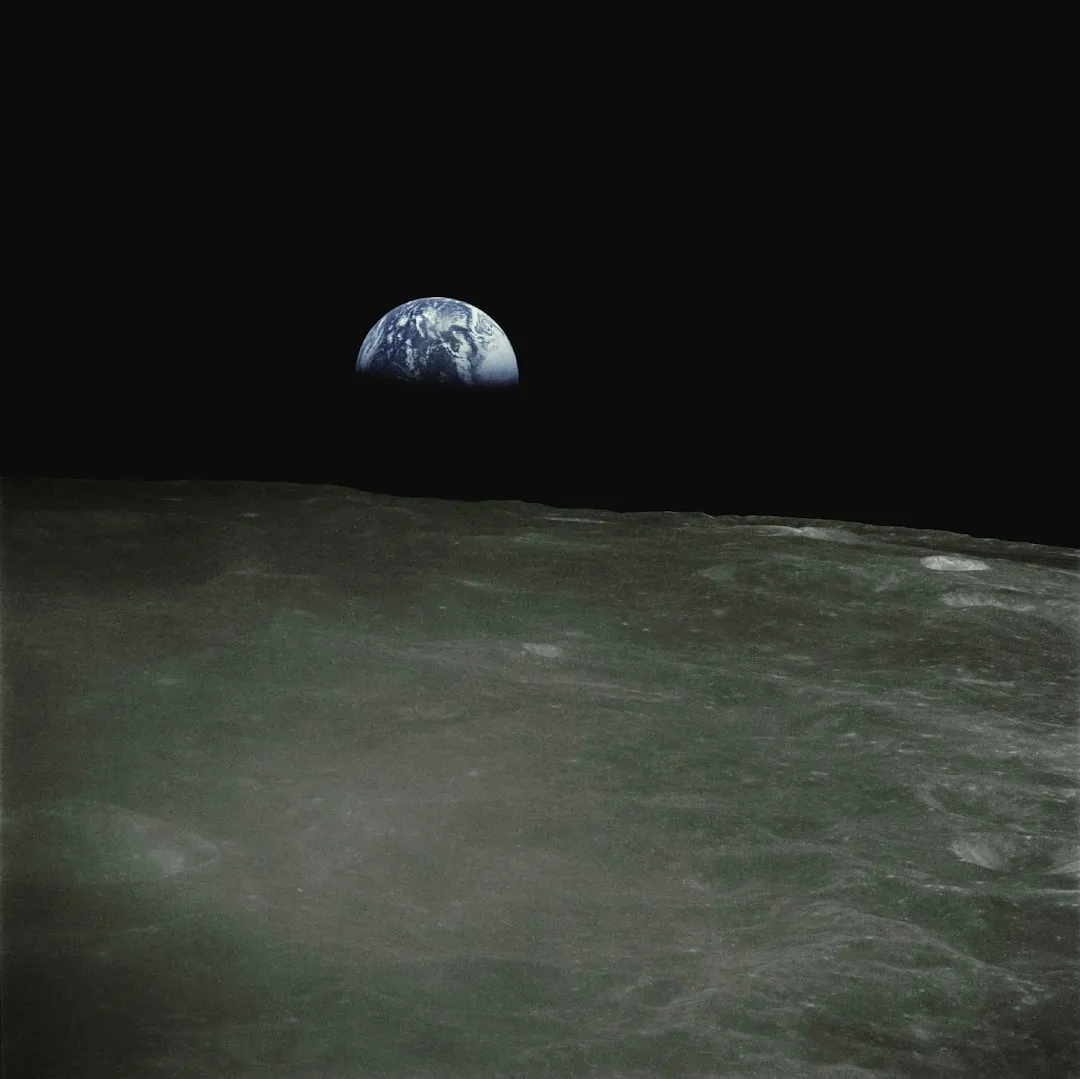
The Moon sits at 3,400 km in diameter, while Australia’s diameter from east to west is almost 4,000 km. The Moon, as a sphere, has more surface area, but it’s still pretty impressive. The European Space Agency included this comparison in its list of remarkable facts about Earth, which gives the claim a grounded, credible platform.
It’s worth noting that the ESA rounded the Moon’s diameter slightly for that context. More precise measurements from NASA and other sources place it at approximately 3,475 km. Either way, the gap holds, and the comparison remains valid under scrutiny.
A Fact Worth Sitting With

There’s something quietly humbling about this comparison. We spend so much time marveling at the Moon that it’s easy to forget just how physically large a continent like Australia actually is. The fact that a piece of Earth’s surface, not even a particularly prominent one by celestial standards, can out-measure the nearest body in space says something about the scale of our planet that gets overlooked in everyday life.
The numbers are real, the sources are solid, and the geometry checks out. Australia is wider than the Moon. The Moon, for its part, still shapes our tides, stabilizes our seasons, and fills the night with enough reflected light to navigate by. Width isn’t everything. But as a way of resetting your sense of scale, this particular fact does the job rather well.
AI Disclaimer: This article was created with the assistance of AI tools and reviewed by a human editor.