
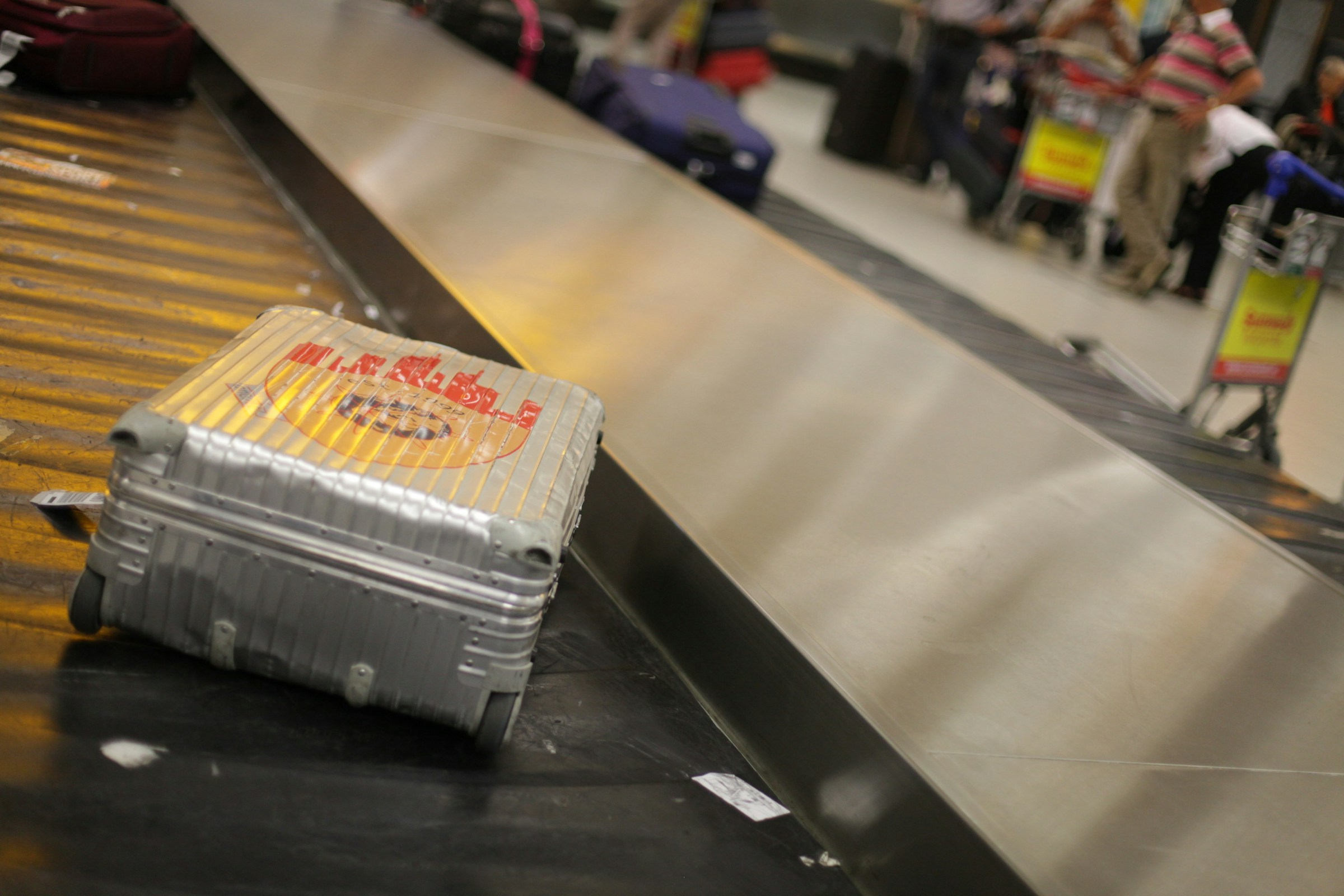
Every seasoned traveler knows that slow, anxious feeling at the baggage carousel – watching identical black bags tumble past, wondering if one of them is yours. It turns out, that specific shade of dread is entirely avoidable. The color of your suitcase matters far more than most people realize, and the people who handle luggage every single day have a clear and consistent answer about which colors get found fast and which ones quietly disappear into the crowd.
The evidence is practical, grounded in real sales data and airline guidance, and once you hear it, you won’t be able to unsee it on your next trip through arrivals.
The Black Suitcase Problem Is Very Real
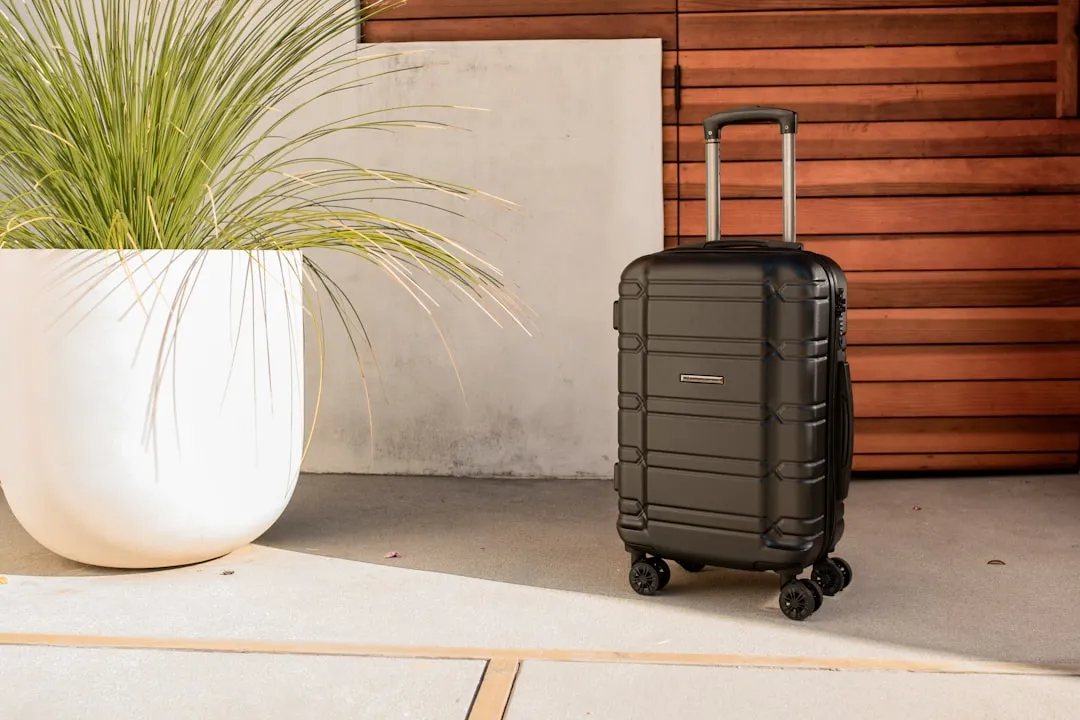
According to data from luggage brand Eminent, black is the most popular suitcase color, accounting for nearly half of all luggage sales worldwide. That means roughly half the bags on any given carousel are identical at a glance, which directly increases the chances of an accidental swap.
After a long flight, people are often tired, making it easy for them to look at a suitcase that resembles their own, make the incorrect assumption that it’s theirs, and walk right out of the airport with it. It’s rarely theft. It’s exhaustion and identical bags colliding.
Airlines Are Openly Warning Passengers About Dark Luggage
Budget Irish airline Ryanair issued a statement in 2024 identifying black, navy, and grey suitcases as those most often lost or confused, due to how common they are and how difficult they are for both passengers and airport crew to identify.
The carrier directly advised passengers to steer clear of those colors and noted that if your luggage is already black or grey, you should add a colorful luggage tag or ribbon to the handle so there’s no confusion on arrival. That’s an airline telling you your suitcase color is a problem worth solving.
The Scale of the Lost Luggage Issue in 2024 and 2025
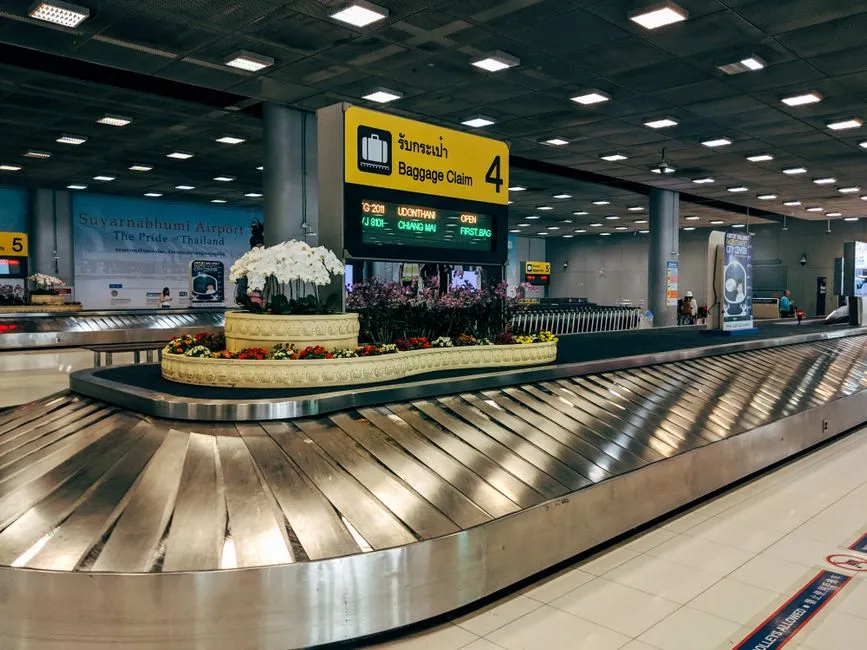
In 2024, airlines globally mishandled 6.3 bags per every 1,000 passengers, according to SITA’s Global Baggage Report. U.S. carriers performed slightly better at 5.5 bags per 1,000 passengers, according to the Department of Transportation.
In reality, more than three quarters of all mishandled airline luggage tends to be delayed rather than permanently lost, according to SITA’s 2024 Global Baggage Report. Still, even a delayed bag in a generic dark color takes significantly longer to locate and return when staff can’t quickly distinguish it from dozens of others.
Why Bright Colors Get Found Faster
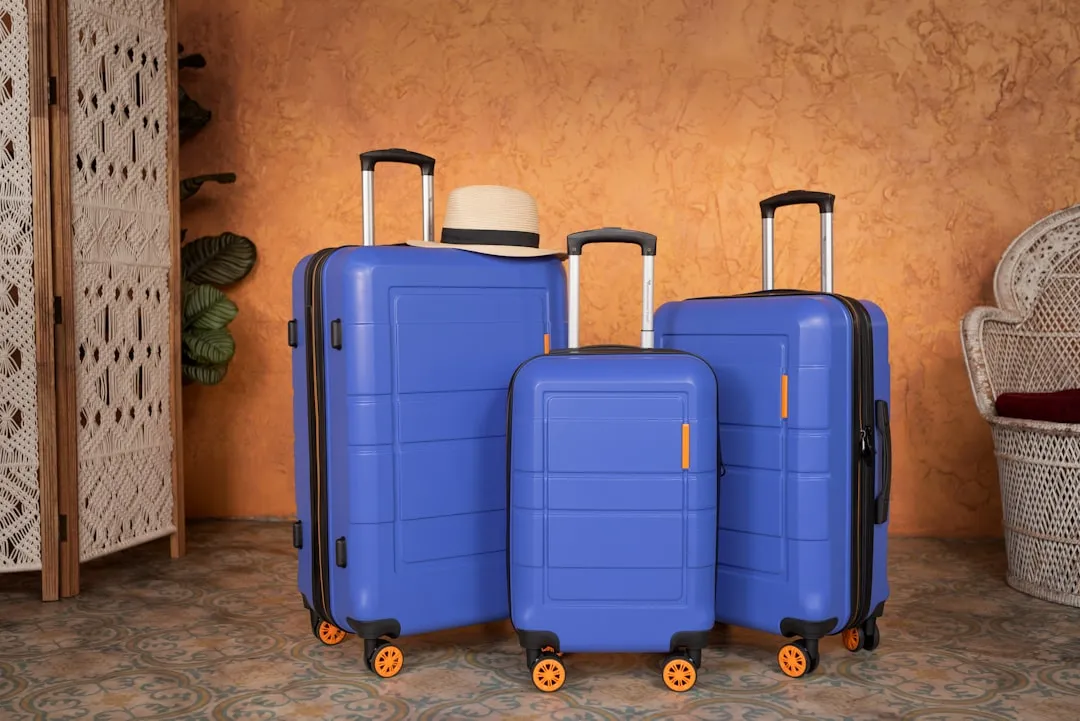
Bright colored luggage has a clear advantage when bags go missing during transit – airline staff have an easier time locating missing bags when they’re colorful and stand out on luggage carts. The logic is straightforward: a lime green bag in a pile of fifty black ones is found in seconds. The reverse situation takes much longer.
Color plays a functional role in how fast the human brain can identify objects. Bright, contrasting colors are picked up by the eye much faster than muted or dark tones. That speed matters enormously in a hectic baggage room where workers are moving quickly and operating under time pressure.
The Specific Colors That Stand Out Most
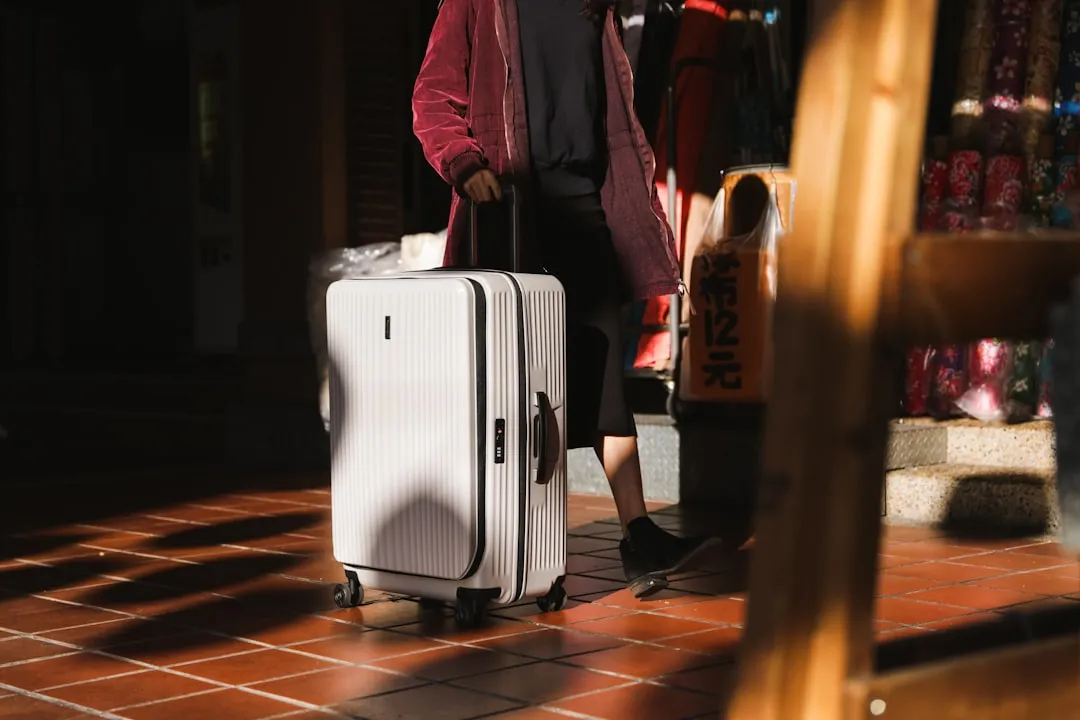
Bright orange is among the most visible options at baggage claim, as its vibrancy catches the eye quickly and makes it easier to spot among a sea of duller luggage. Lime green stands out due to its brightness and relative rarity in luggage design, which helps travelers identify their bags quickly and minimizes the chance of someone grabbing the wrong one.
Red is still the most popular bright choice among visibility-conscious travelers, offering excellent identification without being overly unconventional, while electric blue provides similar visibility with a slightly more modern edge. Suitcases in eye-catching hues such as pink, purple, green, orange, or yellow are consistently considered the best option for traveling, as these colors are less common and make spotting your suitcase on the baggage carousel far easier.
Dark and Neutral Colors: Popular for a Reason, Problematic for Another
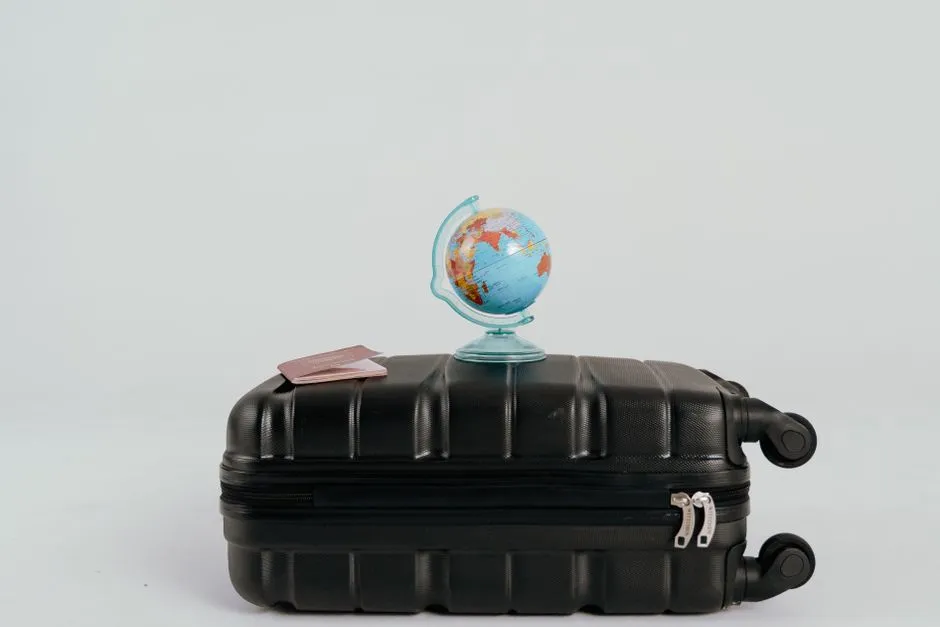
In its 2024 study, luggage brand Eminent reported that roughly two in five bags sold were black, while classic neutral colors like blue and gray together made up about half of all luggage sold worldwide. These shades remain popular for practical reasons – they hide dirt, scratches, and the general wear that travel inflicts on bags.
Should you own luggage in these colors, it isn’t necessarily more likely to get lost outright, but it may take considerably longer to locate among other misplaced bags. In a crowded baggage claim area, common shades like black and navy blue blend in with numerous other bags, complicating retrieval and increasing the likelihood of mix-ups.
Patterns and Prints Are Just as Effective as Bold Colors
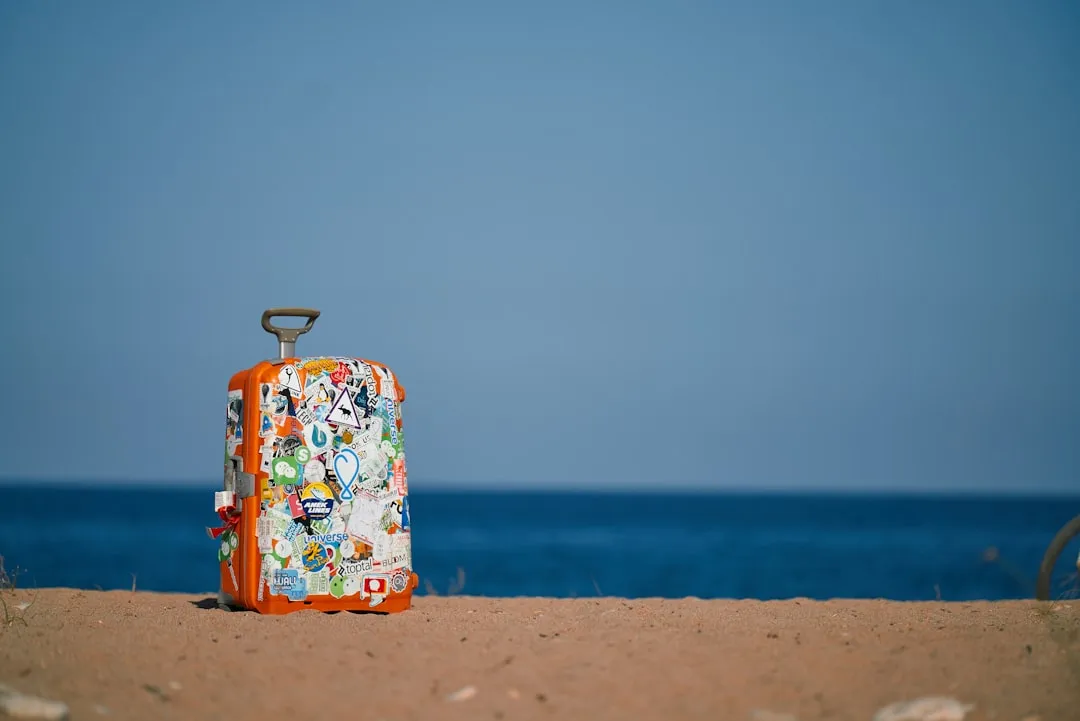
Suitcases in bold prints, patterns, or plaids attract attention from across the terminal, making them easy to identify whether your luggage goes missing in the depths of the airport or is picked up by an opportunistic thief. A distinctive pattern functions exactly the same way as a vivid color – it creates instant visual separation from the mass of generic bags.
You don’t necessarily need to buy a new suitcase in vivid colors; it’s fairly easy and cheap to make existing luggage stand out by attaching ribbons, stickers, or a colorful protective cover, which also helps if your bag ever gets lost in transit. Small changes genuinely make a measurable difference to how quickly your bag gets identified.
The Theft Angle: Bright Isn’t Always Better
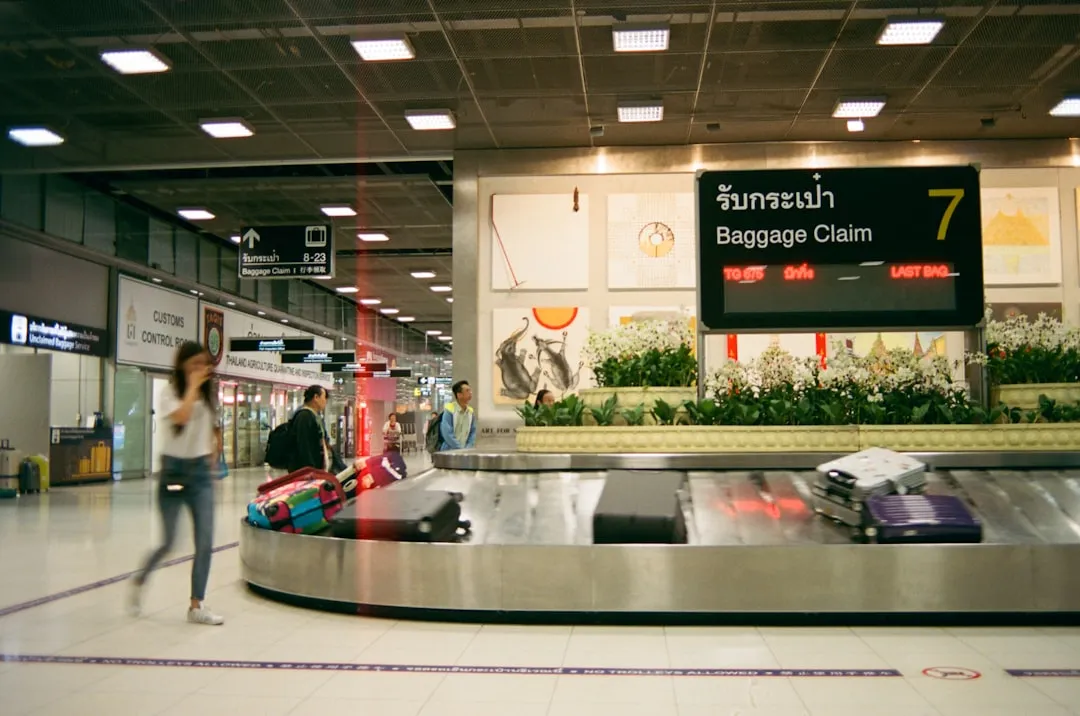
There is one nuanced counterpoint worth knowing. Airport baggage claims can be targets for thieves who simply collect “their” luggage from the carousel and walk off, and thieves are most likely to target the most popular luggage colors, as they won’t stand out from the crowd during a getaway.
Muted midtones like olive green, slate gray, and deep burgundy represent a practical middle ground: they don’t blend into the sea of common black bags, yet they avoid drawing the kind of attention that makes a bag an easy target. For travelers who want visibility without advertising themselves, a deep jewel tone is a reasonable compromise.
One Airport That Has Never Lost a Bag
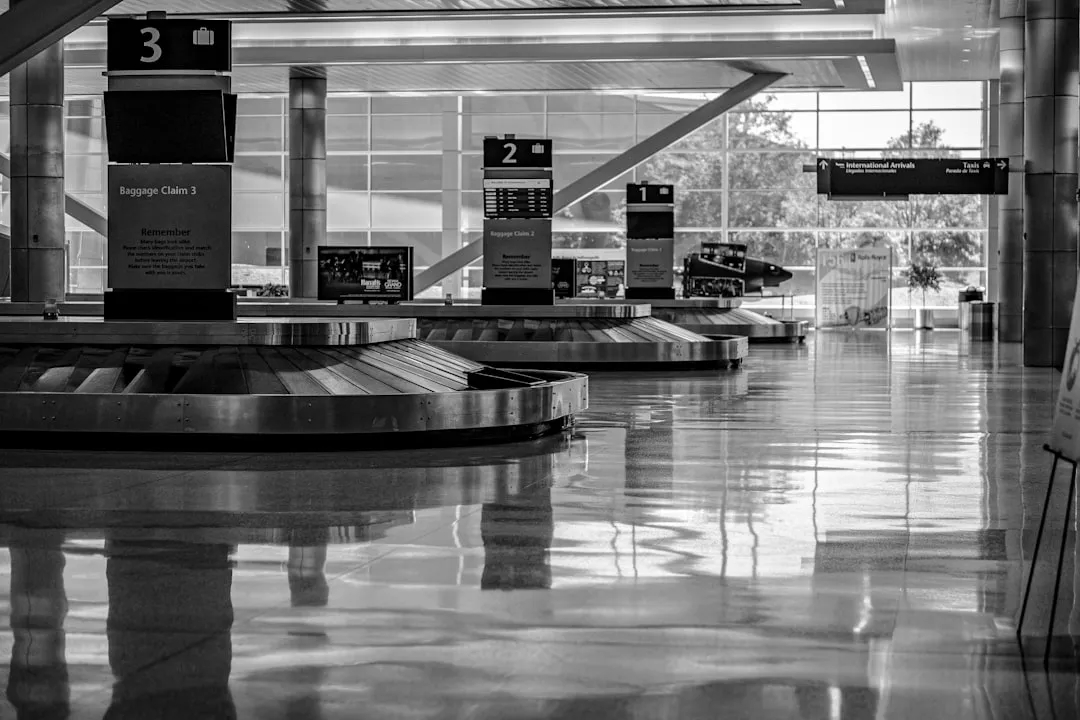
Kansai International Airport in Japan makes a remarkable claim: it has never lost a single piece of luggage since it opened on an artificial island in Osaka Bay in September 1994. One of the details in their process is that when arrival baggage is brought to the carousel, the team places each suitcase with the handle facing outward so passengers can more easily identify and grab their bag.
That kind of care – from both the handlers and the travelers – is exactly what prevents confusion. The U.S. Bureau of Transportation Statistics has found that domestic flights collectively lose around 3 million bags every year, which makes the contrast with Kansai genuinely striking. Color alone won’t close that gap, but it’s one of the simplest variables a traveler can actually control.
Practical Steps Beyond Choosing the Right Color
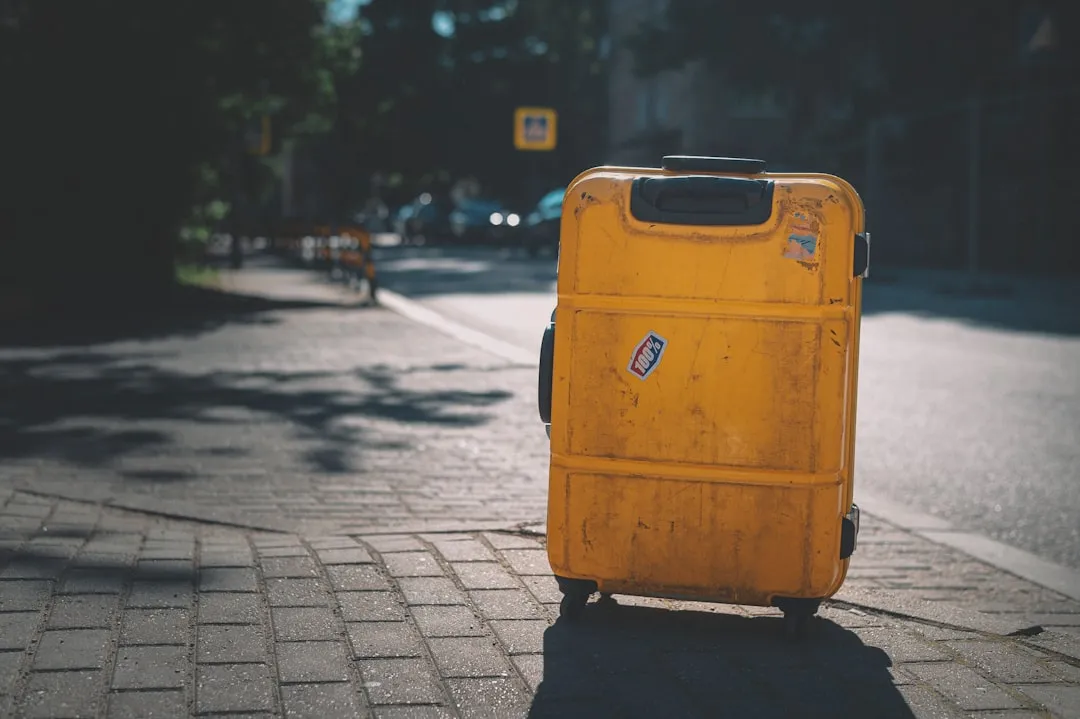
Slipping an Apple AirTag or similar Bluetooth tracker inside every checked bag gives travelers a significantly better idea of where their luggage is, even when the airline itself doesn’t know. Labeling your bag with your name, email, and phone number on both the outside and inside, along with a little color or flair, helps prevent mistaken identity at baggage claim.
Taking a photo of your suitcase before you check it and photographing your baggage claim ticket ensures that the lost and found office can identify it more easily if the worst happens. These steps take about two minutes and collectively reduce the chance of a prolonged separation from your belongings.
The Takeaway
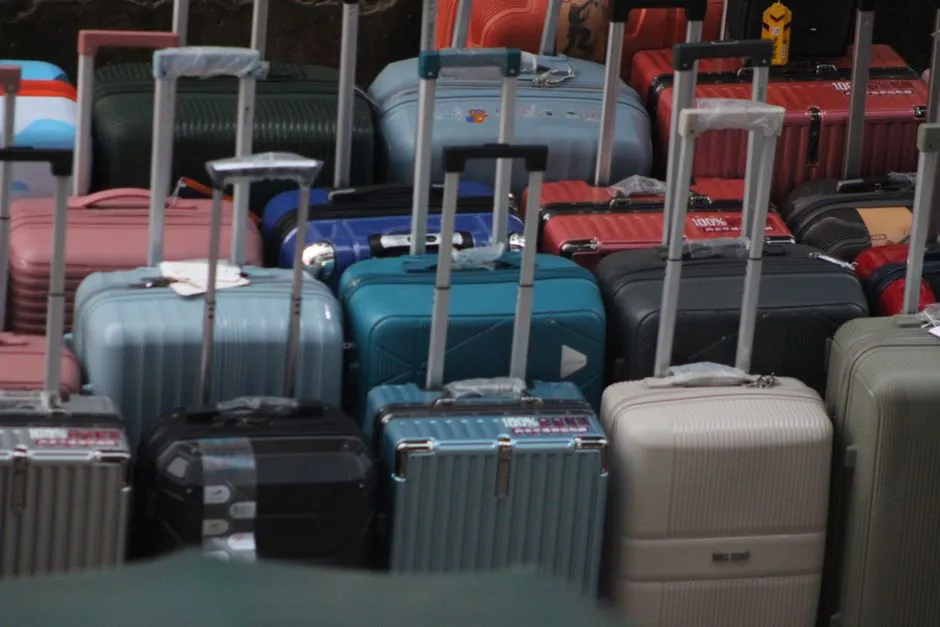
The answer baggage handlers keep giving is consistent: stand out, don’t blend in. Travel experts recommend colors like beige, white, or light shades of red, blue, pink, or green because travelers and airline staff alike can spot the bag much more easily, including when it ends up lost.
Your suitcase color is a small decision with outsized consequences at the end of a long journey. The carousel looks the same at every airport in the world: a slow procession of nearly identical dark bags. One bright or patterned outlier gets claimed in seconds. The rest require squinting, second-guessing, and occasionally – a trip to a lost and found that should never have been necessary.
AI Disclaimer: This article was created with the assistance of AI tools and reviewed by a human editor.