
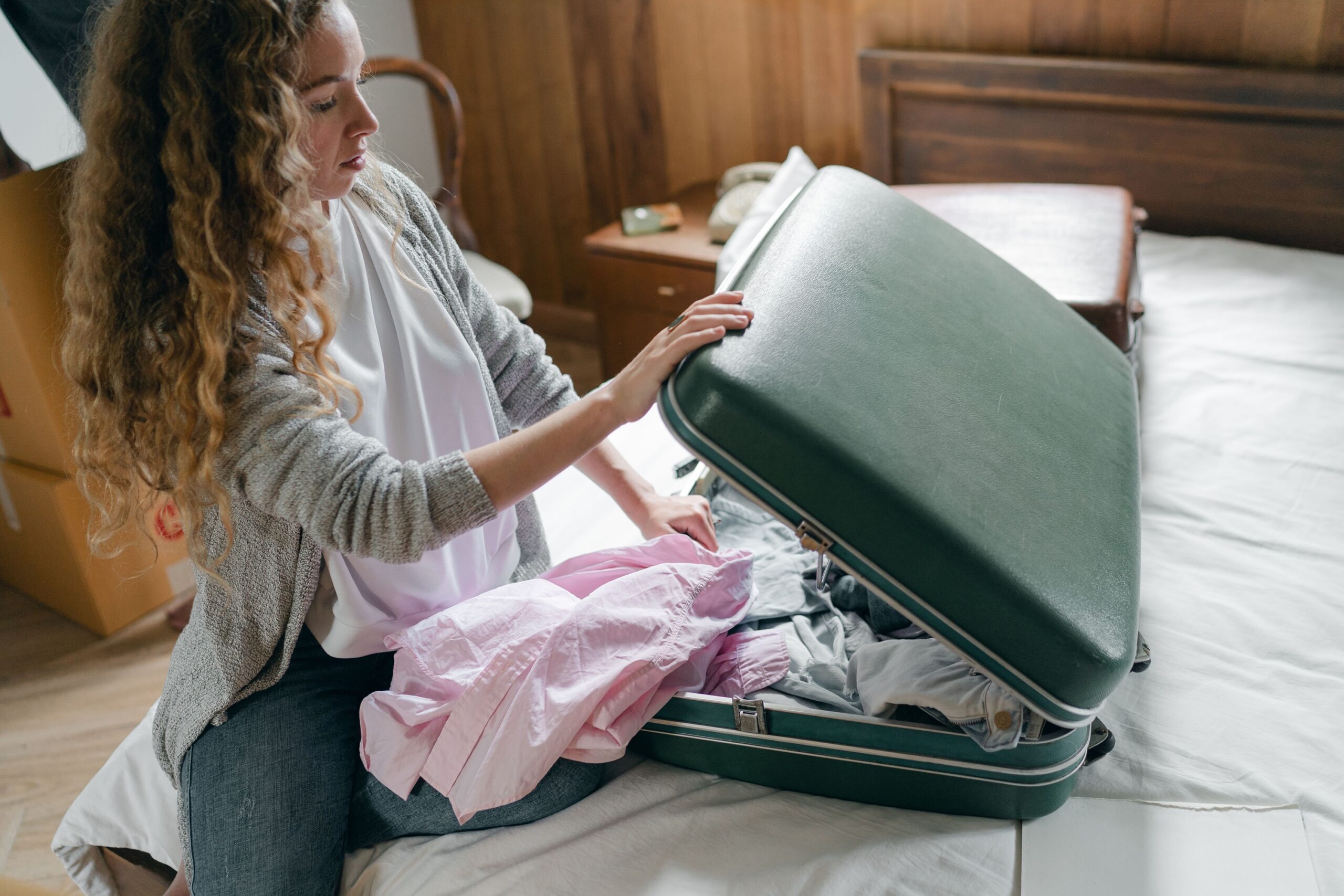
Every traveler has experienced that anxious moment at baggage claim, watching the conveyor belt and quietly hoping the souvenir they packed so carefully actually survived the journey. It’s a reasonable worry. The space beneath the plane is not a gentle place, and what happens to your luggage between check-in and the carousel is largely out of your hands.
The good news is that experienced baggage handlers and travel experts have been openly sharing what actually works. Some of it is counterintuitive. Some of it is so simple you’ll wonder why you weren’t already doing it.
The Scale of the Problem Is Bigger Than Most Travelers Realize
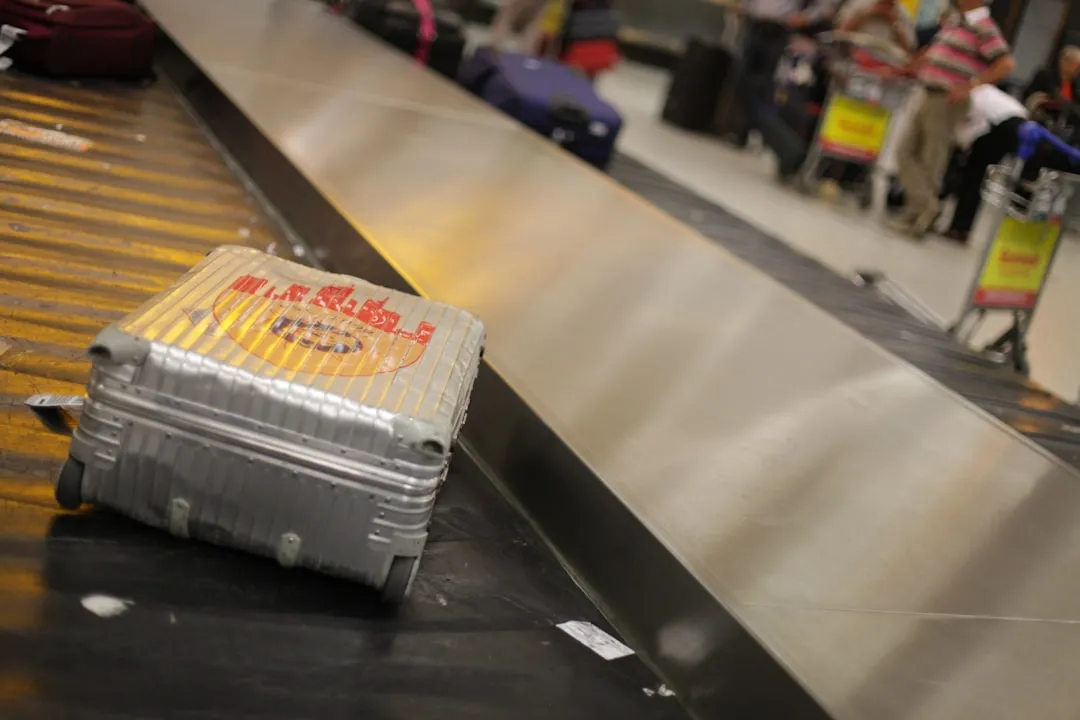
Before getting into the solutions, it’s worth understanding what checked luggage actually faces in transit. According to SITA’s Baggage IT Insights 2025, the global mishandling rate dropped to 6.3 bags per 1,000 passengers in 2024, down from 6.9 the previous year. That’s meaningful progress, but it still represents tens of millions of bags each year.
While the total number of mishandled bags dropped slightly to 33.4 million despite record passenger volumes, the proportion of bags mishandled continued to decline, demonstrating the growing impact of technology and automation.
Among all baggage complaints, the most frequently reported problem by passengers was baggage damage, accounting for nearly half of all cases. Delayed deliveries followed, while outright lost luggage made up a much smaller share of complaints. In other words, the bag usually arrives. It just doesn’t always arrive intact.
The Central Habit: Place Fragile Items in the Middle of Your Suitcase
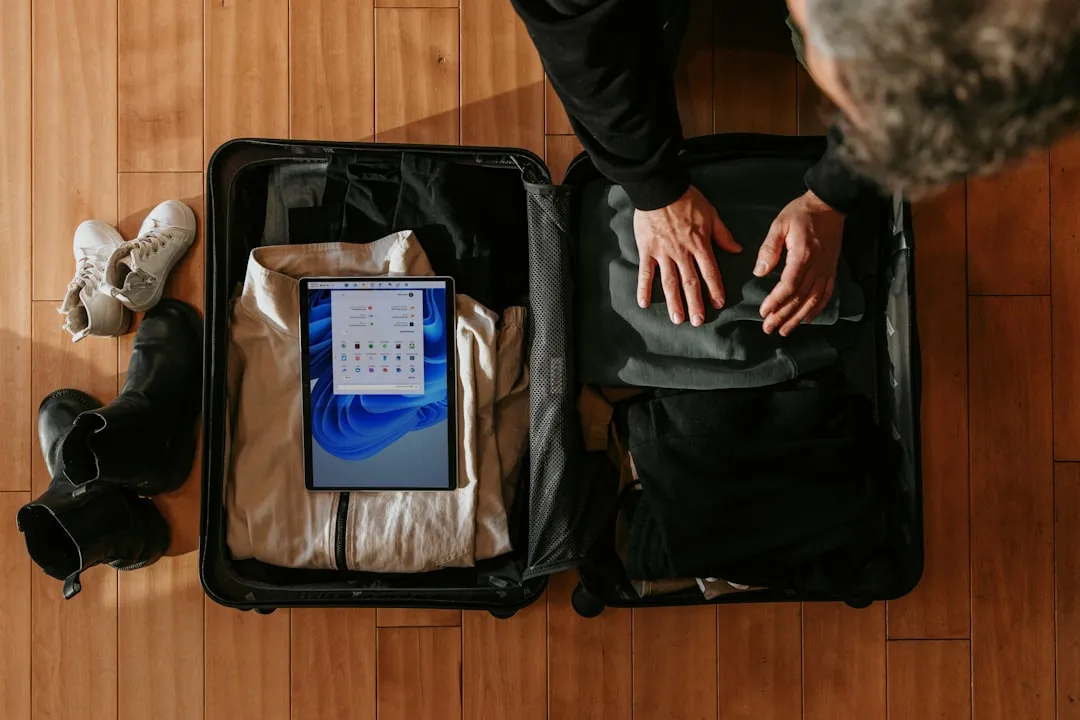
This is the single most consistently recommended practice from handlers and packing experts alike, and it’s more effective than most travelers assume. Start by placing a soft, shock-absorbing layer at the bottom – clothing, towels, or a small blanket – and then wrap each fragile item individually and sandwich them in the centre of the suitcase.
The bottom middle part of a suitcase is the safest place for breakables. The base provides the most stability during travel, and wrapping items there while surrounding them with other softer items, such as clothing, adds further padding.
Heavier items like shoes and toiletry bags should sit at the bottom near the wheels for better weight distribution, while fragile items should be wrapped in soft clothing and placed in the center, away from the edges. The edges of a bag take the most punishment during loading and transit.
Wrap Fragile Items in Your Own Clothing – It Works Better Than You Think
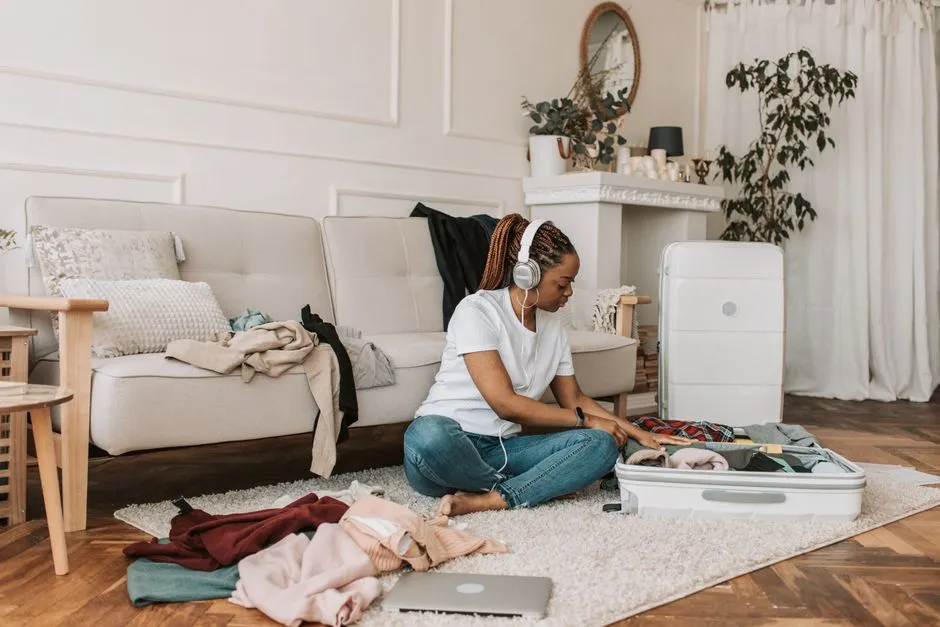
Dedicated packing materials like bubble wrap are useful, but you don’t always have them on hand, especially when you’re returning from a trip with a souvenir you didn’t plan to buy. The practical alternative has been backed by handlers for years. Thoroughly wrapping breakable items in the clothes you’re already planning to take – like a soft cotton T-shirt – and then securing them firmly so they won’t bounce around is a reliable and accessible method.
To apply this method, place a breakable item at the opening of a sock and gently roll it inside. For larger items, use a scarf or towel instead, wrapping it multiple times to ensure complete coverage. This cushions the object and also protects it from scratches.
For particularly fragile things, double-wrapping is worth the extra effort. Once the item is in a sock, wrapping it again in a scarf or towel adds a meaningful second layer of protection. It’s low-tech, but it genuinely works.
Choose a Hard-Shell Suitcase for the Outer Layer of Defense
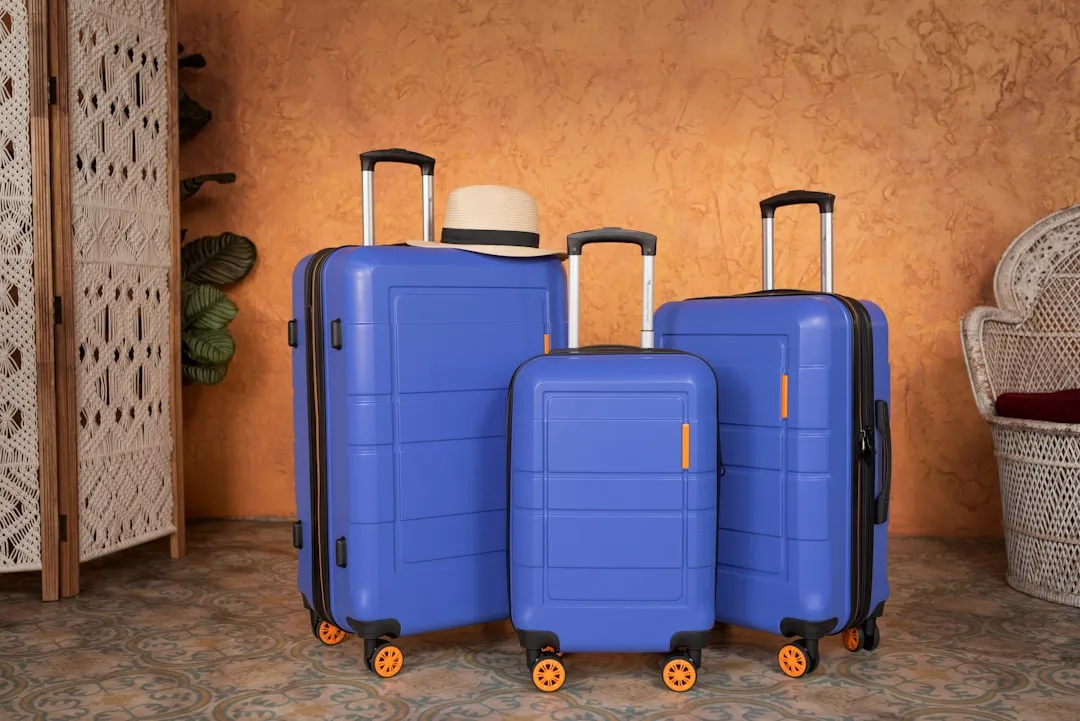
The container matters just as much as what you put inside it. Hard-shell suitcases perform better than soft-sided ones in terms of protection. A tough, durable piece with a hard, protective shell resists impacts, and the suitcase must also have strong zippers alongside a sturdy structure to resist damage from other bags pressing against it.
Opt for a suitcase that is sturdy, well-padded, and offers sufficient space. Hard-sided suitcases with internal compartments and adjustable straps are highly recommended, as they provide better protection and organization.
Pack Densely Enough That Nothing Shifts – But Don’t Overdo It
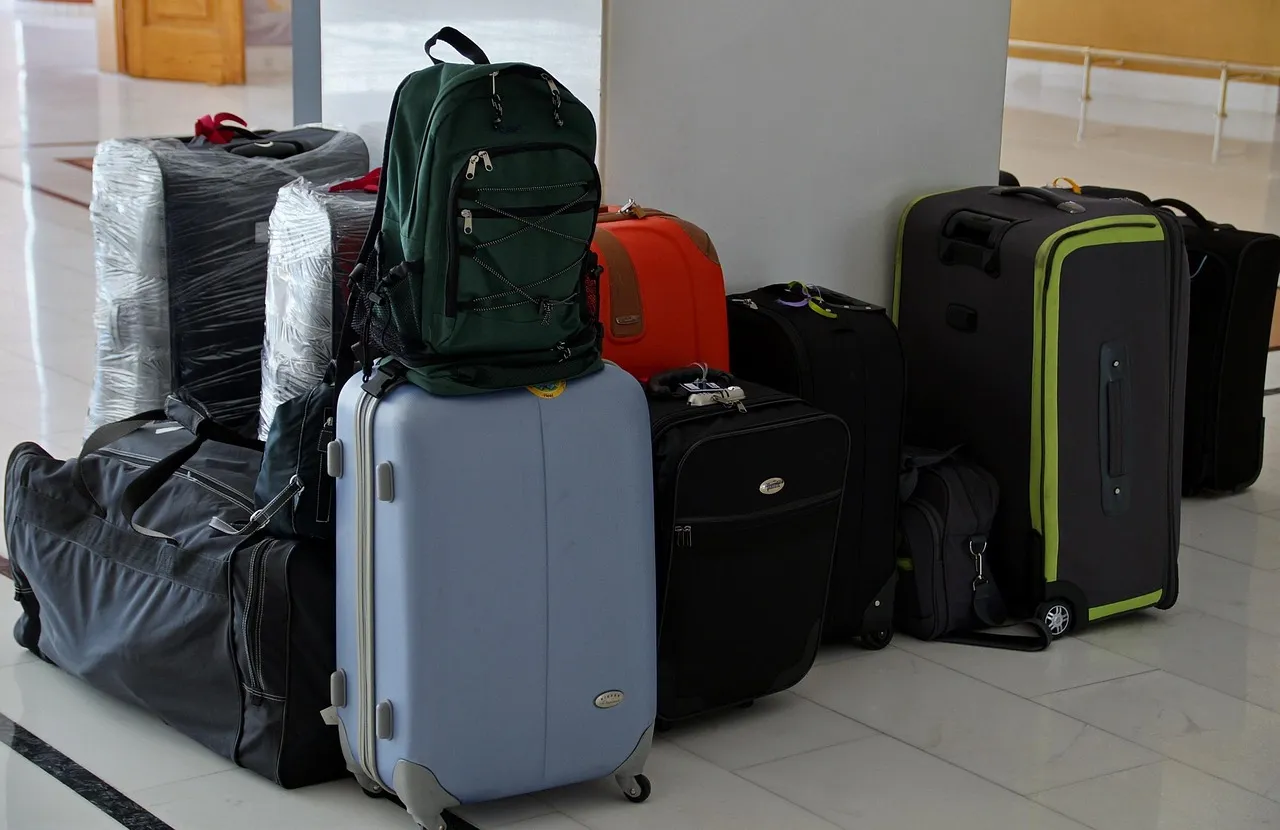
There’s a packing sweet spot that seasoned travelers learn over time, and it has real consequences for fragile items. The suitcase should be packed densely, but not too dense. It should be full enough that nothing moves when the bag is tossed around by luggage handlers, but overpacking will only result in more pressure on items.
One of the most common mistakes travelers make when packing breakables is overpacking or wrapping the fragile item too tightly, which puts more pressure on it and leads to a higher risk of breaking. The goal is to pack everything evenly but densely.
Breakables should be packed a minimum of two inches apart from each other and from other hard objects in the suitcase. That physical separation is a simple rule, and one that far too many people skip when rushing to close a bulging bag.
The Truth About “Fragile” Stickers
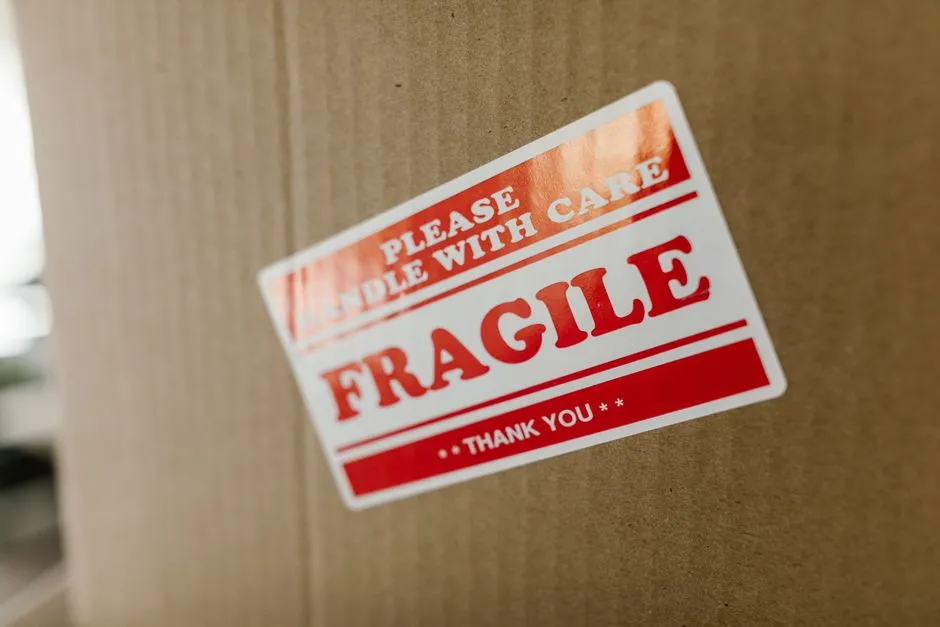
If you’ve ever carefully applied a fragile sticker and felt reassured, the reality from handlers is a little humbling. Baggage handlers are used to loading luggage quickly and efficiently, which means they don’t really have time to inspect each suitcase for stickers. Loading luggage quickly also means suitcases get placed into the cargo area rapidly, regardless of any stickers on them.
While a fragile sticker isn’t a guarantee of gentle handling, it does alert baggage handlers that your bag requires extra care. Some airlines even offer special handling for fragile items if you request it at check-in, so it’s worth asking about those options when dropping off your luggage.
The sticker is a finishing touch at best. After carefully wrapping every item, placing it gently in the middle of your luggage, and ensuring it doesn’t touch any side of the suitcase directly, adding that fragile sticker is just that – a finishing touch.
Know What Belongs in Your Carry-On, Not Your Checked Bag
Some items simply shouldn’t go in the hold at all, regardless of how well you pack them. This is perhaps the most overlooked piece of advice handlers give. Before thinking about how to pack a delicate object, check whether it even needs to be in checked baggage. Laptops, tablets, jewellery, and prescription glasses should be kept in carry-on luggage.
Checked luggage goes through multiple hands before it reaches baggage claim, making it risky to pack anything expensive or irreplaceable. Jewelry, electronics, passports, and medications should always be kept in a carry-on, because even if theft isn’t a concern, checked bags can be lost or delayed.
Connecting Flights Carry a Meaningfully Higher Risk
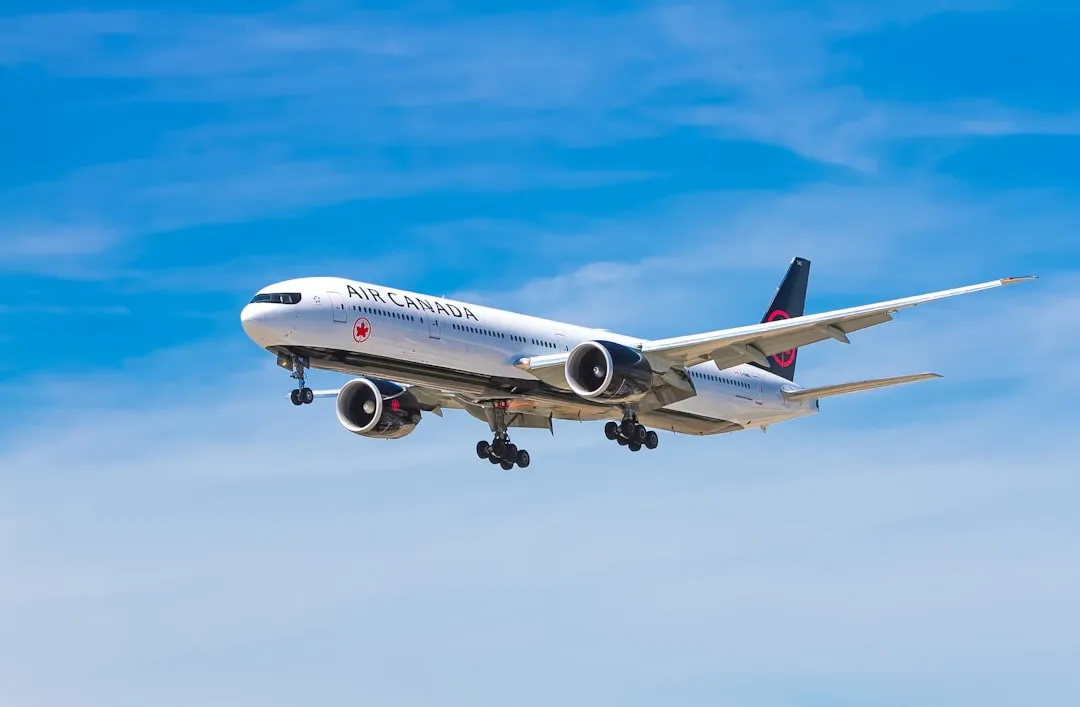
If you’re traveling with fragile items and have a layover, the risk profile of your journey changes considerably. Analysis from Sostravel.com’s Lost Luggage Concierge Index, covering data from late 2024 into early 2025, revealed that roughly two thirds of all affected flights included at least one stopover, suggesting a higher risk of baggage issues on connecting flights.
International and connecting journeys involve more handlers, more systems, and tighter connection windows. Transfers caused roughly four in ten mishandling incidents in 2025. When fragile items are involved, a direct flight is worth paying extra for if the option exists.
Travel Insurance Can Fill the Gaps When Packing Precautions Aren’t Enough
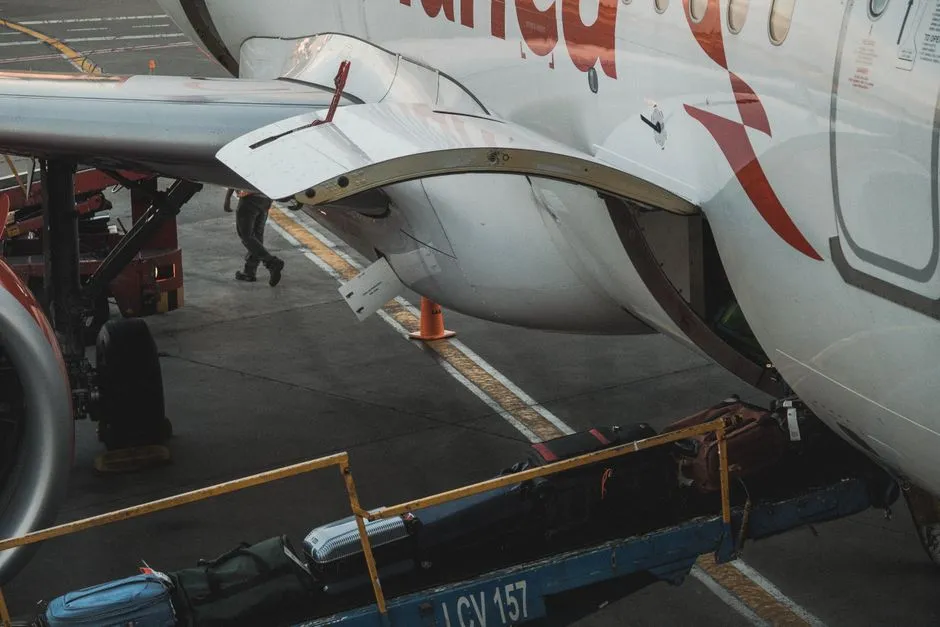
Even the most careful packer can have a bag damaged by circumstances completely beyond their control. Even with all precautions, accidents happen. Travel insurance that covers baggage damage or loss can provide real protection, though travelers need to confirm their fragile items fall within the policy’s coverage, since some policies exclude electronics, glassware, and similar items.
Mishandling still costs the industry an estimated 6.3 billion dollars, equivalent to roughly fifteen percent of airline industry profit in 2025. That figure reflects how significant the problem remains at scale, and why having a financial backstop for your most valuable items makes sense.
Travelers should consult airline policies regarding checked baggage rules for specific items, because select fragile or expensive possessions will not receive insurance coverage when damaged. Reading the fine print before you fly, not after, is always the better approach.
For Truly Irreplaceable Items, Consider Shipping Instead of Flying
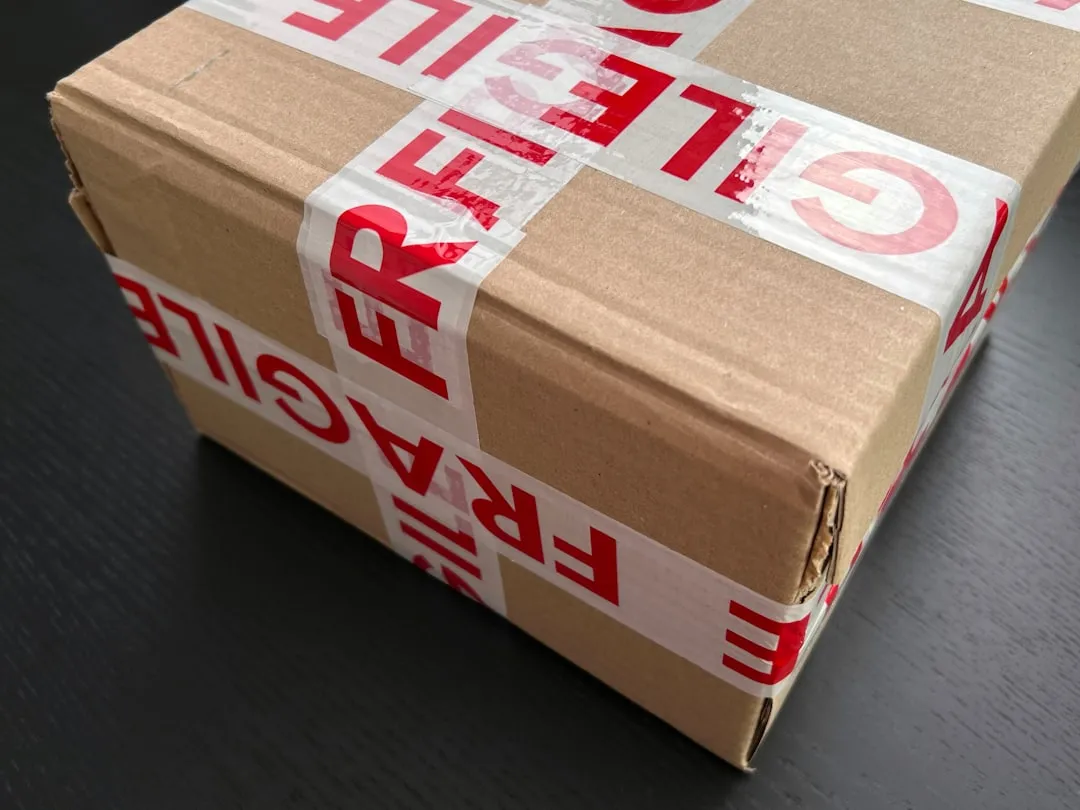
There’s a point at which even perfect packing can’t eliminate the risk entirely. For items with significant monetary or sentimental value, an alternative route exists. For very delicate or expensive items such as antique porcelain, artwork, or heirlooms, consider shipping them through a courier service that specializes in fragile deliveries. While it might cost more, the added care and insurance could be worth the peace of mind.
Industry standards for fragile shipping call for a minimum of three inches of cushioning on all sides and packaging that can withstand a four-foot drop test, along with proper insurance coverage for valuable items. A professional courier that meets those standards offers a level of accountability that checked airline baggage simply cannot replicate.
A Practical Takeaway
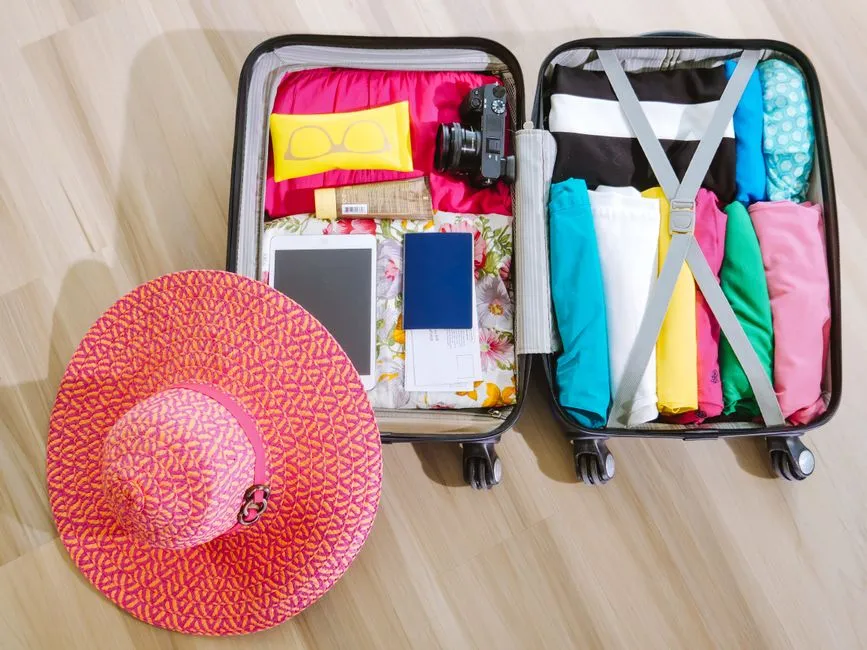
The single packing habit that consistently emerges from baggage handler insights is also the simplest to apply: wrap fragile items in soft clothing and bury them in the true center of a well-packed, hard-shell bag. Not near the edges. Not in an outer pocket. In the protected middle, cushioned on all sides.
Mishandled baggage dropped by more than seven percent industry-wide in 2024 compared to the previous year, hinting that airlines are paying attention to consumer frustrations and working toward more efficient operations. Progress is real, but the cargo hold is still a physical environment where bags get stacked, shifted, and moved quickly.
The travelers who arrive with their fragile items intact aren’t lucky. They packed deliberately, chose their bag wisely, and understood what the journey actually involves. That knowledge is easy to carry, and it weighs nothing.
AI Disclaimer: This article was created with the assistance of AI tools and reviewed by a human editor.