
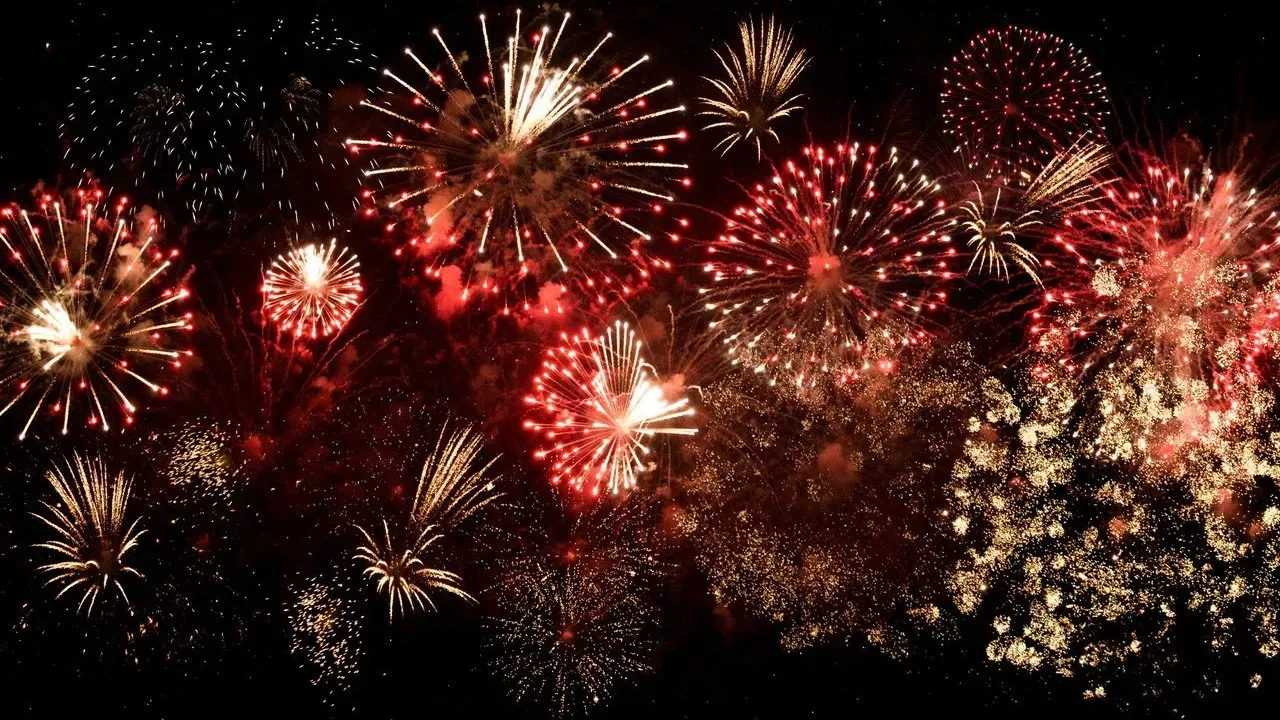

Paris prepares for its national holiday each July with a distinctive blend of military tradition, public gatherings, and evening spectacle. In 2026 the schedule carries an added layer of reflection, as July 14 marks the tenth anniversary of the Nice attack and will be observed as a day of remembrance. The principal fireworks display and Concert de Paris therefore move to the evening of July 13, while the morning military parade remains on July 14 along the Champs-Élysées.
The Meaning Behind July 14
Bastille Day commemorates the storming of the Bastille prison in 1789 and the Fête de la Fédération held the following year, events that signaled the end of absolute monarchy and the birth of the modern French republic. The date became an official national holiday in 1880 and has since served as an annual expression of national unity. In Paris the observance combines solemn remembrance with festive gatherings that draw both residents and visitors into the streets.
The dual character of the day – honoring the past while marking the present – shapes every element of the program. Travelers who arrive with an awareness of this balance often find the experience more meaningful than a simple checklist of events.
The Morning Military Parade
Europe’s largest regular military parade proceeds down the Champs-Élysées on the morning of July 14. Units begin assembling near the Arc de Triomphe, and the avenue is closed to traffic well before the procession starts. Spectators line both sides of the wide boulevard, and the program typically includes an aerial display by the French Air Force followed by infantry, cavalry, and armored columns moving toward Place de la Concorde.
Arriving early helps secure a reasonable vantage point amid the crowds. Metro stations in the immediate area often close for several hours, so many visitors walk from nearby stops such as Saint-Philippe du Roule. Once the parade concludes, the avenue remains pedestrian-only until evening, offering an unusual opportunity to stroll its length without vehicular traffic.
Afternoon Options Across the City
Many museums and monuments remain open on the national holiday, and several offer free admission. Notre-Dame, Les Invalides, Sacré-Cœur, the Panthéon, Sainte-Chapelle, Musée d’Orsay, and the Château de Versailles are among the sites expected to welcome visitors in 2026. The Louvre, however, follows its regular Tuesday closing and will not be accessible that day.
Those who prefer a quieter pace can explore neighborhoods away from the main parade route or attend an open-air film screening at Prairie du Triangle in the late afternoon. The city’s usual rhythm continues in many quarters, allowing travelers to combine cultural visits with the larger public events.
Evening Concert and Fireworks
The principal evening program shifts to July 13 in 2026. The Concert de Paris begins at 9:00 p.m. at the foot of the Eiffel Tower, performed by the Orchestre National de France and the Choir of Radio France. The program features classical selections and concludes with the national anthem during the fireworks display, which starts at 11:00 p.m. and lasts approximately twenty minutes. A large drone element is planned for the 2026 edition.
Champ de Mars fills quickly, and many spectators arrive in the late afternoon to secure space with a blanket or picnic. Alternative viewing locations such as the Pont de l’Alma or selected Seine river cruises also provide clear sightlines. Metro stations near the site close or become extremely crowded after the show, so comfortable walking shoes and patience are useful.
Neighborhood Firemen’s Balls
Fire stations across Paris open their doors for bals des pompiers on both July 13 and 14. These gatherings combine music, dancing, and light refreshments, with proceeds supporting local charities and station improvements. The events often continue past midnight, providing a neighborhood-scale counterpoint to the larger spectacles along the Seine.
Visitors who attend after the fireworks can avoid some of the post-event metro congestion by walking to a participating station. A modest entrance fee is customary, and the atmosphere tends to be convivial rather than exclusive. Listings of participating stations are published each year by the Paris fire service.
July in Paris carries a particular energy when national traditions intersect with contemporary life. Travelers who approach Bastille Day with respect for its historical weight and its 2026 emphasis on remembrance often leave with a deeper appreciation for the city’s capacity to hold both celebration and reflection in the same weekend.
AI Disclaimer: This article was created with the assistance of AI tools and reviewed by a human editor.