
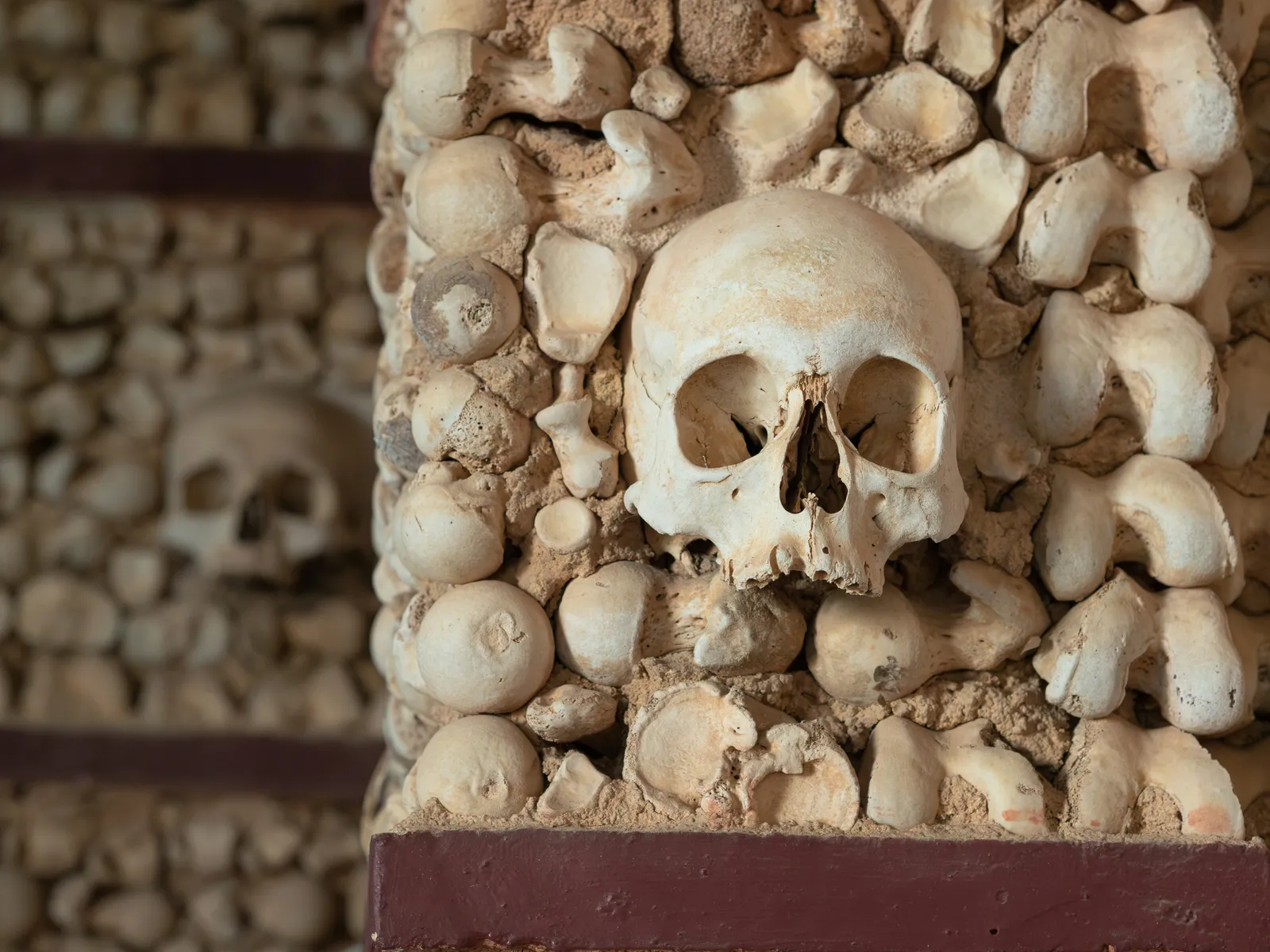

Dark tourism continues to draw curious travelers to sites that blend history with the macabre. Across Europe, ossuaries and bone churches stand as striking reminders of mortality and craftsmanship from centuries past. These locations extend far beyond the well-known tunnels beneath Paris, offering quieter yet equally compelling experiences in several countries. Visitors often find themselves reflecting on both the artistry and the solemn purpose behind the arrangements of human remains.
The Growing Appeal of Dark Travel
Interest in sites connected to death and remembrance has risen steadily in recent years. Travelers seek out places that reveal lesser-known chapters of European history rather than standard monuments or museums. Ossuaries fit this interest because they combine visual impact with stories of community response to plague, war, and limited burial space. The result is a form of tourism that feels both educational and introspective.
Many visitors describe the experience as unexpectedly moving. The careful stacking of bones into patterns or the creation of entire chapels from skeletal remains highlights human ingenuity even in the face of loss. This contrast between beauty and finality keeps drawing new audiences who want more than typical sightseeing.
Key Locations Across the Continent
Czechia hosts several notable bone churches that have become quiet highlights for those exploring Central Europe. These sites often feature elaborate designs created from thousands of bones, arranged into chandeliers, coats of arms, and other decorative elements. Travelers who venture there frequently combine the visit with nearby historic towns, creating a balanced itinerary.
Italy offers its own versions in Milan and Rome. Hidden chapels there present more intimate settings where bones form walls, altars, and symbolic displays. These locations tend to attract fewer crowds than larger attractions, allowing for a more personal encounter with the past. The settings also connect to broader Catholic traditions of honoring the dead.
Each of these places shares a common thread with the Paris Catacombs while maintaining distinct character shaped by local history and culture. The variety across countries shows how different communities addressed the same practical challenge of managing remains over time.
Practical Considerations for Visitors
Planning a trip to these sites requires attention to access rules and seasonal hours. Many ossuaries operate as part of churches or small museums, so checking current opening times helps avoid disappointment. Respectful behavior remains essential, as these remain places of remembrance for some communities.
Comfortable footwear and modest clothing suit the often cool, dimly lit interiors. Photography policies vary, with some locations permitting images and others requesting discretion. Combining several sites into one journey can create a deeper understanding of the theme without rushing between distant locations.
Travelers also benefit from reading background material beforehand. Understanding the historical context behind each ossuary adds layers to the visit and prevents the experience from feeling merely sensational.
What Matters Now for Dark Tourism
These sites continue to attract visitors who value thoughtful exploration over spectacle.
Interest shows no sign of fading as more people seek meaningful alternatives to crowded landmarks. The ossuaries provide a tangible link to how earlier generations confronted mortality on a large scale. Their preservation reflects ongoing efforts to maintain cultural heritage while allowing public access.
Responsible tourism at these locations supports local economies and encourages continued care of the sites. As awareness grows, the focus remains on education and reflection rather than shock value alone.
AI Disclaimer: This article was created with the assistance of AI tools and reviewed by a human editor.