


There’s something quietly telling about the way people talk about travel these days. Less “I want to see the Eiffel Tower” and more “I want to actually feel Paris.” That distinction, small as it sounds, reflects a genuine shift in how we think about going somewhere.
The old model, a list of sights to check off and photos to collect, still exists. It always will. But the appetite for something more layered, more rooted in who you’re with and what you feel, is pulling more travelers in a different direction. Here’s where the data and the lived reality start to align.
The Bucket List Was Never Really About the Destination

A Stanford Medicine research project asked participants to share what is on their bucket lists. The top response? The desire to travel, with nearly four in five participants stating they hoped to explore new places. That statistic sounds destination-focused at first glance. But read a little deeper and the motivation shifts.
At the root of many bucket list travels is the quest for meaningful experiences, not simply the coordinates on a map. The destination was always something of a stand-in for a feeling people were chasing. That’s worth sitting with for a moment.
Travelers Are Now Choosing Feelings Over Flags

The travel world is changing. Travelers aren’t just checking off destinations anymore. They’re looking for the feelings and experiences that come with each place. This shift, subtle but measurable, is reshaping what people actually spend their money and time on.
New trends like immersive travel, slow travel, and the experience economy show a clear move toward personal and meaningful adventures. These aren’t niche preferences. They’re showing up in large-scale survey data across markets. The experiential pull is real, and it’s broadening.
The Experience Economy Is Rewriting Travel Priorities

When travelers chose where to vacation in 2024, the factors that held the most importance were the destination itself, cost, and the experiences or activities available. In 2025, priorities shifted slightly, with cost becoming the driving factor and destination coming second. Experiences were already climbing the list before economic pressures further reshaped the equation.
Beyond interactive immersion, travelers are focused on experiences that leave a lasting impression, as the vast majority of global respondents believe the skills they gain on a trip remain with them longer than any material souvenir. Most say that creating something with their hands is one of the most rewarding parts of travel, and that learning a new skill while traveling creates a more memorable experience. That’s a meaningful shift from sightseeing as the default.
Authenticity Has Become the New Prestige
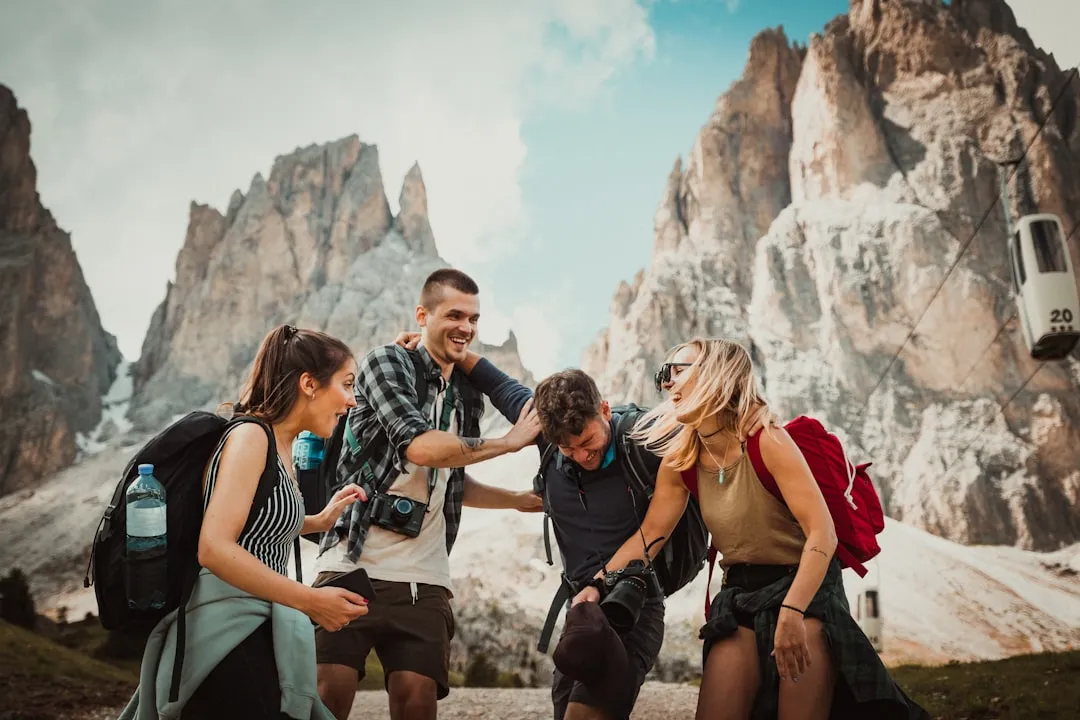
Among Millennials and Gen Z respondents, roughly four in five say they prioritize unique, authentic experiences over popular tourist attractions. Visiting a famous landmark still holds appeal, but increasingly it’s not enough on its own. People want to feel like they actually touched something real about a place.
Jacada Travel’s mid-year insights into luxury travel, based on client booking data from the first half of 2025, found a distinct shift in priorities among global travelers, who increasingly prioritize deeper cultural connections, more responsible travel experiences, and lesser-known destinations over established hotspots. Even in the luxury segment, the prestige of going somewhere is giving way to the prestige of understanding it.
Multigenerational Travel Is a Story About Connection
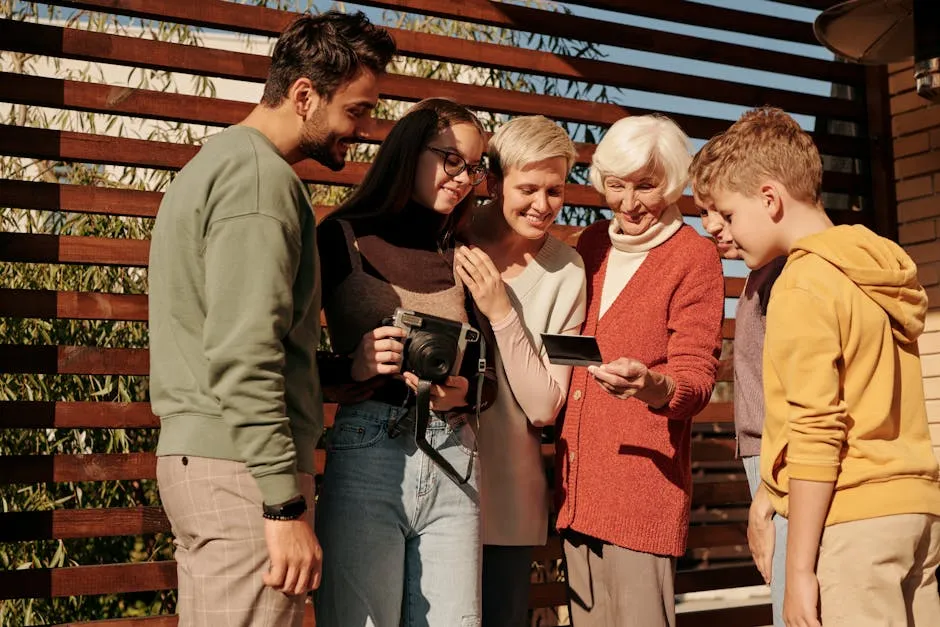
At the opposite end of the spectrum from solo travel, multigenerational travel is surging as families increasingly value experiences that bring together grandparents, parents, and children. Research from The Mountaineer reports that nearly three quarters of parents embrace the idea of vacations involving extended family, and more than half have started opting for trips that include grandparents as well as kids.
The global multigenerational travel market was valued at $320 billion in 2024 and is forecasted to reach $570 billion by 2033. That’s not just an industry number. It reflects families actively choosing to invest in shared time rather than separate experiences. Research from Blue Cross revealed that reconnecting with friends and family was found to be the primary motivation for leisure travel, a trend that stems from the pandemic’s period of global isolation.
Milestone Trips Are Replacing Ordinary Itineraries
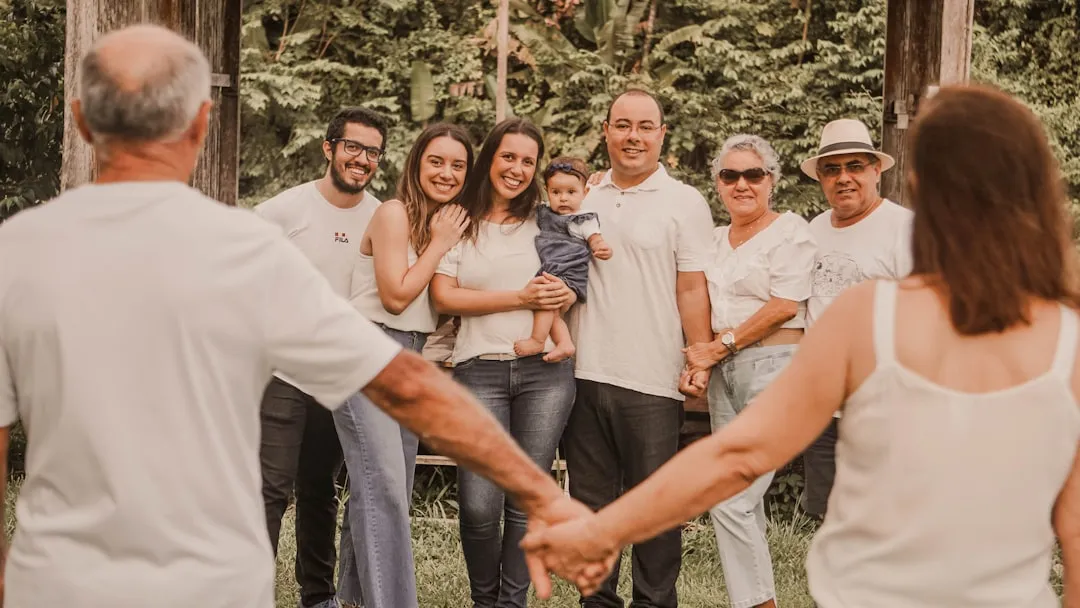
Trips for weddings, family reunions, and milestone birthdays are turning into larger personal adventures, as travelers add on days to explore destinations on their own time, in their own way. This is the “miles on milestones” trend identified in American Express Travel’s 2026 Global Travel Trends Report, which surveyed respondents across seven international markets.
Two thirds of global respondents plan to take a trip to celebrate a milestone for other people in 2026. Nearly four in five Millennials and Gen Z say that milestone trips feel more rewarding than a typical vacation. The reason is straightforward. When a trip is built around someone you love, the destination becomes secondary to the shared moment.
Slow Travel Is Gaining Real Ground
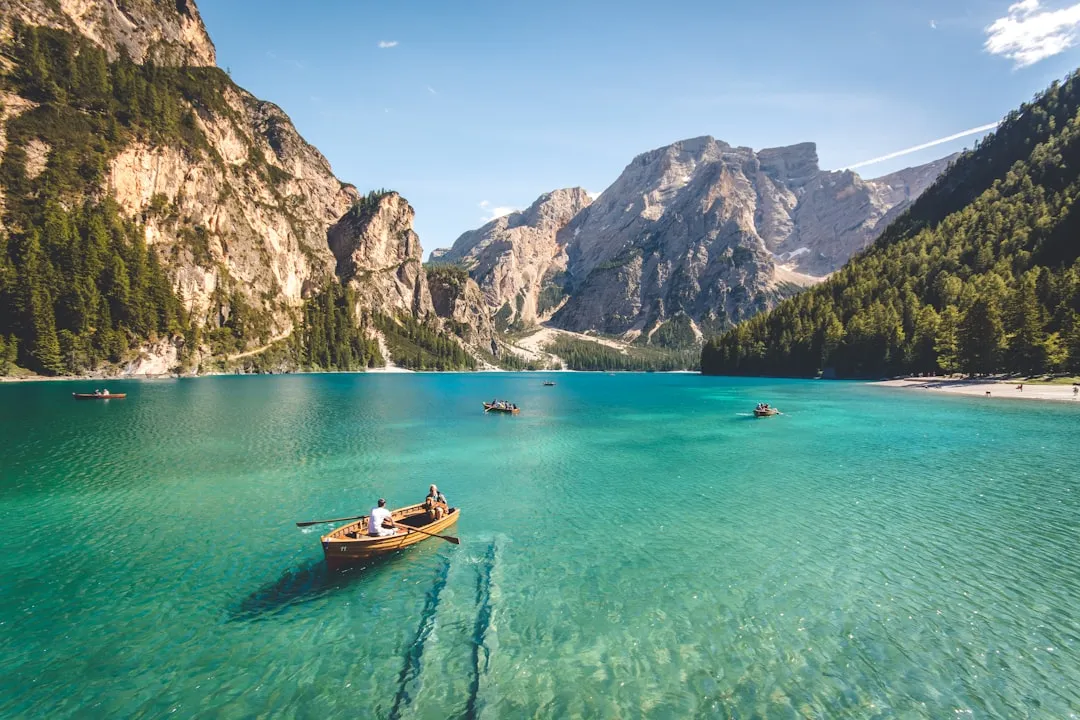
More and more travelers are trading jam-packed itineraries for personal experiences in 2025, with slow tourism clearly trending. This approach allows for deeper cultural immersion and more meaningful connections with destinations. It’s a quiet rebellion against the “twelve cities in ten days” school of travel.
More and more people are opting to spend more time in a single destination as well as revisiting the same destination multiple times to gain more insight and experience the places they visit like a local. Revisiting a place you love is actually a growing preference, not a sign of uninspired planning. Familiarity, it turns out, can deepen connection rather than dilute it.
Sustainability Is Shifting How People Think About Where They Go
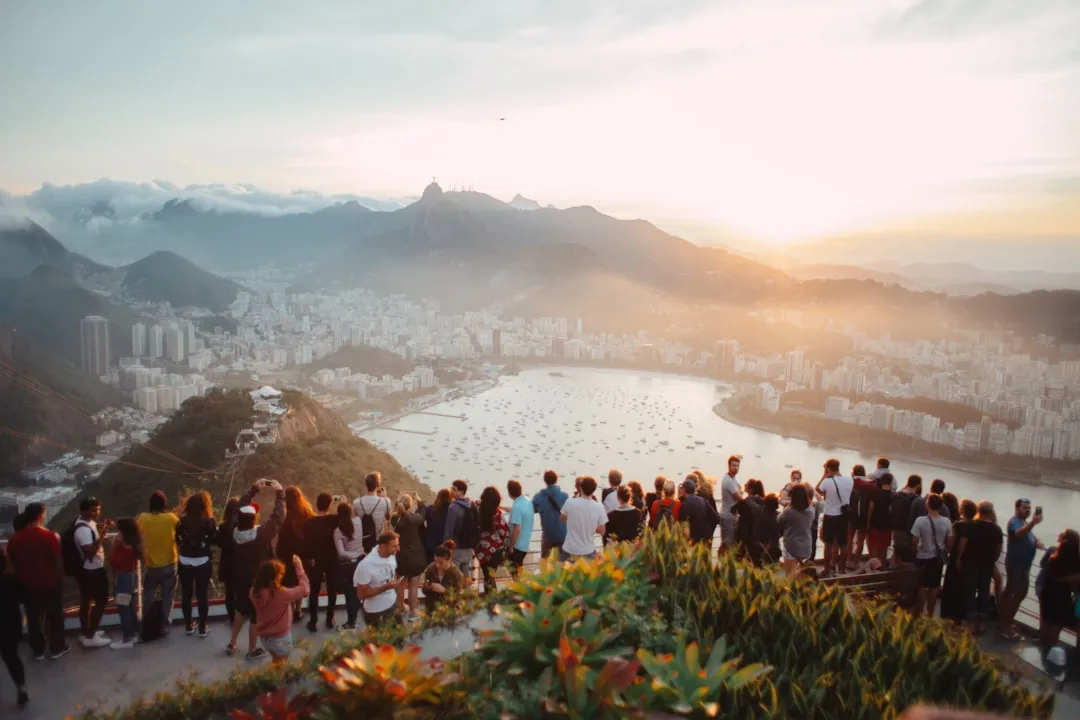
Sustainable tourism has emerged as a dominant force shaping travel decisions. A staggering proportion of global travelers say they want to make more sustainable travel choices, with the vast majority now considering sustainability a priority when planning trips. This isn’t just an environmental stance. It reflects a broader desire to travel with intention.
According to a report from the World Travel and Tourism Council (WTTC) and the Trip.com Group, more than two thirds of travelers are actively seeking sustainable travel options. Choosing where you go based on the impact you leave behind is, in its own way, an act of connection, to a community, a culture, and a place worth protecting.
Spontaneity and Discovery Are Making a Comeback

The vast majority of global respondents say they like to leave room in their itinerary for unexpected local discoveries. Nearly four in five global respondents say they’re likely to do something adventurous or outside their comfort zone while traveling, with Millennials and Gen Z even more likely to do so.
Data sourced from seven international markets shows sustained demand for travel, with roughly four in five respondents planning to take as many or more international trips in 2026 as the previous year, despite ongoing global uncertainties. That resilience suggests people aren’t traveling out of habit. They’re traveling because it still genuinely matters to them. The open itinerary isn’t laziness. It’s trust that the best things don’t always fit in a pre-booked slot.
What We Actually Remember Isn’t the Landmark

Travel in 2026 is becoming more intentional, with travelers seeking deeper value beyond the destination itself. That value shows up consistently in the data: skills learned, meals shared, generations gathered in one place, conversations with strangers who became something more.
This shift toward intentional travel represents more than a temporary trend. It’s a fundamental realignment of travel’s purpose in our lives. This year’s trends make it clear that travelers are focused on building itineraries that are all about standout experiences, creating memories, and engaging with local cultures and flavors.
A Closing Thought

Bucket lists aren’t going anywhere. The Great Barrier Reef, the temples of Kyoto, the streets of Lisbon, these places still pull at something real in us. But the question worth asking isn’t just “where haven’t I been?” It’s “what do I actually want to bring home from the experience?”
The answer, more often than not, has less to do with a city and more to do with a person, a conversation, a shared meal, or a skill you didn’t have before you landed. The destination becomes the backdrop. The connection becomes the story.
AI Disclaimer: This article was created with the assistance of AI tools and reviewed by a human editor.