
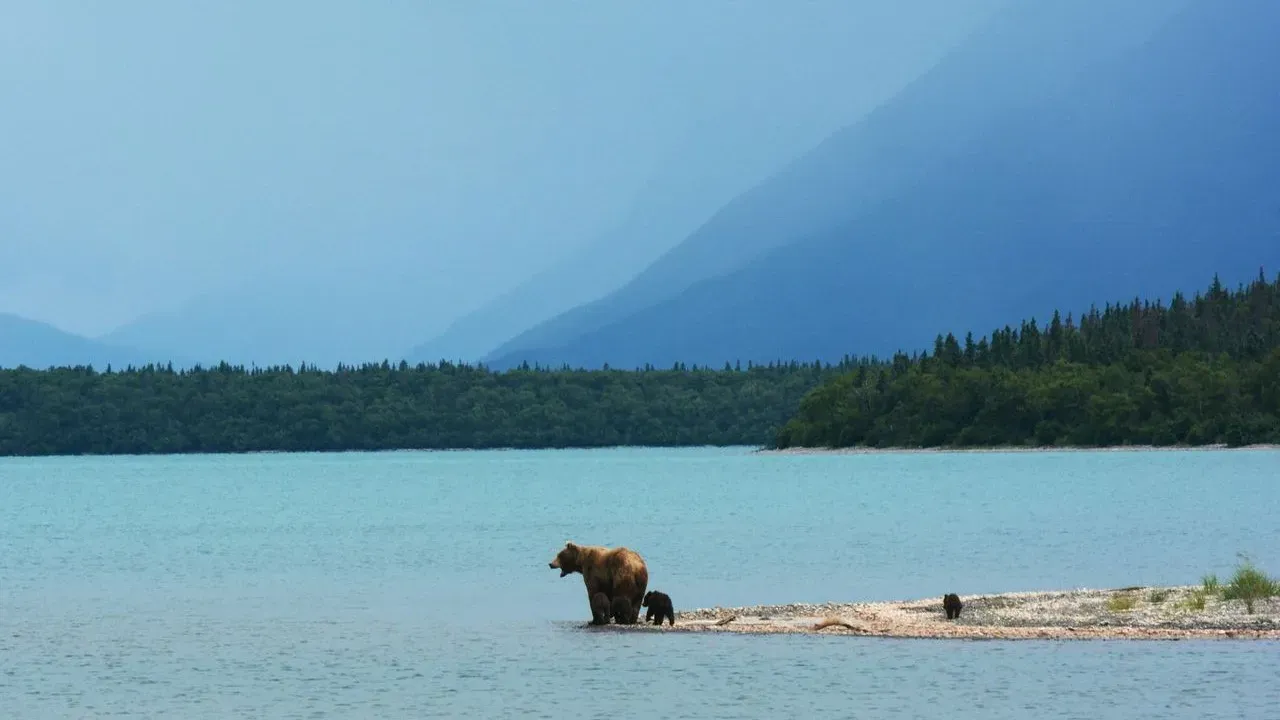

Alaska stretches across a vast and varied landscape where coastal waters meet rugged interior mountains, and many travelers find that a single mode of exploration leaves parts of the state out of reach. A cruisetour addresses this by linking a coastal voyage with a guided journey over land, creating a continuous itinerary that moves between sea and wilderness. The approach has become a common choice for visitors seeking a fuller sense of the region in one arranged trip. ([1])
The shape of a combined journey
A typical Alaska cruisetour begins with either a weeklong sailing along the southeastern coast or several nights of overland travel, then shifts to the remaining segment. The cruise portion usually calls at coastal communities and glacier areas that sit beyond road networks, while the land portion carries travelers by rail or motorcoach into the interior. Together the two segments often span ten to seventeen nights, giving time to move between environments that differ sharply in terrain and access. Travelers on these itineraries pass through places reachable only by water on one leg and then continue to inland destinations that reward slower, ground-level pacing on the other. The arrangement removes the need to coordinate separate bookings for flights, transfers, and lodging across long distances. Instead, the operator manages the sequence so that each day builds on the last without repeated packing and unpacking.
Reaching places that define the state
Glacier Bay National Park and Preserve lies at the end of a long fjord system where tidewater glaciers meet the sea, and most visitors arrive aboard a vessel that can navigate close to the ice. Juneau, the state capital, sits on an island with no road connection to the mainland, so a ship provides the most direct route for many. Farther inland, Denali National Park and Preserve rises around North America’s highest peak, a landscape best experienced from lodges and rail lines that cross taiga and tundra. These sites sit hundreds of miles apart, and the distances between them make independent routing time-consuming for first-time visitors. A cruisetour threads the locations together through a single reservation, allowing time at each without the logistics of arranging separate transport between remote points. The result is a route that samples both the maritime and the continental sides of Alaska in one continuous experience.
Operators and their distinct offerings
Six cruise lines account for the majority of these combined trips, each bringing its own fleet and network of lodges or contracted properties. Princess and Holland America maintain the largest selections and operate their own rail cars, motorcoaches, and wilderness lodges near Denali and other key areas. Royal Caribbean, Celebrity, and Norwegian offer fewer itineraries but still include stays at Denali along with additional stops such as Anchorage or Talkeetna. American Cruise Lines runs smaller vessels that reach quieter ports during the cruise segment, while Azamara provides shorter land add-ons that can attach to existing sailings. Holland America stands out for routes that cross into Canada’s Yukon Territory, adding another layer of northern landscape. Each operator selects lodging and transportation partners that match the pace and inclusions of its particular style of travel.
Choosing the right length and focus
Itineraries range from shorter programs centered on Denali to longer ones that add Wrangell-St. Elias National Park, Kenai Fjords, or time in Fairbanks. Some include escorted meals and a dedicated tour director throughout the land portion, while others leave more meals and daily pacing to the traveler. The season runs from May into September, with departures beginning as early as the first week of May and concluding in early September. When planning, travelers weigh how many nights they wish to spend in the interior against the number of coastal ports they hope to visit. Those who prefer a more structured pace often select escorted options, while independent explorers may favor programs with fewer inclusions. The variety means most visitors can match an itinerary to their preferred balance of guided time and personal exploration. The appeal of an Alaska cruisetour lies in the way it turns the state’s scale into an advantage rather than an obstacle, letting travelers move from tidewater glaciers to alpine tundra without resetting their journey at each stage. The format rewards those who value continuity and the chance to witness contrasting landscapes within a single, well-orchestrated trip.
AI Disclaimer: This article was created with the assistance of AI tools and reviewed by a human editor.