

There’s a particular kind of frustration that belongs entirely to airports: you’ve made your flight, cleared security, and you’re finally standing at the passport control booth, only for everything to grind to a halt. Sometimes the cause is a staffing shortage or a new border system. More often, though, the slowdown traces back to the traveler’s own document, and habits that are completely avoidable.
Border officers process hundreds of people every hour. They notice patterns. The same issues show up again and again, costing travelers valuable minutes and occasionally entire connections. Understanding what they’re looking for, and what stops that process cold, is genuinely useful knowledge for anyone who crosses borders regularly.
Presenting a Damaged or Worn Passport
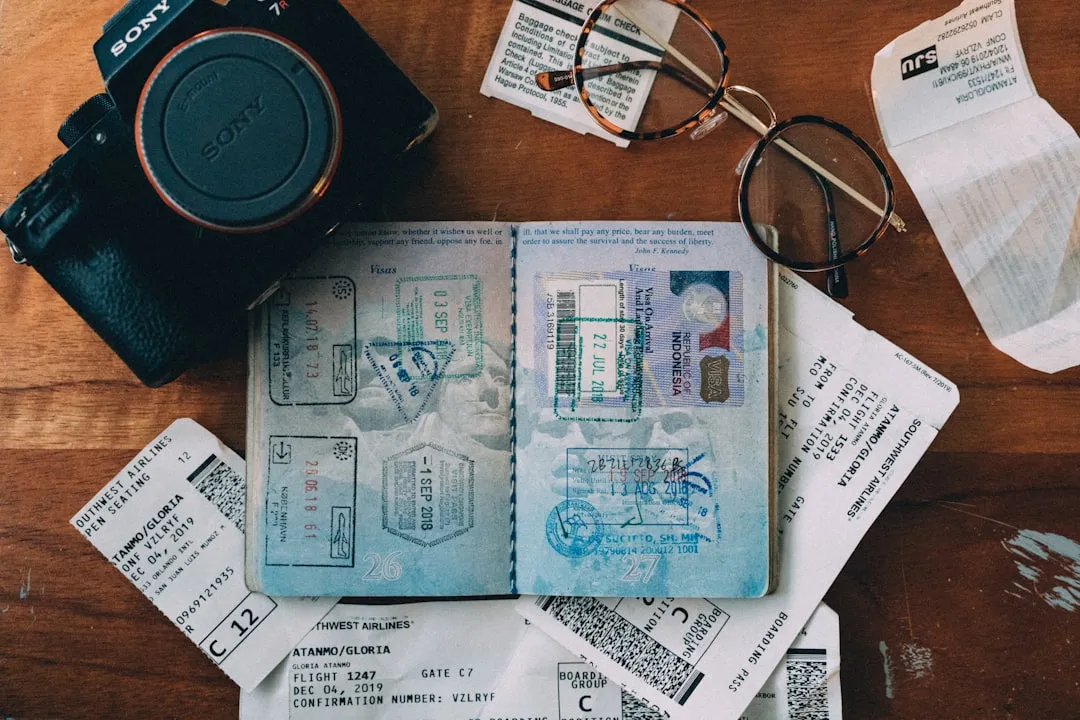
It’s the most common source of avoidable delay at the booth, and most travelers don’t see it coming. Travelling abroad requires more than just an in-date passport or a valid visa. The physical condition of your passport is equally important, and even small signs of damage can lead to denied boarding at airports, immigration delays, or refusal of entry at your destination.
Modern passports contain microchips, holograms, and machine-readable zones. If any of these features are compromised, scanners may fail, and border officials may also suspect tampering, increasing the risk of refusal.
Water damage, tears, stains, loose pages, peeling laminate, unofficial markings, and chip issues can all get you questioned at check-in, refused boarding, or stopped at border control. The problem is that you don’t get to decide alone that the passport is “good enough,” because the airline agent, immigration officer, scanner, and destination rules all matter.
Not Removing the Passport from Its Protective Cover
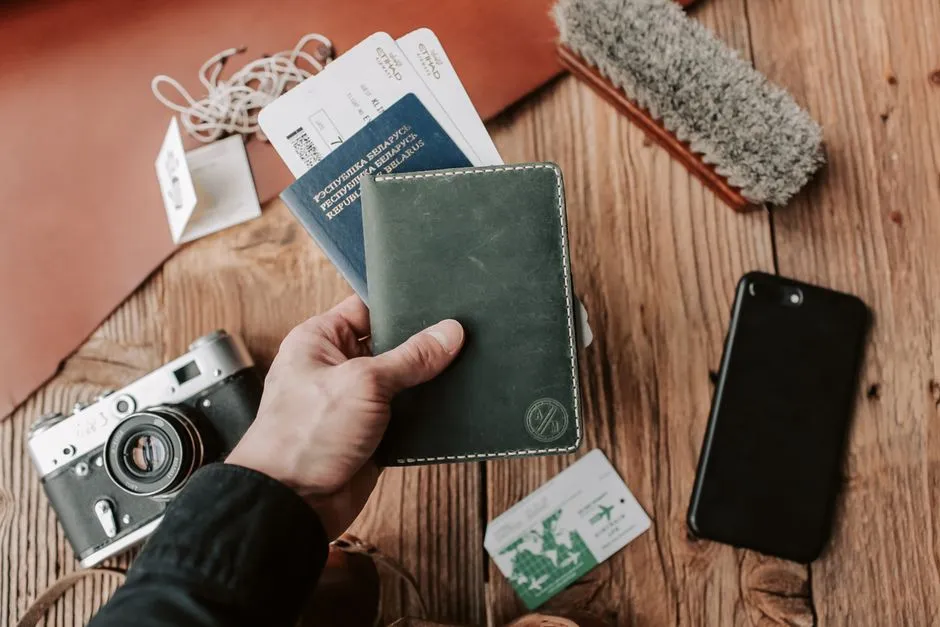
Passport holders and slim protective sleeves have become popular travel accessories, and for good reason. The irony is that keeping your passport inside one at the wrong moment is a documented source of delays at automated gates.
All biometric passports contain a microchip, which can be damaged if not handled correctly. A passport may be damaged or worn so the eGate cannot read the microchip or the biodata. Even an undamaged, perfectly valid passport inside an RFID sleeve will fail to scan.
You may not have removed the passport from a protective cover, inserted the correct page fully, or pressed down firmly – and any of those small oversights can send you to a staffed booth instead of the fast lane. Take it out of the sleeve before you approach the gate, every time.
Letting a Passport Get Too Close to Expiry
A common passport mistake is not adhering to the “six-month validity rule.” Many countries require that your passport be valid for at least six months beyond your intended departure date, and this rule applies to most destinations across Europe, Asia, Africa, and the Americas.
This is far and away the most common mistake people make when traveling internationally. While some countries only require three months of passport validity after your departure date, others require six, meaning your passport will need to be valid for at least three to six months beyond the full dates of your trip, not from your trip’s start date.
Ignoring this rule can lead to a denied boarding pass or being turned away at the border, severely impacting your journey. With current delays in passport renewals, waiting until the last minute to renew could lead to a drawn-out process, causing delays and unnecessary stress.
A Passport Photo That No Longer Looks Like You
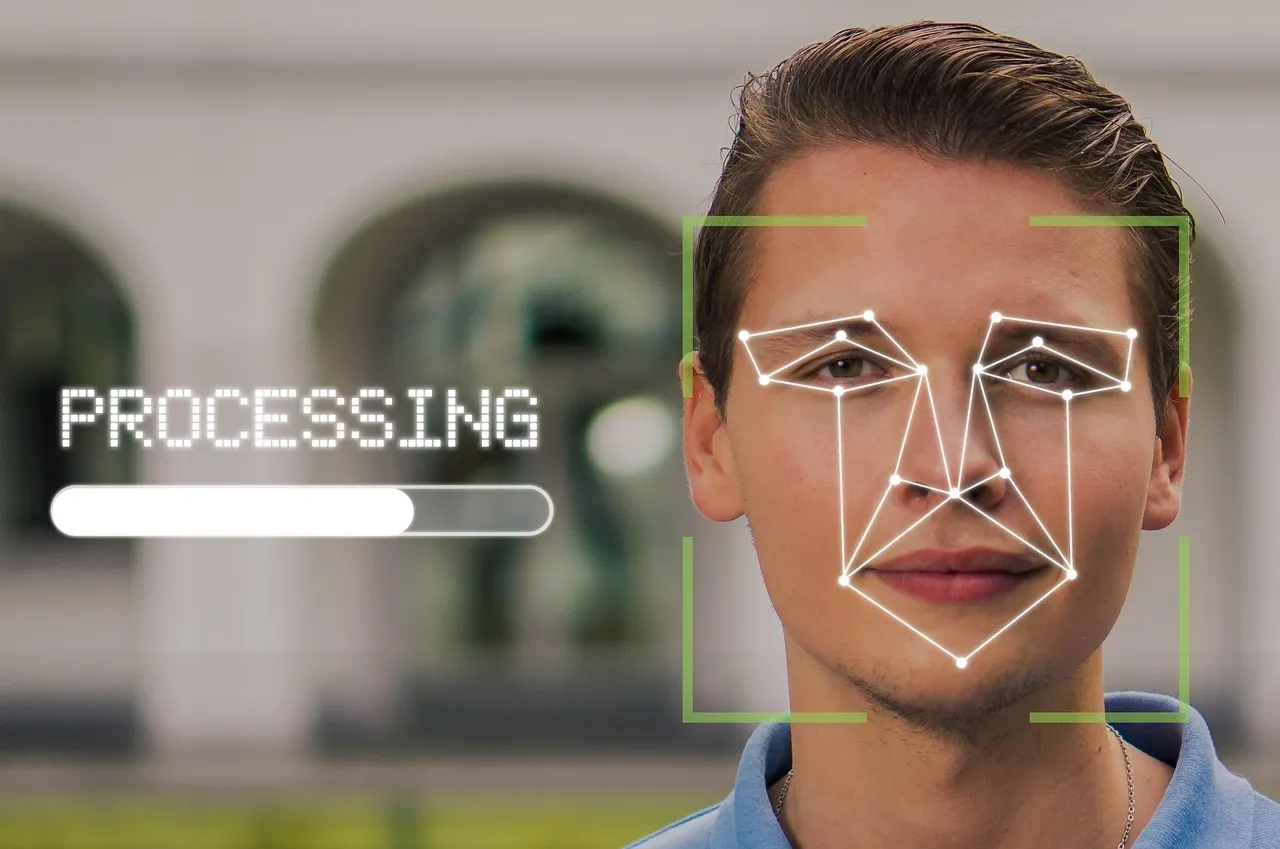
Facial recognition at border crossings has become substantially more sophisticated, and that cuts both ways. When the system works, it’s fast. When there’s a mismatch, it flags the traveler immediately for additional screening.
Small mismatches happen for normal reasons: an old passport photo, major appearance changes such as weight loss, beard, or hair, harsh overhead lighting, glare on glasses, hats, hoods, masks, or just a tired “airport face.” If the system can’t confidently match you, it doesn’t debate – it flags you.
If your passport photo is wildly out of date, renew before big trips. At the kiosk, remove hats and glasses if asked, face the camera straight on, hold still for a second, and don’t smile or tilt your head. A neutral and centered presentation clears faster.
Name Mismatches Between the Passport and Travel Documents
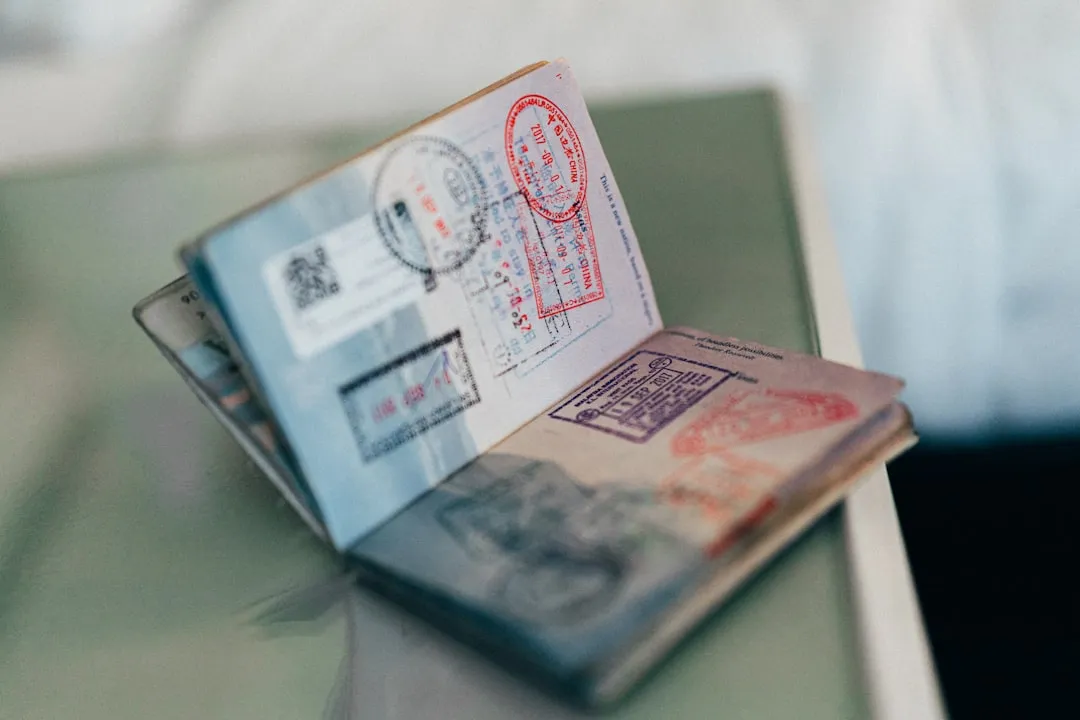
A name discrepancy between a passport and a plane ticket looks minor to the traveler and significant to a border officer. It’s one of those small things that consumes a disproportionate amount of time at the booth because it triggers a manual verification step that can’t be skipped.
The most common passport correction issue is a misspelled name, because a name mismatch between the passport and other travel documents such as tickets or visas can lead to issues at immigration checks.
Something as simple as forgetting to request a passport name change can completely derail an international trip. If you changed your last name after getting married, for example, a passport name change may be in order. Catching this before travel rather than at the border is the only reliable fix.
Giving Inconsistent or Vague Answers to Officers
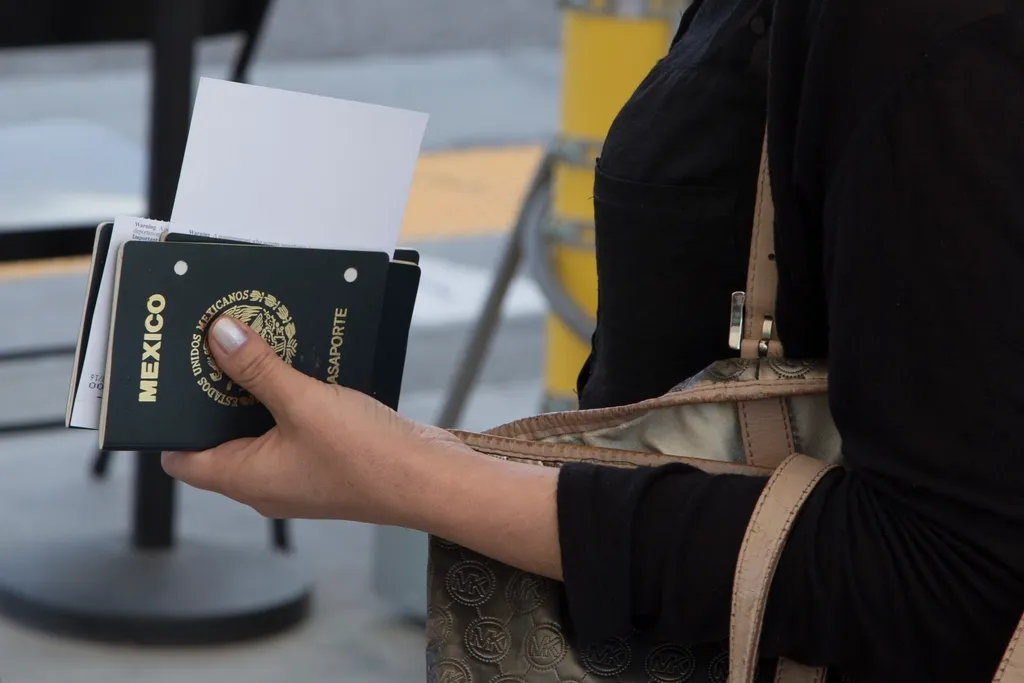
The verbal exchange at a passport booth is brief, but officers are trained specifically to spot inconsistencies between what a traveler says and what their documents show. Nervous hesitation or vague answers to routine questions can extend the process significantly.
Consistency matters enormously at border control. Do your answers match your documents and your itinerary? Officers are trained to notice discrepancies, and nervous or defensive responses tend to prolong the process significantly.
The booth is not a conversation – it is a test. The officer is cross-referencing everything you say against what the system already knows. Simple, direct, consistent answers move things along far more efficiently than over-explaining.
Attempting to “Repair” a Damaged Passport Yourself
It seems logical in the moment: a small tear, a slightly separated laminate, a page that’s come loose. The instinct to fix it with a strip of tape or a drop of glue is understandable. At the border, though, it’s one of the more serious problems you can create for yourself.
Do not attempt to repair a damaged passport. A homemade repair – glue on a torn page, tape over a separated laminate, any attempt to flatten laminate – looks like tampering.
The State Department defines a “mutilated” passport as one that is “torn, altered, or otherwise compromised so that it no longer functions as proof of identity and citizenship.” This definition is intentionally broad, giving officers wide discretion. A passport that technically still shows your information but shows signs of alteration or compromise will be treated as invalid regardless of whether the traveler considers the damage minor.
Not Using Available Pre-Clearance Technology
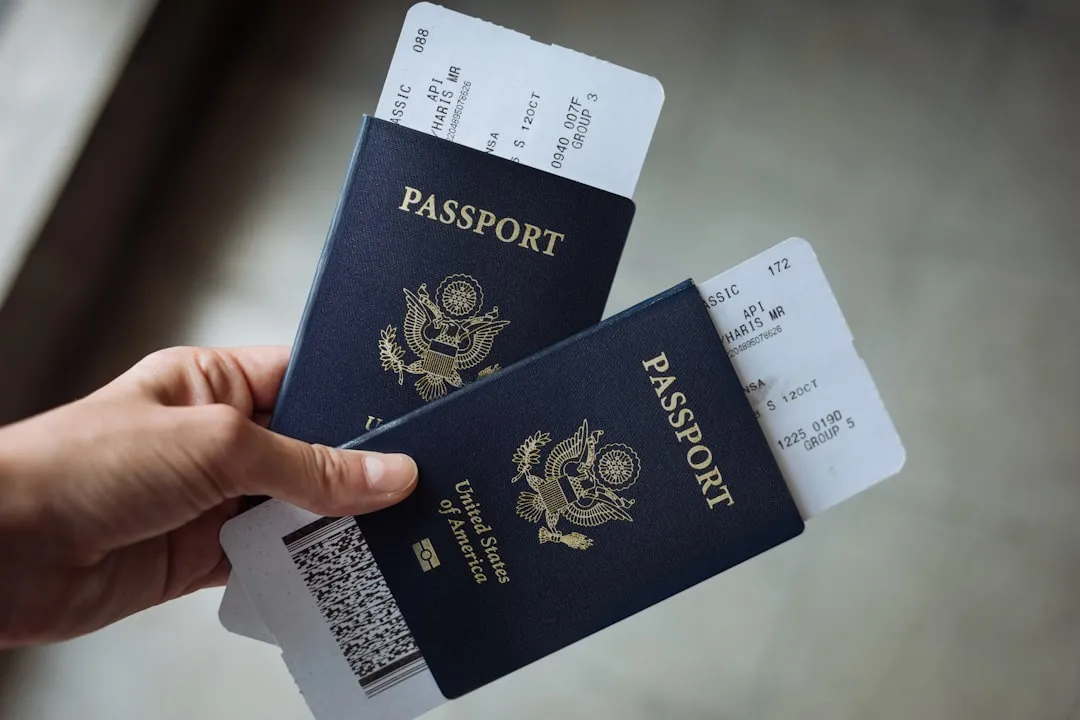
One of the clearest patterns in recent years is the gap between travelers who prepare their documentation digitally and those who don’t. The tools exist, they’re free or low-cost, and they make a measurable difference at the border.
U.S. Customs and Border Protection encourages travelers to utilize mobile applications with technological enhancements to help speed up the travel process. Global Entry, for example, launched a new mobile app that allows members to complete their entry processing on their phones before even leaving the plane.
International travelers who are not Global Entry members can take advantage of the Mobile Passport Control app, which allows travelers to submit their passport and travel information in advance with a mobile device, resulting in less congestion and more efficient processing. The traveler who arrives at the booth having already submitted their details is simply faster to clear.
Traveling with a Biometric Chip That Won’t Scan
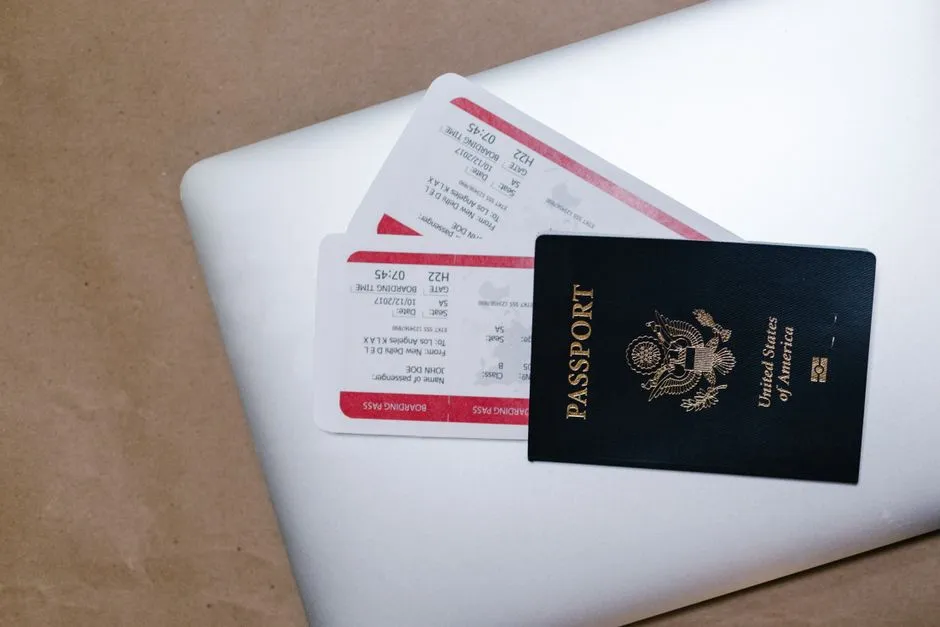
Most people don’t know their passport’s chip is compromised until the e-gate fails to open. At that point, they’re redirected to a staffed lane, which tends to be longer, and the officer handling the manual check may ask additional questions about the condition of the document.
Modern passports contain a biometric chip in the back cover. Water can damage or corrupt this chip without any visible indication. A passport may pass visual inspection at check-in and fail electronic scanning at the border. If your passport was significantly wet, this is the risk that’s hardest to pre-assess.
In many places, a chip that doesn’t scan can send you to manual checks instead of an e-gate, and in stricter border environments it may raise extra questions about the document. The safest approach: if your passport has ever been submerged or seriously wet, have it checked before your next trip.
Waiting Until the Last Minute for New Border Registration Systems
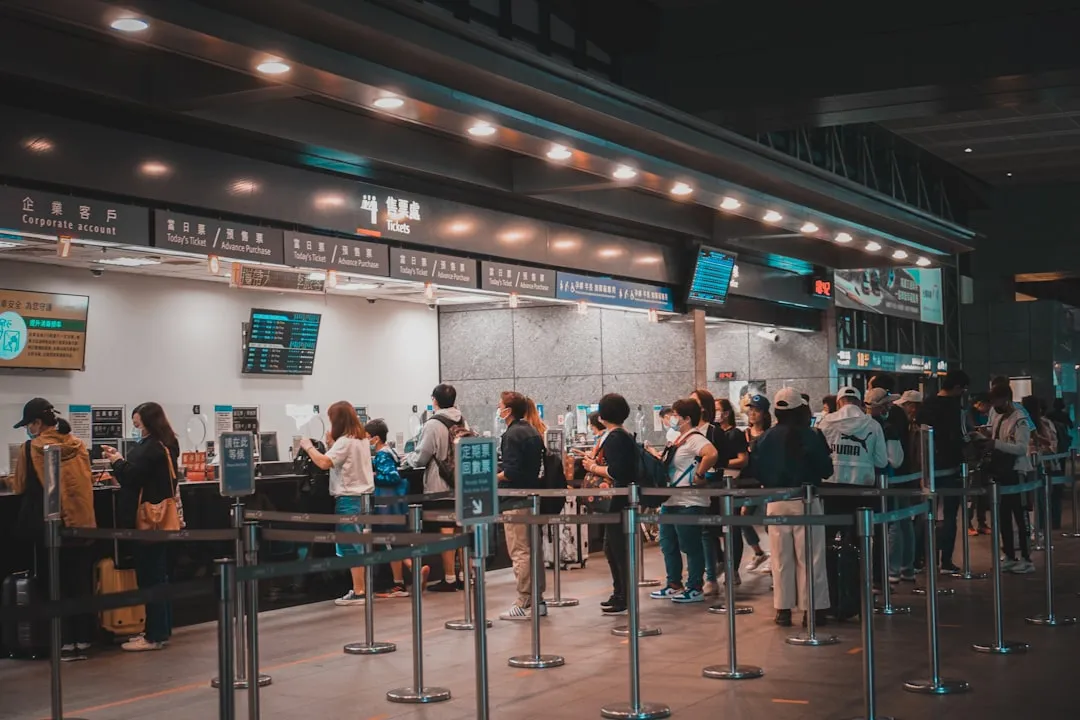
The introduction of Europe’s Entry/Exit System has made the consequences of poor preparation very concrete in 2025 and 2026. Although authorities began the EES phased introduction in October 2025, the rollout has caused serious slowdowns, with travelers at certain European airports reporting waiting hours at passport control. Some missed flights entirely.
Travelers have been warned to prepare for delays as the EES rollout expanded, with a new report noting that the disruption at borders reflects the combination of several operational issues with the deployment of the system. Some passengers waited up to three hours at airports.
The process is most often done at automated self-service kiosks, although some travelers must register with a border control officer in person. Arriving informed about which category you fall into, and with your documents fully in order, is the single most effective way to avoid becoming part of the delay rather than moving past it.
The Takeaway
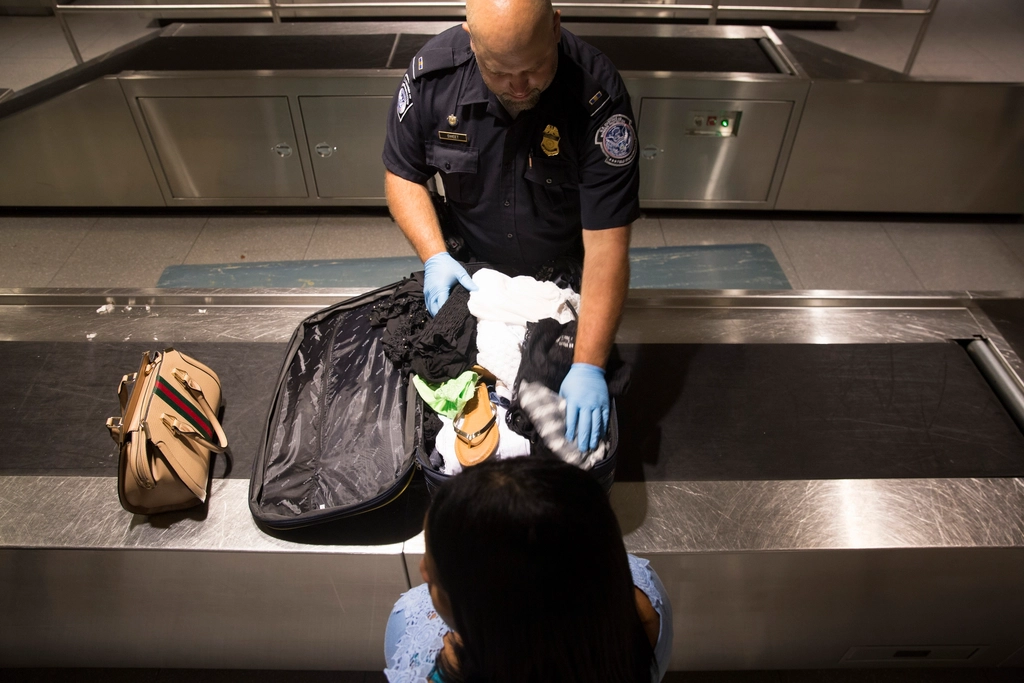
Border agents aren’t looking for reasons to slow travelers down. Quite the opposite: their goal is to move people through as efficiently as the rules allow. The delays that frustrate everyone almost always originate with preparation that didn’t quite happen, a document that wasn’t checked, or a habit formed years ago that no longer fits the realities of modern border technology.
The good news is that every issue covered here is fixable before you leave home. Check your passport’s physical condition, confirm it meets the validity requirements of your destination, update your photo if your appearance has changed substantially, and take five minutes to register with a pre-clearance app. That’s the entire list. A small investment of attention before the trip means the booth takes seconds, not an anxious, uncertain stretch of minutes that nobody wants to experience.
AI Disclaimer: This article was created with the assistance of AI tools and reviewed by a human editor.