

The Problem With Crowd-Chasing the Spring Peak
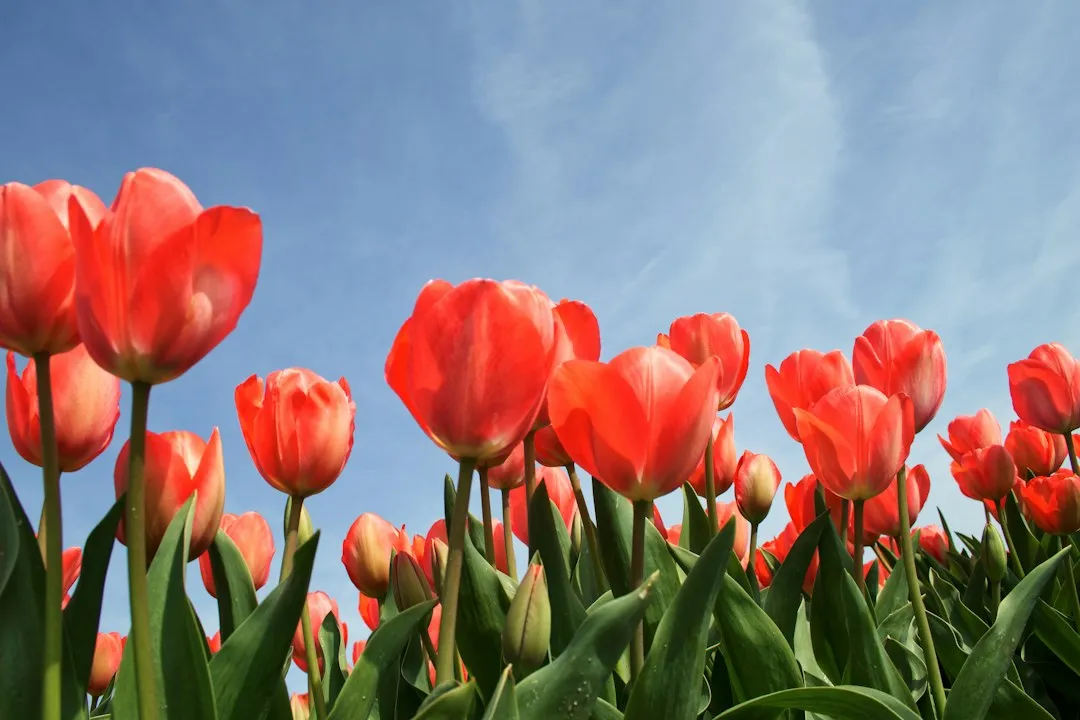
Spring bloom weeks are genuinely spectacular, but they come with a cost. In 2025, Keukenhof in the Netherlands attracted 1.4 million visitors, equivalent to roughly 26,500 per day during its eight-week tulip display. That level of foot traffic, while a testament to floral beauty, makes quiet contemplation nearly impossible. Horticulturists working these grounds understand the trade-off better than anyone.
The Chicago Botanic Garden draws more than one million visitors annually, making it the second most-visited botanic garden of its size in the United States. The bulk of that traffic concentrates around spring exhibitions. What happens later in the season, when attendance thins and plants continue to perform, is a story that rarely reaches the public.
What Horticulturists Actually See All Year
Botanical gardens offer beautiful sights all year long, and each plant peaks at its own time of the year, making each season a genuinely unique experience. That sounds like marketing language, but it reflects a real horticultural truth. The plants don’t take a break when the Instagram crowd leaves. They simply bloom for a different, smaller audience.
Cornell Botanic Gardens invites visitors in spring as new life unfurls, in summer as the gardens explode in blooms, in fall when the landscapes are alive in color, and in winter when a quiet beauty becomes even more striking. Garden staff who work year-round often say that late summer and fall are the seasons they look forward to most personally.
The Overlooked Window: Late Summer Into Early Fall
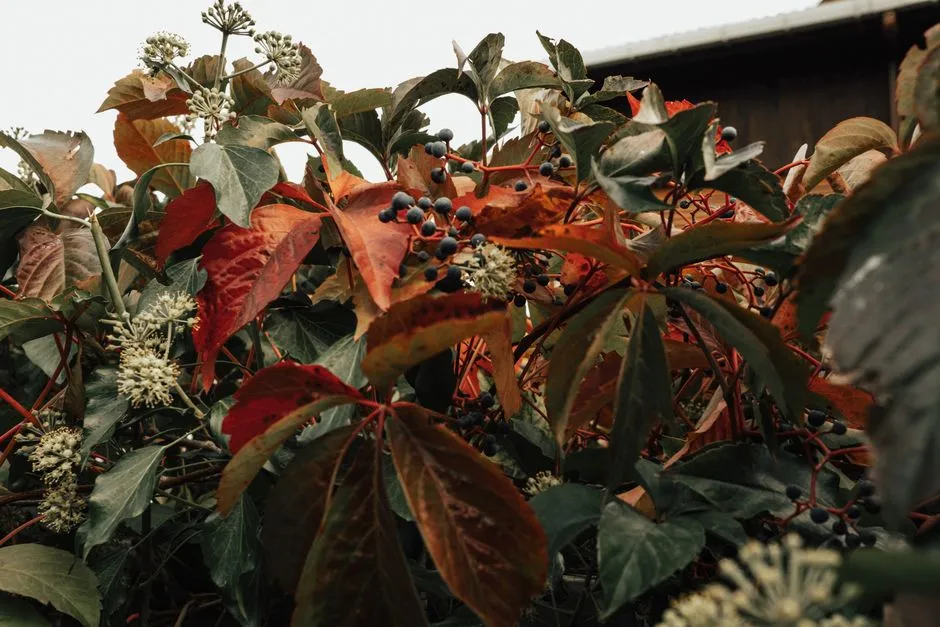
There are strategies that can reenergize the September garden, with late-blooming plants providing flowers and resources to pollinators. Native species can seed in from wilder areas and produce plants worthy of any garden in fall. This is not a consolation prize. It is a full, distinct horticultural season with its own cast of performers.
Some plants are hidden among others through the summer but really shine when in bloom come fall. These late options help a garden shine even at a time when gardeners are getting ready to put down the trowel for the season. Horticulturists at the New England Botanic Garden at Tower Hill highlight exactly this dynamic when discussing their fall plant selections.
Asters and Goldenrods: The Underestimated Stars
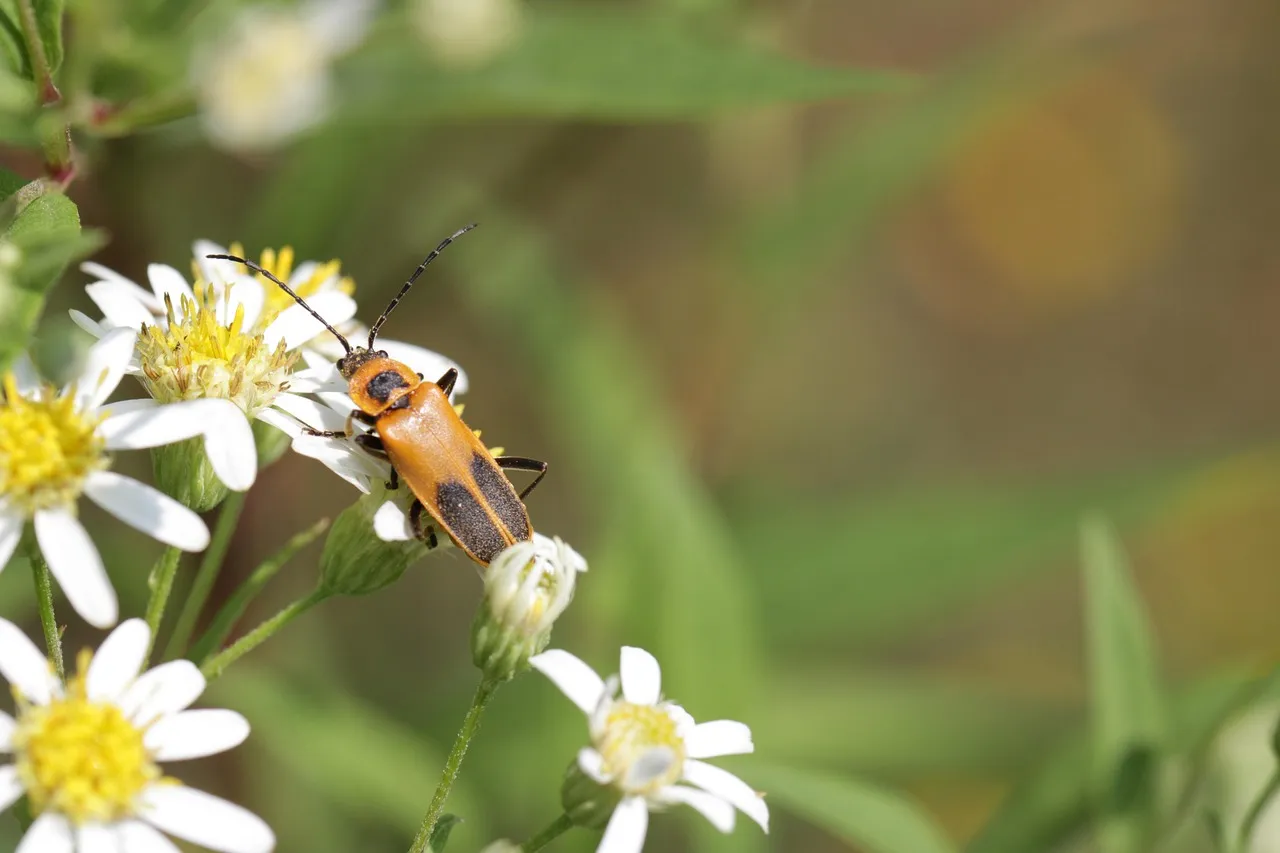
Asters and goldenrods offer a wide variety of flower types that thrive in the shade of summer blooming plants and grow into glorious plumes of flower color by early fall. These are plants that spent all summer quietly building energy, and then they deliver. Most casual visitors simply aren’t there to see it.
The ornamental grass collection at many gardens reaches peak bloom in autumn, while perennial sections feature mums, Montauk daisy, and fall-blooming native plants like New England aster and goldenrod. These combinations have a warmth and texture that contrasts sharply with the delicate pastels of spring, offering a completely different visual register.
Fall Bloom Collections That Reward the Patient Visitor
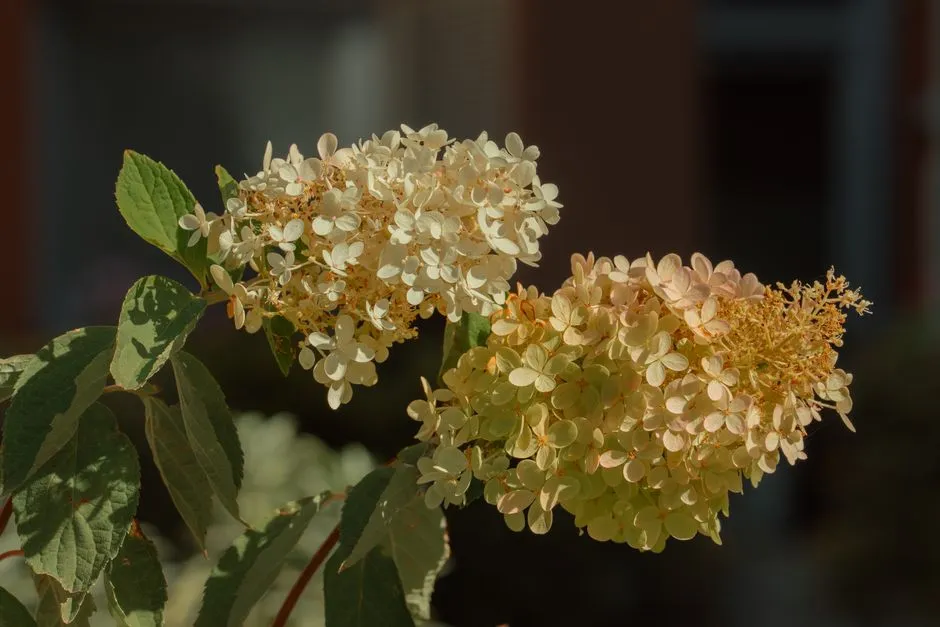
Stonecrop species growing in beds among rocks bloom in autumn, with some producing colorful, succulent leaves. Other bright blooms persisting through early fall include purple-speckled toad-lilies and Japanese anemones. Brooklyn Botanic Garden documents these fall highlights specifically because staff know visitors often don’t think to look for them.
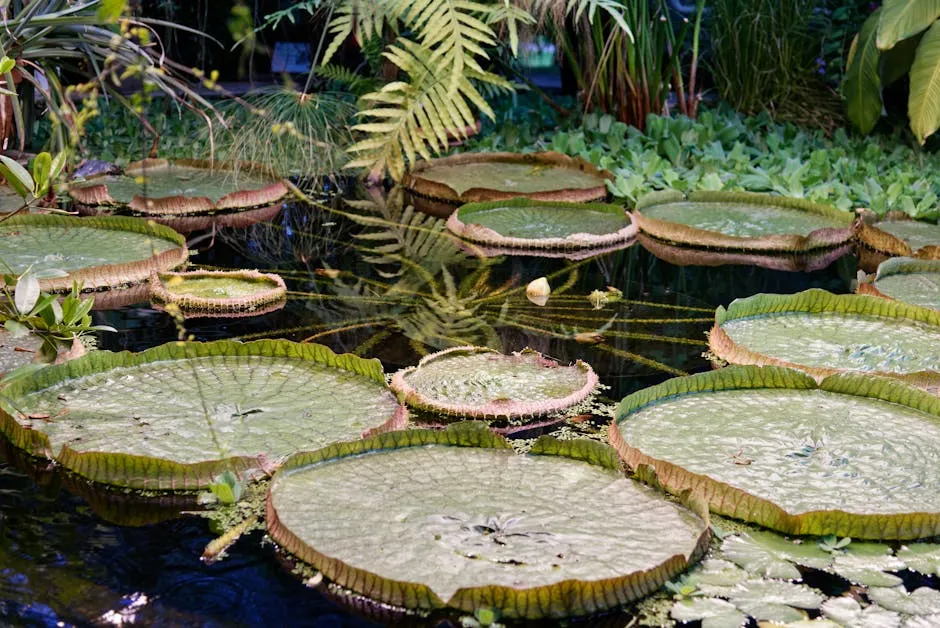
Carnivorous plants and outdoor tropicals remain colorful and blooming well into October, while butterfly gardens, water gardens, and hardy tropicals flourish through summer and early fall. The UNC Charlotte Botanical Gardens calendar makes this explicit: the richness of the season simply doesn’t stop where most people assume it does.
The Rose Garden’s Second Act
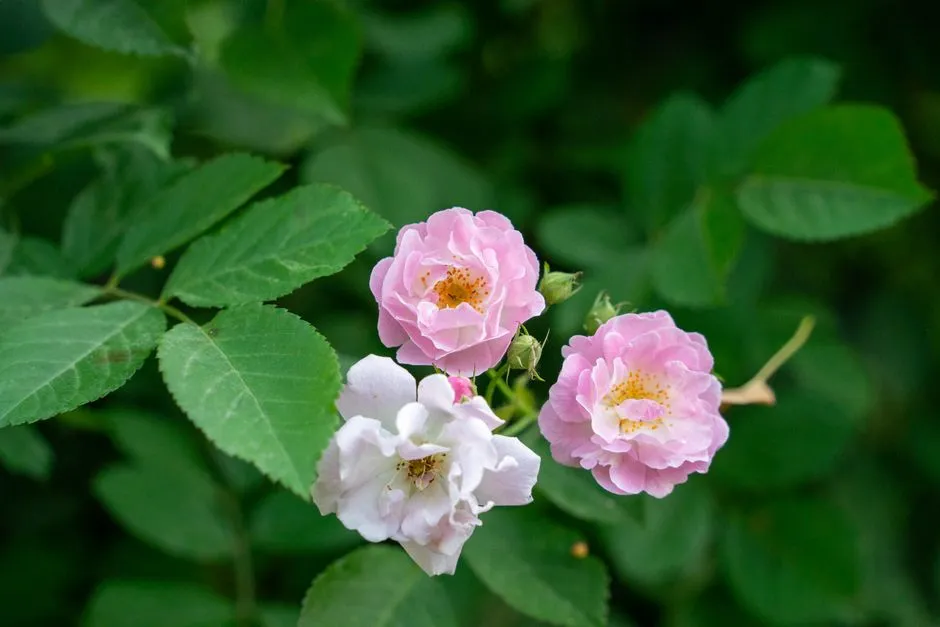
Many visitors think of roses as a purely spring or early summer phenomenon. The reality at major botanical institutions tells a different story. As of 2024, the New York Botanical Garden maintains 4,018 individual rose plants representing 37 different species and 652 cultivated varieties, each with their own unique bloom time. That staggered calendar means roses are blooming across a far wider window than most people realize.
Visitors can experience the spectacle at the Peggy Rockefeller Rose Garden in late spring and early fall, both considered can’t-miss occasions. The fall rose bloom, in particular, attracts a fraction of the visitors that descend in June. The quieter garden allows you to actually smell the flowers, which is, after all, the point.
Rare Bloom Events That Draw Dedicated Crowds
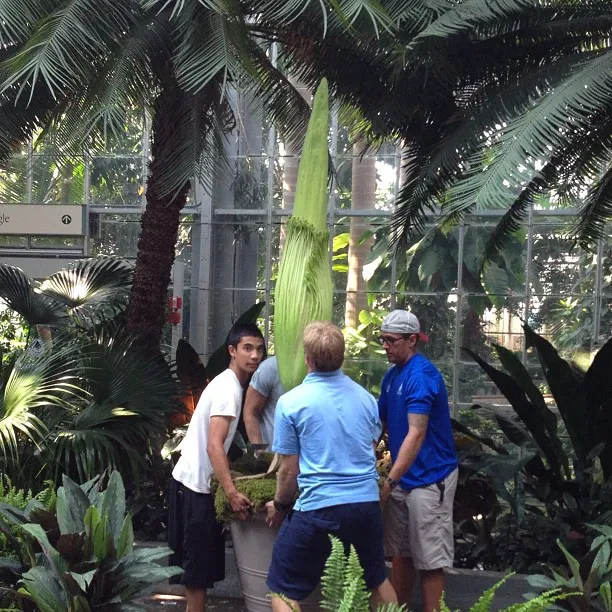
Some blooms are so infrequent that horticulturists track them obsessively, and for good reason. In 2024, two rare and spectacular corpse flower blooms from the San Diego Botanic Garden’s permanent collection captivated audiences both on-site and online. Events like these have no fixed season and no advance warning. The garden community pays attention in a way that casual visitors rarely do.
These rare flowering events serve as a reminder that botanical gardens are living, dynamic places, not static displays. The horticulturists who tend them know that any given week can produce something extraordinary, regardless of what season is printed on a travel guide.
Crabapples and Other Hidden Gems Within Plain Sight
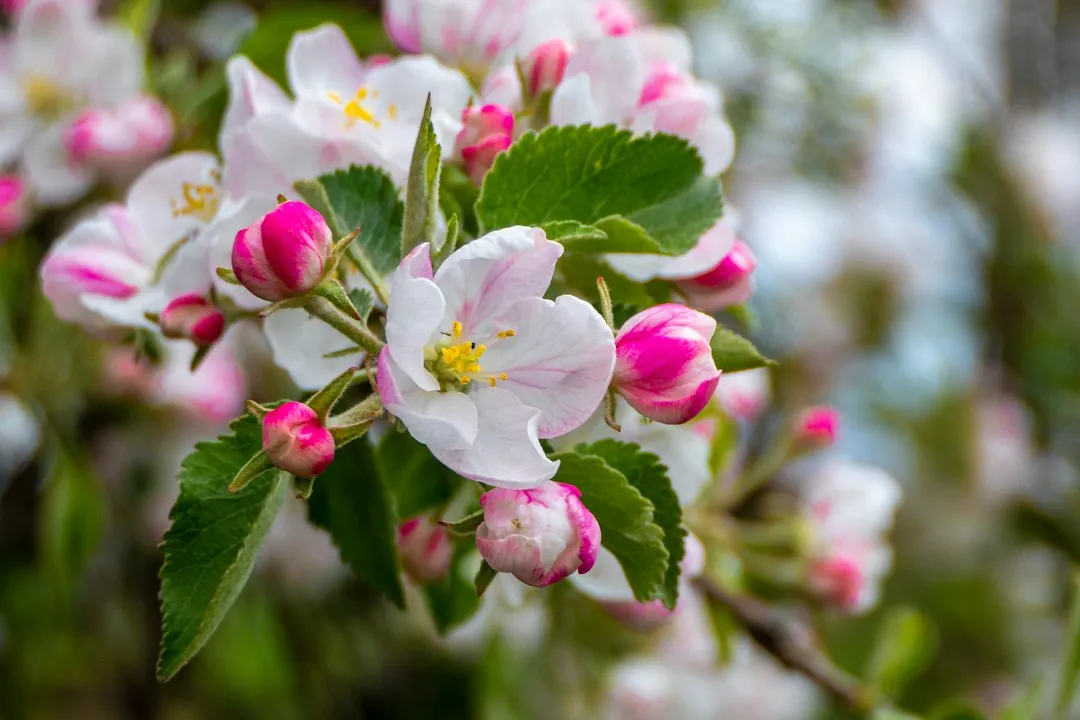
Even in the busy spring season, some of the most beautiful displays go largely unnoticed because visitors focus on the famous headliners. The crabapple trees of Apple Allee at the Missouri Botanical Garden often get overshadowed by the Japanese cherry blossoms blooming nearby. These trees bloom simultaneously and with genuine beauty, but the crowd’s attention is already committed elsewhere.
Garden staff encourage guests to visit more than once and to take a path they haven’t explored in a while. That simple piece of advice contains a real insight. The garden that exists just off the main path, or just after the famous bloom week ends, is often the one that horticulturists love most.
Daffodil Peak and the Third Week of April Paradox
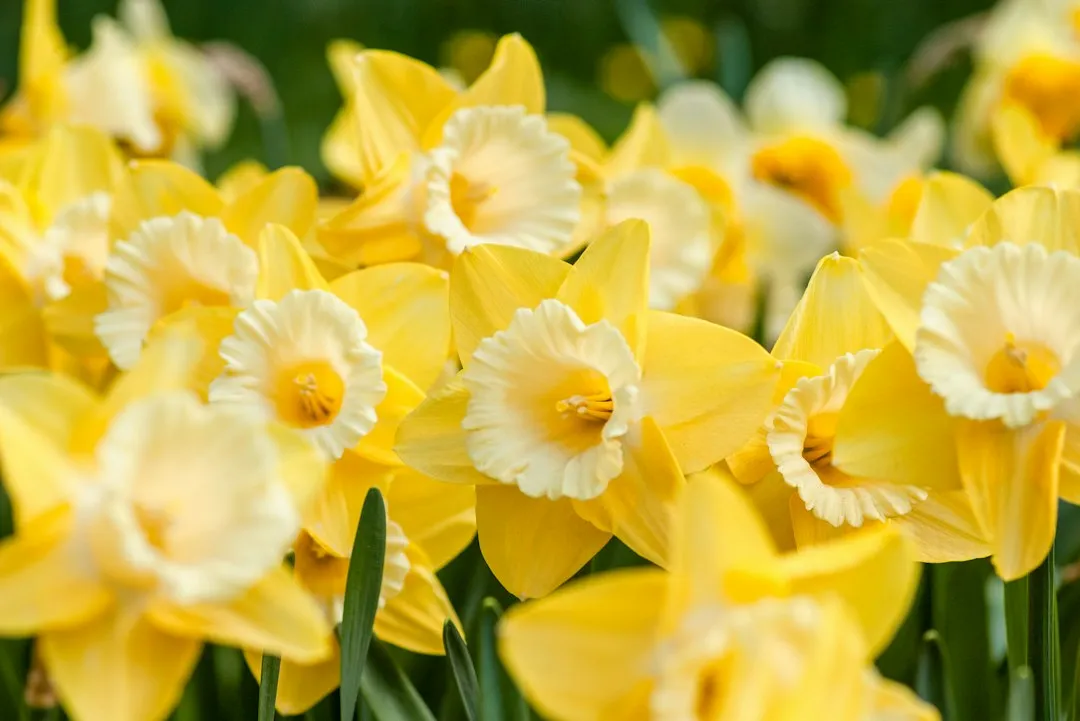
Not every hidden bloom week is in fall. Some are buried inside the spring calendar itself, just slightly outside the window most visitors target. The Field of Daffodils at the New England Botanic Garden features more than 25,000 daffodil bulbs that, depending on weather, reach peak bloom around the third week of April. That timing is later than many visitors expect, and it means a significant portion of the annual crowd arrives a week or two too early.
Weather variability makes precision difficult, and that uncertainty is one reason horticulturists encourage checking garden-specific bloom trackers rather than relying on general seasonal assumptions. Plant health, pruning schedules, and weather can all affect bloom periods, sometimes shifting a peak display by a week or more in either direction.
How to Visit the Way Horticulturists Do
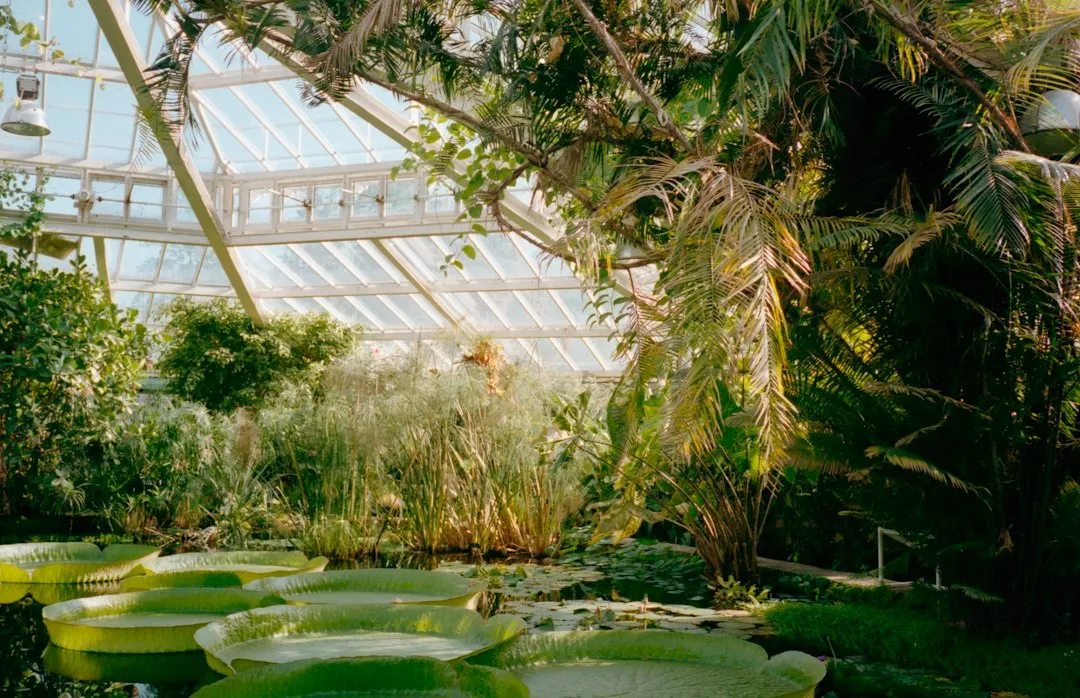
Checking a garden’s seasonal calendar to catch peak blooms, like desert wildflowers in spring or fall foliage, and planning a route to hit highlights while they’re at their best is standard advice from garden professionals. The key difference between a horticulturist’s visit and a casual one is intentionality. They know what’s about to peak, not what peaked last week.
Arriving early to beat crowds, staying on designated pathways, and planning a route around seasonal blooms are simple practices that dramatically change the quality of a garden visit. Many gardens also offer guided tours specifically timed to seasonal highlights. At the Beal Botanical Garden, horticulturist-led autumnal tours engage all five senses while embracing seasonal changes, precisely the kind of experience that rewards visitors willing to show up outside the obvious windows.
The Takeaway
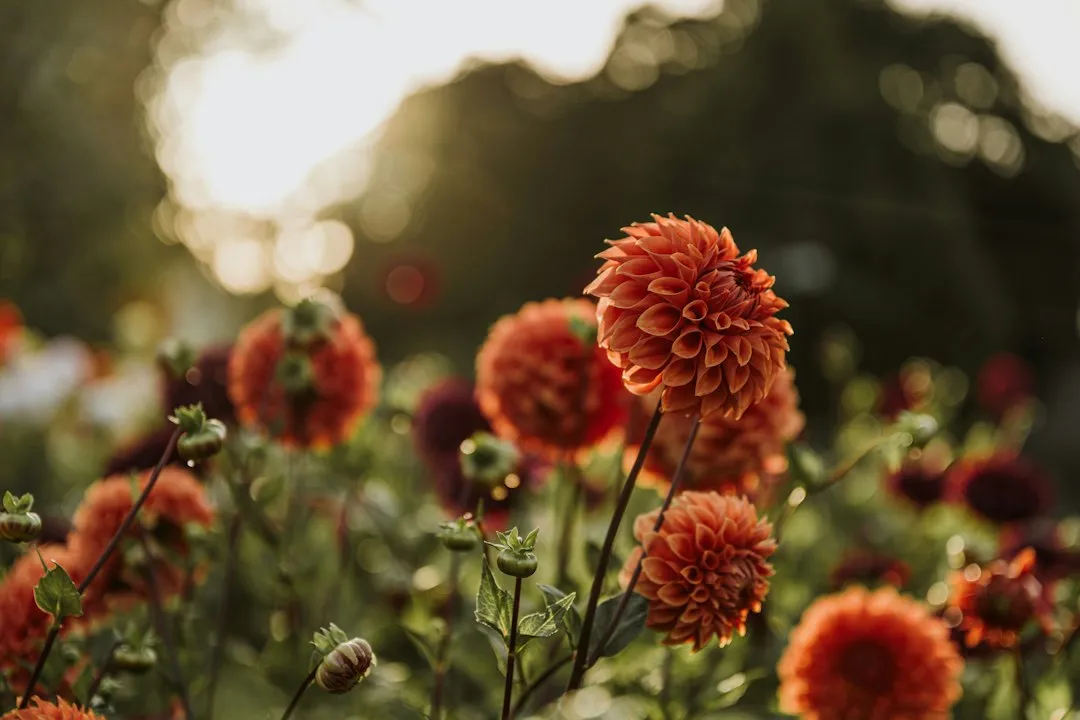
The bloom week most visitors miss is rarely a secret. Garden websites, seasonal highlight guides, and horticulturists who lead tours all point toward it with genuine enthusiasm. The gap is simply between the information that’s available and the assumptions that most travelers carry.
Spring will always have its place, and rightly so. The blooms are real and the joy is genuine. Still, there’s something worth considering the next time a botanical garden’s spring tickets are sold out or the parking lot is overflowing. The horticulturists who tend those grounds year-round will tell you the same thing, quietly and without much fanfare: the garden that’s worth seeing is also there in September.
AI Disclaimer: This article was created with the assistance of AI tools and reviewed by a human editor.