
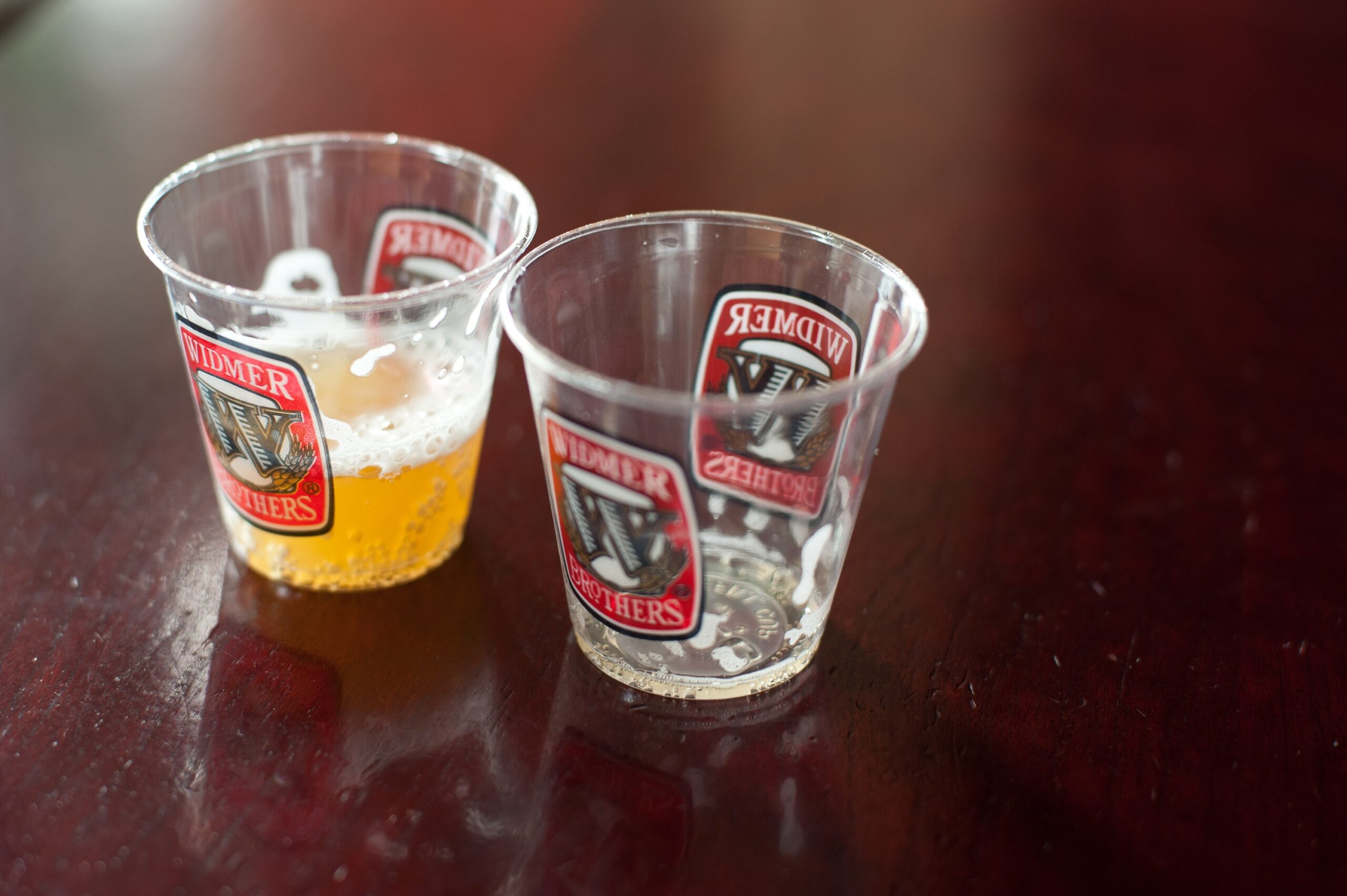

Walking into a well-run brewery tasting room, you’ll quickly notice that the people who get the most out of their visit aren’t necessarily the most knowledgeable beer drinkers in the room. They’re the ones who follow a thoughtful approach to how they work through the samples. Sequence matters far more than most visitors realize.
There’s a real craft to navigating a brewery tour, and the guides who do it day after day have picked up a few things that most guests simply don’t know to ask about. What follows draws on established tasting principles and the practical wisdom that’s become standard across the industry.
Start Light, Move Dark: The Golden Rule
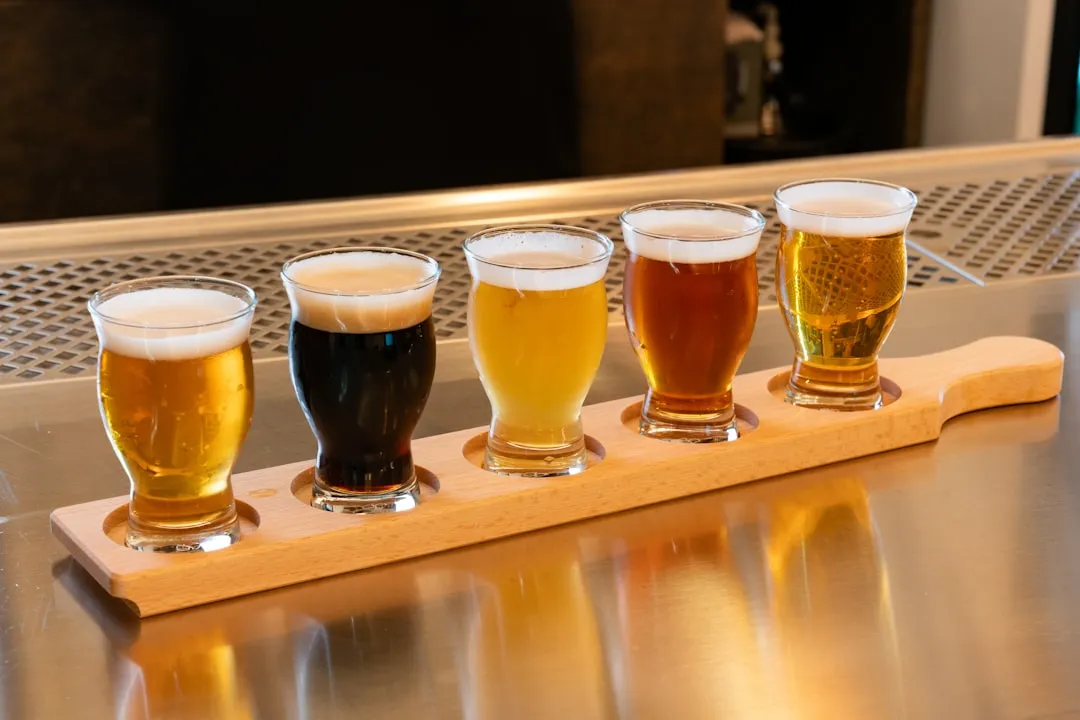
Drink lighter beers first and then move towards darker beers for a clearer palate as you taste. This isn’t just convention; it’s sensory logic. While both light and dark beers can cover a wide variety of flavors, dark beers do tend to be more intense.
A crisper, cleaner light beer may taste watery and bland if you sip it after a dark beer, even if it would be flavorful on its own. That doesn’t mean lighter beers aren’t as satisfying, just that their more delicate flavors need to be treated that way.
The concept is that lighter colored beers are lighter in body and flavor, and for the most part that is true. Drinking lighter beers first is ideal as you’ll be able to taste the subtle nuanced flavors still.
Know Your Starting Point: Golden Ales and Pilsners First
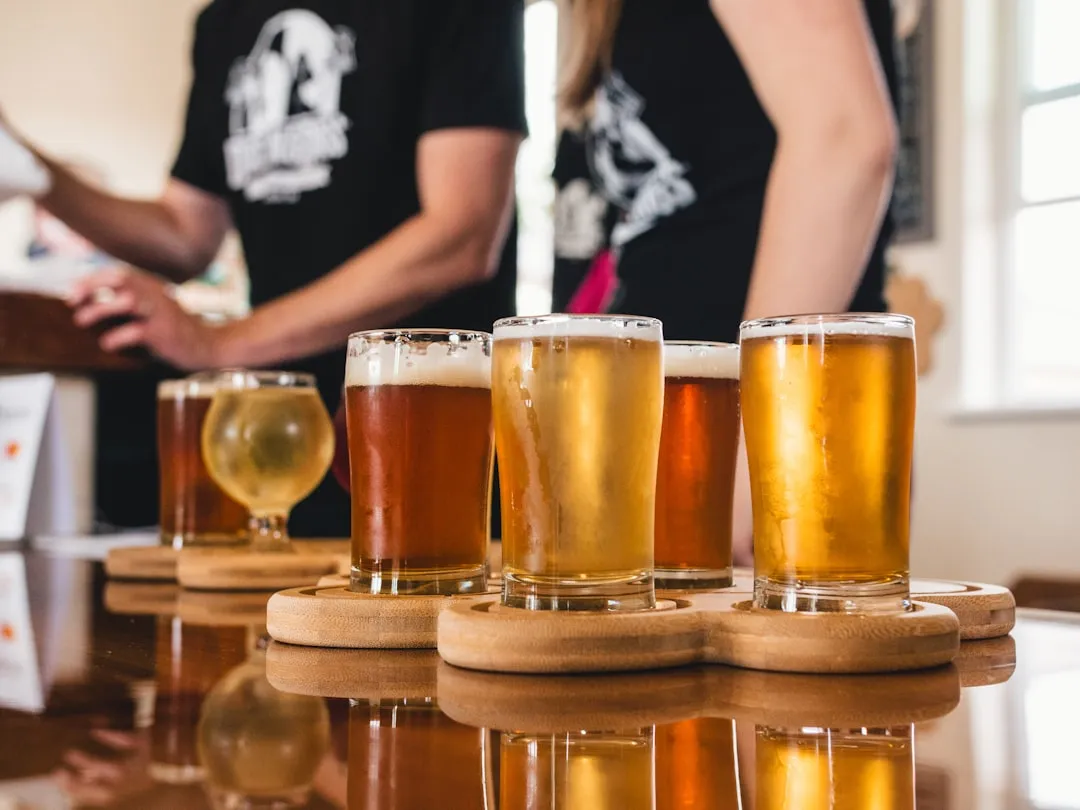
Start with lighter styles like golden ales, pilsners, pale ales, or blonde ales. Save dark and hoppy kinds of beer like porters, IPAs, and stouts for later. Ease your way up to heavy, high ABV brews.
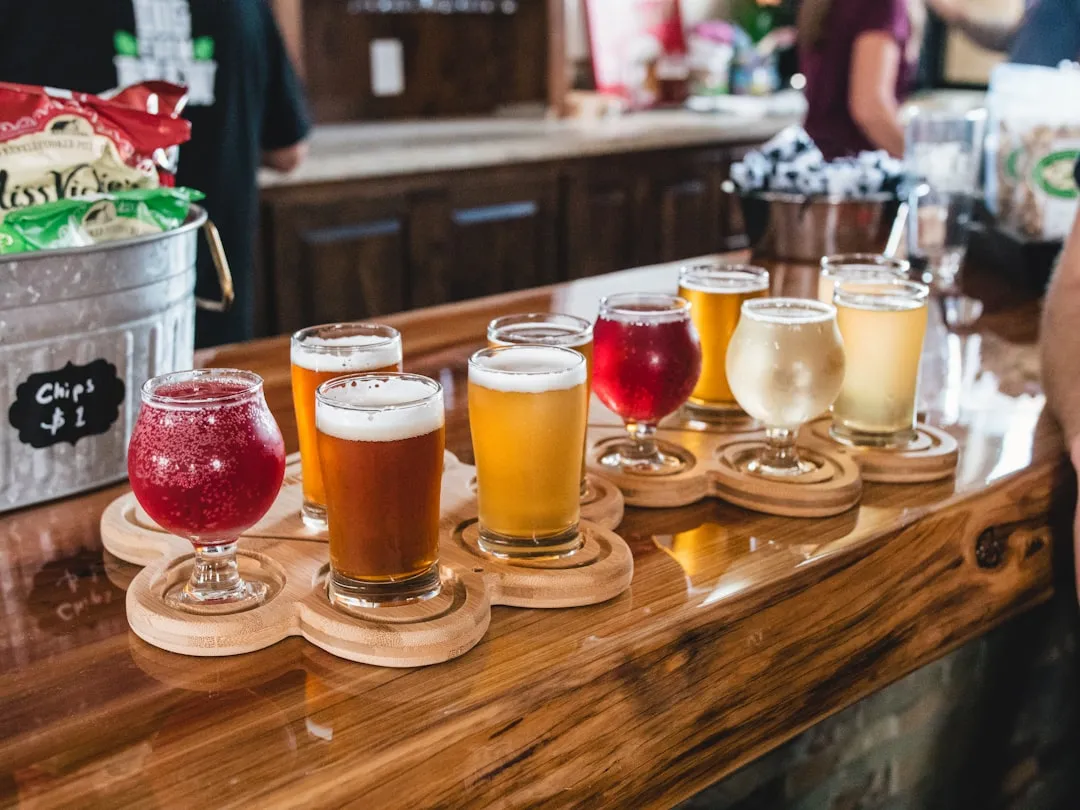
The picture-perfect image of a flight runs from left to right, light to dark. Many start with a blonde ale, then an IPA. Next is a brown ale, and finally a stout. This sequence is tried and trusted at breweries across the country, not because it looks attractive on the bar, but because it genuinely protects your palate.
The order of the beers that you taste is important. Try to start with lighter beers and progress down the line through darker, heavier ones. Getting this right from the very first sample sets the tone for everything that follows.
Build by Intensity, Not Just Color
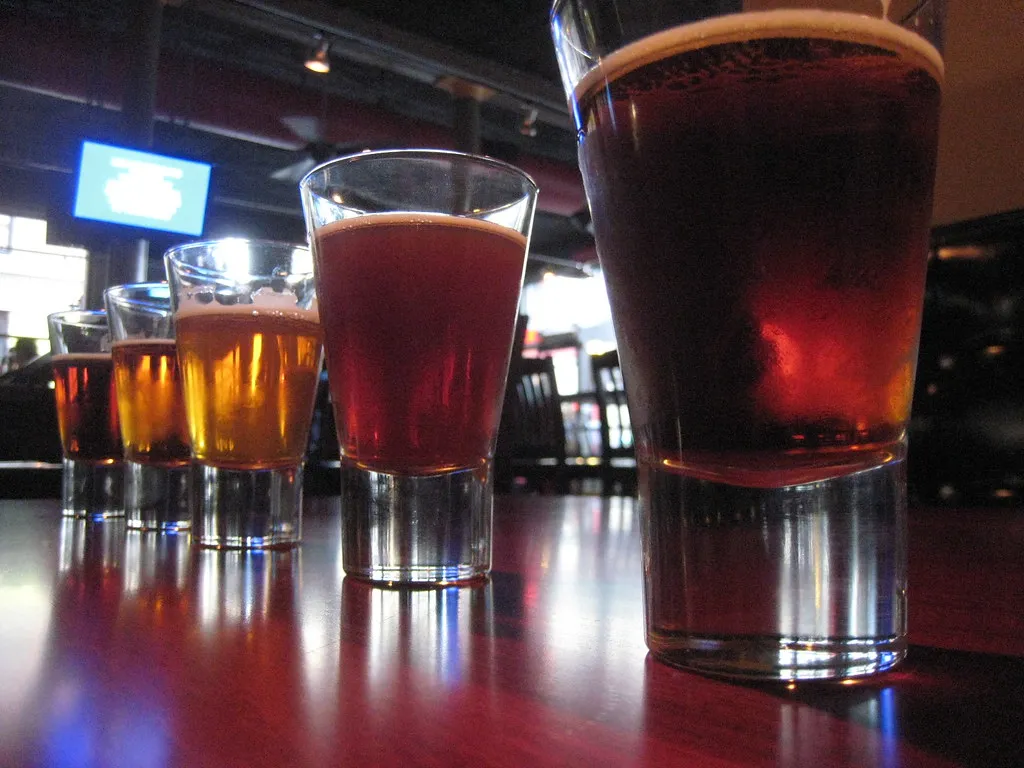
The two other factors to consider when determining sampling order relate to how strong a beer tastes: alcohol by volume (ABV) and hoppiness. If you are mostly tasting beer that’s in the same color range, these two measures are the best way to determine which beers will overwhelm the others.
Arrange samples by theme, whether hop-forward, malt-forward, age, or brewery lineup. Use increasing intensity order so lighter beers don’t get overshadowed. A good tour guide will often build a flight this way instinctively, and if they don’t, you can apply the same logic yourself.
An example progression might run: session pale ale, then American IPA, then double IPA, then NEIPA, then West Coast IPA. That kind of escalation within a single style family shows how much nuance you can preserve when the order is deliberate.
The Science Behind Sensory Fatigue

Prolonged exposure to certain aromatic and gustatory stimuli can lead to sensory fatigue or adaptation. This phenomenon occurs when the taste and olfactory receptors become saturated, progressively diminishing their ability to detect new stimuli.
Olfactory fatigue affects aroma detection and reduces our ability to distinguish the complex aromatic profiles of a beer. Continuous exposure to a specific aroma reduces the sensitivity of olfactory receptors, making it harder to perceive new scents. This phenomenon is particularly relevant in beer tasting, where aromas can be subtle and varied.
Starting with lighter beers and progressing toward more intense styles helps prevent robust flavors, such as those from roasted malts, from saturating the palate prematurely. This is exactly why the sequence you choose isn’t just a preference; it’s a practical necessity for getting the most out of each pour.
Time Your Sips: Why Rushing Ruins Everything
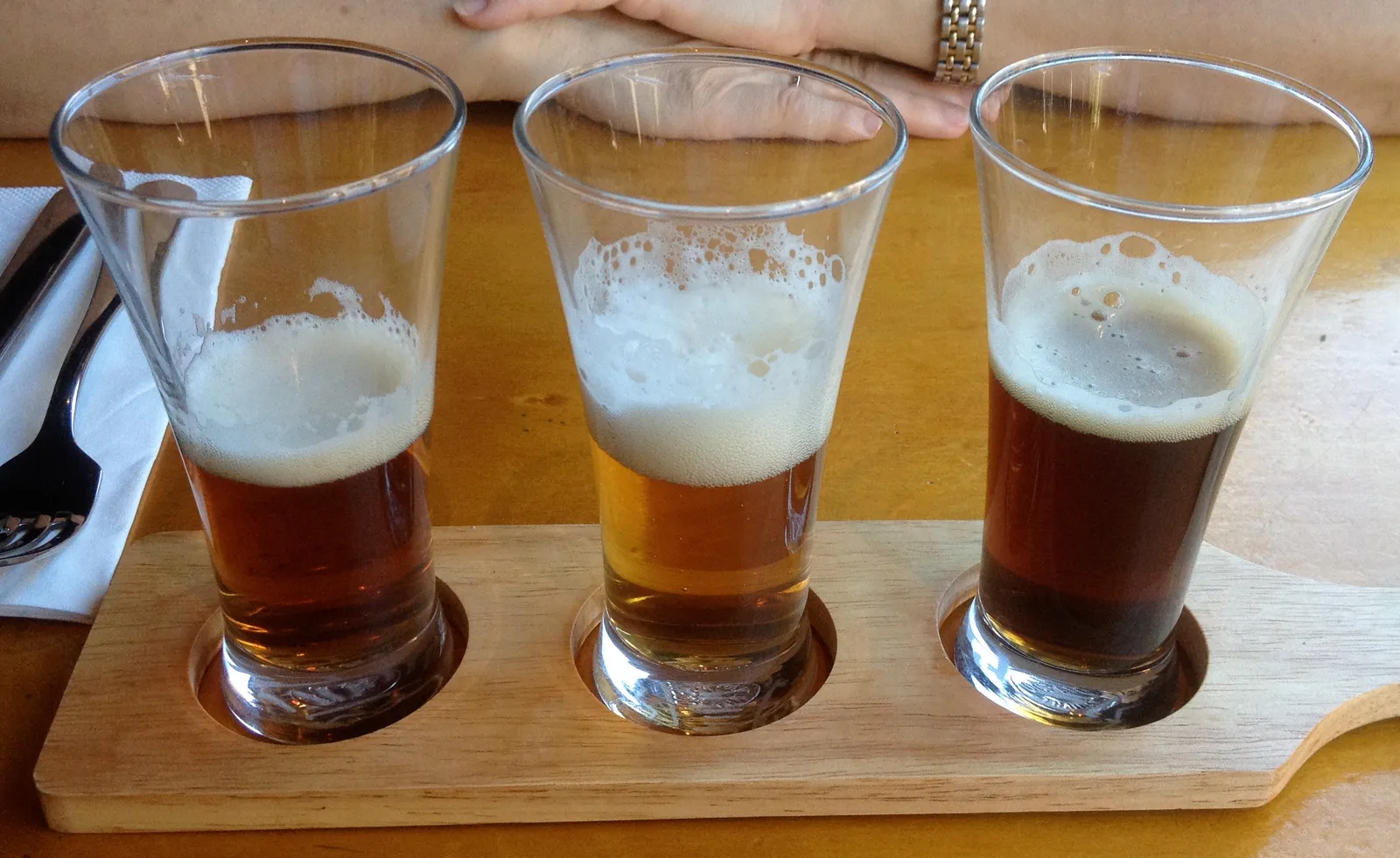
Allowing a reasonable amount of time between tastings is fundamental for the sensory receptors to recover. According to Lawless (1984), intervals of at least 2 to 3 minutes between samples are ideal for avoiding sensory fatigue.
Most brewery visitors move through samples far too quickly, especially when the taproom is busy and the energy is high. Those few quiet minutes between pours aren’t wasted time; they’re the window in which your palate resets properly.
Four-ounce pours are the sweet spot because they make it easy to try many offerings without overwhelming the palate. Smaller samples give you more chances to taste accurately, and the best-run brewery tours are structured around exactly that principle.
The Palate-Cleansing Move Most Visitors Skip

One of the best ways to cleanse your palate after tasting anything is simply by rinsing your mouth with plain water. Some people prefer carbonated water because the agitation provided by the bubbles helps to rinse food and drink residues away more efficiently.
Unsalted water crackers or oyster crackers are ideal palate cleansers. You should avoid eating anything salty because the salt can affect your perception of the beer. A light, neutral starch does exactly what the palate needs without introducing competing flavors.
Adding a few drops of lemon juice to water can be beneficial for breaking down fatty residues, such as those left by diacetyl, a common compound in certain beers that contributes buttery notes. According to the studies of Morten Meilgaard, citric acids help neutralize lipid compounds on the palate. It’s a small step, but one that experienced tasters often keep in their back pocket.
How to Navigate a Hop-Heavy Menu
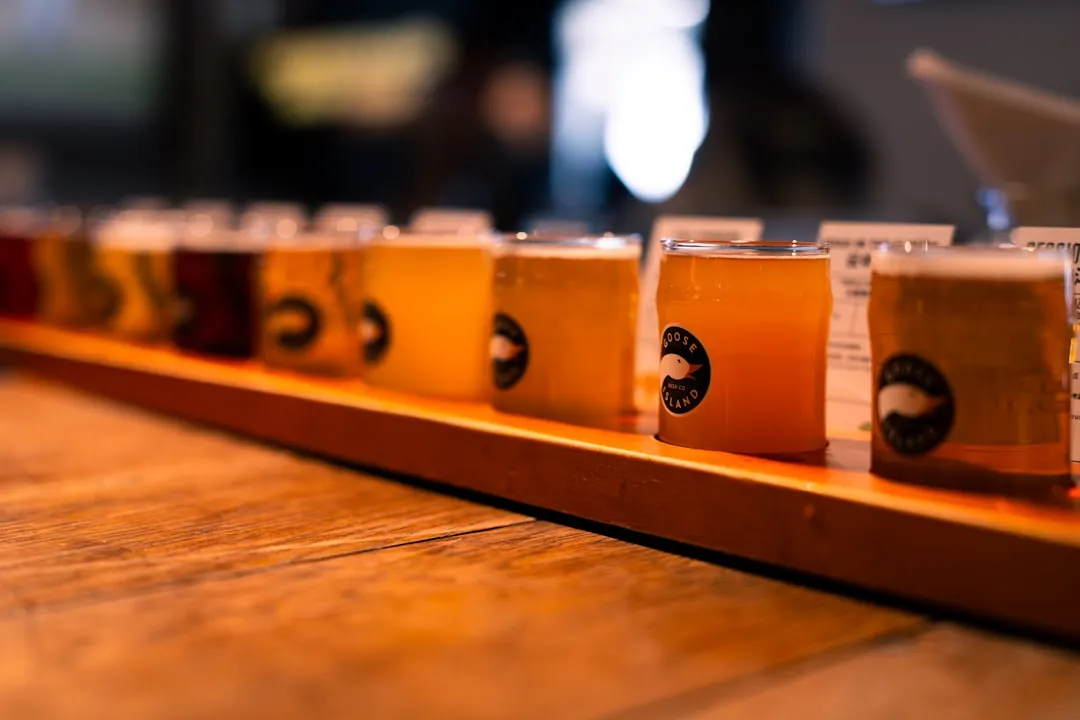
Types of beer centered on pronounced bitterness derived from hops include pale ales and IPAs. Though typically presented with a mild malt flavor, the hops in these brews lean towards the strongest flavor contribution. Touring a hop-forward brewery requires a particularly careful approach to sequence.
The principle holds steady even within a narrow style range. Hops will always provide the most intense flavor contribution, giving a beer a pronounced bitterness. Saving the most intensely hopped beers for the end of your flight protects the earlier, more delicate samples from being overshadowed.
A vertical tasting samples successive vintages or years of the same beer to observe aging effects. Barrel-aged stouts and barleywines work particularly well for this. Note changes in oxidation, sugar, fruitiness, and integration with oak. This is the kind of insider knowledge that can turn a casual tour into something genuinely memorable.
When to Ask for the Off-Menu Pour
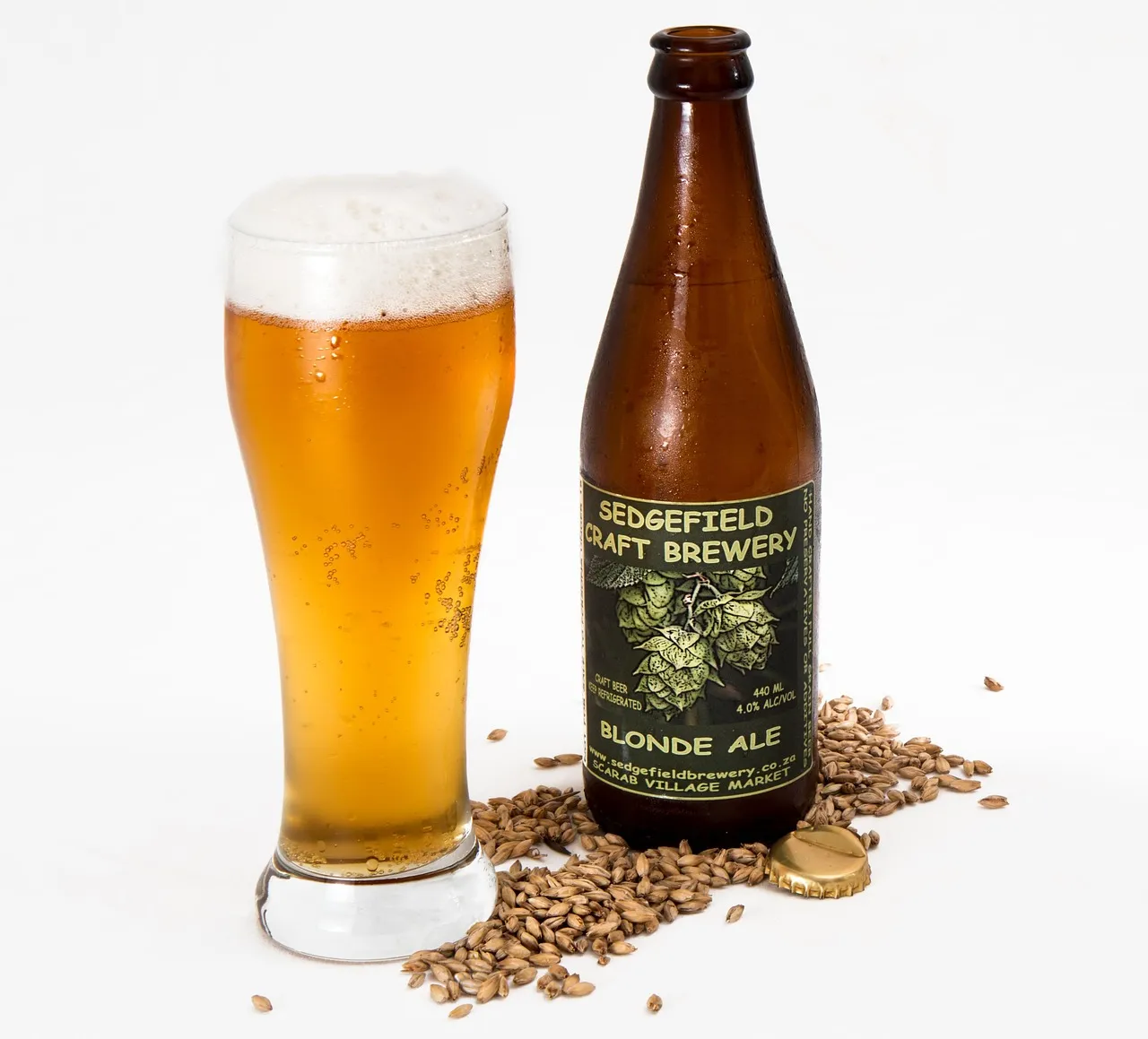
Premium tours often add barrel tastings, brewer meet-and-greets, and limited-release pours. These extras are rarely advertised loudly, but they’re very much within reach if you approach your visit with genuine curiosity and engage the guide early in the tour.
The key is timing. Ask about rare or experimental batches after you’ve already worked through the core lineup, not before. Guides are much more receptive to sharing the good stuff with visitors who’ve shown they actually care about what they’re drinking.
Taking a guided production tour offers a peek behind the curtain at how a brewery brews, packages, and ships its beer. Tröegs Independent Brewing in Hershey, PA, for example, has been voted Best Brewery Tour in America by USA Today readers in 2020, 2022, 2023, 2024, 2025, and 2026. That kind of sustained excellence comes in part from guides who know exactly how to shape the experience.
How to Read the Tasting Notes Like a Guide Does
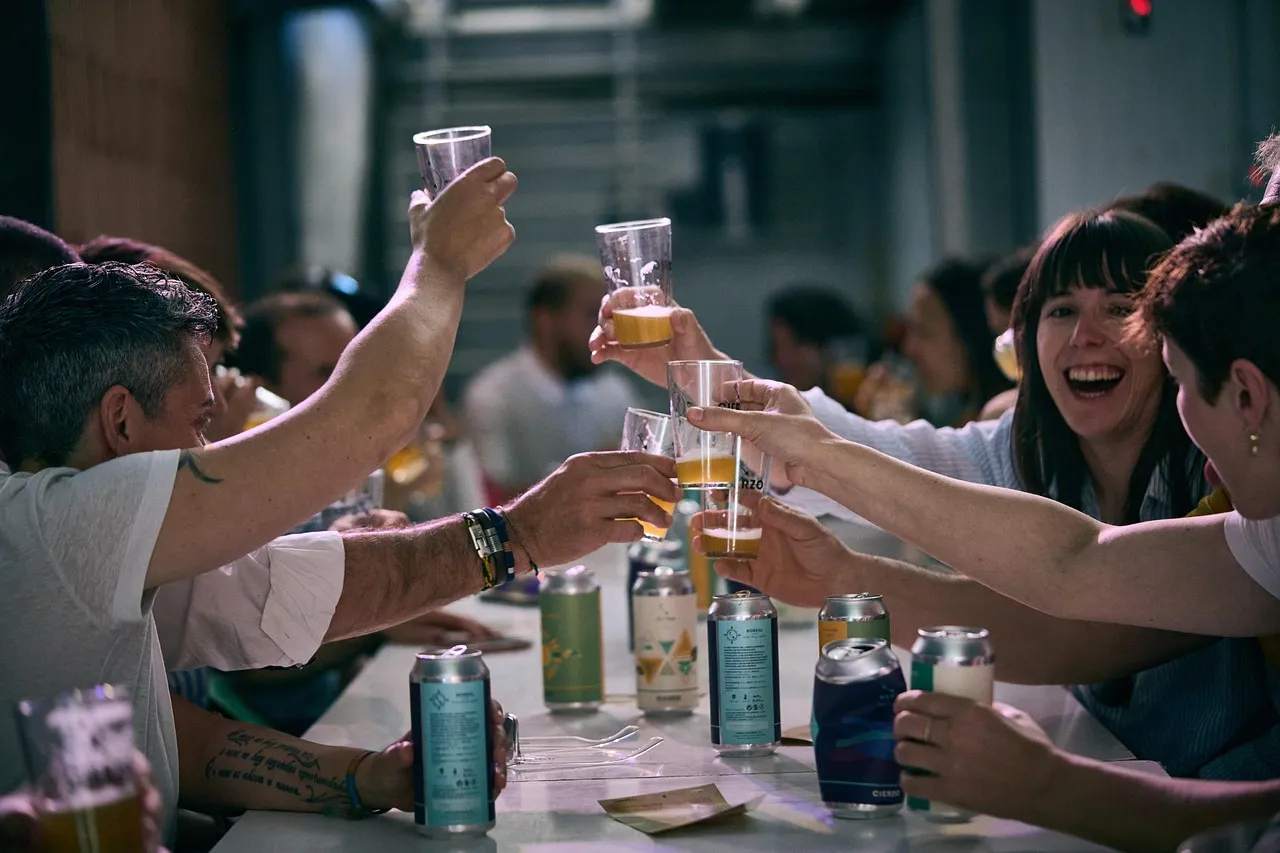
Pour your craft beer into a clear glass. Observe the color and clarity through the glass. Hold it up to the light. Craft beers can appear clear, hazy, golden, yellow, amber, brown, or black. Before you take a single sip, what you see tells you a great deal about what’s coming.
Take a deep sniff and consider what scents you can pick up on. Many craft beers have multiple ingredients. Swirling the beer around in the glass helps to release the aromas. Brewery guides consistently use this three-step rhythm: look, smell, taste. It’s not performative; it’s how you actually get the full picture of a beer.
Hold the beer in your mouth briefly and let it touch all of your taste buds before you swallow it. That extra moment of contact makes a real difference, especially with complex malt-forward styles where the finish is where the real character lives.
The Industry Context: Why Good Tours Matter More Than Ever

In 2024, U.S. craft brewers produced 23.1 million barrels of beer, marking a roughly four percent decline from 2023. Despite this drop in production, craft beer’s market share by volume held steady at 13.3%, in the context of a broader 1.2% decline in total U.S. beer volume.
While production decreased, the retail dollar value of craft beer grew three percent, reaching an estimated $28.9 billion. Craft beer now accounts for nearly a quarter of the U.S. beer market in retail dollar sales, thanks in part to pricing adjustments and the continued strength of taproom and brewpub sales.
Craft brewing employment climbed to 197,112, up three percent over 2023. That growth came primarily from taproom and brewpub expansion, with breweries adding hospitality-focused staff and boosting community engagement. The guided tasting experience is now genuinely central to how breweries build their audience and their identity, which means the quality of that experience has never been more carefully considered.
The Takeaway
A brewery tour is only as good as the attention you bring to it. The sequence of your samples, the pauses between them, the simple act of water between pours – these aren’t fussy formalities. They’re the practical habits that separate someone who drinks their way through a flight from someone who actually tastes it.
The guides who run these tours every week have learned this the honest way, through repetition and observation. Following their lead doesn’t require any expertise. It just requires slowing down a little and trusting the order. The best pour you’ll get on any brewery tour is always the one you were properly prepared to appreciate.
AI Disclaimer: This article was created with the assistance of AI tools and reviewed by a human editor.