
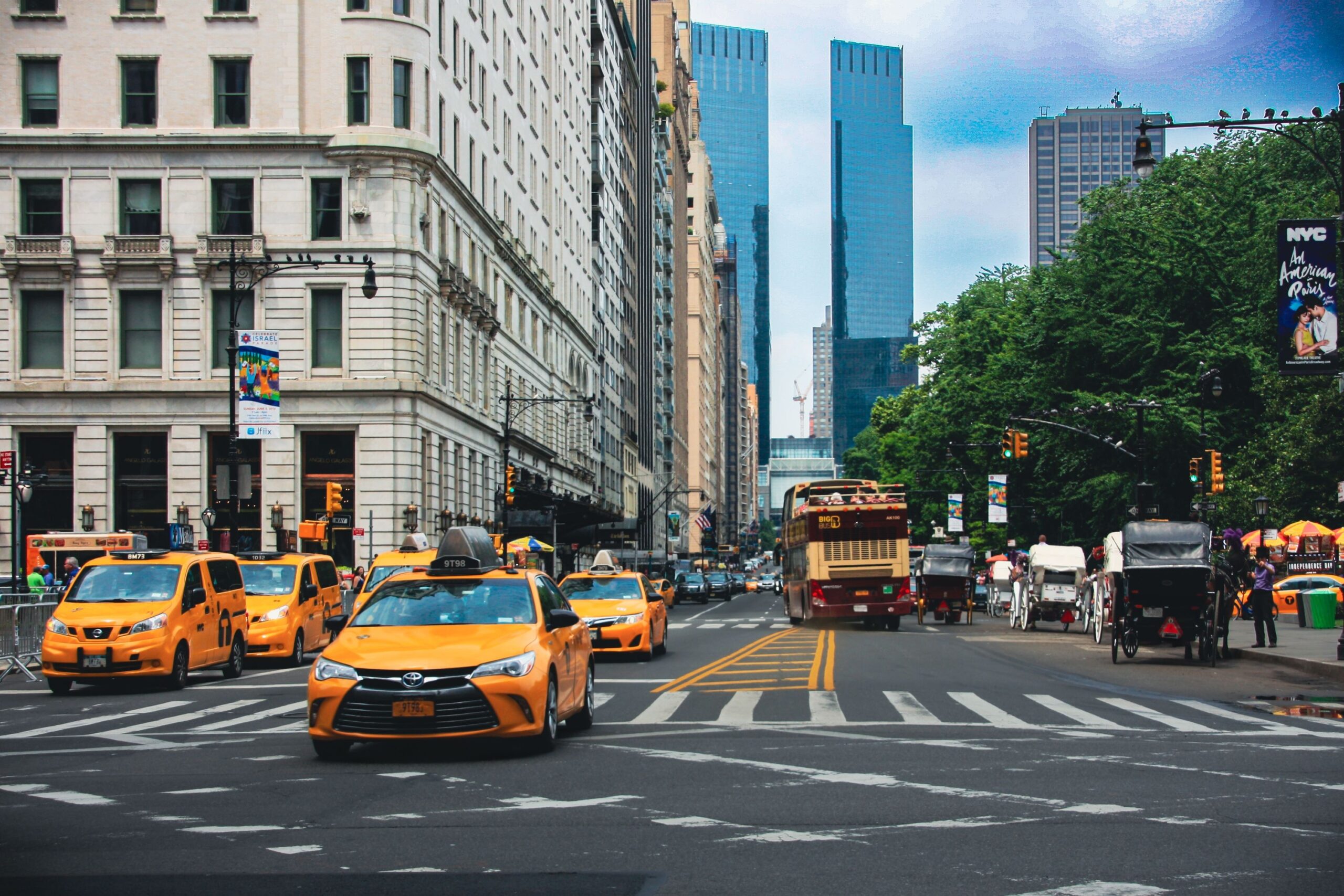

Most travelers step off a long flight, drag their bags through arrivals, and slide into the nearest available taxi with something close to relief. That moment of exhaled tension is exactly what experienced route scammers are counting on. The tricks used against tourists in the back of a cab are rarely dramatic, and that’s precisely the point. They work because they feel ordinary.
According to the FTC’s Consumer Sentinel Network Data Book, U.S. consumers reported losing more than $12.5 billion to fraud in 2024, a roughly 25 percent increase over the prior year, with travel-related scams continuing to rank among the top categories of reported fraud. Cab-related schemes are a significant piece of that picture, and they operate on a surprisingly consistent playbook no matter what city you land in.
The Long Way Around: The Classic Route Inflation Trick
Travelers who feel they have been duped will usually cite the taxi driver’s decision to take the long way around for a short trip, simply to earn more money. It’s a remarkably simple move. The driver doesn’t need to lie to your face or argue at the end. The meter does the talking, quietly racking up figures as you pass neighborhoods you didn’t need to see.
Route manipulation involves taking unnecessarily long paths to increase fare costs, particularly targeting tourists who don’t know local geography. It’s not technically illegal to take a longer route if no specific route was agreed upon, which is one reason this scam is so hard to contest after the fact.
In the smartphone era, travelers have more power than before. You can look on a map and see the actual correct route. Checking Google Maps for the best route before the ride starts, and insisting the driver follow it if they deviate, remains one of the most effective defenses.
The Broken Meter Excuse
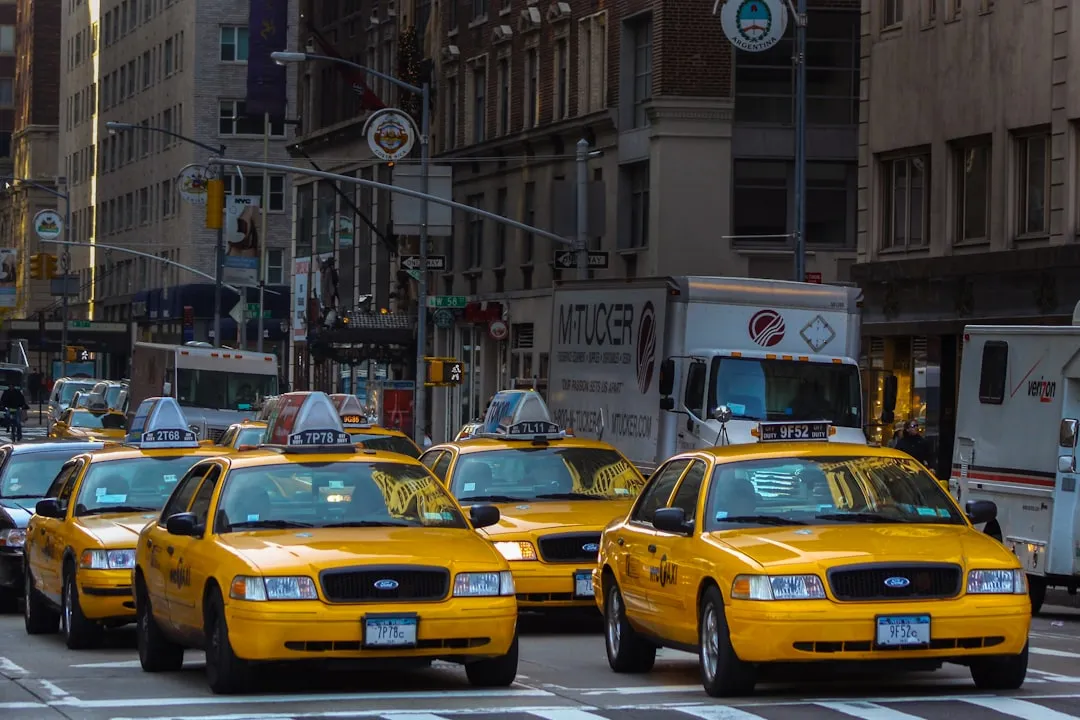
The broken meter scam is among the most prevalent, where the taxi driver claims the meter isn’t working and demands a flat rate that’s typically three to five times the actual fare. It sounds almost too crude to work, but it does, repeatedly, especially on tired arrivals who just want to get to the hotel.
Drivers may refuse to use the meter, claim it is broken, and take unnecessarily long routes to inflate fares. In some places the meter is perfectly functional. The driver simply never switches it on, betting correctly that a visitor won’t know what the standard rate should be.
This often happens when visitors are tired after long flights and are less likely to argue. The best approach is to agree on the fare before entering, insist the meter be used, or book through official stands and ride-hailing apps for safer and fairer prices.
Tampered Meters: The Scam You Can’t See
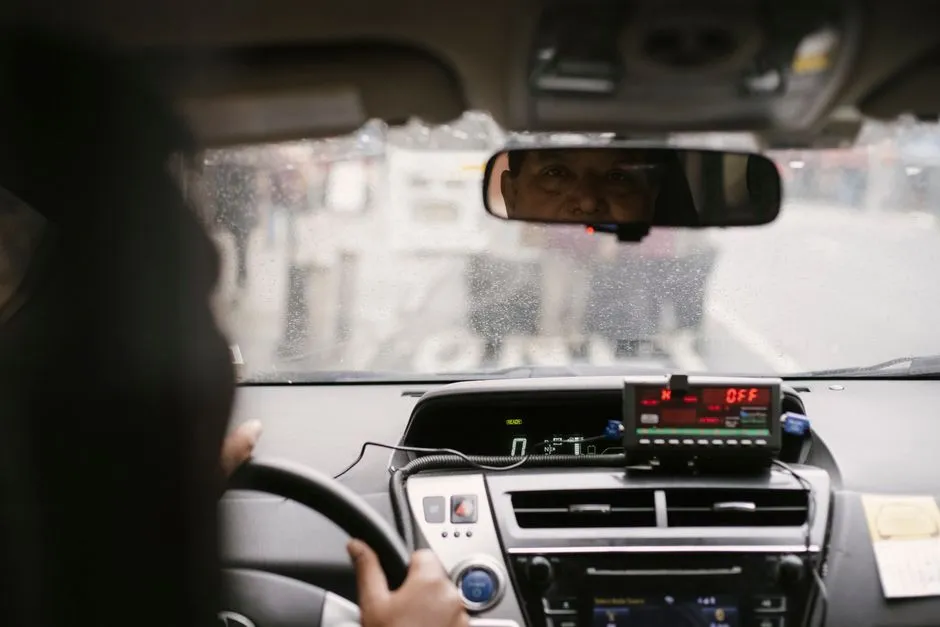
Some dishonest drivers use tampered meters that increase fare rates unnaturally fast. Modern digital meters make this manipulation harder to detect visually, so comparing expected journey times and costs becomes crucial. Even a watchful passenger can miss this one entirely.
Taxi meters can be manipulated to run faster, resulting in higher fares. The manipulation is subtle enough that the meter appears to be running normally at first glance. You’d need to know the correct rate per kilometer to spot the difference, information most tourists simply don’t have when they first arrive.
In many major Western European cities, meters are tamper-proof, but travelers should still pay attention to rates, as some drivers will select nightly or weekend rates instead of the standard daytime rate. Choosing the wrong tariff setting is a quiet, very common form of overcharging.
The Card Reader Manipulation: A More Sophisticated Threat
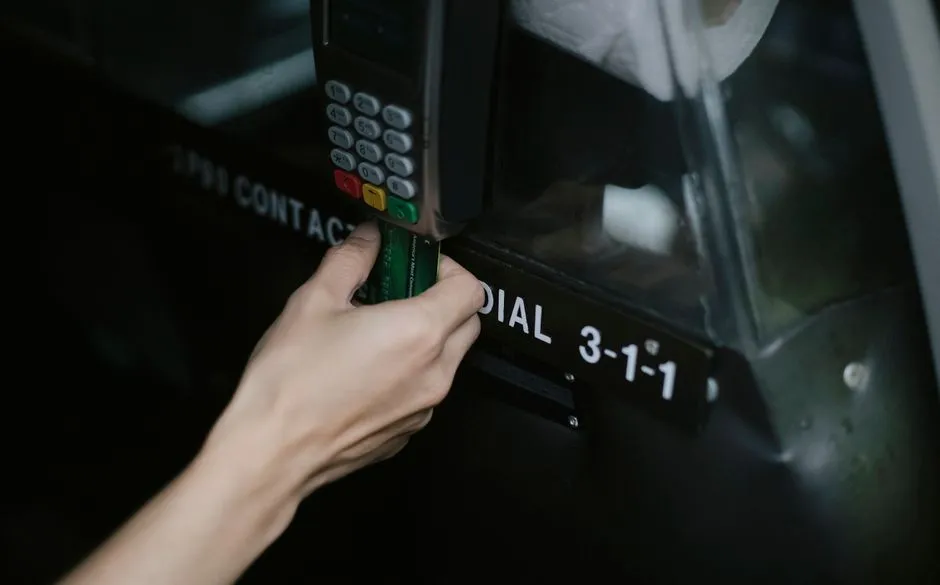
In one major documented case, four men were charged with fraud and money laundering as part of a taxi scam in Paris, with victims filing for at least €680,000 in overpayments. The scheme, conducted between December 2024 and January 2026, saw the men target tourists and charge them vast sums for short rides after altering payment details on card readers.
A driver could increase a payment of €19 to €1,900 by presenting the terminal to victims while hiding the final figure, either by manually covering the screen or using a damaged terminal that did not show the full sum. The victims often had no idea until they checked their bank statements days later.
Approximately 80 tourists sought to recoup losses totaling €680,000. One alleged victim believed he had paid €38.60 after being picked up near the Eiffel Tower, only to discover later via his bank statement that he had paid €2,500. This level of fraud is organized, deliberate, and strikingly hard to detect in the moment.
The Airport Hustle: Targeting Tourists at Their Most Vulnerable
Airports are particular danger zones, where exhausted vacationers are literally intercepted after a long flight. This is the moment when vigilance is at its lowest and the willingness to simply hand over cash in exchange for a quick ride is at its highest.
At airports, train stations, or popular tourist hubs, fake taxi drivers approach travelers directly, often with convincing IDs or uniforms. They either demand inflated fares mid-ride or take deliberately long routes. Looking official is a key part of the approach. Uniforms, lanyards, and printed signs create an illusion of legitimacy.
Reputable taxi and shuttle companies don’t hang out in baggage claim or arrivals areas urging travelers to use their service, nor do they lurk outside on the sidewalks. Ignoring their offers and finding the official queue is the safest course.
The “Your Hotel Is Closed” Redirect
On the way from the airport, the driver strikes up a friendly conversation, then mentions that your hotel has shut down last month, is under renovation, is overbooked, or is “no longer taking foreign guests.” Whatever the story, the offer is the same: “I know a better place, just a little further, but cleaner, safer, cheaper.”
The driver’s goal is to redirect you to a partner property where they receive a commission. This tourist scam is about timing and psychology, targeting travelers at their most disoriented moment, right after arrival. The hotel you booked is almost always operating normally.
Showing the driver proof that you have the hotel’s details and that they are expecting you is a simple, effective counter. Alternatively, having your hotel arrange a transfer from the airport removes the risk entirely.
The Commission Shop Detour

This kind of scam is very typical in Bangkok, where the driver takes you to a jewelry shop or a tailor instead of your stated destination. They tell you that they know the best place for clothes, suits, jewelry, or souvenirs, and insist on taking you there. If you end up buying anything, the driver earns a cut of the overpriced goods.
In Bangkok and other Southeast Asian cities, tuk-tuk drivers offer incredibly cheap city tours. The catch is that they take you to gem shops, tailors, or factories where they earn commission on purchases. Meanwhile, the temples you wanted to visit are described as “closed today,” which they are not.
Most of the shops in tourist locations sell substandard products, sometimes overpriced in order to give a commission to drivers. The driver benefits whether you buy something or not, since many shopkeepers pay a flat fee per tourist delivered. The detour itself is the product.
The Wrong Change and Counterfeit Currency Trick
Drivers giving too little or no change is a scam mainly used by drivers who pick up tourists from the airport. It often exploits the complexity of unfamiliar currency, particularly in countries where exchange rates require mental calculation under pressure.
Cab drivers can take advantage of exchange rates to trick tourists, and visitors could easily be misled if they can’t read the primary language of the country they are visiting. Handing over a large note and trusting the driver to count back the right change is a genuine risk.
Paying with smaller denominations when possible helps, and in taxis, stating the amount you’re handing over clearly (“here is 500 pesos”) creates a verbal record that makes short-changing harder to pull off without confrontation.
High Tourist Season Raises the Risk

In general, higher tourist volumes lead to an increase in scams, with high tourist season numbers exacerbating the issue by up to 28%, according to the Mastercard Economics Institute report. The logic is simple: more unfamiliar visitors means more opportunity, and opportunistic drivers know it.
According to Mastercard, a large proportion of tourist scams were found to be related to taxis and car rentals in cities including London, Istanbul, Bangkok, and Jakarta. These are not isolated incidents or rare unlucky experiences. They reflect systemic patterns that repeat across seasons and destinations.
Travel scams are at an all-time high, having increased by as much as 900 percent over the past 18 months in some categories. The scale of the problem has grown well beyond individual bad actors working alone.
How to Protect Yourself Before the Ride Even Starts
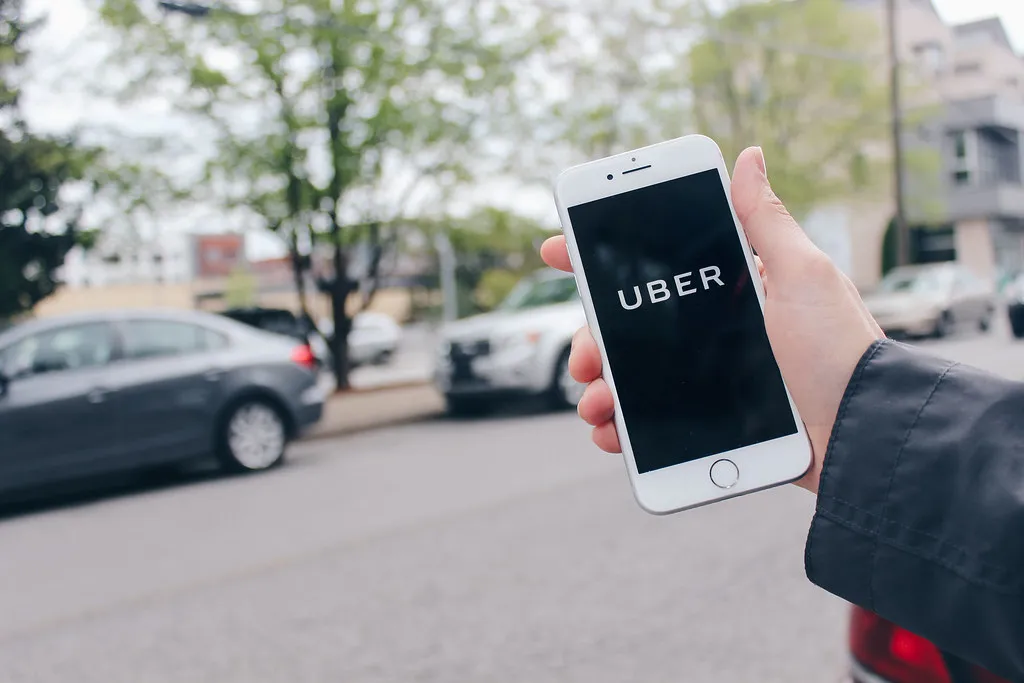
Always use official taxi stands, ride-hailing apps like Uber, Grab, or Bolt, or pre-book airport transfers. Confirming the fare before entering the car and insisting on the meter are the two most effective frontline defenses.
Consumers have largely moved to rideshare apps instead of taxis to reap benefits like tracked trips and guaranteed credit card acceptance, but also for the peace of mind that the route has been auto-generated to be the fastest and cheapest. That built-in accountability changes the dynamic significantly.
Using your smartphone to map the route, and saying something if the driver veers off course, is one of the simplest protective habits a traveler can develop. Paying with a credit card also creates a paper trail that cash simply doesn’t.
Staying Sharp Without Losing the Joy of Travel
None of this means every cab driver is a scammer. The vast majority are honest people doing a hard job. The patterns described here are specific, documented, and geographically concentrated, not a reason to approach every taxi with suspicion, but a reason to approach it with eyes open.
In 2021, Americans reported roughly $99 million in annual vacation and travel fraud losses. By 2025, that number had reached $297 million, meaning travel fraud losses have nearly tripled in just four years. Awareness is genuinely protective. Knowing what the ride should cost, keeping your map open, and using official taxi ranks costs nothing and can save you real money.
The best souvenirs from any trip are the memories. Arriving at your destination knowing the fare was fair is a small thing, but it sets the tone for everything that comes after.
AI Disclaimer: This article was created with the assistance of AI tools and reviewed by a human editor.