
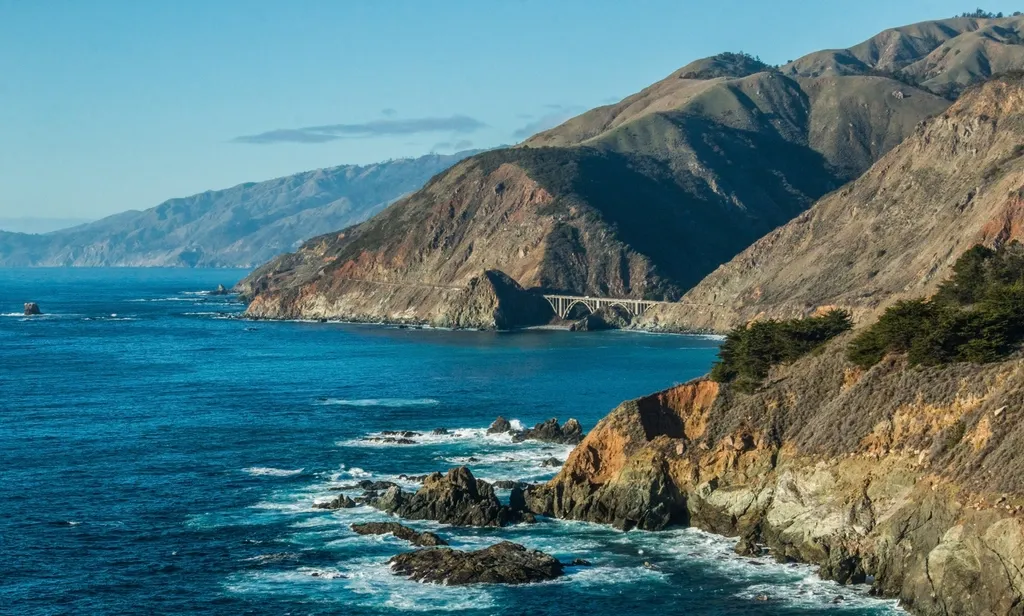

There’s a certain kind of town that sneaks up on you. You arrive expecting a quick stop, and two days later you’re still there, slightly sunburned, watching the waves crash against dark rock from a bluff-top trail you didn’t even know existed. Cambria, California is that town.
Cambria sits roughly halfway between San Francisco and Los Angeles, around three to four hours’ drive from either city. It doesn’t scream for your attention the way Big Sur does. It simply waits, tucked along a craggy stretch of the Central Coast, confident that anyone who finds it will come back.
A Small Village With a Big Personality
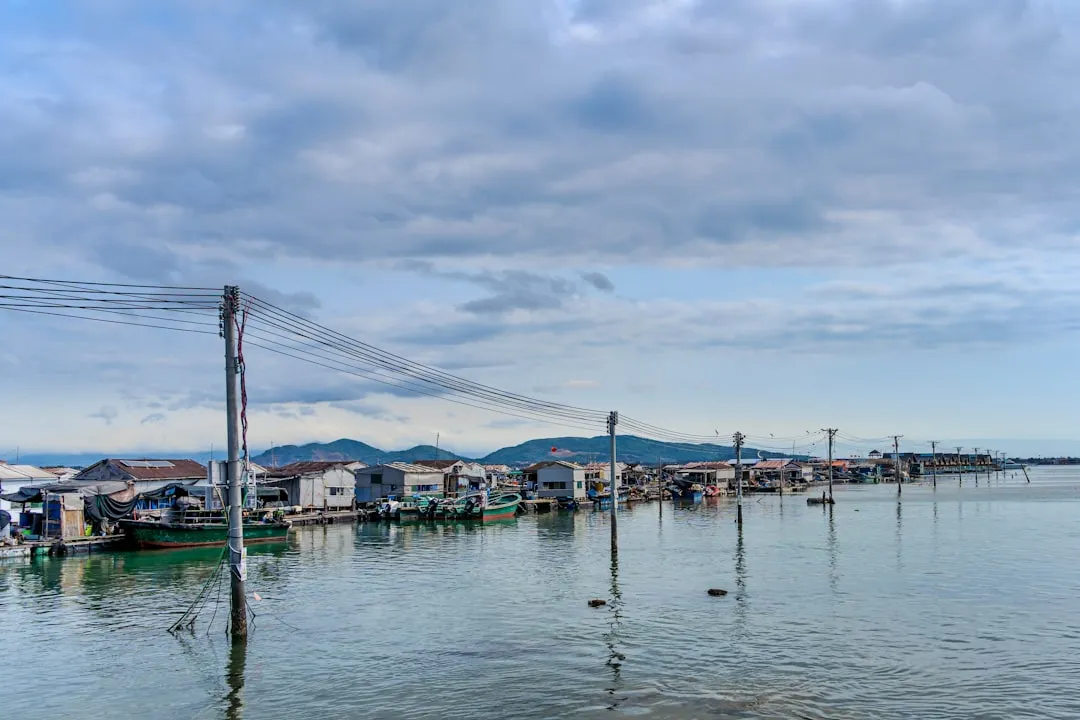
Cambria is a village by the sea, not a beach town, and its setting among beautiful pine forests and open space along a craggy stretch of the California coast makes it an irresistible destination in its own right. For such a small community with just 6,000 residents, Cambria has many moods.
This former dairy town now hums with creativity, where stately Victorian cottages nestle between towering Monterey pines and surf. It ticks all the right boxes with its friendly residents, eclectic shopping, art galleries, great food and wine, and a boho vibe that harkens back to California’s sixties spirit.
Where Exactly Is Cambria on the Map?
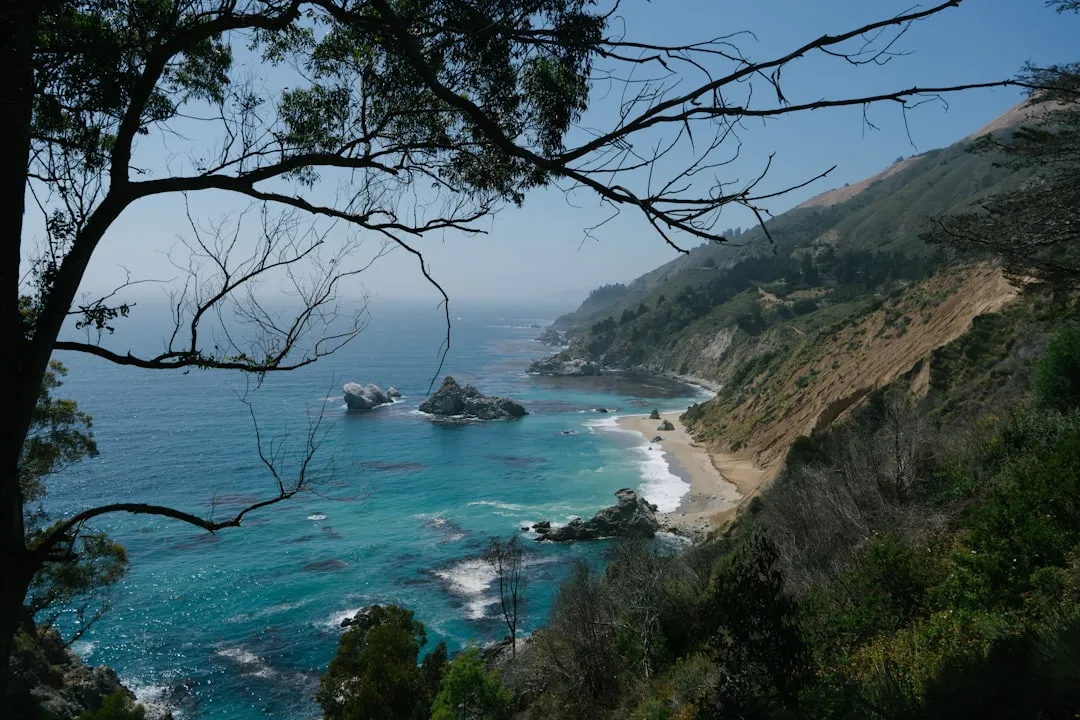
Cambria is a small coastal town on California’s Central Coast, roughly halfway between San Francisco and Los Angeles, and is best known for its proximity to Hearst Castle, the Moonstone Beach boardwalk, and the elephant seal rookery at Piedras Blancas.
You’ll find it at the southern end of the Pacific Coast Highway, or as a short detour off US-101, and it’s the kind of place where the main activities are walking on beaches, eating well, and slowing down for a few days. For Californians tired of the crowds at Big Sur, it’s an easy and very satisfying trade.
Moonstone Beach: The Jewel of the Cambria Coast
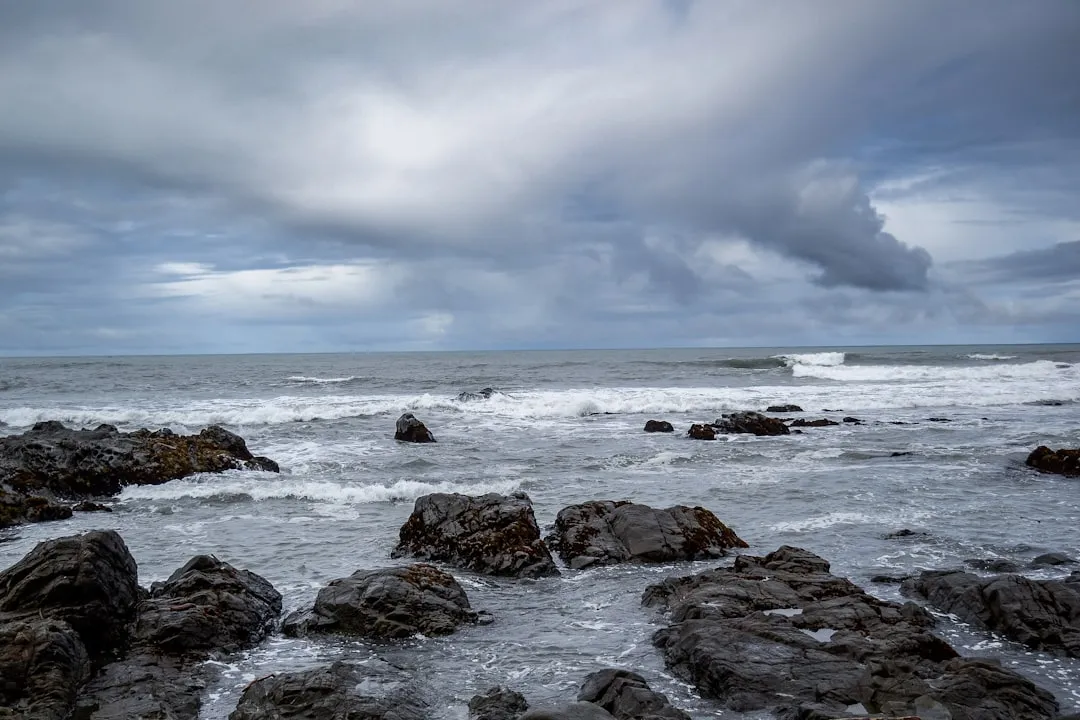
Moonstone Beach has been named one of the top ten beaches in California, and visitors can meander along the 1.5-mile boardwalk, or grab a seat on one of the wooden benches to take in the sweeping ocean views, then take the stairs right onto the sand for a barefoot stroll during one of the area’s magical sunsets.
You can also hunt for glowing moonstones and colorful jasper gems scattered across Moonstone Beach, then follow seaside trails threading through the wilds of Fiscalini Ranch Preserve. Across Highway 1, Moonstone Beach is lined with hotels, many offering ocean-view rooms.
Fiscalini Ranch Preserve: Wild Nature, Free of Charge
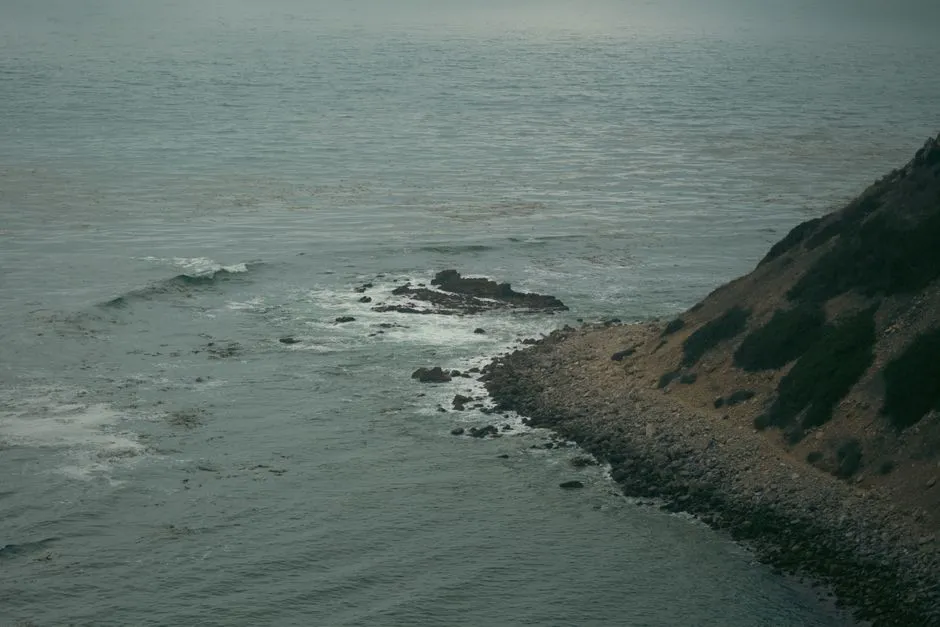
Fiscalini Ranch Preserve is a 436-acre property and home to a number of endangered species, with its greatest feature being the dramatic ocean bluff that runs more than a mile long, where you can view migrating whales, elephant seals, and other ocean mammals, offering a rare glimpse of nature and solitude that mirrors a true backcountry experience.
With 17 hiking trails to choose from, there is plenty to explore at Fiscalini Ranch Preserve. Fiscalini Ranch coastline is also part of the Monterey Bay National Marine Sanctuary, the largest national marine sanctuary in the United States. Admission is completely free, which is a genuine rarity along the California coast.
The Elephant Seals of Piedras Blancas
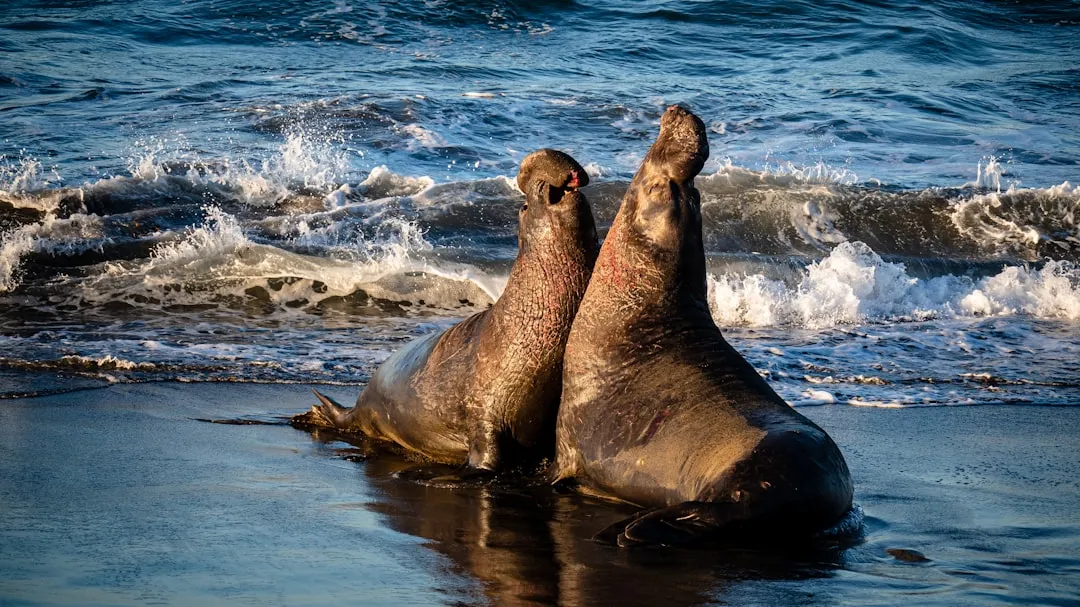
Elephant seals spend eight to ten months a year in the open ocean, diving 1,000 to 5,000 feet deep for periods of up to two hours, and migrating thousands of miles twice a year to their land-based rookery, with the Piedras Blancas rookery on Highway 1 seven miles north of San Simeon being home to about 17,000 animals.
Each year, the Piedras Blancas Elephant Seal Rookery receives roughly one million visitors. The Elephant Seal Viewing Area is open every day of the year from sunrise to sunset, and admission is free with no reservations required. Peak population runs from February through early spring, but there are elephant seals stopping by to lounge year-round.
Hearst Castle: History on a Grand Scale
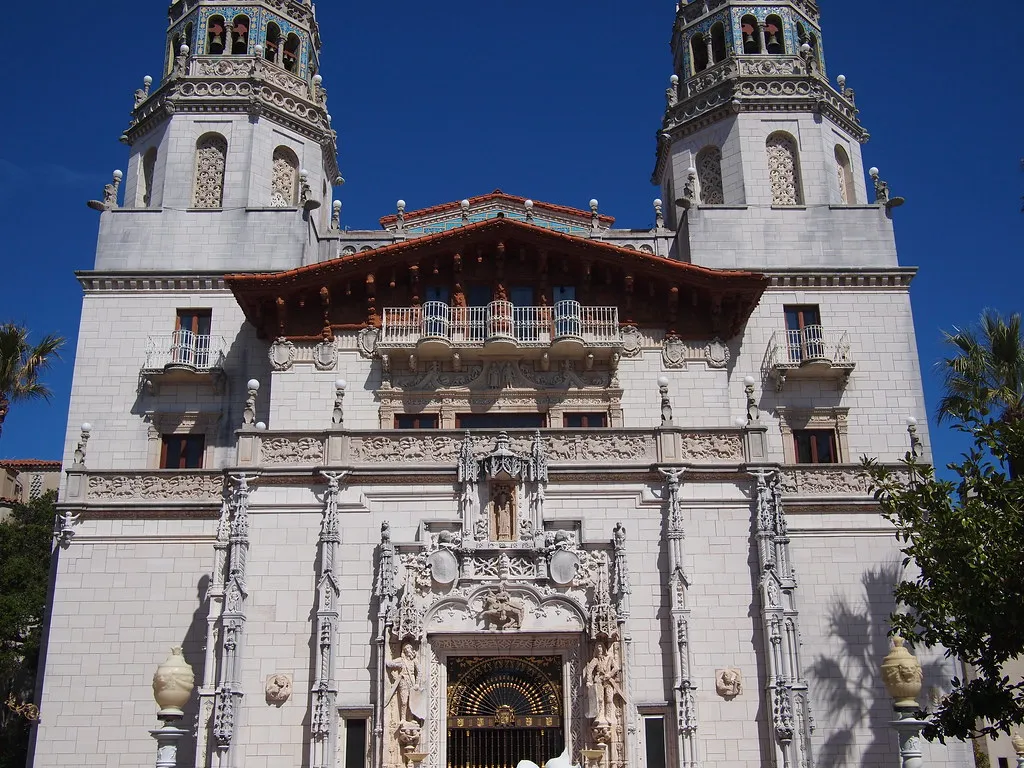
Only six miles north of Cambria lies Hearst Castle, overlooking the Pacific Ocean from atop the Santa Lucia Mountains, with craftsmen laboring for nearly 28 years to create this grand estate named after media mogul William Randolph Hearst.
This lavish establishment began construction in 1919 when William Randolph Hearst was seeking an estate worthy of entertaining all of his esteemed guests. Along with its supporting buildings, the nearby Piedras Blancas Light Station is listed in the National Register of Historic Places, making the stretch of coast north of Cambria genuinely historic in a way that goes well beyond scenic photography.
The Food and Wine Scene Is Quietly Impressive

Plenty of people stop in Cambria just for a slice of the famous olallieberry pie at Linn’s Restaurant, while the eclectic global cuisine and historic adobe setting have made Robin’s Restaurant a Central Coast dining landmark for more than 30 years.
For dinner along Moonstone Beach, the Sea Chest Restaurant and Oyster Bar draws long lines due to its outstanding bivalves and popular calamari steak, while back in the West Village, Madeline’s Restaurant and Wine Tasting Room pours top Central Coast wines by day and serves favorites like lamb shank and pan-seared duck breast in the evening. Every Friday afternoon at 2:30pm, rain or shine, Cambria’s Farmers Market takes place in the Veteran’s Hall parking lot in the West Village, featuring delicious seasonal produce and prepared foods sourced from various local farms and businesses.
Downtown Cambria: Two Villages in One
Downtown Cambria is comprised of two sections, the West Village and the East Village, which lie on either end of Main Street and are separated by about three quarters of a mile, with lots of fun shops and stops along the way.
Both villages are well known for their shopping, featuring local artists’ galleries, clothing boutiques and restaurants, with the West Village having a funky, eclectic, central coast flair to it, while the East Village is reminiscent of its historical roots. Downtown Cambria is also an antique lover’s paradise, with Antiques on Main being a massive store spanning over 10,000 square feet across three levels.
Wildlife Watching and the Whale Trail
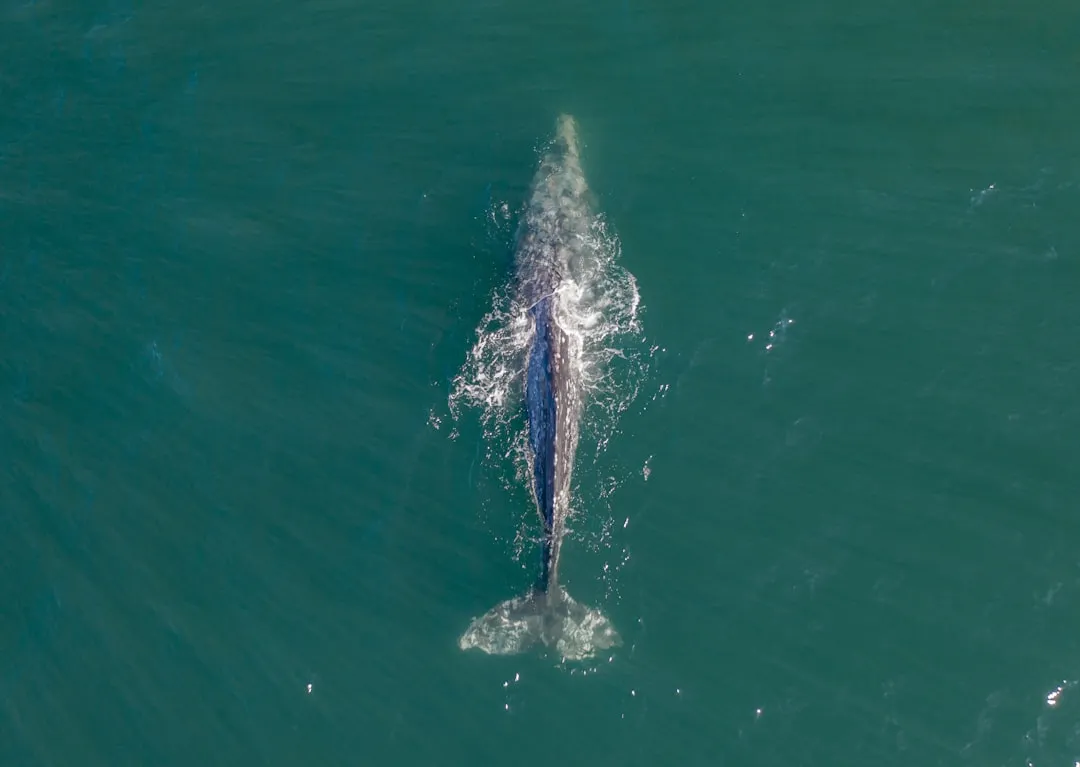
As part of the Whale Trail, Cambria is lauded for its whale watching opportunities, with the California Grey Whale southern migration occurring from December through February, while their northern migration takes place in March and April.
During a visit to Fiscalini Ranch, you can often spot animals such as whales, sea otters, seals, and a variety of birds, while other animals like deer, coyotes, owls, foxes, and bobcats also reside in this wilderness. The Covell Clydesdale Ranch nearby is described as the only place on earth where you can experience majestic Clydesdale horses grazing on nearly 2,000 acres of rolling hills overlooking the Pacific Ocean.
Highway 1 Access and When to Visit
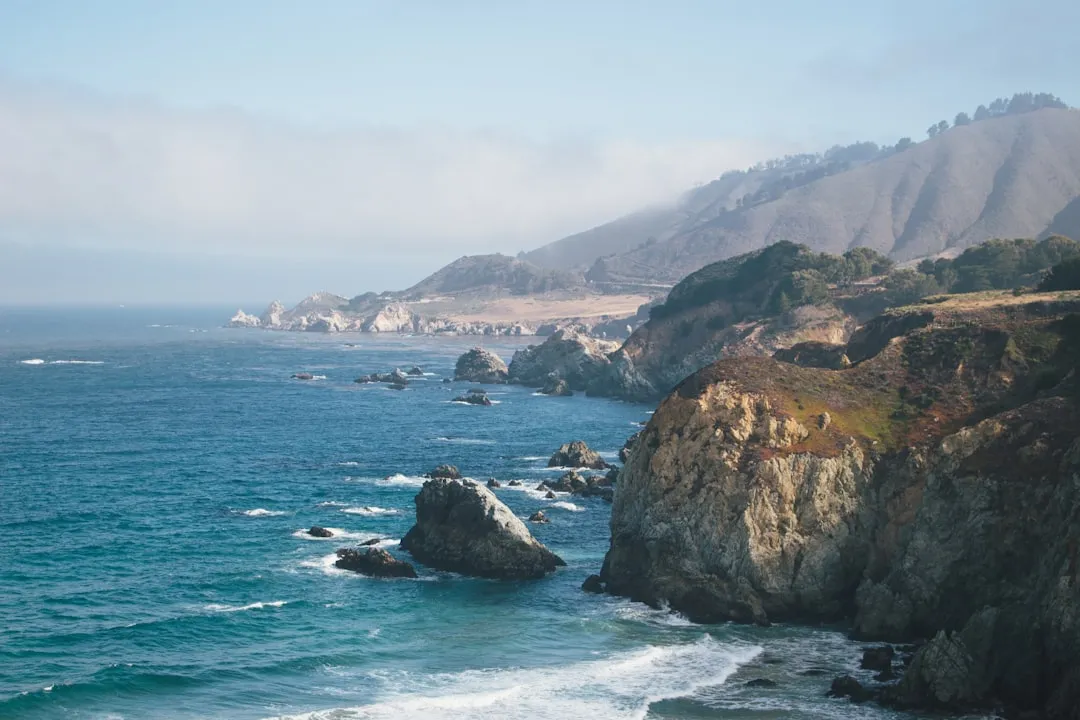
Highway 1 plays a vital role in connecting the many small towns and natural attractions along the coast, and it is not just a transportation corridor but the attraction itself, with visitors driving this route specifically for its scenic views.
A major slide event in February 2024 followed by a Rocky Creek slip-out on March 30, 2024 caused a section of the southbound lane to disintegrate. Travelers heading to Cambria should check current road conditions before departure, particularly if approaching from the Big Sur side. This historic coastal town located halfway between San Francisco and Los Angeles is lovely year-round, but when the air cools a bit in autumn it is ideal for strolling through town or biking along many of the nearby picturesque trails.
Why Californians Keep Coming Back
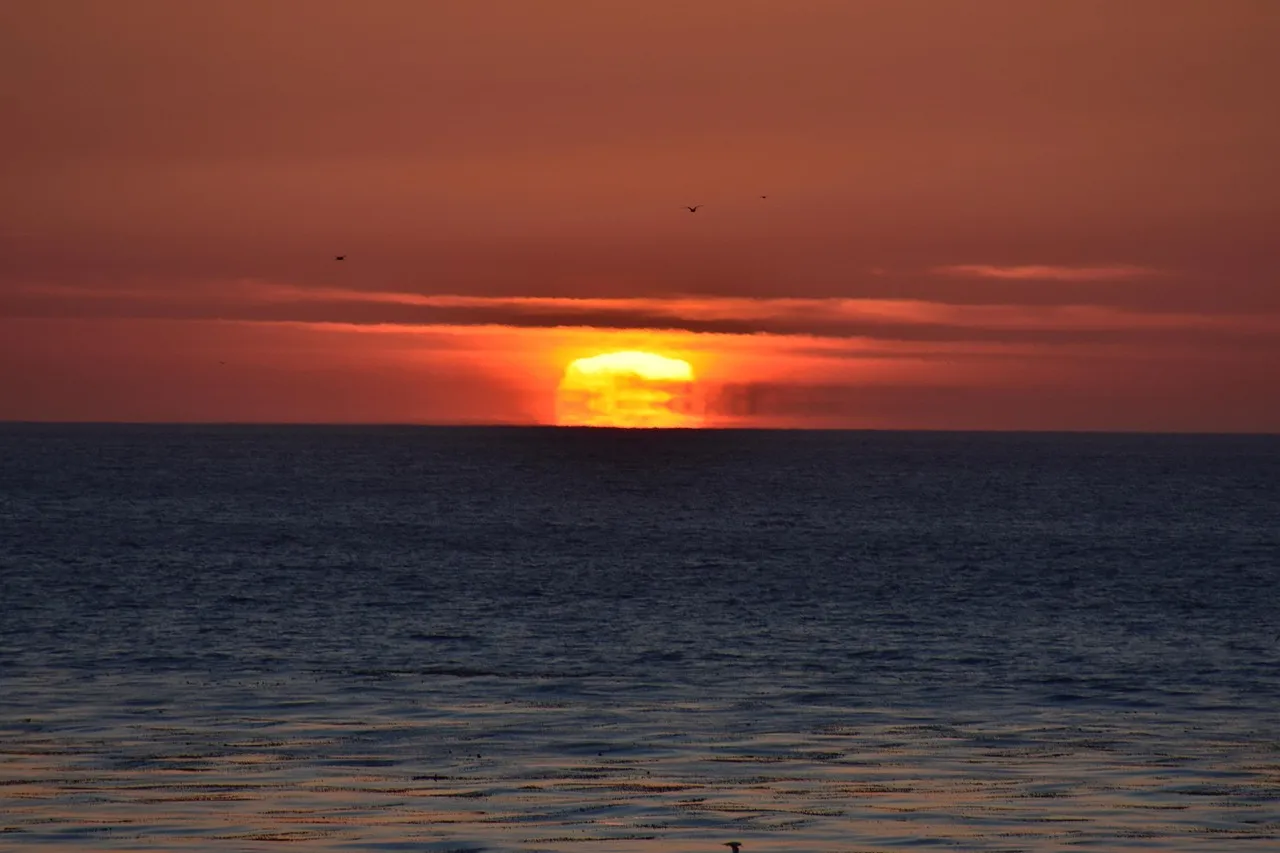
One of the best things about having little or no expectations about a place is that there is so much more opportunity to be pleasantly surprised, and Cambria turned out to be a hidden gem that checked all the boxes for a quintessential California getaway, charming visitors with its twin villages, friendly residents, arts community, and quirky boho vibe.
The town hosts a variety of vibrant seasonal events throughout the year, including the Cambria Scarecrow Festival, the Cambria Christmas Market, and the weekly Cambria Farmers Market, making it a must-see on the California coast. You could do Cambria as a day trip from San Luis Obispo, but you’d miss the evening atmosphere and the sunsets, which are half the point.
Some places earn their reputation through noise. Cambria earns it through the quiet kind of loyalty that makes people rearrange their plans just to return. That’s a harder thing to fake, and Cambria doesn’t try.AI Disclaimer: This article was created with the assistance of AI tools and reviewed by a human editor.