
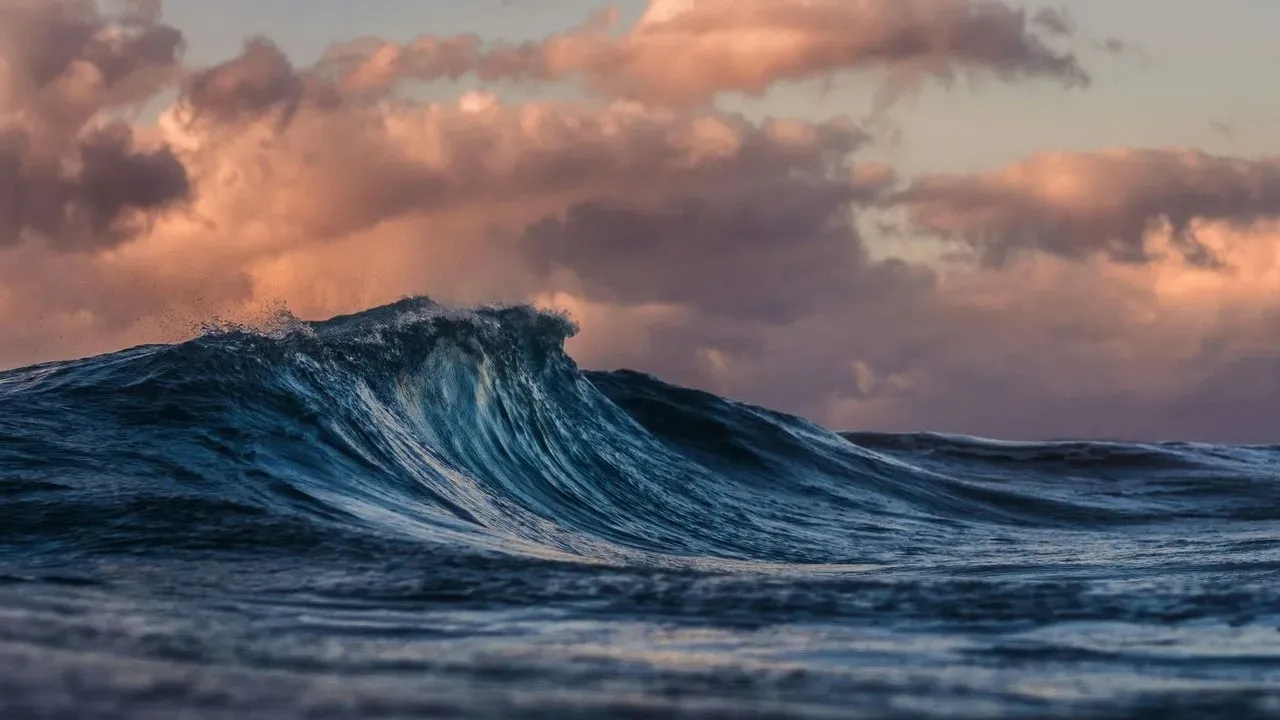

Dana Point, California – As powerful waves driven by a strengthening El Niño batter the shoreline this season, local leaders and residents along stretches of the California coast are installing rock barriers and other measures to shield homes and vital rail lines. These steps reflect a deep commitment to safeguarding communities that have long drawn visitors to the state’s celebrated beaches. At the same time, conversations are turning toward solutions that honor the natural landscapes responsible for the coast’s enduring appeal. ([1]) ## The Value of California’s Sandy Shores Travelers return year after year to the wide, accessible beaches that define much of the Southern California experience. These stretches offer space for quiet walks at dawn, family gatherings, and the simple pleasure of watching the Pacific meet the land. Their presence supports local economies through responsible tourism while providing essential habitat and natural buffers. When protective structures are placed to hold back the sea, the sand can no longer shift inland as it has for generations. This creates a narrower shoreline over time, a dynamic that experts have studied for years. Communities are now examining how to maintain the very features that make these places special for visitors and residents alike. ## Practical Steps Underway Along the Coast In areas such as Capistrano Beach and nearby rail corridors, crews have placed large boulders and reinforced barriers in recent weeks. These actions respond directly to the current wave energy and help keep infrastructure intact through the winter months. Similar work has occurred in other spots where homes sit close to the water’s edge. Officials have also advanced sand placement projects that move material from one coastal location to another, aiming to widen beaches where erosion has taken a toll. Such efforts require coordination across agencies and can take time, yet they represent one approach that seeks to restore rather than replace the natural shoreline. Discussions continue around elevating structures and exploring longer-term options that reduce the need for repeated interventions. ## Finding Balance for People and Place Stakeholders including homeowners, transportation authorities, conservation groups, and coastal commissions are weighing short-term needs against the desire to keep beaches intact for future generations. Sand replenishment carries significant costs, prompting questions about how best to allocate resources while ensuring public access remains a priority. Some voices note that certain older barriers were not built for today’s conditions, leading to renewed focus on designs that work with the coast’s natural processes where possible. The goal in many conversations is to protect what matters most – safe places to live and the open shores that welcome travelers – without locking in choices that limit options later. ## Looking Ahead with Care and Intention Thoughtful planning today can help ensure that California’s coastline continues to offer its signature mix of community life and natural beauty. By supporting strategies that respect both human needs and the shoreline’s dynamic character, residents and visitors alike can contribute to a more resilient future. These beaches remain among the state’s most treasured assets, worth stewarding with the same care that draws people to them in the first place.
AI Disclaimer: This article was created with the assistance of AI tools and reviewed by a human editor.