

There’s a quiet kind of knowledge that lives inside every experienced campground host. They’ve watched hundreds of rigs pull in, seen families argue over the map, and listened to the same question asked again and again at the welcome station: “Is that site available?” The site number almost always gets rattled off with a specific familiarity, not a random guess. Regular campers know exactly what they want, and they’ll plan months ahead to get it.
The camping boom has only intensified this pattern. More than 81 million Americans camped in 2024, including 5.8 million first-time campers, according to a report from The Dyrt, a popular camping app that tracks industry trends. With that many people competing for reservations, the seasoned regulars have learned which sites are worth the extra effort. Here’s what campground hosts across the country consistently notice about the sites that get snapped up first.
The End-of-Loop Site: The Most Universally Requested Spot
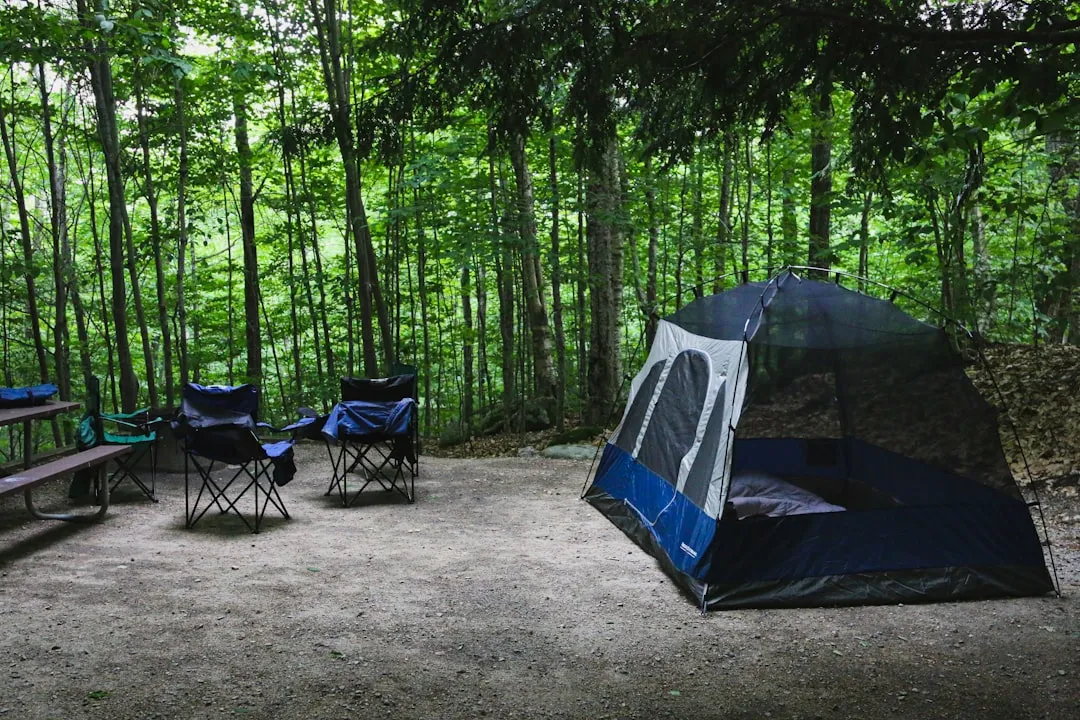
Ask almost any campground host and they’ll tell you the same thing: the site at the very end of the loop books out before anything else. These spots have just one immediate neighbor instead of two, which means less foot traffic past your fire and fewer headlights swinging through at midnight. The sense of being tucked away at the edge of things, rather than sandwiched in the middle, is genuinely different.
At Scout Mountain Campground in Idaho, site 20, positioned at the loop’s end, is specifically noted for offering extra privacy as the last site before exiting the campground. Campers who have returned year after year know this. It’s the kind of detail that doesn’t appear on any official park brochure but gets passed between regulars like a well-kept secret.
The Back-of-the-Campground Site: Quiet by Design
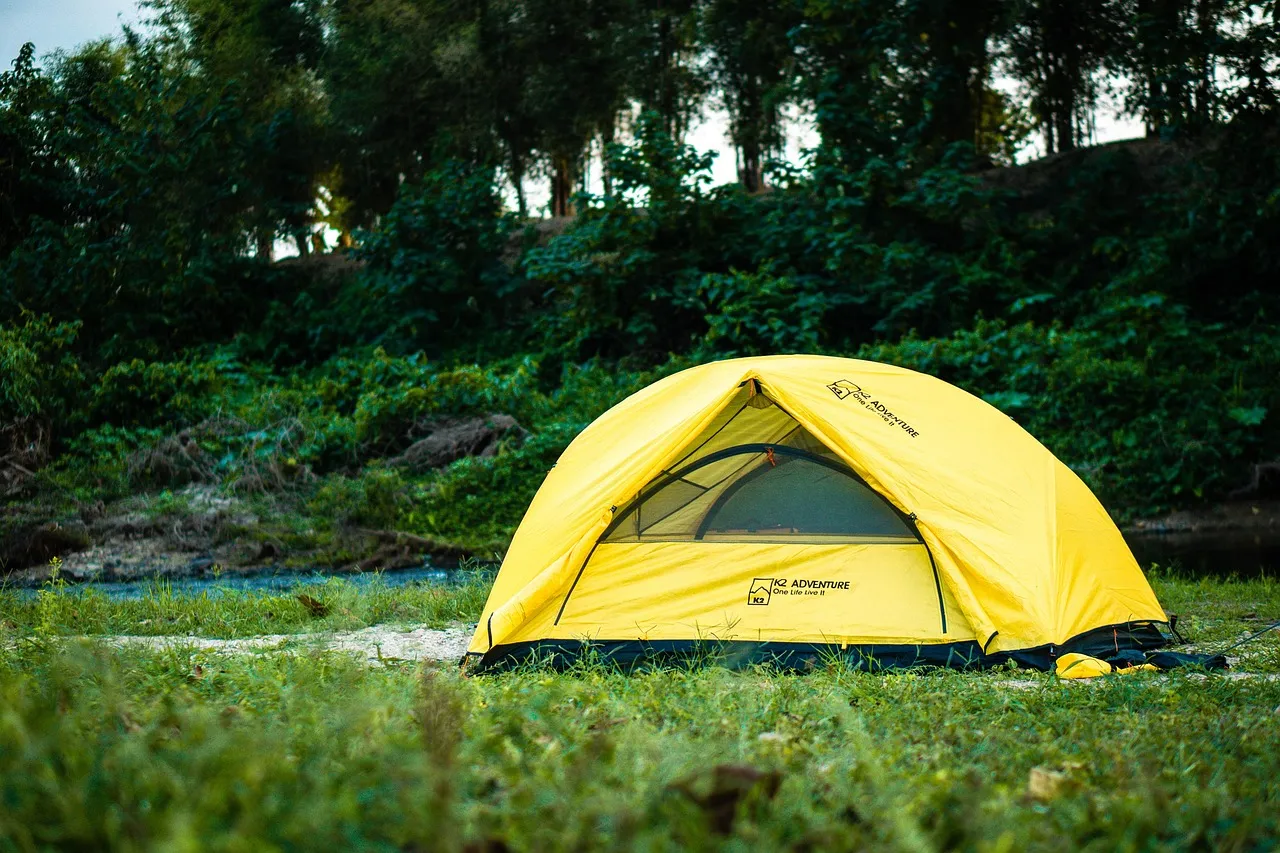
Sites positioned furthest from the entrance road carry a practical advantage: they’re simply harder to stumble past. Late arrivals, early-morning dog walkers, and curious neighbors tend to cluster near the front. The back rows, by contrast, often feel like a separate world entirely.
Campers consistently confirm this preference in their own words. Reviews of California’s Islay Creek Campground at Montaña de Oro State Park note that “the campsites in the way back are the best, much quieter.” Hosts at parks across the country report that these rear sites fill up fastest among repeat visitors who have done their homework.
The Pull-Through Site: Every RV Traveler’s Priority
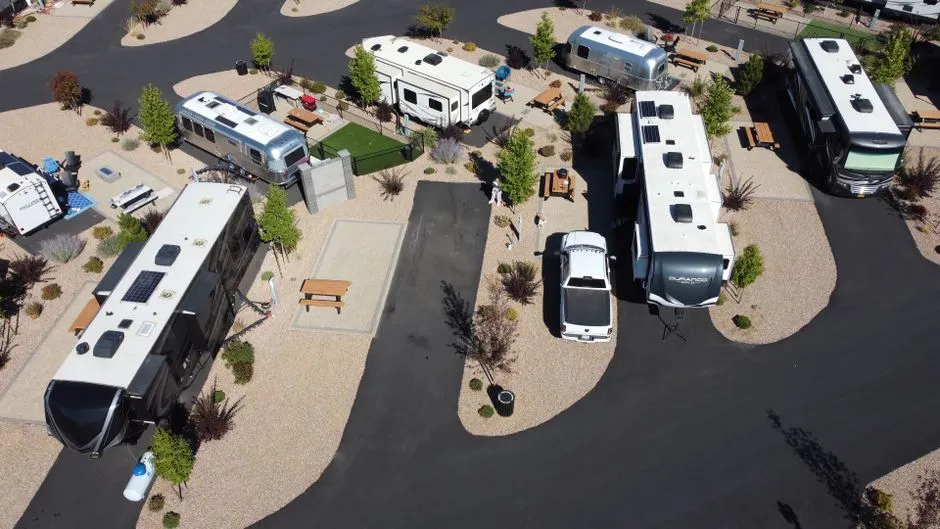
For anyone towing a trailer or driving a long rig, pull-through sites aren’t just convenient. They’re practically essential. If you hate backing up or are not confident in your backing skills, pull-through sites eliminate the stress completely. You just drive straight through, park, and you’re done. That simplicity matters enormously at the end of a long travel day.
Getting into a pull-through site takes about two minutes from entering to being parked, and getting out takes even less time. Hosts note that these sites get claimed within hours of reservations opening, especially on holiday weekends. More than half of all campers, roughly 53.4 percent, favor camping with a vehicle such as an RV, trailer, or camper van, which explains exactly why the pull-through request is so persistent.
The Shaded Site: Requested Year-Round but Essential in Summer
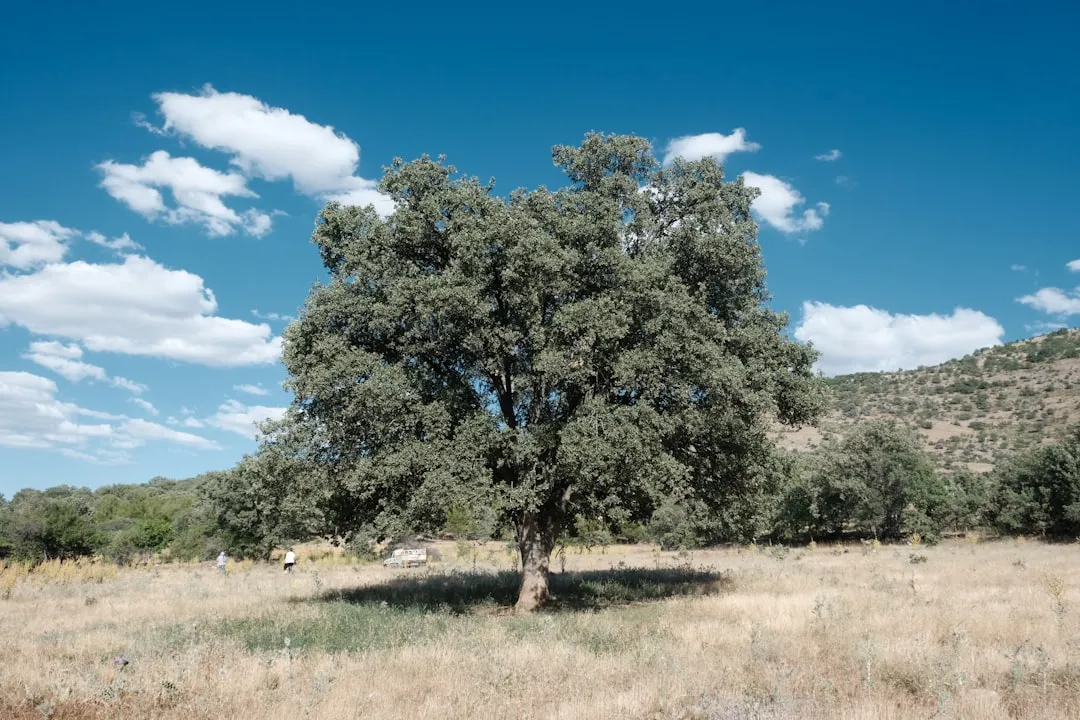
Tree cover is one of those campsite qualities that sounds like a minor detail until you’ve spent a July afternoon in a shadeless, sun-blasted spot. Experienced campers know the difference viscerally. Heavily forested areas help block pollutants while providing plenty of shade for those hot summer days. The shade request shows up in review after review on platforms like The Dyrt and Recreation.gov.
At mountain campgrounds, tree cover provides an abundance of shade, and some campsite lots are more suitable for tents specifically because of it. Campground hosts consistently flag shaded sites as the first to be verbally requested at the check-in station, particularly by families traveling with children. It’s the kind of feature that turns a merely decent stay into a genuinely comfortable one.
The Waterfront or Water-Facing Site: The Most Emotionally Requested

When a campsite has a lake, river, or ocean view, something changes in how people feel about being there. Water has long been known for its healing properties, and campers take to water like catfish to a muddy creek, with water features such as beaches, rivers, or lakes consistently cited as contributors to relaxation. Hosts at lakefront campgrounds often say these sites are reserved within minutes of the reservation window opening.
For destinations that center on this appeal, campground researchers consider the number of campgrounds near natural bodies of water, as well as amenities that include waterfront, beach, and fishing availability. The emotional weight of waking up to moving water is real, and regulars are willing to plan far in advance to make sure it happens.
The Site with Natural Privacy Buffers: Vegetation Matters More Than People Expect
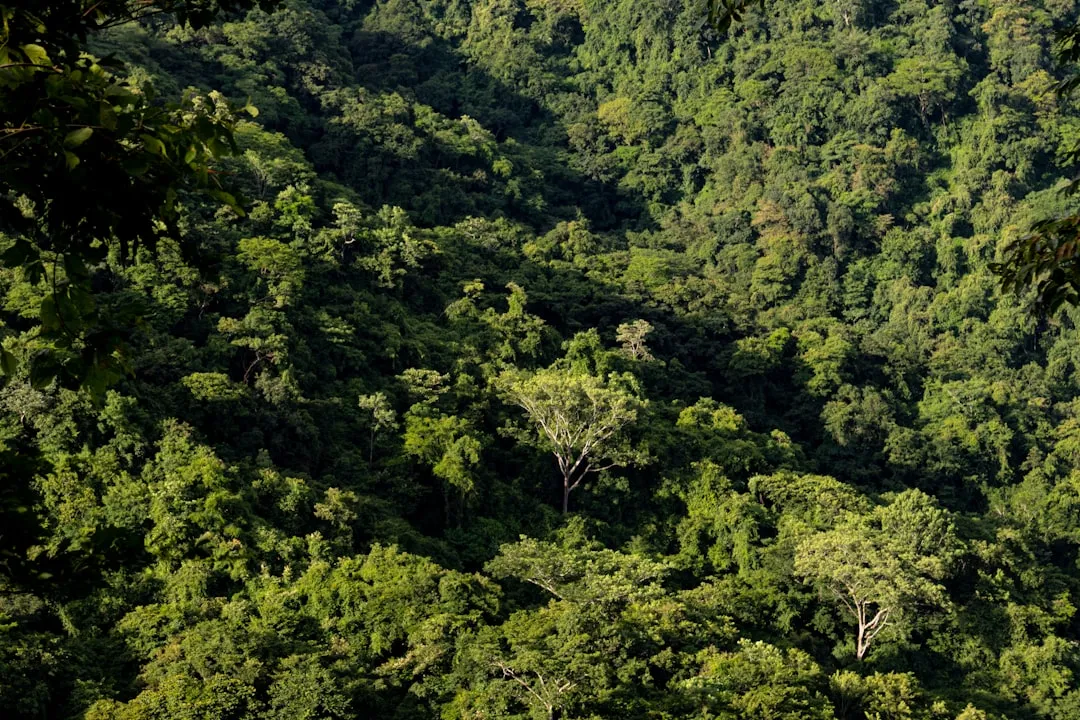
Dense brush, tall shrubs, or a natural rock formation between sites can transform the feel of a campground entirely. Sites that feature dense vegetation create natural privacy barriers between neighbors, and that distinction shows up consistently in reviews. Hosts note that these sites tend to get requested by couples and solo travelers in particular, people who aren’t looking for a social weekend.
The majority of RV sites at most campgrounds are back-in sites, which make more efficient use of space, create better privacy, and are what most campgrounds have always built. When natural screening combines with a back-in configuration, hosts say regulars will request that specific combination by site number, not by general description.
The Site Near the Trailhead: For the Hikers Who Plan Ahead
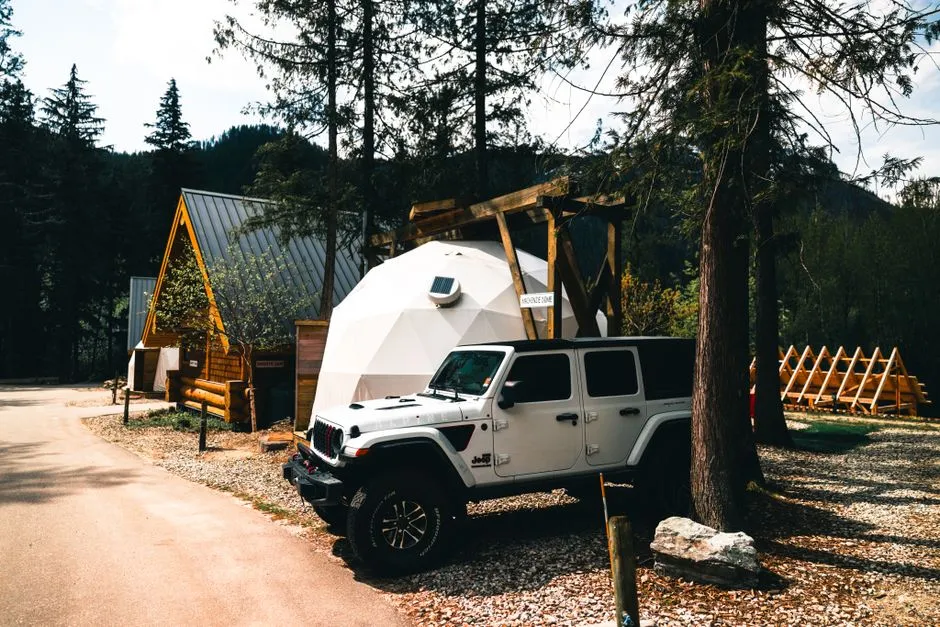
Some regulars aren’t primarily chasing quiet or privacy. They’re optimizing for access. A site within easy walking distance of a trailhead means you can lace up your boots and be moving before the morning coffee cools. The campground’s proximity to hiking trails and stunning sunset views is a widely cited reason campers return to specific sites year after year.
Campground hosts at parks with significant trail systems say these trailhead-adjacent sites are often pre-identified by repeat visitors who check the campground map before the reservation window opens. Experienced campers commonly prioritize privacy, easy access, gorgeous views, and proximity to nearby hiking and biking trails as their core criteria. The site number near the trailhead becomes the shorthand for all of those qualities at once.
The Loop with the Best Bathrooms: An Underrated Loyalty Driver
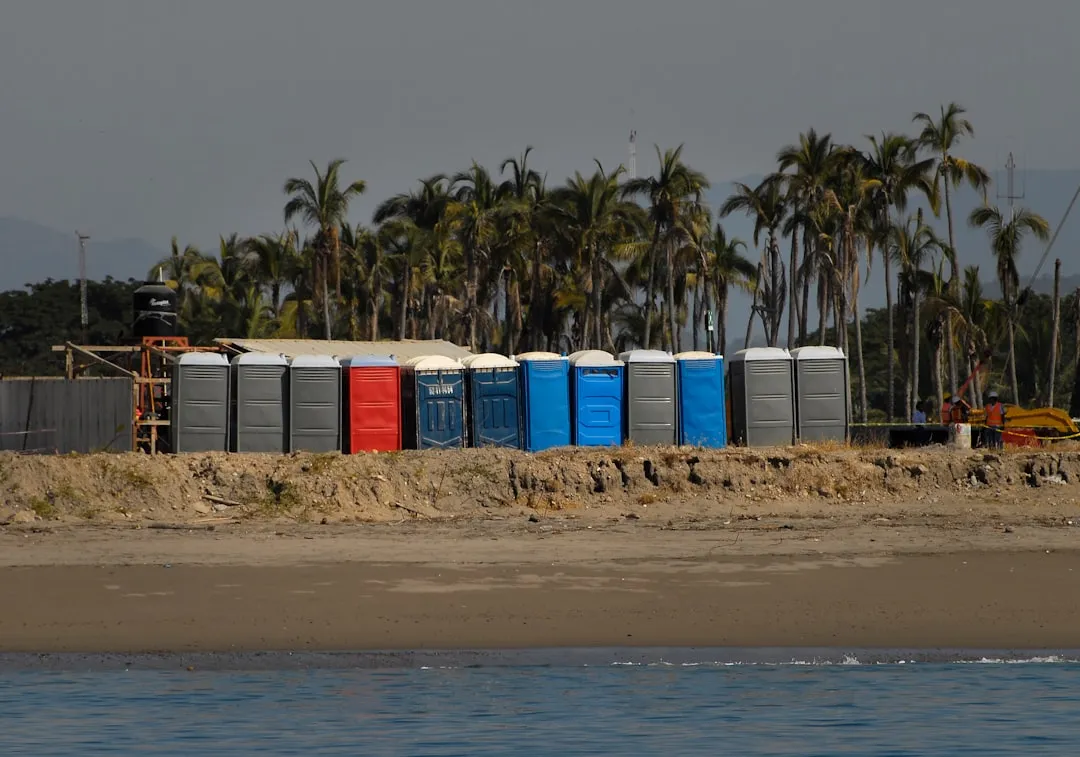
It might not be the most glamorous admission, but campground hosts are the first to tell you that bathroom quality drives repeat site requests more than almost anything else. At campgrounds with multiple loops, regulars will specifically ask for a site in whichever loop has the cleanest, most recently renovated facilities. The difference between a well-maintained comfort station and a neglected one is not subtle.
At Cape Lookout State Park in Oregon, experienced campers strongly recommend the upper sections of the A, B, and C loops, and note that the bathrooms in those loops are in the best shape. Hosts say that once a camper has had a bad experience in a poorly maintained loop, they’ll memorize exactly which sites to avoid and which ones to request in future seasons.
The Site with Extra Space: For Groups Who Need Room to Breathe
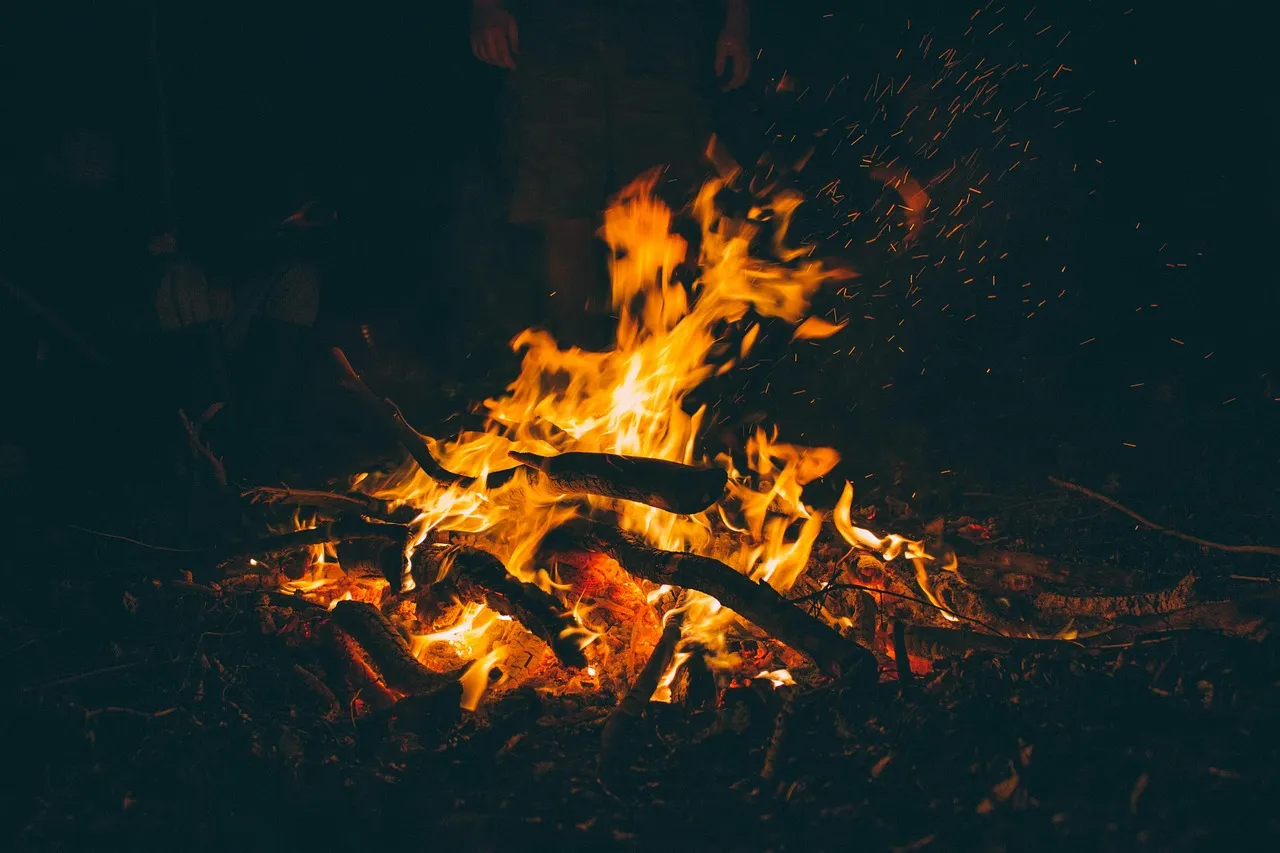
Standard campsite dimensions work fine for a solo tent or a modest RV setup. For families with multiple tents, an extended awning, and a few camp chairs arranged in a circle, extra square footage becomes genuinely important. Guests frequently mention spacious, well-maintained sites with good privacy as a top priority, and the sites that offer that combination are the ones hosts see requested by name.
At campgrounds where sites vary significantly in size, hosts note that regulars will occasionally pass on a site with a better view if a larger site is available nearby. The calculus shifts depending on who’s traveling, and hosts who know their regulars well often make quiet suggestions before anyone has to ask. In 2025, the Campspot platform alone powered over 3.7 million camping reservations, and within that volume, site-specific preferences are driving an increasingly significant portion of booking decisions.
The Preferred-Rated Site on Recreation.gov: The One with the Official Stamp of Approval
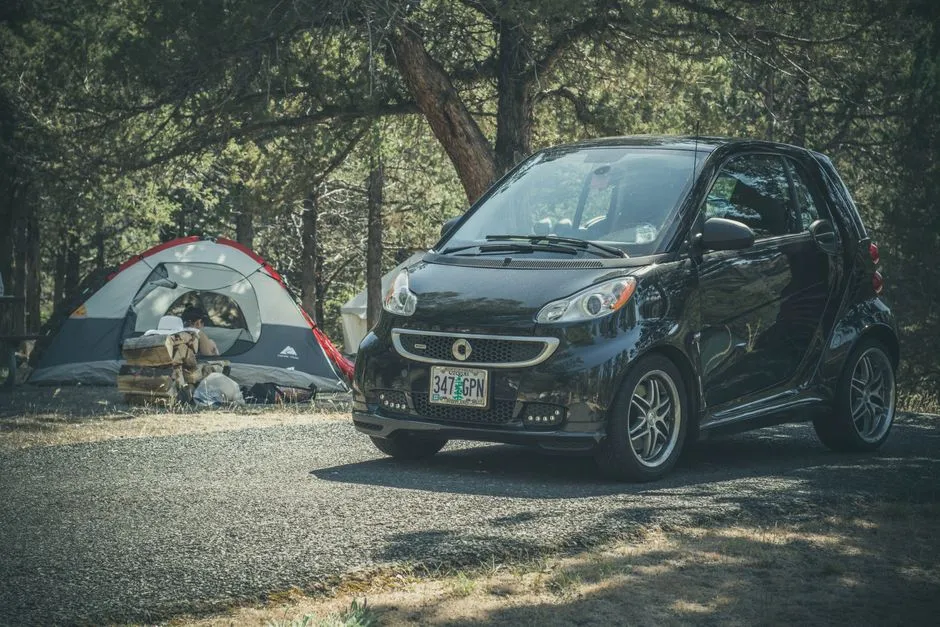
National forest campgrounds and federally managed sites listed on Recreation.gov often carry a site rating, and the word “Preferred” carries weight. These designations are based on a combination of shade, location, and general desirability, and experienced campers have learned to filter for them. Sites marked with a “Preferred” rating on Recreation.gov, such as certain sites at Superior National Forest’s Trails End Campground, are designated based on factors including shade and overall site quality.
Hosts at federally managed campgrounds say the Preferred label creates a self-reinforcing loop: those sites get requested, they fill first, and their reviews are consistently better, which draws more attention to them the following season. Low sound levels contribute to the feeling of relaxation for a large portion of campers, and with nearly 70 percent of campers specifically craving a sense of calm and relaxation on their trips, it’s no surprise that a site carrying an official quality designation becomes a recurring request. Once a camper lands a spot they love, they remember the number. That’s the simple truth behind everything hosts observe.
The Takeaway
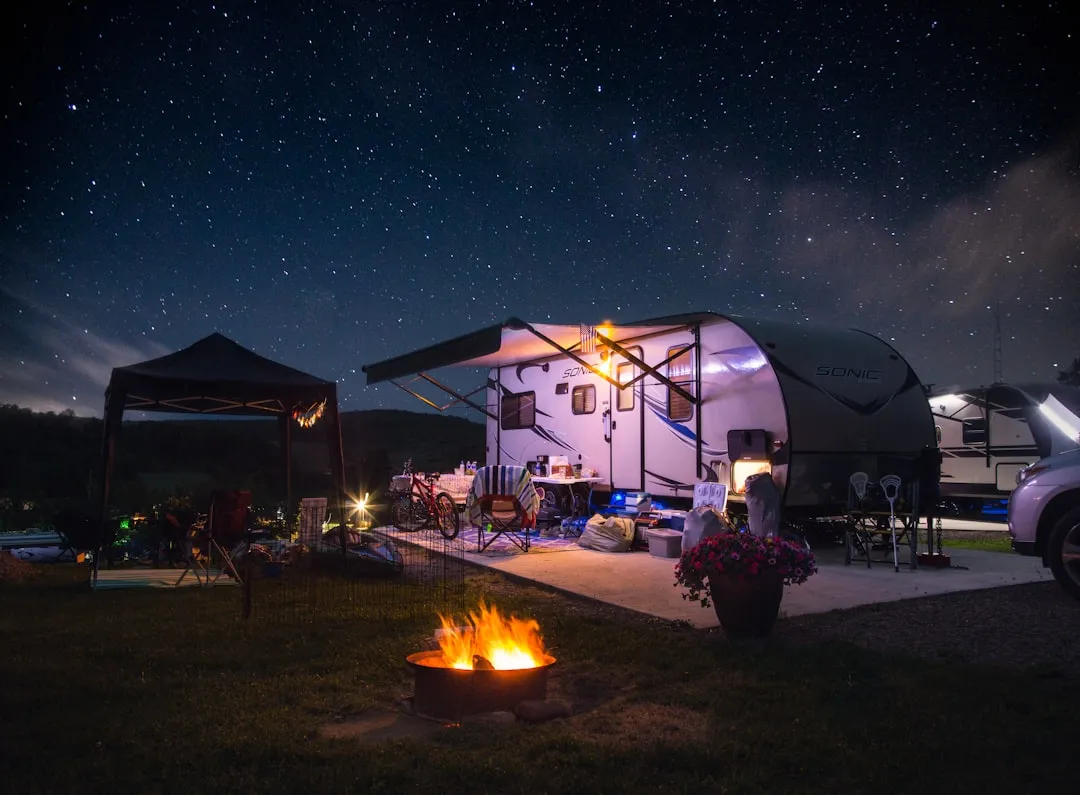
What campground hosts see season after season is less about luck and more about accumulated knowledge. The use of campsite reservations has risen sharply, with 70.7 percent of campers using all their reservations in 2024, up from 58.9 percent the year before, which reflects just how intentional the planning has become. People aren’t randomly hoping for a good site anymore. They’re asking for it by number.
The sites that get requested most often share a handful of quiet qualities: privacy, natural screening, easy access, shade, and proximity to something meaningful, whether that’s water, a trail, or a clean bathroom. None of those things are magical. They’re just consistently good. The regulars already know this. If you’re still figuring it out, the campground host is usually the most useful person in the park to ask.
AI Disclaimer: This article was created with the assistance of AI tools and reviewed by a human editor.