
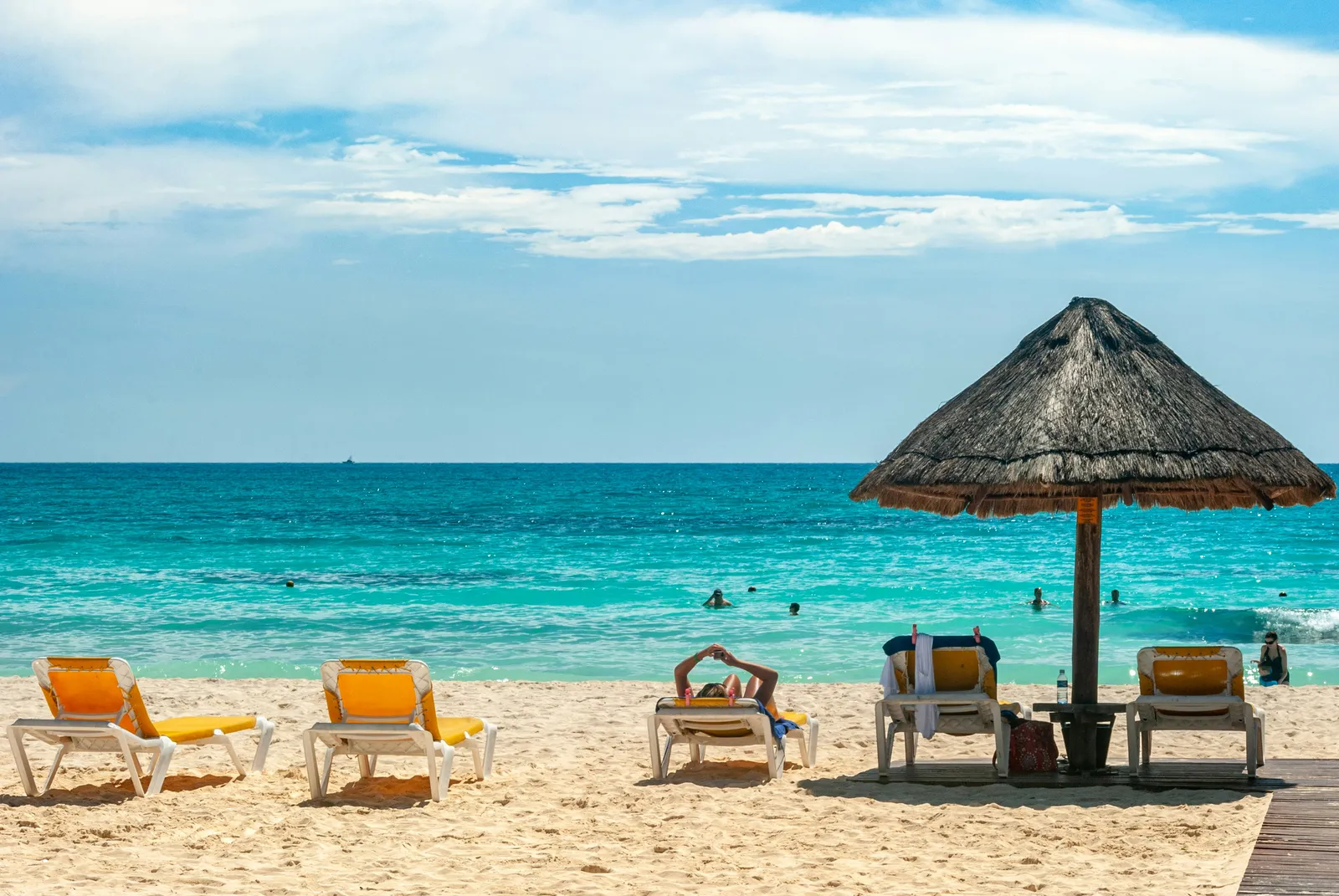

Cancún drew eight longtime friends for a straightforward week in the Hotel Zone, where turquoise water and all-inclusive ease promised the main decisions would involve pool or beach. Recent cartel warnings and reports of a heavy sargassum bloom had cast a shadow over planning. The group proceeded anyway, landing amid the usual mix of travel advisories and seasonal seaweed concerns that often circulate before peak summer trips.
Travel Advisories Shape Early Planning
U.S. government guidance on parts of Mexico frequently highlights risks tied to organized crime, prompting many travelers to weigh options carefully before booking. For this group, the warnings arrived alongside standard pre-trip research on flights, resorts, and beach conditions. The friends reviewed the alerts but focused on the Hotel Zone’s established security measures and contained environment, which differ from broader regional concerns.
Practical steps included selecting a well-reviewed all-inclusive property with on-site transportation and limiting outings to established areas. This approach reflected how many visitors balance official notices against personal itineraries when destinations maintain strong tourism infrastructure.
Sargassum Adds Seasonal Uncertainty
Caribbean seaweed blooms have grown more noticeable in recent years, sometimes covering stretches of sand and altering the postcard image of clear water. Reports ahead of the trip described a significant event that could affect swimming and shoreline time. The group monitored updates through resort channels and local forecasts rather than relying solely on distant headlines.
Upon arrival, conditions proved variable rather than uniformly disruptive. Hotel staff managed daily cleanup, and sections of beach remained accessible for the planned relaxation. The all-inclusive setup allowed flexibility to shift between pool areas and clearer patches of water without major schedule changes.
Daily Life in the Hotel Zone
Once settled, the week unfolded around familiar resort rhythms: morning swims, group meals, and evenings spent overlooking the Caribbean. The contained nature of the Hotel Zone kept most activities within easy reach of the property, reducing exposure to external variables. Interactions with staff and other guests stayed routine, centered on service and shared downtime.
Evenings brought the expected mix of entertainment options and quiet time, while daytime hours highlighted the contrast between advance concerns and on-site reality. The friends noted consistent access to food, drinks, and amenities that matched the all-inclusive promise, with minimal interruptions from external factors.
Transportation between the airport and resort followed standard protocols, and no incidents altered the group’s plans. This pattern aligned with experiences shared by other visitors who prioritize resort-based travel over extensive exploration.
Practical Outcomes for Similar Travelers
The trip illustrated how targeted preparation can address overlapping concerns like security advisories and environmental conditions. Resort selection, limited mobility, and attention to real-time updates emerged as recurring elements that supported a low-stress outcome. Many travelers in comparable situations reach similar conclusions when focusing on established tourism corridors.
Forward planning for summer visits often includes checking current bloom reports alongside standard advisories. Properties in the Hotel Zone typically maintain protocols that help guests navigate both issues without derailing core vacation goals.
What matters now: Travelers weighing Cancún trips can review resort-specific updates on sargassum management and Hotel Zone security alongside official guidance to align expectations with current conditions.
AI Disclaimer: This article was created with the assistance of AI tools and reviewed by a human editor.