
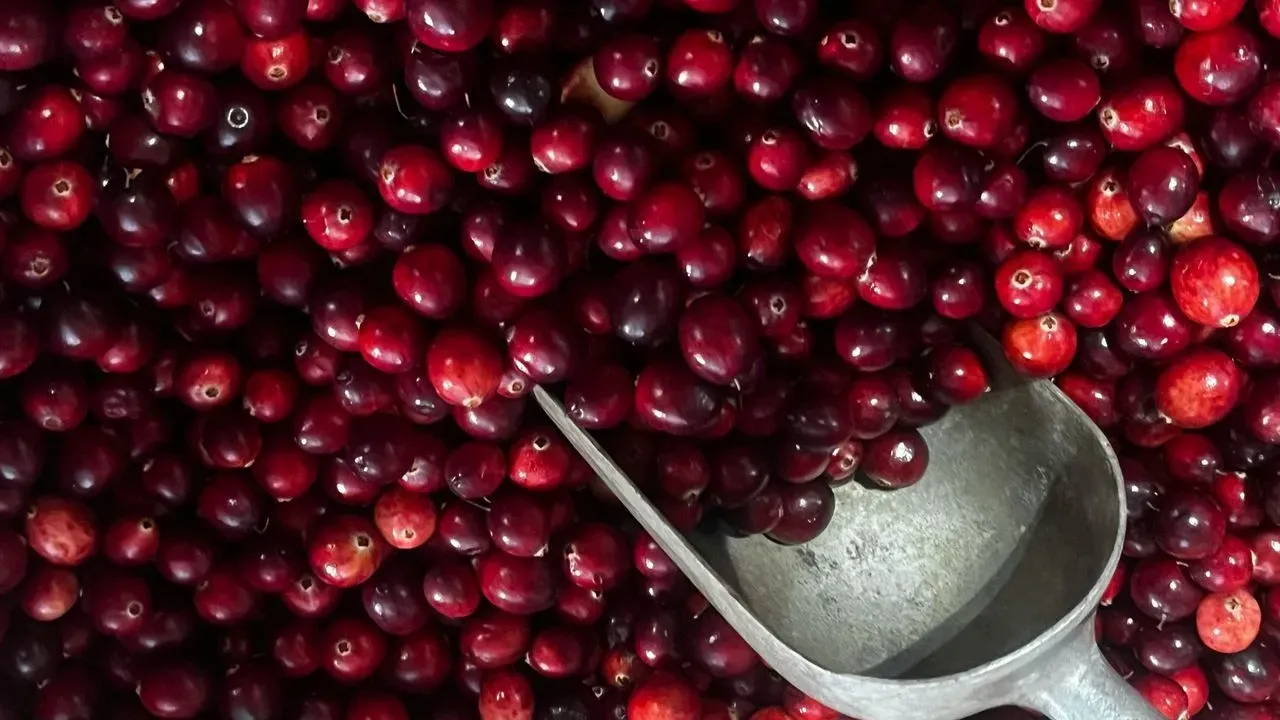

Cape Cod holds a quiet claim on one of America’s most familiar holiday traditions. The region’s sandy soils and freshwater ponds gave rise to the wild cranberry bogs that later supplied the cultivated berries now central to Thanksgiving tables across the country. A new scenic route highlighted by Boston.com invites travelers to follow that story on the ground, moving from historic harvesting sites to working farms that still shape the local landscape each autumn.
Roots in the Cape’s Wetlands
Cranberries grew wild in the wetlands of southeastern Massachusetts long before European settlers arrived. Indigenous communities in the area harvested the tart fruit for food, medicine, and dye, recognizing its value in the coastal ecosystem. Over time, the plant’s natural habitat on Cape Cod became the foundation for commercial cultivation that spread across New England. Visiting these bogs today offers a direct connection to that lineage. Gentle trails wind past flooded fields where mechanical harvesters once replaced hand rakes, and interpretive signs explain how the sandy, acidic soil and abundant water created ideal growing conditions. The experience feels grounded rather than staged, letting the landscape itself tell the story of adaptation and seasonal rhythm.
Following the Scenic Route
The suggested tour links several accessible stops that together illustrate the full arc of cranberry history on the Cape. Travelers can begin near the earliest documented harvesting areas and continue to active farms where berries are still sorted and packed each fall. Each location emphasizes observation over performance. Boardwalks keep visitors on designated paths that protect fragile root systems, while small exhibits share details about water management and the shift from dry to wet harvesting methods. The route stays compact enough for a single day yet leaves room for unhurried pauses beside the vivid red fruit floating in shallow ponds.
Timing the Visit With the Season
Late October through early November brings the most vivid window into the harvest. Fields turn brilliant against the surrounding pines, and many farms open their doors for short educational sessions that explain the process without turning the experience into a spectacle. This period also aligns with the broader shift into the holiday season across New England. The same farms that supply Thanksgiving markets often host quiet tastings or simple demonstrations that connect the fruit on the table to the land that produced it. Travelers who arrive during these weeks encounter both the practical work of the harvest and the cultural resonance that follows.
Extending the Journey Responsibly
Cape Cod’s cranberry story sits within a larger coastal environment worth exploring with care. Nearby conservation areas protect the same wetlands that sustain the bogs, offering additional walks that highlight native plants and migratory birds. Choosing operators and farms that follow established environmental guidelines helps keep these landscapes intact for future seasons. Many properties already limit group sizes and maintain clear boundaries around sensitive zones, making it straightforward for visitors to travel lightly while still gaining a rich sense of place. The tour ultimately invites a slower appreciation of how a single native plant became woven into national tradition. Standing beside a working bog on a crisp autumn morning makes the connection between land, labor, and holiday table feel immediate and lasting.
AI Disclaimer: This article was created with the assistance of AI tools and reviewed by a human editor.