
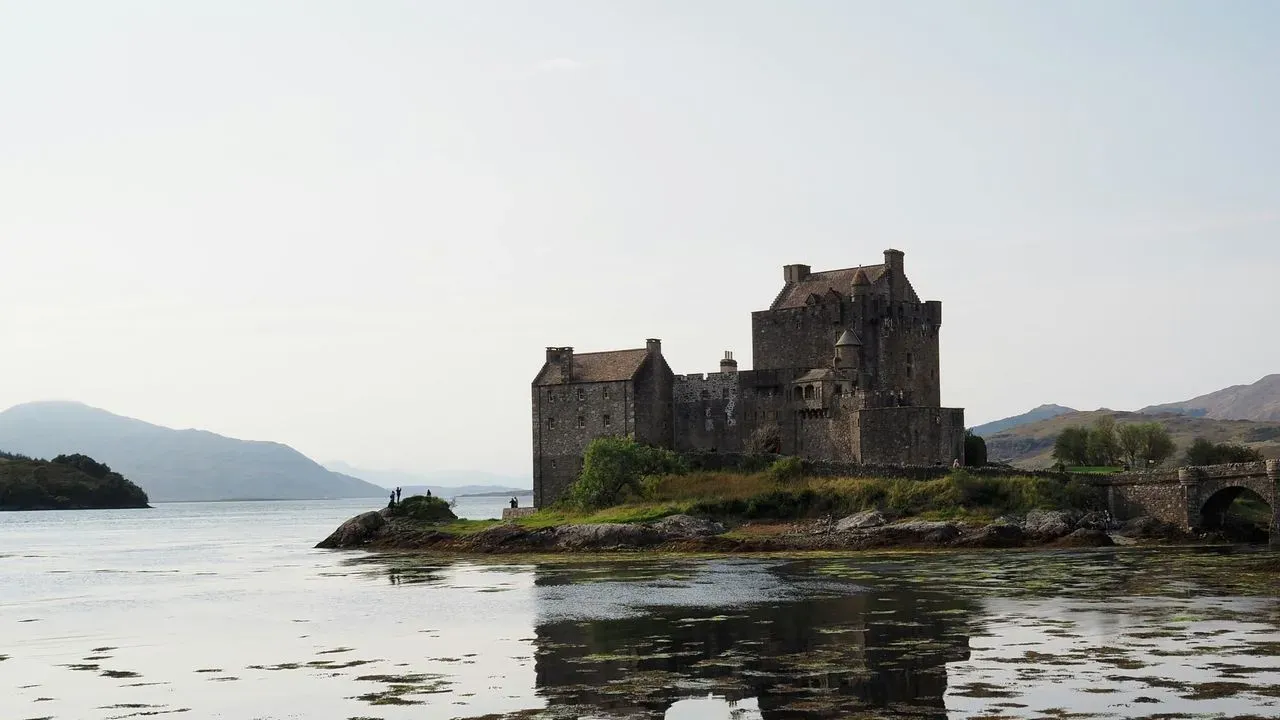

Cape Town – The Castle of Good Hope stands as South Africa’s oldest surviving building, erected by the Dutch East India Company during the 17th century. Its presence at the heart of the city offers travelers a direct connection to the early chapters of European settlement in the region. A visit invites measured reflection on how such structures shape contemporary understandings of place and heritage.
Why This Fortress Matters Now
Preserved historic sites like the Castle of Good Hope provide tangible anchors for understanding long arcs of history. In an era when many travelers seek purposeful encounters with cultural landscapes, the fortress supplies context without requiring extensive prior study. Its continued role as a public site underscores the value of maintaining physical records of the past for future generations.
Stakeholders ranging from local heritage authorities to international visitors benefit when these buildings remain accessible and thoughtfully interpreted. The timeline of its construction and adaptation reflects broader patterns of trade, defense, and administration that defined the Cape in its early colonial period. Engaging with the site encourages visitors to consider how history continues to inform present-day identities and relationships.
Construction by the Dutch East India Company
The Dutch East India Company established the Castle of Good Hope as a strategic outpost during the 17th century. This initiative formed part of wider efforts to secure maritime routes and support resupply operations at the southern tip of Africa. The resulting structure combined defensive needs with administrative functions, creating a durable complex that has endured for centuries.
Materials and design choices of the period reveal practical responses to local conditions and available resources. Over time the fortress adapted to shifting requirements while retaining its core footprint. Such continuity allows modern observers to trace layers of use across different eras of governance and commerce.
Experiencing the Site Today
Visitors can walk the ramparts and explore interior spaces that once housed military and civic activities. Guided or self-directed tours highlight architectural details and historical functions without overwhelming the senses. The grounds offer quiet areas for contemplation amid the surrounding urban setting.
Practical considerations include checking current opening hours and any seasonal programs that interpret the site’s story for diverse audiences. Respectful conduct, such as staying on designated paths and following photography guidelines, supports ongoing preservation efforts. Many travelers find that allocating unhurried time enhances appreciation of the fortress’s scale and atmosphere.
Its Place in Cape Town’s Cultural Fabric
The Castle of Good Hope integrates into the wider narrative of Cape Town as a meeting point of cultures and histories. Its location near the waterfront places it within easy reach of other landmarks, allowing visitors to build itineraries that balance historic exploration with contemporary city life. This positioning supports responsible travel patterns that spread economic benefits across neighborhoods.
Local communities continue to engage with the site through events, education programs, and research initiatives. Such involvement ensures that interpretations evolve with new scholarship and public dialogue. Travelers who approach the fortress with openness contribute to a cycle of respectful exchange rather than one-way observation.
What matters now is recognizing that sites like the Castle of Good Hope reward patient attention. They invite travelers to connect specific structures with larger questions of continuity, adaptation, and shared inheritance.
The fortress remains a steady presence amid Cape Town’s evolving skyline. Its story encourages visitors to carry forward a deeper awareness of place long after they depart.
AI Disclaimer: This article was created with the assistance of AI tools and reviewed by a human editor.