
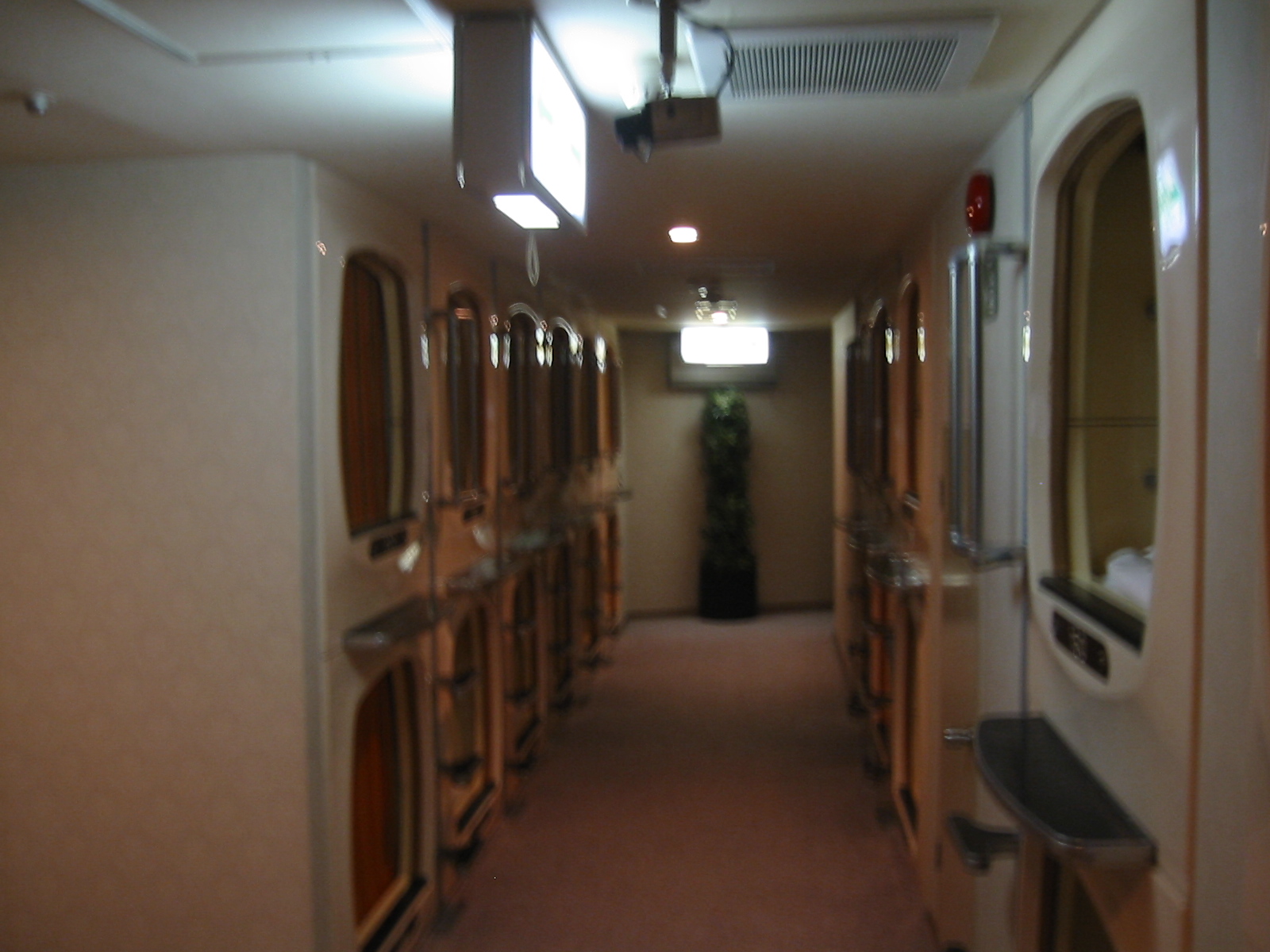
There is something oddly appealing about the idea of sleeping in a compact pod, tucked into a quiet row of identical spaces, somewhere in the heart of Tokyo or Osaka. Capsule hotels have evolved far beyond their original reputation as a refuge for late-working salarymen. Today, they attract curious travelers from every corner of the world, drawn by the mix of affordability, efficiency, and the unmistakably Japanese quality of thoughtful design within tight constraints.
The global capsule hotel market was valued at around USD 262.9 million in 2024 and is projected to grow to USD 432.5 million by 2030, at a compound annual growth rate of 8.8%. That kind of momentum signals something real: more travelers are choosing this format, not just as a budget compromise, but as a deliberate choice. Solo travelers account for roughly 71 percent of the capsule hotel market, making it one of the most single-traveler-friendly accommodation types in the world. What first-timers often discover too late, though, is that the experience runs on a set of unspoken norms that staff quietly enforce every day.
Shoes Off the Moment You Walk In
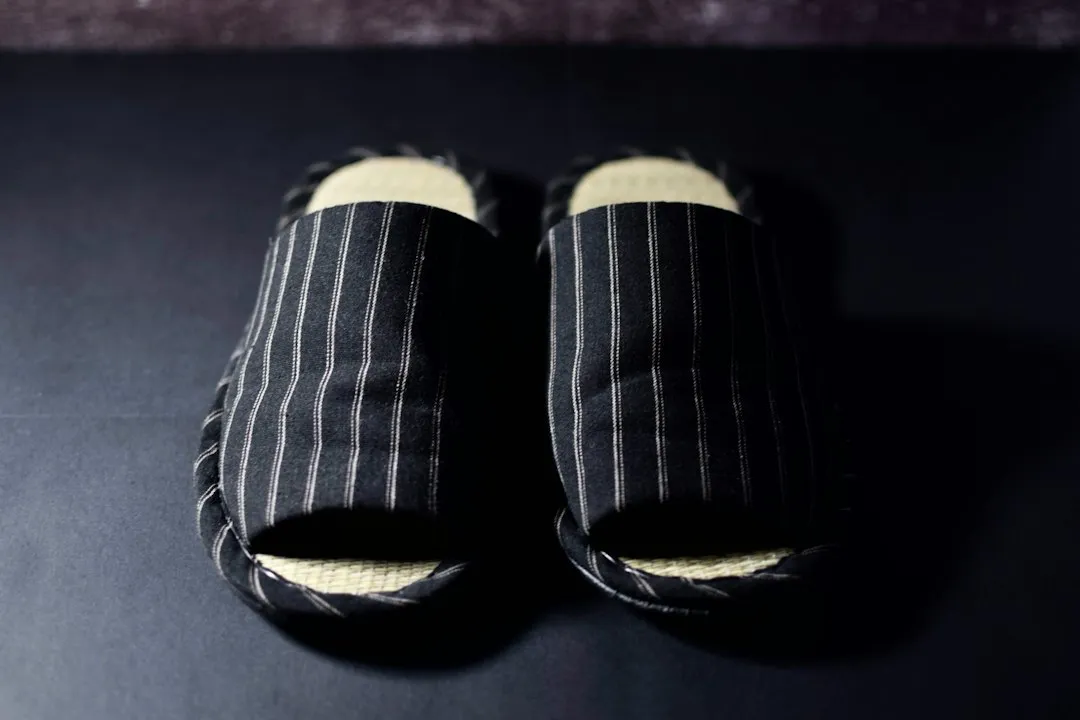
This is not optional, and it is not symbolic. When you enter a capsule hotel, you remove your shoes and put them in a shoe locker, put on a pair of the slippers provided, and check in at the reception desk. The shoe locker key becomes one of your most important items during check-in, and you will typically bring it to the front desk as part of the process.
Removing shoes at the entrance is standard etiquette in Japan. You take off your shoes at the door and store them in a small locker or cubbyhole, often swapping them for slippers. Think of the slipper zone as the boundary between outside and inside. Crossing back with street shoes on, even briefly, is the kind of thing that draws a quiet but firm correction from staff.
Your Suitcase Does Not Go Up to the Sleeping Floor
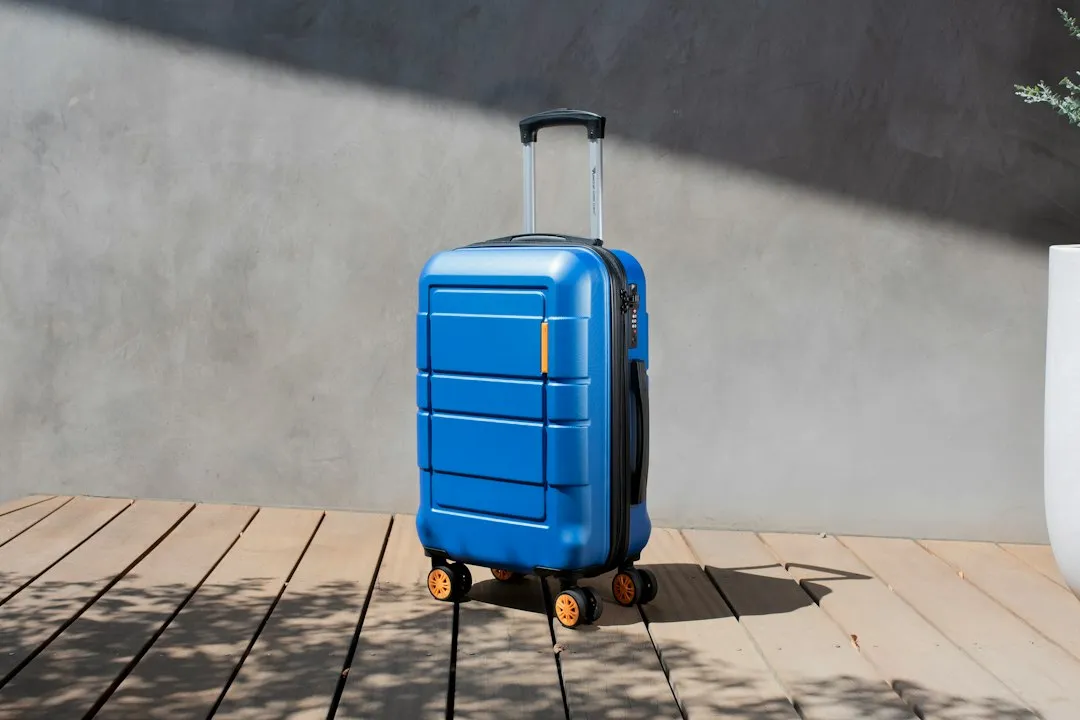
Your suitcase does not come up to the sleeping floor. Most pods have a small valuables locker only. Roll-on bags go into a separate downstairs luggage room or a coin locker. Walk in with a large hard-shell suitcase and you will be politely redirected.
When checking into a capsule hotel, you are assigned a capsule number and given a key to a corresponding locker where you can store your belongings. The lockers are not usually very large, so most places have an additional luggage room or coin lockers to store suitcases and other large items. Packing light is not just a travel philosophy here. It is a practical necessity that shapes the entire experience from the moment you arrive.
Silence on the Capsule Floor Is the Number One Rule
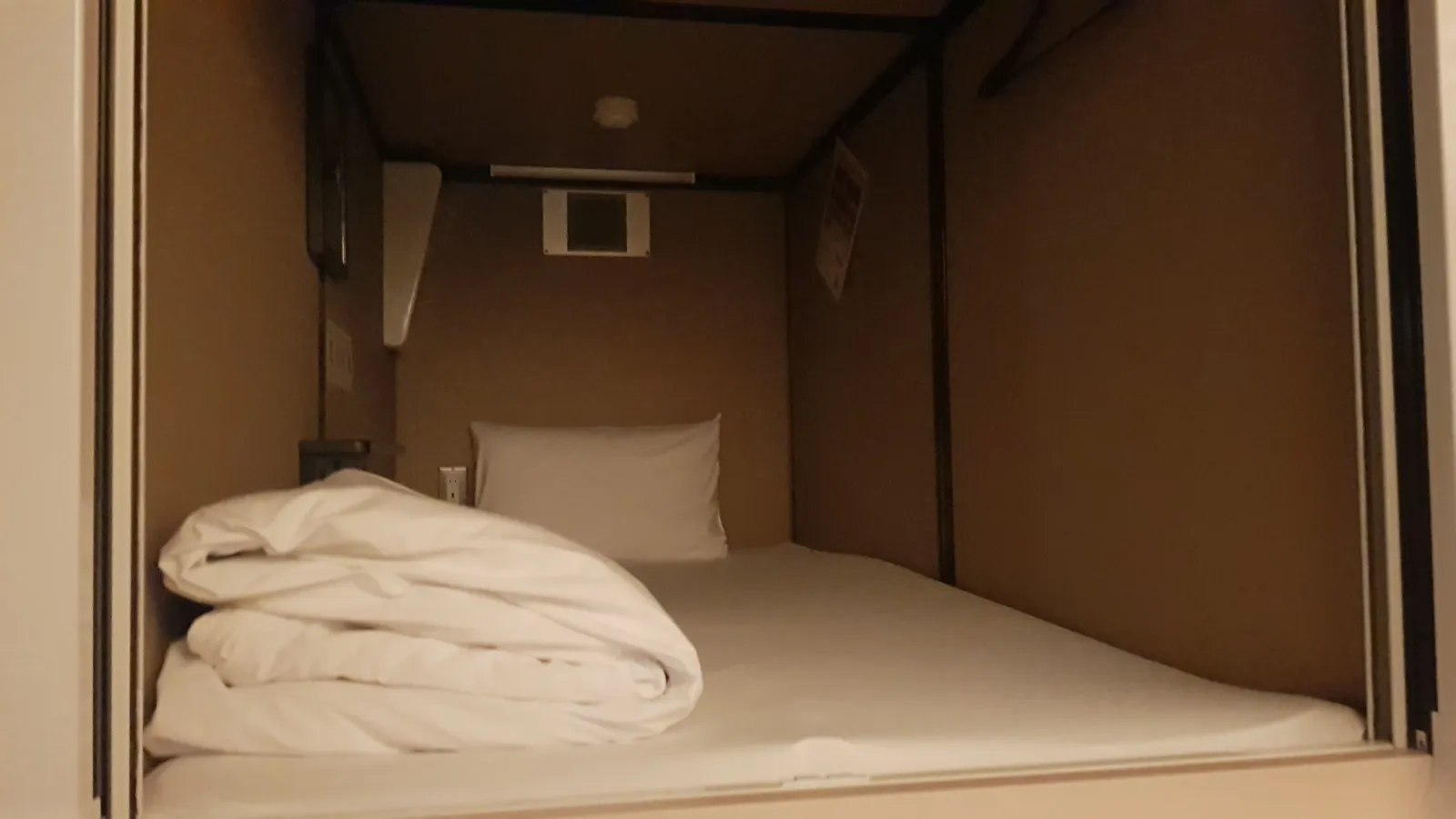
Silence on the capsule floor is the number one rule. No talking, no video calls, no alarms that ring for minutes. The sleeping area operates more like a library than a hotel corridor. Guests may be resting at any hour, arriving on late trains or waking before dawn for early flights.
Capsule hotels are designed to be quiet and restful environments. Strict rules are in place to maintain this atmosphere. Common guidelines include no loud conversations in sleeping areas, no phone calls inside the pod, no eating or drinking inside the capsule, and observing designated quiet hours. Earphones are standard practice for any audio content inside the capsule, and even the rustle of a loud bag can earn a glance from a neighbor.
The Capsule Has No Lockable Door – Act Accordingly
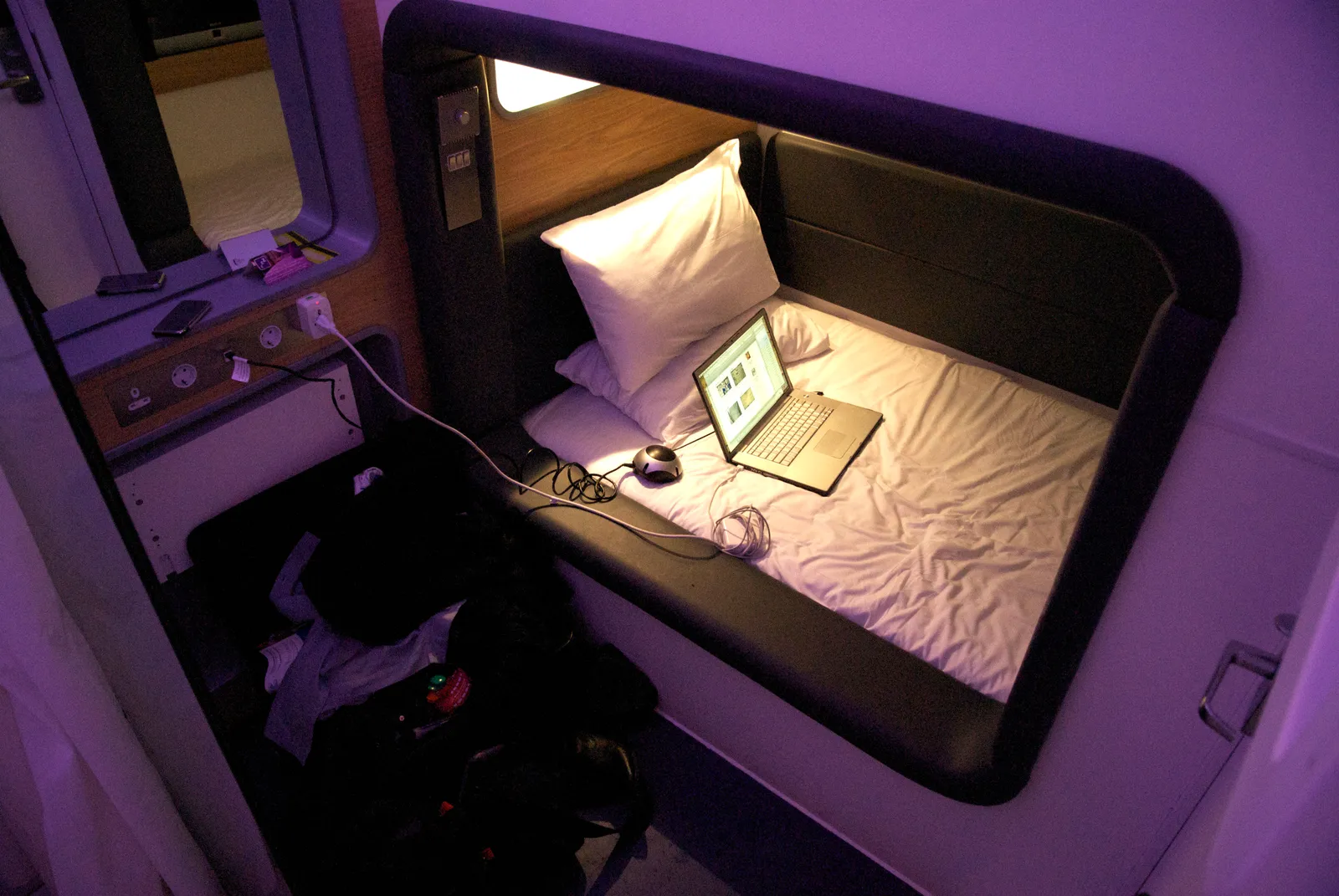
You do not get a lockable door. By Japanese fire law a capsule can only be closed with a roll-down shutter or a curtain, never a lock, so valuables go in your assigned locker, not in the pod. This surprises many first-timers who assume the curtain offers some layer of security. It does not.
Do not store valuables inside of your capsule unattended, as they usually cannot be locked. You manage valuables yourself, using the keyed locker or security box provided. Keep your phone, wallet, and passport on you or inside a locked space. The locker is where real security lives, and treating it seriously is just good practice.
Shower Before You Enter the Communal Bath
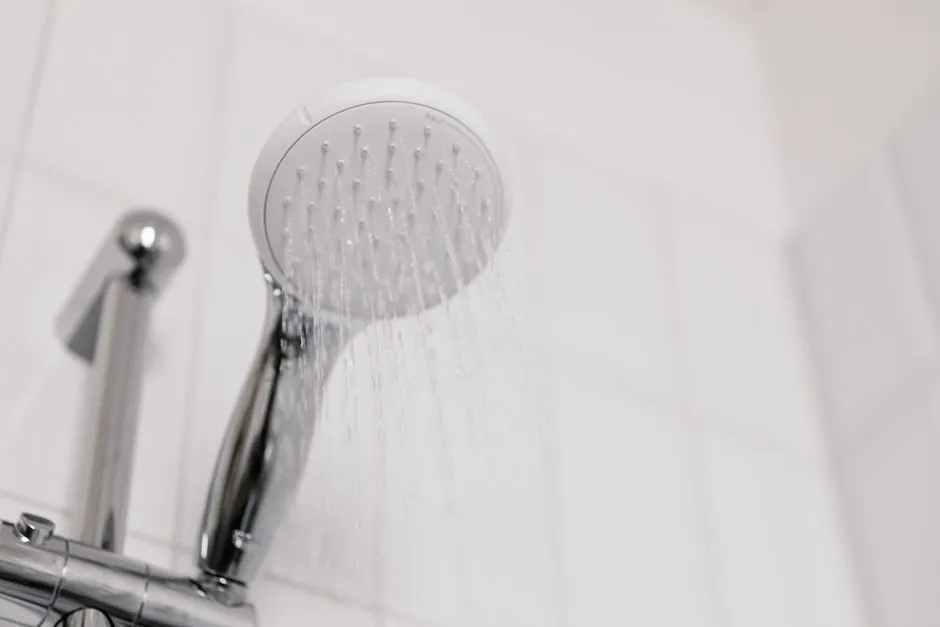
Remember to wash thoroughly with soap and rinse before entering the communal bath. This is a local custom crucial for hygiene and respect. The communal bath is not a giant shower. It is a shared soaking space, and entering it without first cleaning yourself at one of the individual rinse stations is considered a serious breach of etiquette.
Wash before the communal bath. Use the shower stool and rinse station before entering the soaking tub. Never soap up in the tub. If there is an onsen or large bath: shower thoroughly before entering the bath, do not bring a towel into the water, and keep hair tied up or covered. The bath is often one of the best parts of the stay, but only if you come to it correctly prepared.
Check the Tattoo Policy Before You Book

Some capsule hotels do not permit tattoos in shared bath areas. This is easing slowly, but check policies. Some capsule hotels are tattoo-friendly, some are not. This policy is more commonly tied to the communal bath than to the sleeping pods themselves, which is an important distinction.
Tattoo policies vary. Some capsule hotels with baths follow the traditional Japanese onsen rule of prohibiting visible tattoos in shared bathing areas. This is worth checking ahead of time if it applies to you. Tattoos are usually still banned in the shared bath even when the pod itself is fine with them. A notable exception is the Anshin Oyado chain, which has tattoo-friendly branches. Looking this up before arrival takes thirty seconds and saves considerable awkwardness.
Wear the Provided Yukata or Sleepwear in Common Areas
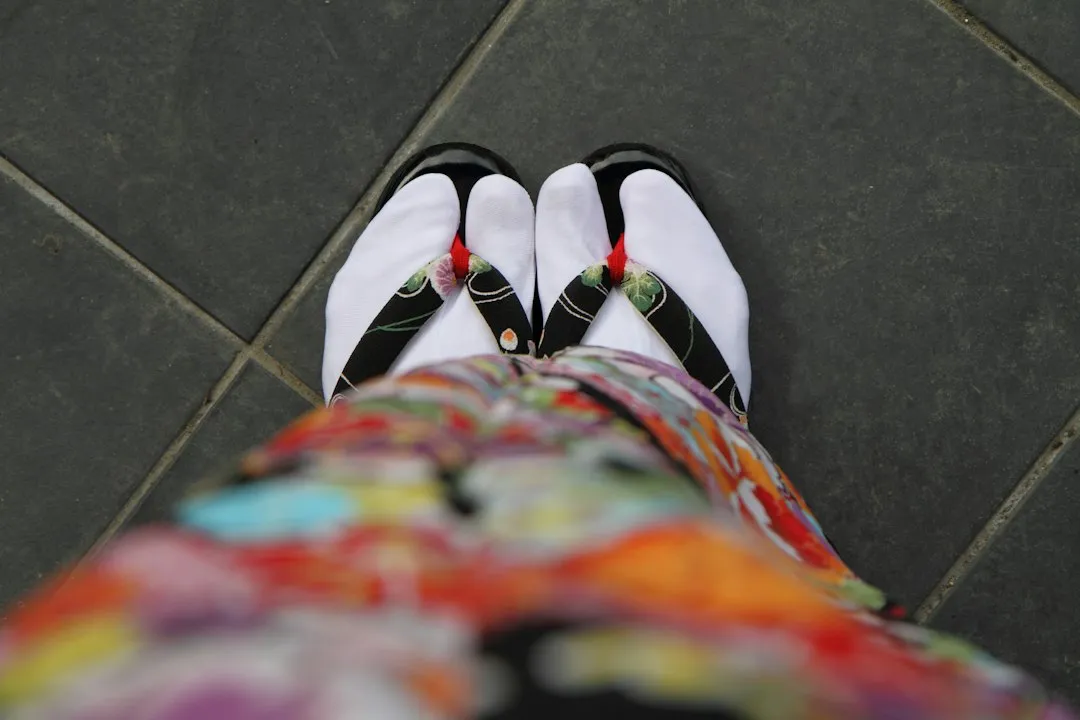
Many properties provide yukata (cotton robe) for use inside the property. Wandering the common areas in street clothes is acceptable, but the yukata is the norm. Changing into the provided sleepwear is also a practical cue for both you and the staff that you have completed the check-in process and are settled in.
Clothes and shoes are exchanged for a yukata and slippers on entry, and a towel and bathrobe may also be provided. In properties with communal lounges and dining areas, wearing the yukata shows familiarity with the environment and signals that you understand how the space is meant to function. It is a small thing, but it reads clearly to other guests and staff.
Do Not Eat Inside Your Pod
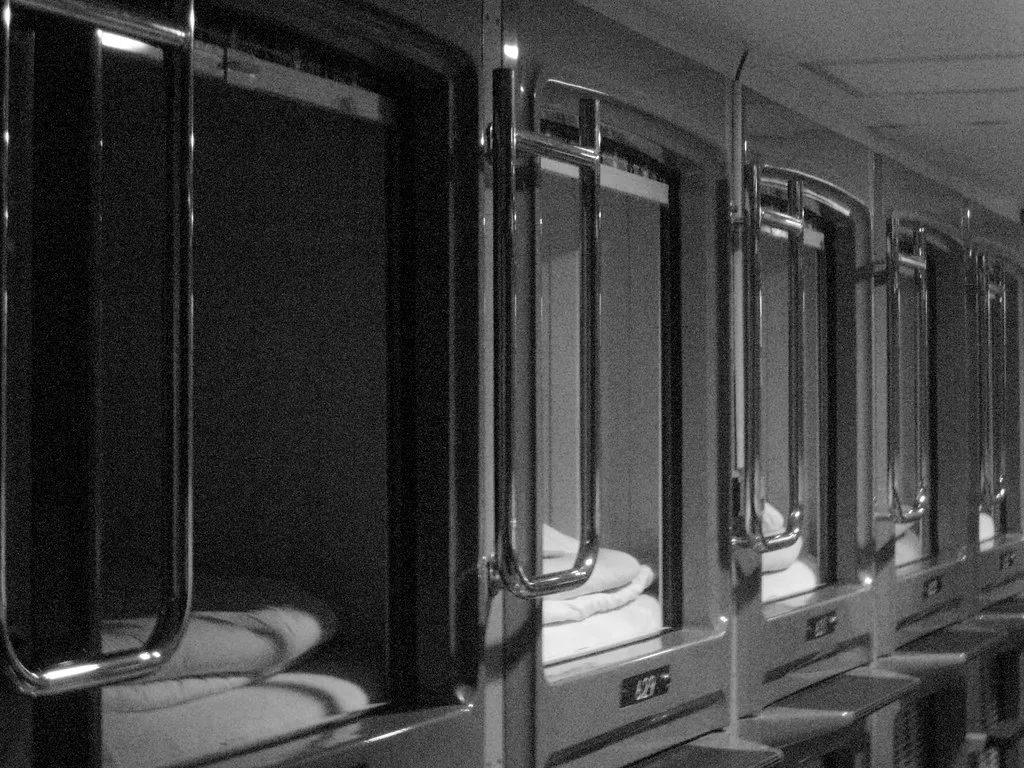
Guests are asked not to smoke or eat in the capsules. Eating inside pods is usually prohibited to maintain cleanliness and avoid odors. In such a tightly packed space, food smells carry further than you might expect, and crumbs attract problems that nobody wants in a shared sleeping environment.
Many capsule hotels offer lounges, restaurants or other entertainment areas where you can relax by yourself or spend time with friends. Eating and smoking are generally not allowed inside of the capsules. The lounge is genuinely designed for comfort and is usually a pleasant place to eat, charge devices, and decompress. Use it.
Know Your Check-Out Time and Stick to It
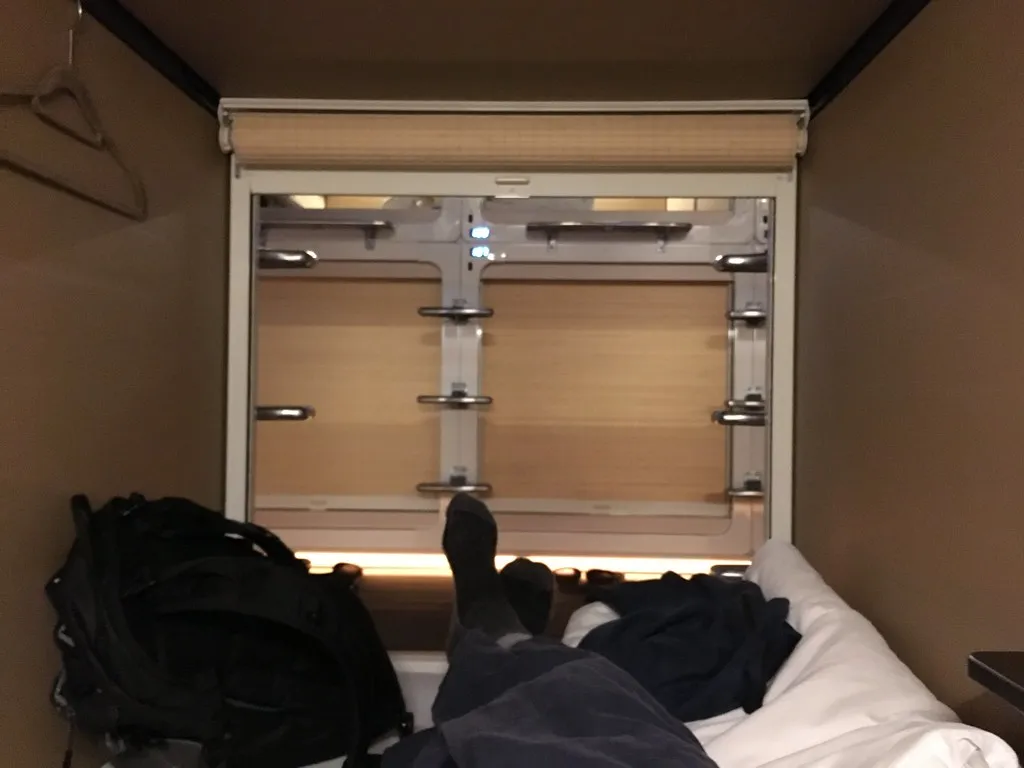
Check-out is usually by 10:00 to 11:00 a.m. Most capsule hotels require you to vacate the capsule by checkout, even if you rebook for the next night. Holding on to the capsule past the designated time blocks the cleaning crew and delays the next guest’s assigned pod, which is a significant disruption in a property running on tight scheduling.
Check-in and check-out times apply normally. Modern capsules let you book multiple nights and follow standard times, often check-in from 3 to 4 p.m. and check-out by 10 a.m. If you need to store your luggage after checkout, ask at the front desk. Storage before check-in is typically available, so you can drop bags before a day of sightseeing, but do not count on leaving them after you check out, as policies vary by property.
Bring Earplugs, an Eye Mask, and Pack Very Light
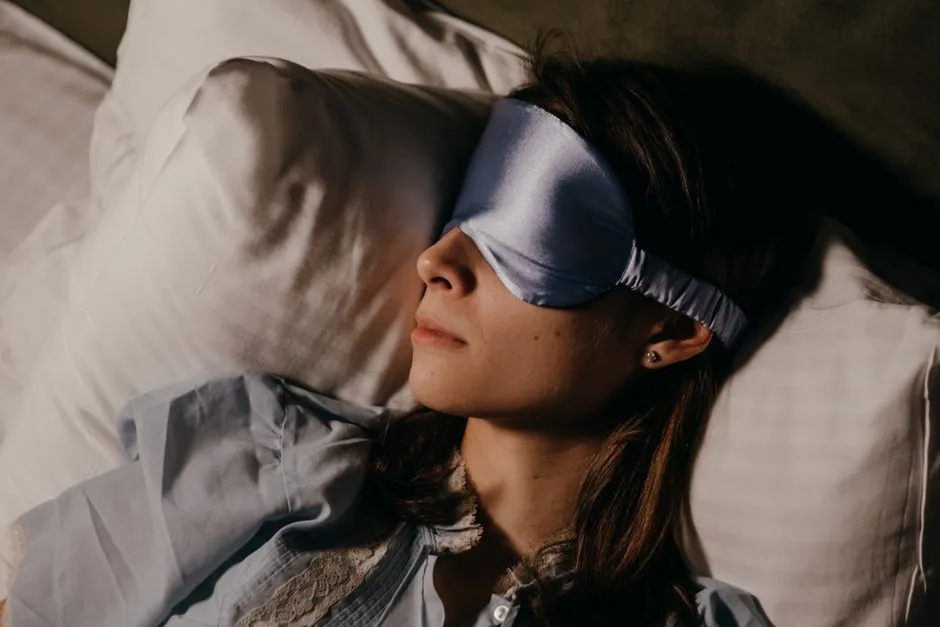
Bring earplugs. Even in well-run properties, other guests may snore, and you are in a shared sleeping environment. A sleep mask is also worth having. These two items alone can transform a restless night into a genuinely comfortable one. The capsule itself blocks light reasonably well, but it does not block sound.
When staying at your first capsule hotel in Japan, pack light with just a carry-on and small daypack since space is limited. Modern capsule hotels, especially since 2020, have upgraded significantly: USB charging, privacy curtains with locks, individual climate control, and lockers for luggage. The hardware has improved dramatically, but the footprint has not. A minimalist packing approach is the single most practical thing you can do before you arrive.
The Takeaway

Capsule hotels reward guests who come prepared and penalize those who assume the experience works like a conventional hotel. The unwritten rules are not arbitrary. They exist because the format depends on collective cooperation more than most forms of travel accommodation. Everyone shares the bath, the lounge, the floor, and the quiet.
The demand for capsule hotels has been rising steadily across global markets, driven by the evolving needs of modern travelers. These compact, efficient accommodations cater to budget-conscious individuals, especially those seeking affordable yet comfortable lodging in high-demand urban locations. As the format continues to expand beyond Asia, understanding its cultural logic only becomes more relevant.
The staff who manage these properties see the same misunderstandings play out daily. Shoes worn past the entrance. Suitcases wheeled onto the sleeping floor. The guest who takes a phone call at midnight. Knowing the norms in advance does not just make your stay smoother. It makes it genuinely enjoyable, for you and for everyone sharing the space with you.
AI Disclaimer: This article was created with the assistance of AI tools and reviewed by a human editor.