

The Golden Age That Made These Horses
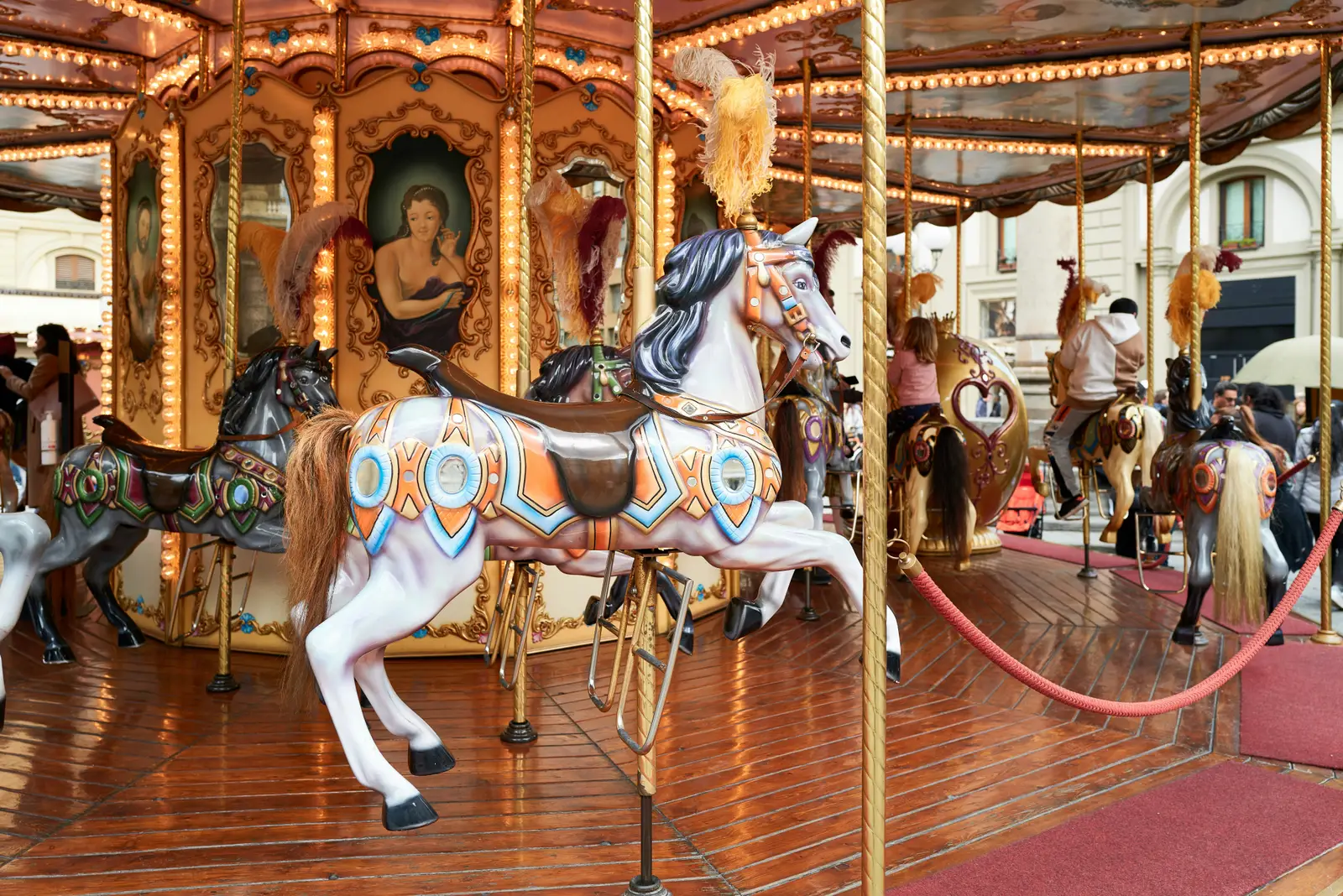
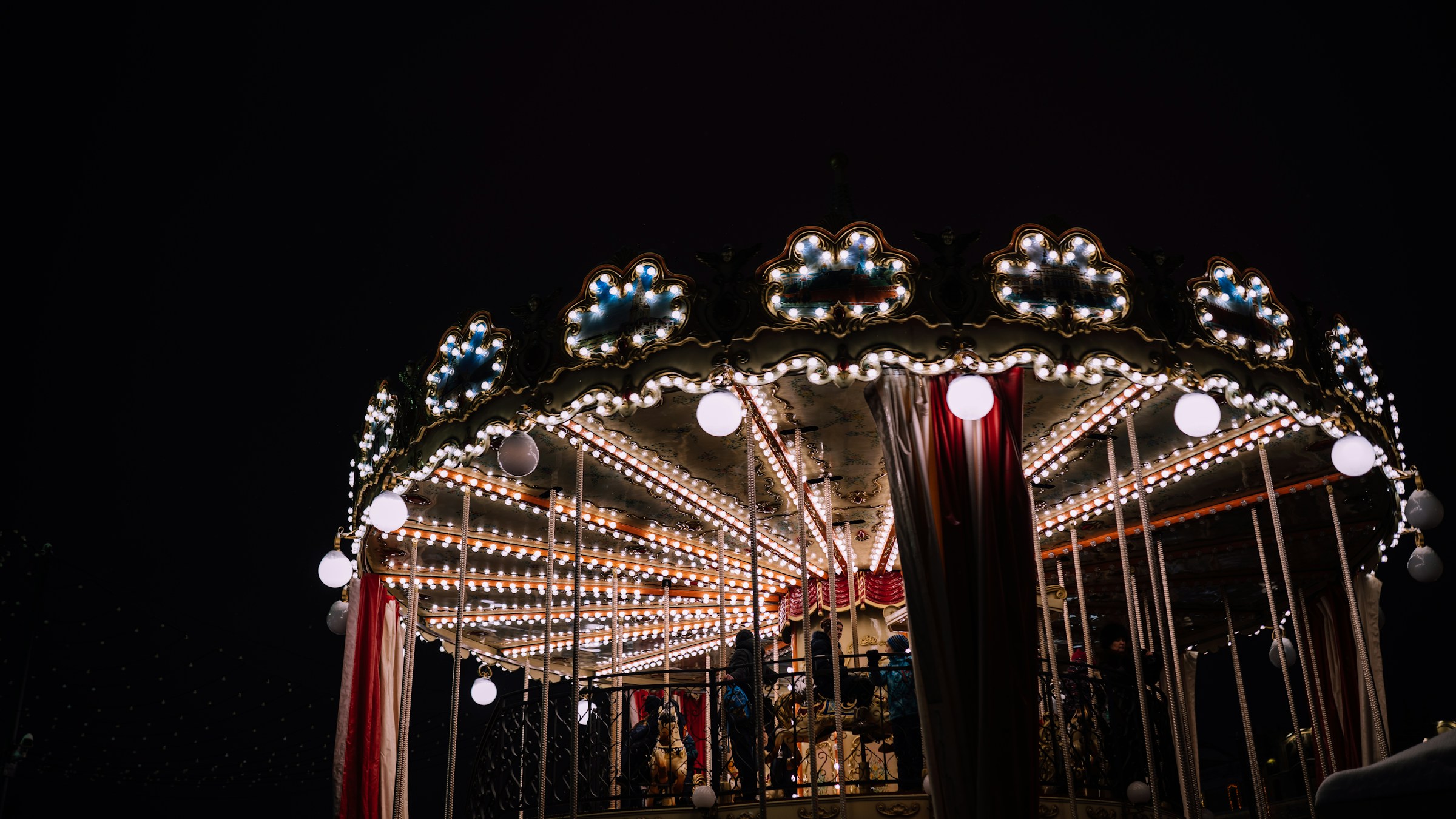
The Golden Age of carousel manufacturing spans roughly from the 1880s to the 1930s, representing the zenith of artistic and technical achievement in the amusement industry. This was a time of fierce regional competition, elaborate craftsmanship, and genuine artistic ambition in an industry you might not expect it from. Carvers weren’t just building rides. They were building icons.
The era was defined by intense competition between premier American firms, notably the Philadelphia Toboggan Company, Gustav A. Dentzel, and the Carmel, Looff, and Parker shops, each developing distinct regional styles. A knowledgeable restorer can often identify which workshop carved a particular horse just by looking at the facial expression or the curl of the mane.
How Old Are the Oldest Surviving Horses?
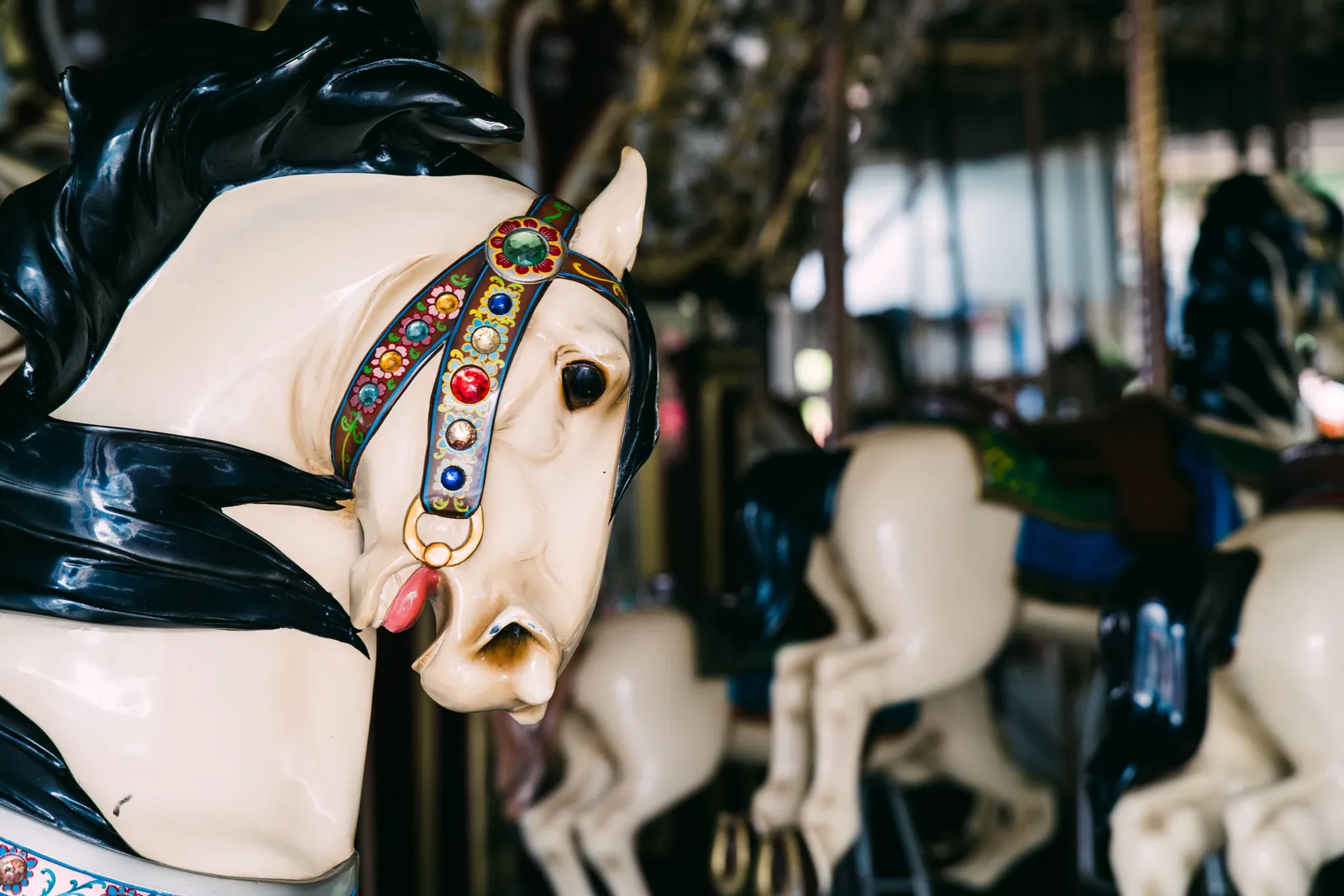
The oldest horses on the Heritage Museums and Gardens carousel in Sandwich, Massachusetts were carved in the 1880s, which makes them roughly 140 years old. That figure tends to stop people in their tracks. These are not museum pieces behind glass. They spin, they rise and fall, and children ride them every summer.
Antique carousel figures leave restoration workshops looking fresh and clean, the way they would have appeared when they first emerged from the carousel factory 80 to 140 years ago. The range itself tells you something important: not every horse on a given carousel is the same age, and restorers frequently discover that a single machine carries figures from different decades.
What Restorers Look For When Dating a Horse
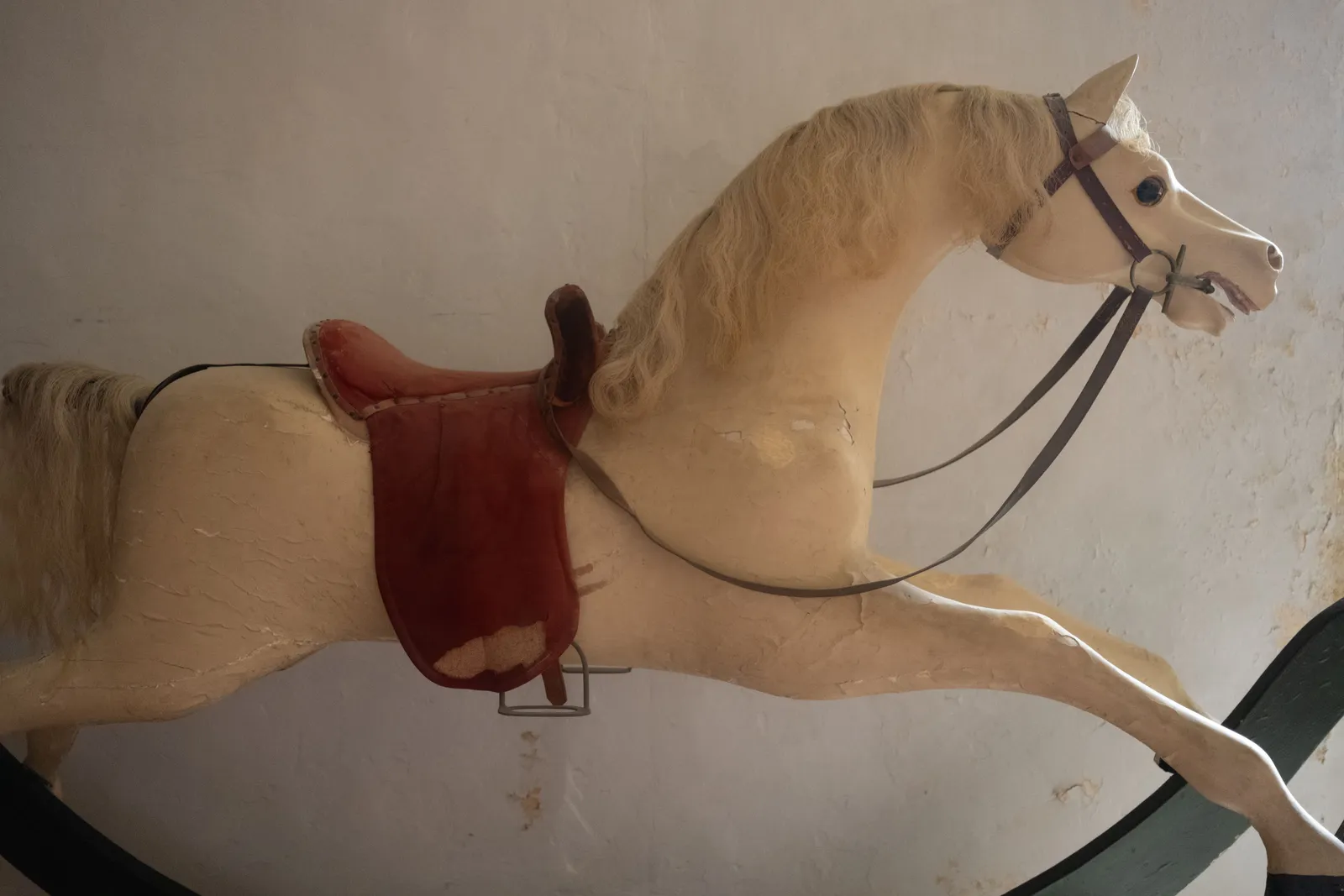
Authenticating age requires examining construction methods, materials, and provenance. Pre-1920s horses often have hollow bodies carved from multiple blocks of wood, typically poplar or yellow pine, with hand-carved details and glass eyes. These hollow bodies were practical. They reduced weight on the spinning mechanism and reduced the risk of the wood cracking as it aged.
Original paint layers should show craquelure and wear consistent with age. Restorers essentially read the paint the way a geologist reads rock strata, each layer representing a different era of the horse’s operational life. This construction often reveals seams, subtle tool marks, and layers of historic paint upon close inspection.
The Layer-by-Layer Process of Stripping “Park Paint”
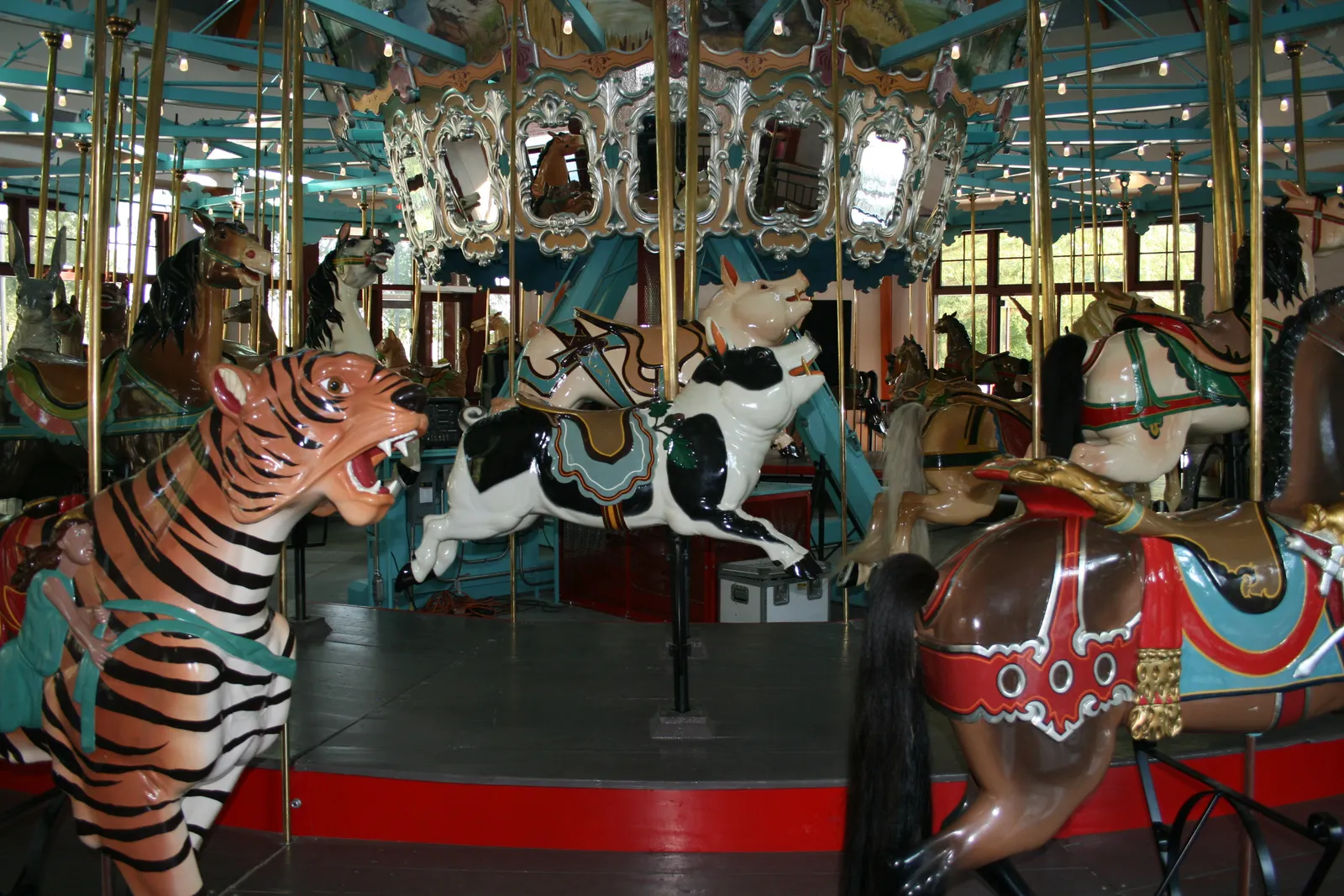
Restoration artists first evaluate each horse’s individual condition, then use a heat gun to remove layer upon layer of old “park paint.” Careful analysis of the first paint layer can provide clues to the early color palette. This is painstaking work. Some horses carry six, seven, or even more coats of paint accumulated over decades of seasonal operation.
After the horse is completely stripped, the restorer inspects it and addresses any structural issues. Carousel figures can consist of more than 100 pieces of wood assembled with animal hide glue and dowels, rather than nails or screws. That joinery, when intact, is itself a signature of the period. Modern glues and fasteners didn’t exist when these horses were built.
The Major Carvers and What Their Work Tells Us
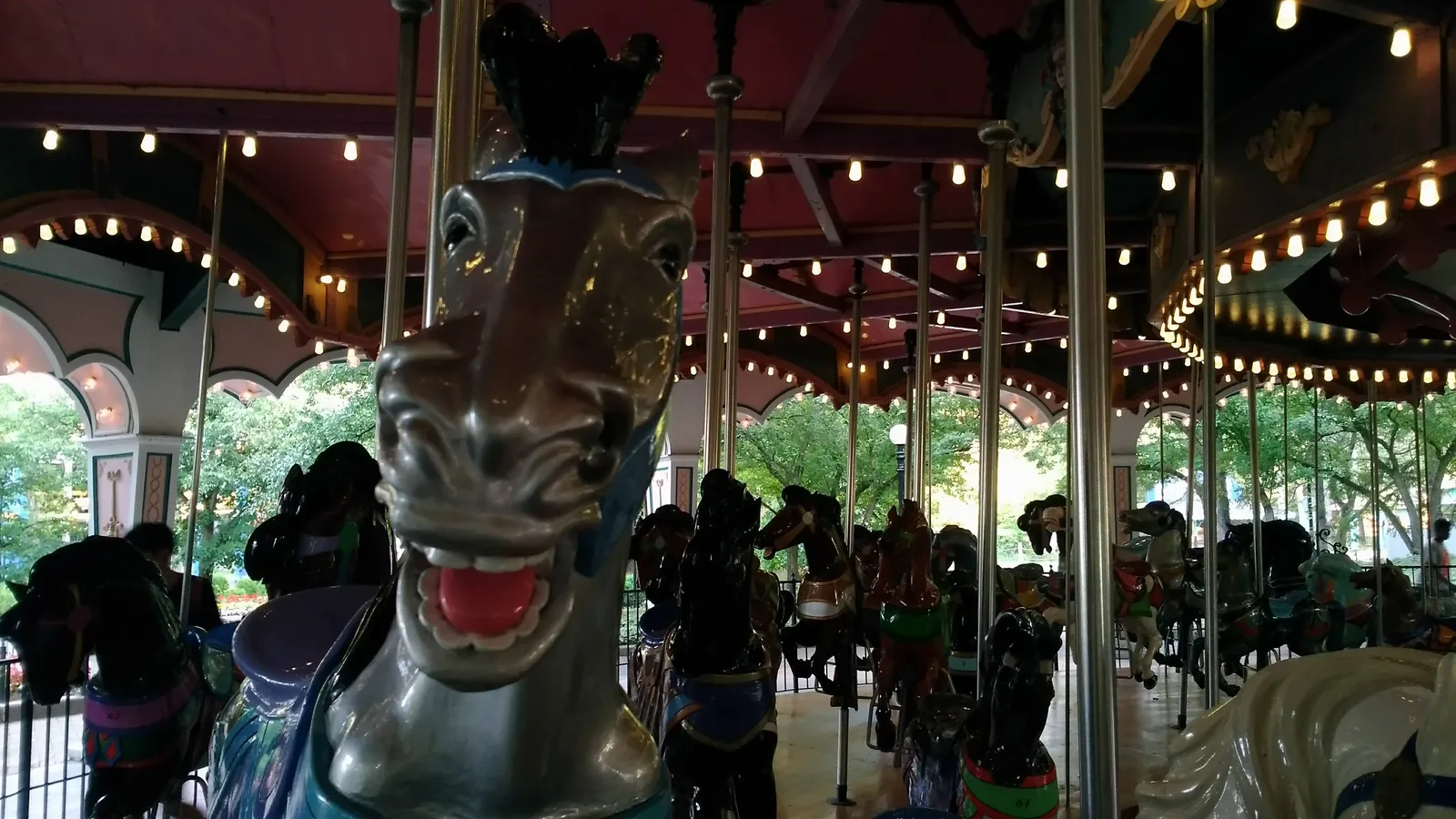
Gustav A. Dentzel, a German carousel maker, brought a carousel with him when he immigrated to the United States in 1864. His firm became one of the defining forces of American carousel art, and horses bearing the Dentzel signature are among the most identifiable to trained restorers today. Documentation like factory stamps from the Dentzel, Looff, or Herschell-Spillman companies, or historical photographs, can help confirm attribution.
German carvers brought their own distinct traditions across the Atlantic as well. Some surviving European horses have been traced back to the Friedrich Heyn factory in Neustadt an der Orla, Germany, dating to around 1890, while others came from makers like Josef Hübner, another local German carousel builder. The European lineage of carousel carving is every bit as deep as the American one.
When Wood Gave Way to Aluminum and Fiberglass
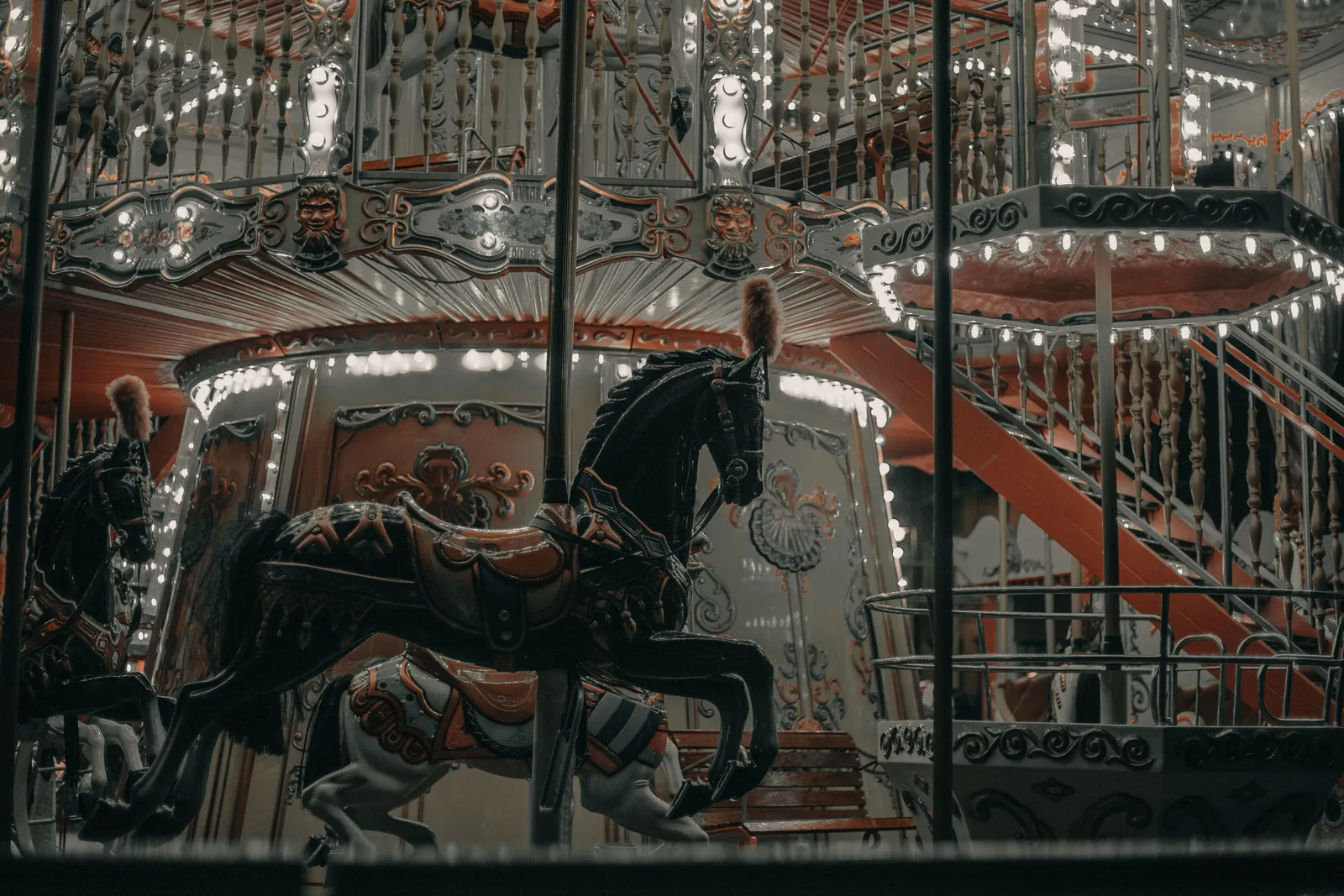
By the Depression era, animals were machine-carved and often had aluminum heads and legs. By the 1930s, wooden figures were no longer being produced. This transition marked the quiet end of an entire craft tradition. The shift wasn’t gradual – it was decisive, driven by economics and changing industrial capacity.
Since materials were less available with the onset of the Depression and the need for stronger and more durable figures, cast aluminum legs were added to wooden bodies in the 1920s. Eventually, all-aluminum horses were used. Restorers today can date a horse fairly accurately just by identifying where in its body the transition from wood to metal begins.
What Happened to the Thousands of Carousels That Once Existed
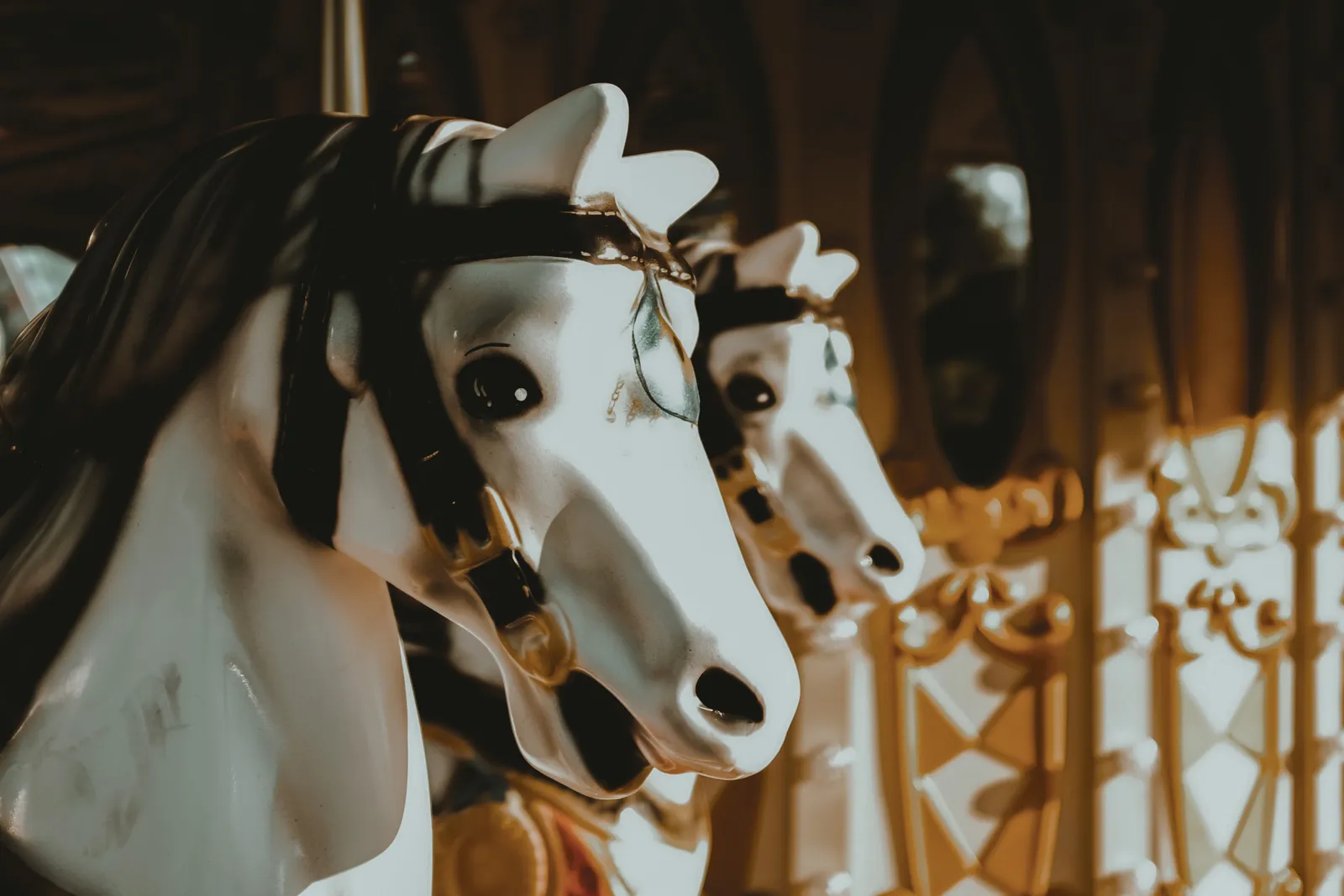
It is estimated that between 2,000 and 3,000 carousels featuring hand-carved animals were in existence during the Golden Age. Today, only a small fraction of those survive in operating condition. The losses came in waves: economic collapse during the Depression, shifting entertainment tastes after World War II, and neglect that set in during the mid-20th century.
In the 1970s, a collectors’ secondary market developed for carousel horses and other animals. It became more lucrative to disassemble carousels and sell their parts than to preserve them. Many complete carousels were effectively scattered during this era, their horses ending up in private homes, antique shops, and galleries rather than remaining intact as working machines.
The Organizations Working to Stop the Clock on Decay
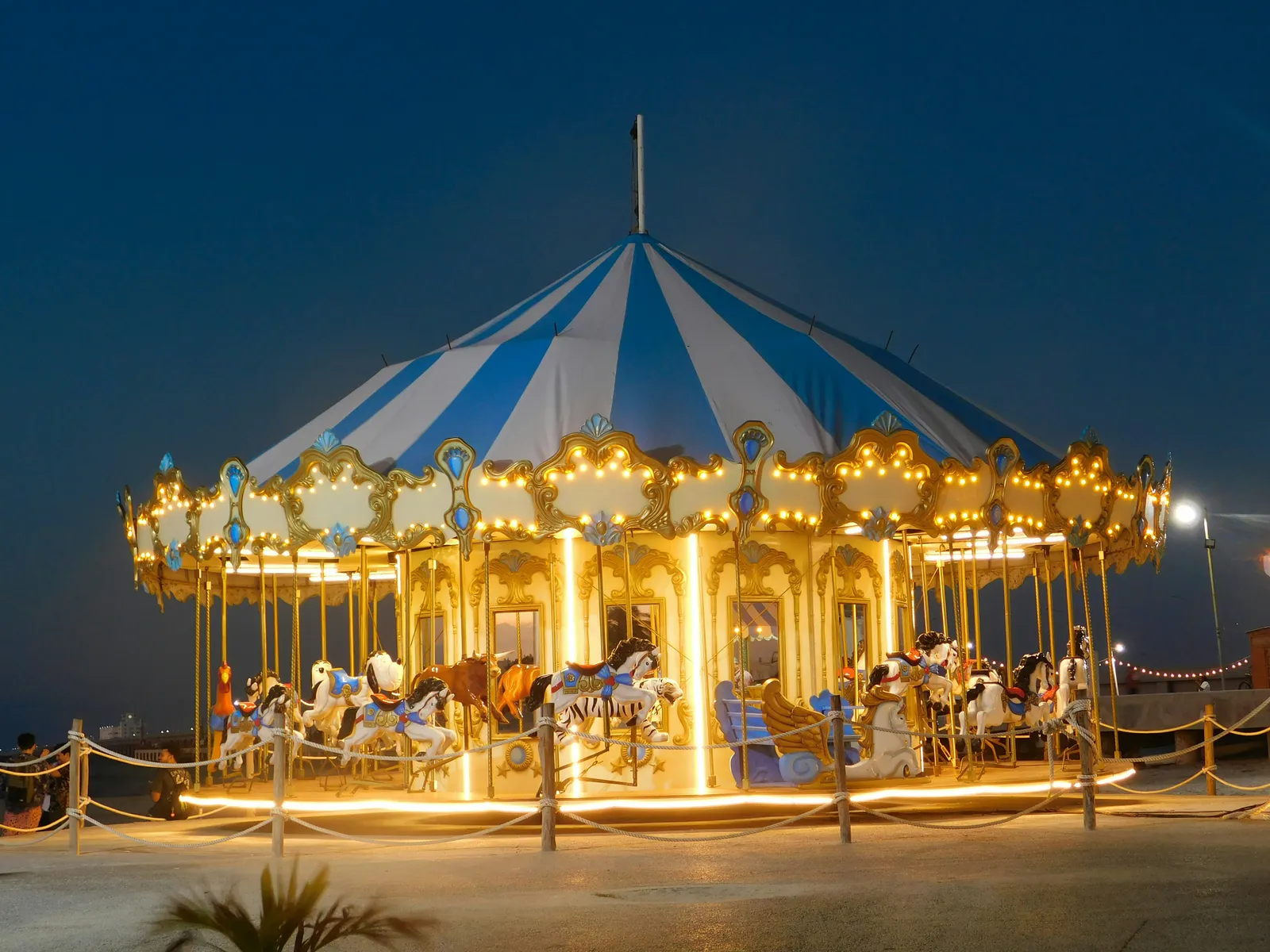
In the 1970s, the National Carousel Association formed to save, preserve, and restore remaining carousels. The organization has been active ever since, and its preservation fund has become one of the primary financial lifelines for operators of historic machines. For over 50 years, the National Carousel Association has been working to keep America’s remaining carousels in operation, participating in the restoration and preservation of many of the antique carousels still running today.
The NCA Preservation Fund was established in 1988 to ensure that today’s historic carousels will be available for future generations. In 2024 alone, the fund supported projects ranging from carousel horse restoration at an 1890s Armitage-Herschell machine in Nebraska to full refurbishment at a c.1900 Dentzel carousel in Pennsylvania. The NCA Preservation Program has assisted with mechanical repairs, carousel and building refurbishment, repainting, and even new horse tails.
The Rotating Restoration Model That Keeps Horses Alive
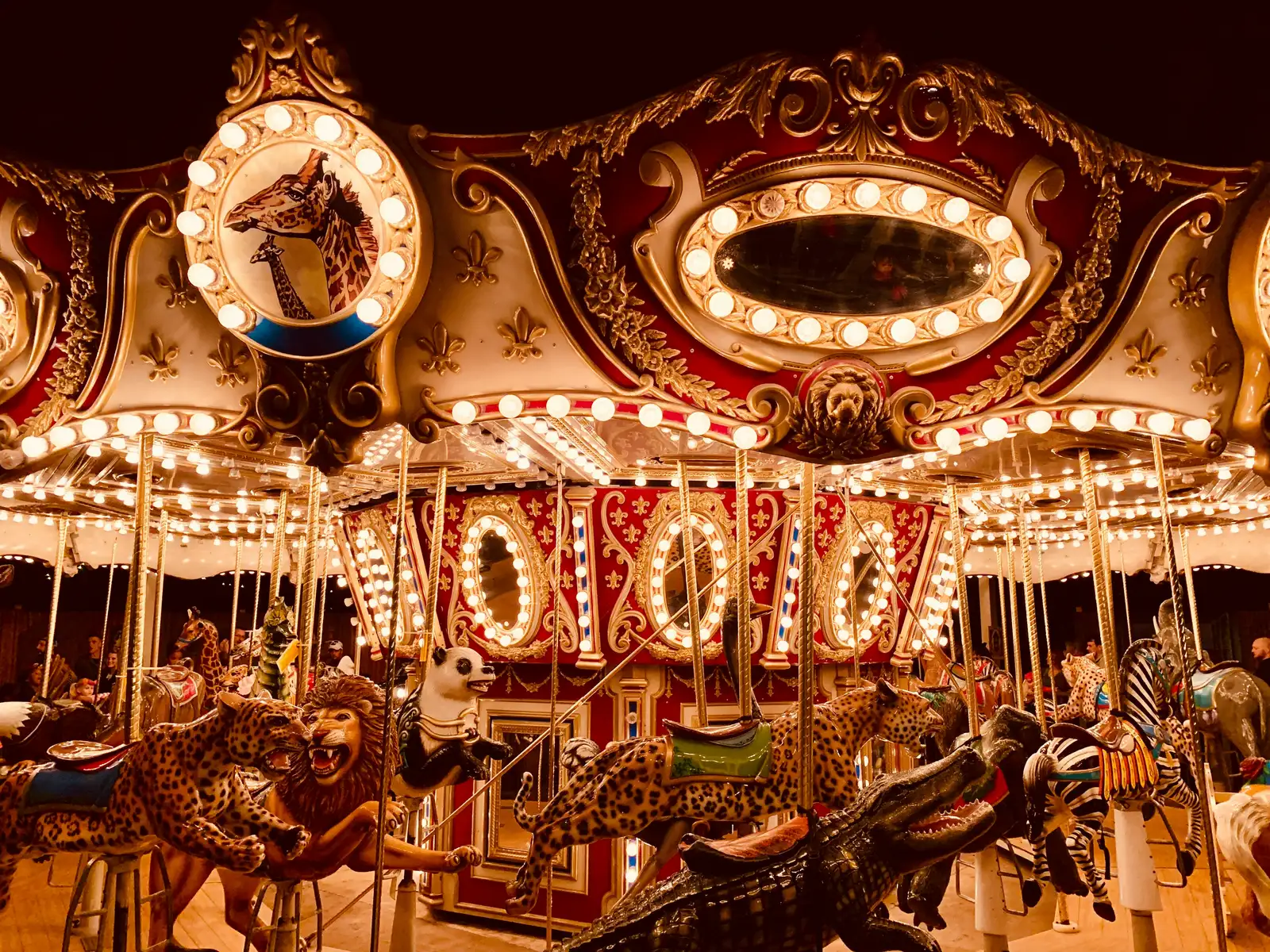
The carousel at Heritage Museums and Gardens has been well-maintained for over fifty years. Several years ago the museum embarked on an Adopt-A-Horse program to restore the figures, which had all been stripped and repainted in the 1970s. The process is slow and meticulous, with one to two horses completed each year. This approach treats restoration as ongoing stewardship rather than a one-time event, which is exactly right for objects this old.
Other institutions use a similar rotating model. At the Pawtucket Looff Carousel in Rhode Island, twelve animals are cycled off each year for rehabilitation, touched up with an eye toward historical accuracy. The result is a machine that is continuously cared for without ever being taken entirely out of service, a delicate balance that long-term operators have learned to manage carefully.
The Remarkable Figures Behind the Craft
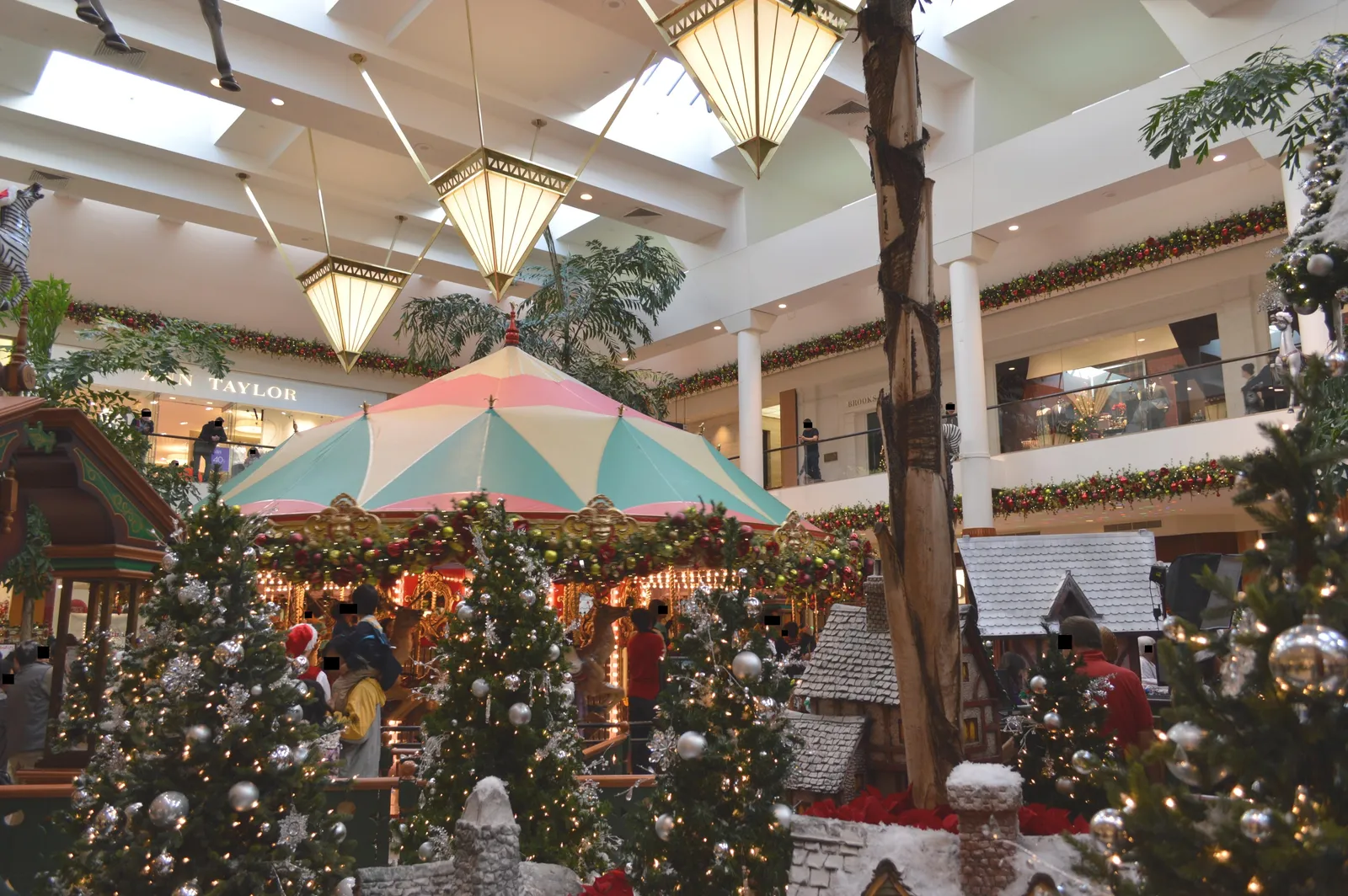
Lourinda Bray, who passed away in November 2024, was an American restoration artist and historian specializing in carousel animals. She was the owner of Running Horse Studios, a 7,000-square-foot carousel animal restoration warehouse. Her work represented decades of accumulated expertise that is genuinely difficult to replace.
Her collection exceeded 400 items and comprised animals created throughout America, Mexico, and Europe from the mid-19th century to the 21st century. Restorers like her serve as living bridges between the carving traditions of the 1880s and the conservation science of today. Extensive carousel archives allow restorers to remain accurate with repairs, providing access to many carousel factory color palettes and decorative patterns.
What Riding an Antique Carousel Actually Means
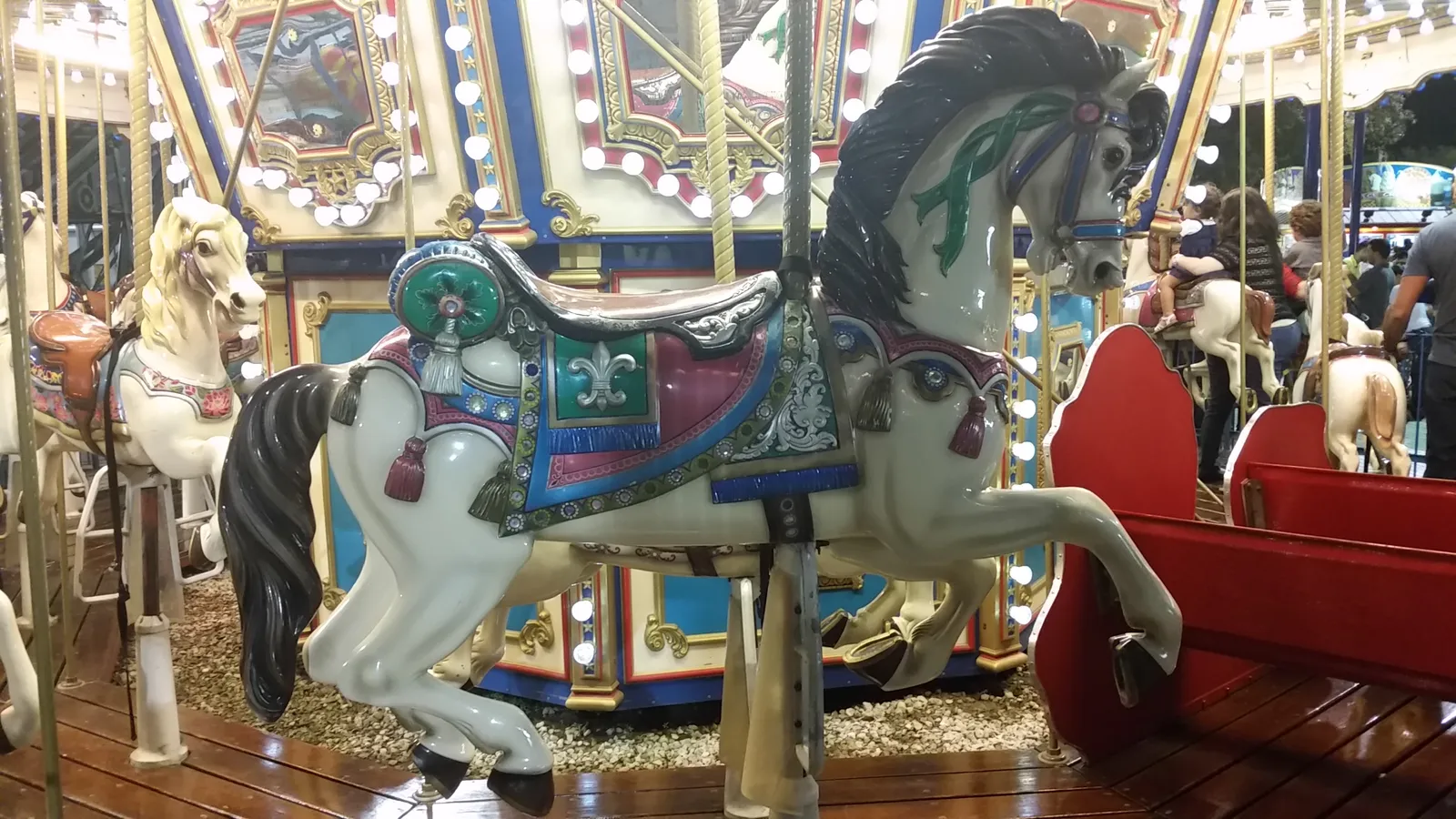
When you board a classic wooden carousel at a historic park or museum, you’re not just riding an amusement. You’re interacting with an object that has survived economic depression, world wars, fires, neglect, and the dismantling frenzy of the 1970s. The horse beneath you may have been hand-shaped by a craftsman who learned his trade in 19th-century Germany or Philadelphia. That’s a quiet thing to sit with.
Each figure is carefully stripped of paint, properly repaired as needed, and then repainted as if fresh from the original maker’s shop. This is the promise restorers make every time a horse comes off the ride and enters the workshop: that the next generation will get to feel what this generation felt. Given how much has already been lost, that promise carries real weight.
The Takeaway
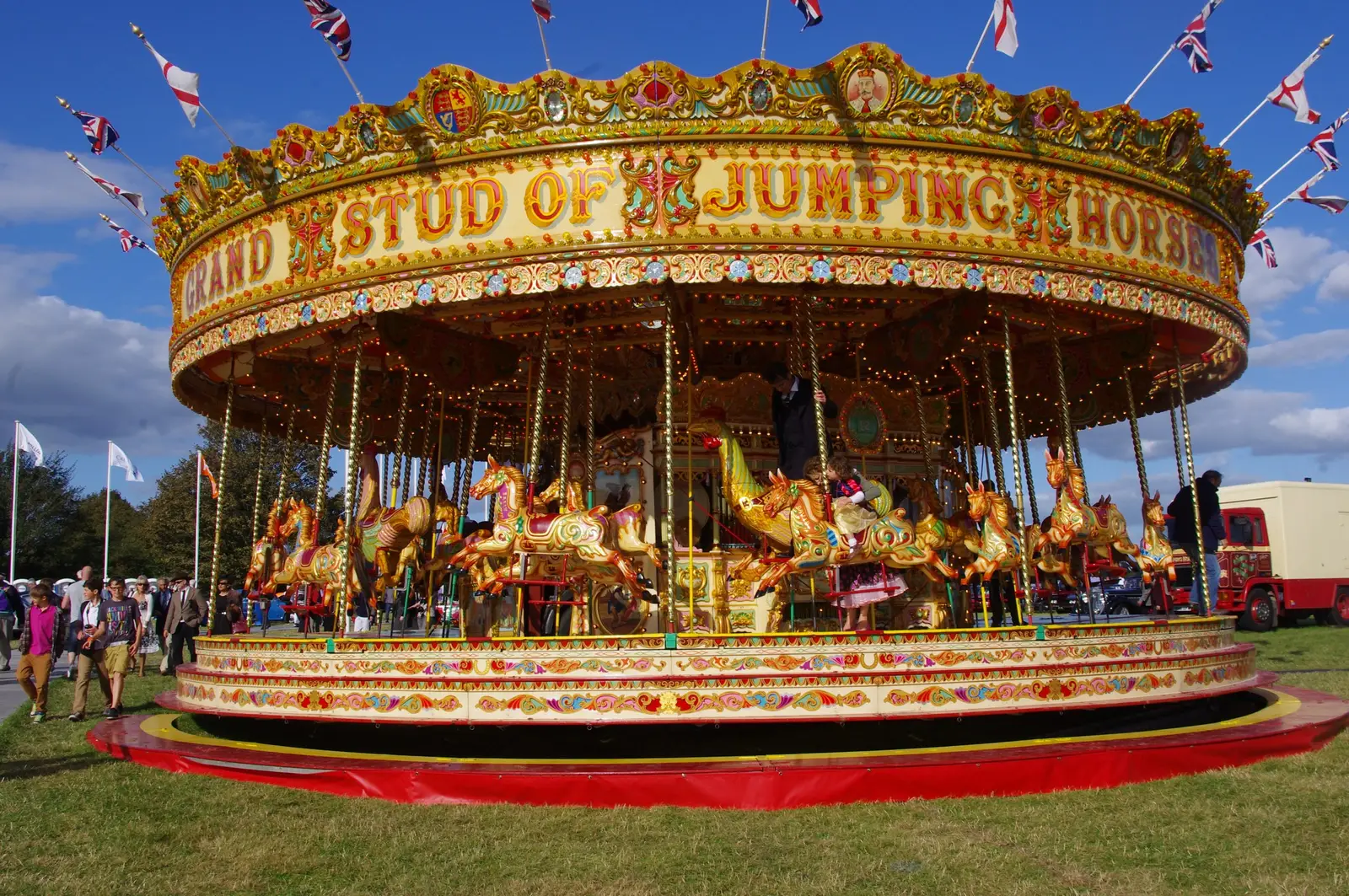
The horses on classic carousels are older than most people imagine, sometimes dramatically so. A figure carved in the 1880s that still rises and falls on a spinning platform in 2026 has outlasted nearly everything built in its era. It exists today because of the quiet, painstaking work of restorers, conservators, and organizations who understood what would happen if they looked away.
The next time you see a historic carousel, slow down for a moment before you buy a ticket. Look at the paint, the carved mane, the glass eye catching the light. There’s a reasonable chance that horse is older than the country’s oldest living person. Rides like that don’t come along very often.
AI Disclaimer: This article was created with the assistance of AI tools and reviewed by a human editor.