
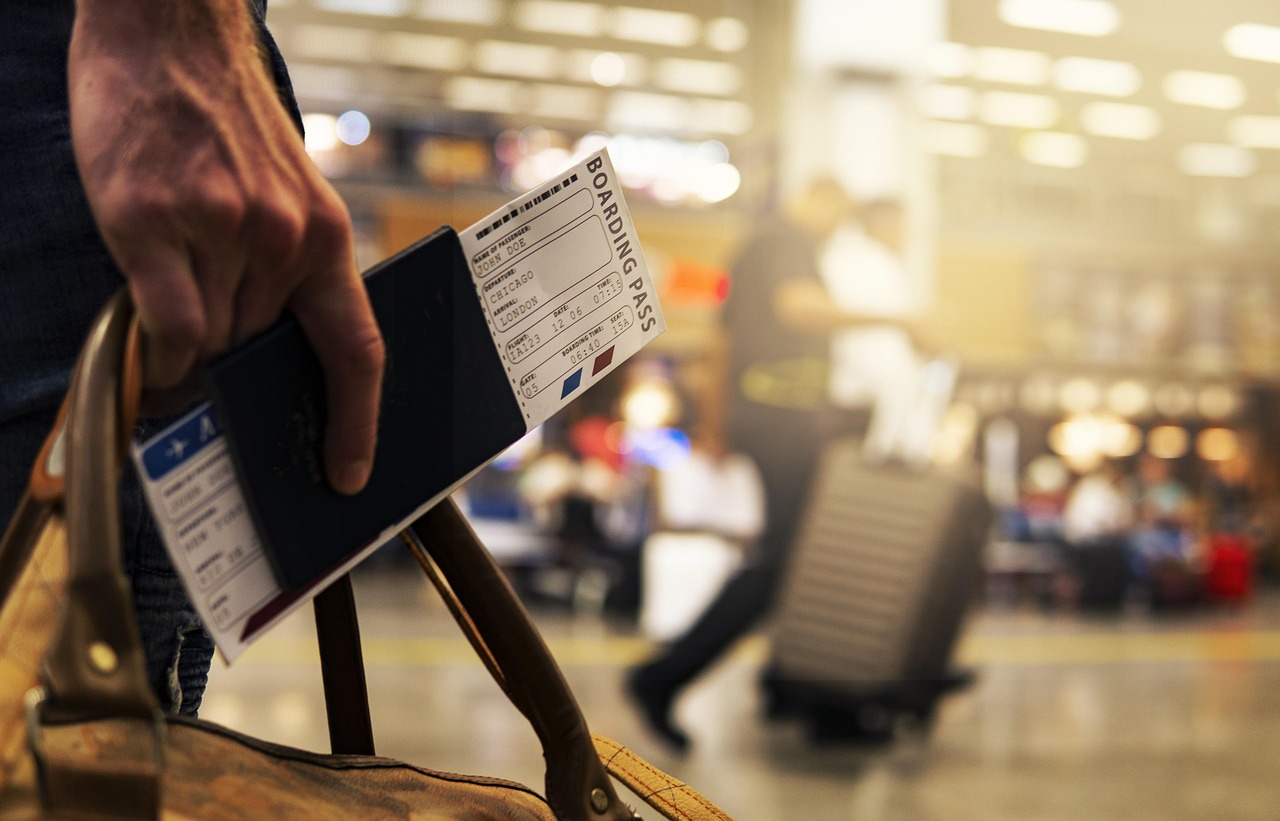

The Check-In Counter: Where the Clock Starts
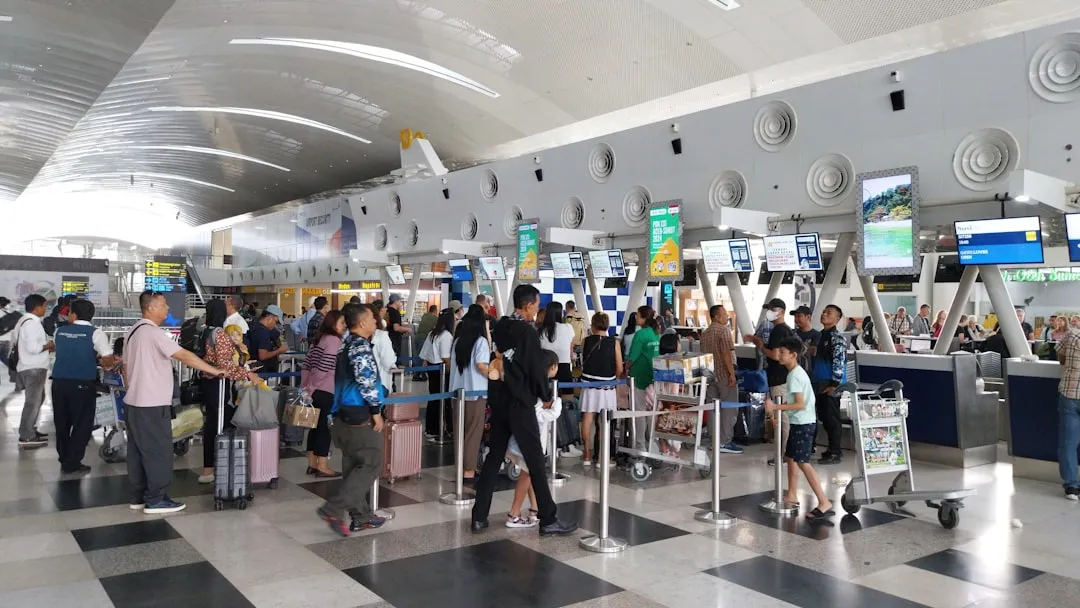
Checking a bag almost always means a stop at the counter, whether that’s an agent or a self-service kiosk with a bag drop. Even a smooth, uncrowded bag drop takes five to ten minutes from walking up to walking away. During peak travel periods, that same process can stretch to thirty minutes or longer, depending on the airport and airline.
Carry-on travelers, by contrast, can go straight from the entrance to the security queue. That single skip routinely saves ten to twenty minutes before the trip has even technically begun. It’s one of the clearest time advantages, and it compounds with every other step that follows.
Security Lines: Does Your Bag Choice Actually Matter?
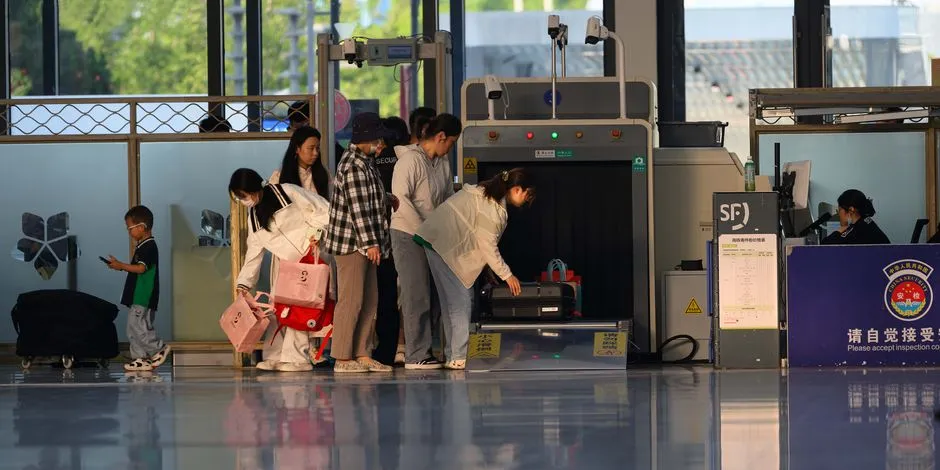
The common assumption is that carry-on bags slow down the security line because of all the laptop-out, shoes-off choreography. That’s partially true. Carry-on bags do require more careful screening at the X-ray belt. However, the overall time spent in security is almost always still shorter for carry-on travelers compared to those who checked a bag and then returned to the same security queue later.
Travelers with checked bags don’t escape security complexity either. Dense, heavy bags sometimes trigger additional screening questions at check-in, and certain items like liquids in larger containers must be checked rather than carried through. The net effect is that security rarely cancels out the time saved by skipping the bag drop entirely.
Boarding: Overhead Bin Competition Is Real
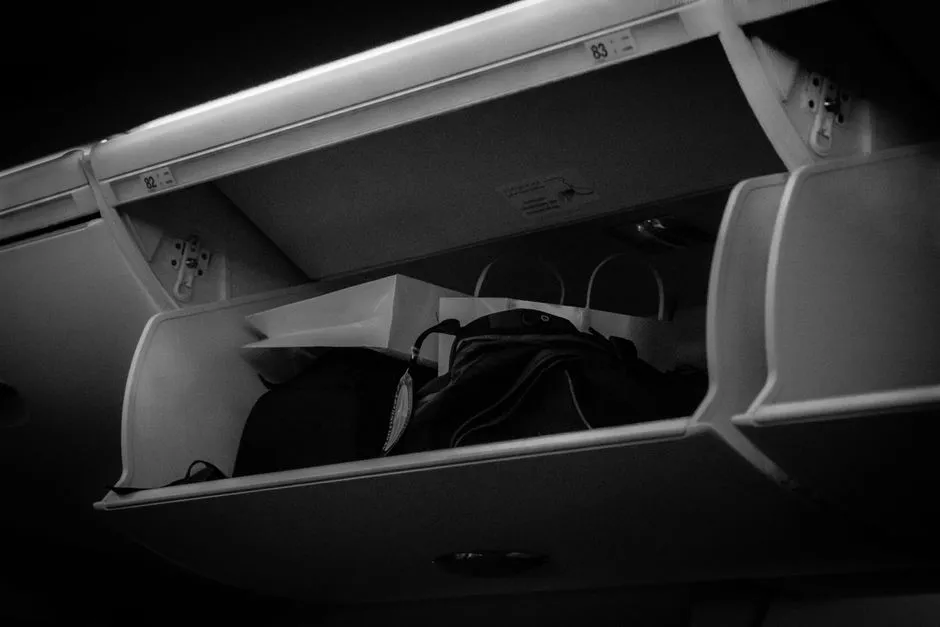
Gate agents at busy airports have been enforcing stricter overhead bin policies over the past several years, and the boarding process has grown noticeably more structured as a result. Passengers in later boarding groups increasingly risk finding no bin space above their row, forcing them to gate-check their carry-on at the last moment. When that happens, the time advantage of carry-on travel shrinks considerably on the arrival side.
For travelers who board early, through elite status, premium seats, or priority programs, this is rarely a problem. The tension mostly affects those in middle or rear boarding groups on full flights. Choosing a seat near the front or paying for early boarding is often worth it specifically for this reason.
The Baggage Claim Wait: The Biggest Time Drain
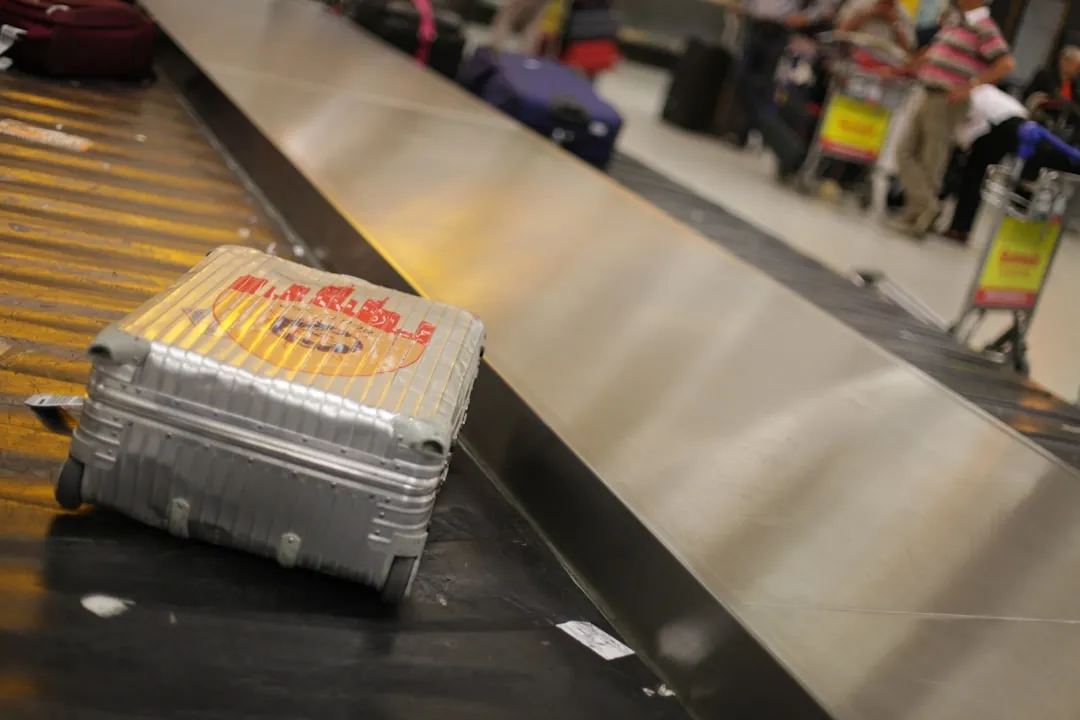
At most major US airports, the first bags appear on the carousel twelve to twenty minutes after the aircraft door opens, and the total wait from landing to bag in hand is typically twenty-five to forty minutes for domestic flights. That’s time you spend standing, watching a belt loop, doing nothing particularly useful. Wait times also vary significantly by airport size and ground handling efficiency: arrivals at regional airports may retrieve bags within ten minutes of landing, while at major international hubs handling wide-body aircraft, waits of twenty to forty minutes are typical.
Baggage claim can take anywhere from fifteen to forty-five minutes after a flight lands, and it can take even longer due to staffing shortages, weather delays, gate-checked bags, and how quickly luggage is moved from the ramp to the carousel. Carry-on travelers simply walk past all of it. If a passenger has carry-on only, the total time from landing to curb is landing plus fifteen to twenty-five minutes. That difference alone can easily exceed half an hour.
How Airport Size Changes the Math
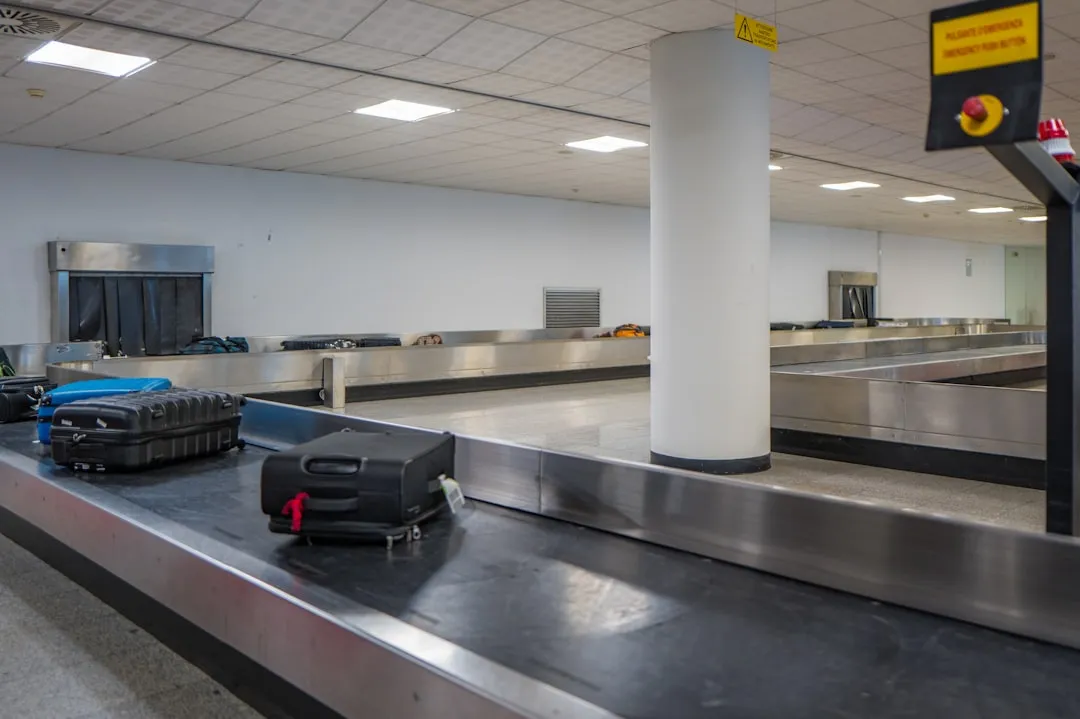
Smaller airports often have shorter wait times for baggage, while bigger airports usually have longer waits. International flights add additional time because of customs and immigration checks. At a small regional airport, the baggage claim advantage of traveling carry-on only might shrink to ten or fifteen minutes. At a major hub like JFK or LAX, it can be the difference between catching a connecting train and missing it.
JFK is notably slow: the combination of long taxi times, older terminal infrastructure, and extremely high volume produces some of the worst baggage wait times in the US, with Terminal 4, which handles most international traffic, being the worst, while domestic terminals are better but still above average for wait times. Knowing your specific airport’s track record before you decide whether to check a bag is genuinely useful planning, not overthinking.
Weather and Staffing: The Unpredictable Multipliers
Weather can completely stop baggage operations. Airport ramps close when lightning is detected within five miles of the airport and must remain closed until fifteen minutes pass without additional lightning. In practice, this often results in delays of thirty minutes or longer before baggage operations resume. That’s time added entirely on the arrival side, and carry-on travelers are completely insulated from it.
Airports often assign a local runner responsible for transporting luggage from multiple aircraft to baggage claim. That runner may wait until several flights in their section are finished unloading before transporting bags, meaning passengers wait longer because they’re waiting on multiple planes being cleared before their bags arrive. This is one of those behind-the-scenes realities that explains why some waits feel inexplicably long even when your flight landed on time.
Mishandled Bags: The Risk That Costs More Than Time

According to SITA’s Baggage IT Insights 2025 report, the global baggage mishandling rate dropped to 6.3 bags per 1,000 passengers in 2024, a significant improvement since 2007. That’s genuinely good news for checked bag travelers, and the industry has made real progress on this front. Still, even a low mishandling rate means millions of bags are affected globally each year.
Delayed bags account for roughly three-quarters of all mishandled luggage, and most issues resolve within forty-eight hours rather than resulting in permanent loss. Resolving a delayed bag situation involves filing a report, calling the airline, and waiting for delivery to your accommodation. Even in the best case, that process takes time and energy that carry-on travelers simply never spend.
Priority Baggage: The Partial Middle Ground
Priority baggage programs benefit frequent fliers and premium cabin passengers. Ground crews load priority-tagged bags in a position that brings them to the carousel first, and these bags typically appear in the opening wave of luggage, reducing wait times noticeably. Most elite frequent flier tiers and business class fares include this service. For travelers who check bags regularly, status or a premium ticket meaningfully changes the calculus.
Priority tags don’t eliminate the wait entirely, but they can compress it to ten or fifteen minutes in many cases, which starts to feel more competitive with the carry-on experience. The catch is that this benefit is only available to a subset of travelers, and it still requires the bag drop and claim process on both ends of the journey. It’s a real improvement, not a full solution.
The Full-Trip Time Accounting
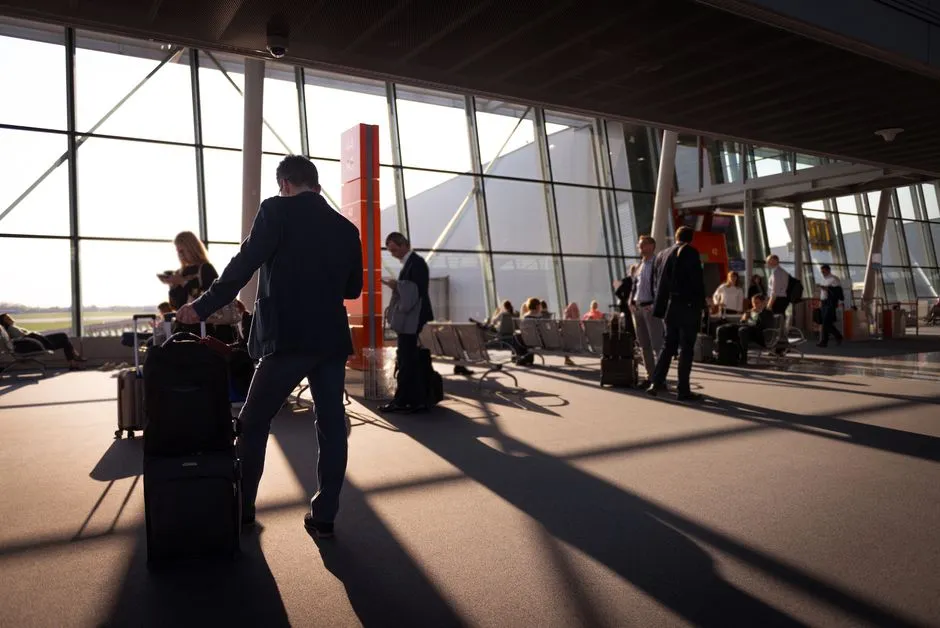
When you add it all up honestly, traveling with a checked bag typically costs between forty-five minutes and ninety minutes of total additional airport time across both ends of a trip. The wide range reflects the real variability in airports, airlines, and conditions. On a short domestic weekend trip, that’s a meaningful slice of your actual travel time.
Carry-on travel compresses the airport experience on both sides. You arrive later, clear security and boarding faster, and walk out of the arrivals terminal while checked-bag travelers are still watching the carousel. A simple formula for realistic curb time is: landing time, plus fifteen minutes for taxi and deplaning, plus the baggage wait at that specific airport. Removing the baggage wait from that equation is one of the most straightforward ways to reclaim time from a journey.
When a Checked Bag Is Actually Worth It
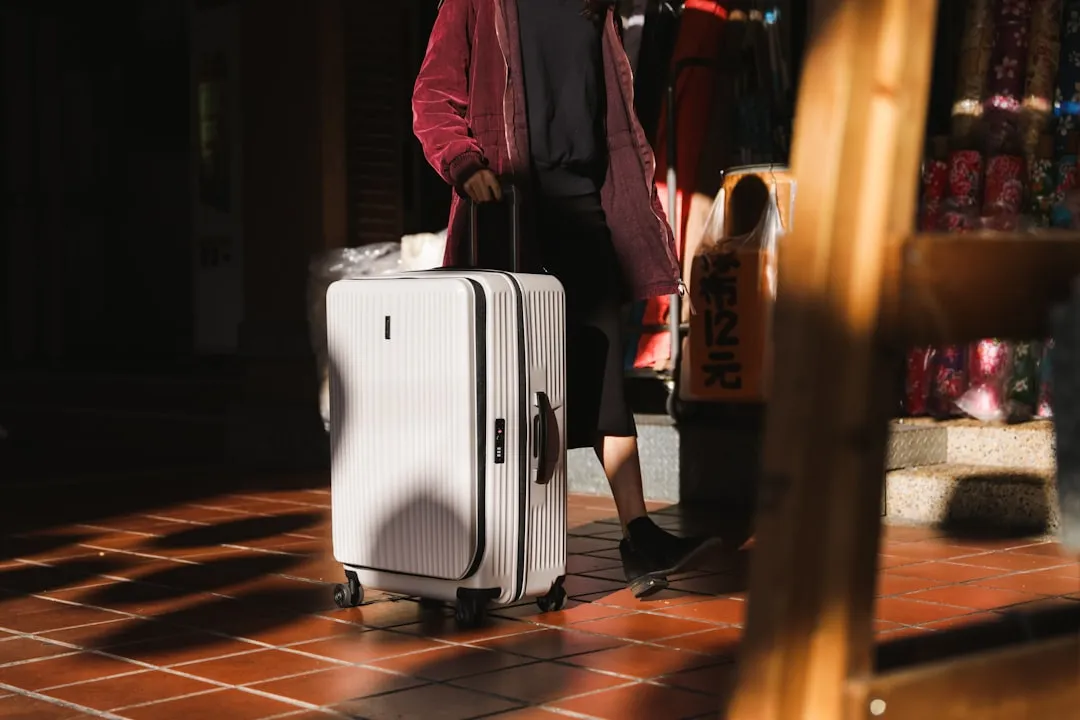
None of this means checking a bag is always the wrong call. For trips longer than ten days, for travelers with specific equipment like surfboards or skiing gear, or for anyone visiting multiple climates, a checked bag is often the only practical option. The time cost is real, but it’s sometimes the right trade-off for what the trip actually requires.
The key is making the decision consciously rather than by default. Plenty of travelers check bags out of habit when a well-organized carry-on would serve them just as well. On a three-day city trip or a single-destination beach stay, the carry-on route almost always wins on time. Knowing the real numbers helps you choose deliberately rather than reactively.
The Takeaway
The time difference between carry-on and checked bag travel is not a minor inconvenience. Across check-in, baggage claim, and the unpredictable variables of weather and staffing, checked bag travelers routinely spend an additional forty-five to ninety minutes inside or near airports on a round trip. That’s time that comes directly out of the trip itself.
Packing lighter isn’t just a minimalist preference. It’s a quiet and consistently effective way to spend more of your travel time actually traveling. The carousel will always be there for the trips that genuinely need it. For every other trip, the exit is closer than most people think.
AI Disclaimer: This article was created with the assistance of AI tools and reviewed by a human editor.