
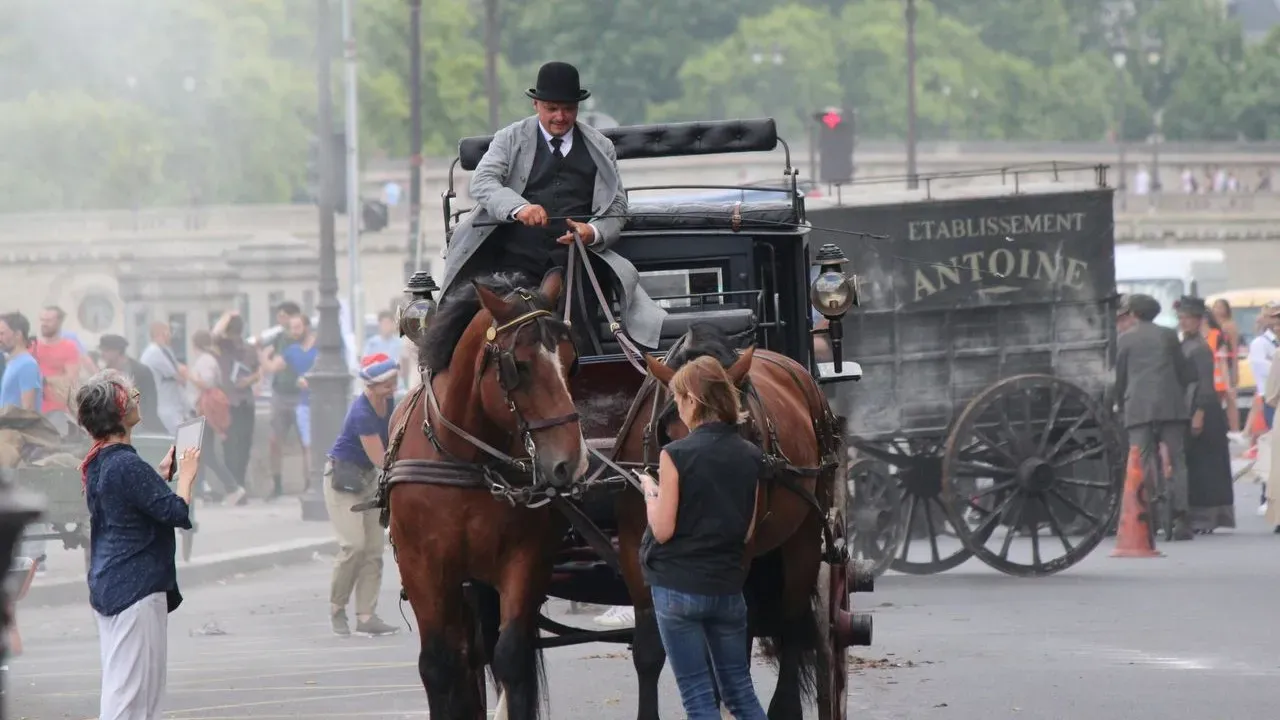

New York City’s City Council approved legislation this week that would phase out horse-drawn carriages in Central Park by June 2028. The Transport Workers Union, representing drivers and owners, filed suit immediately afterward seeking to block the measure. For travelers who have long associated the park with these rides, the development raises practical questions about timing and alternatives while the legal process unfolds.
Understanding the Timeline
The bill, known as Romanch’s Law, ends new license issuance right away and prohibits carriage operations across the five boroughs starting in summer 2028. Until then, the tradition continues under existing rules. Visitors planning trips in the coming seasons can still book rides, though the long-term outlook remains subject to court proceedings and any negotiated resolutions. The union argues the legislation raises constitutional concerns around property rights and due process. City officials maintain the measure is legally sound and will be defended. Both sides have signaled openness to further discussion on worker support and animal welfare standards.
What Travelers Can Expect Now
Central Park remains fully open and vibrant regardless of the carriage debate. The 843-acre green space offers countless ways to experience its landscapes, from quiet paths under century-old trees to expansive lawns that host seasonal events. Horse-drawn carriages have been part of the park’s story since the 1860s, yet the majority of visitors have always explored on foot, by bicycle, or via the park’s many guided walking tours. Those who value the slow, elevated perspective of a carriage ride still have time to arrange one before any potential changes take effect. Operators continue to work within current safety and licensing requirements while the lawsuit proceeds.
Other Ways to Enjoy the Park
Many travelers find equal or greater delight in the park’s quieter corners. Rowboat rentals on the Loeb Boathen allow visitors to glide across the water at their own pace. The Conservatory Garden provides formal plantings and seasonal color in a more intimate setting. Elevated walkways and bridges offer sweeping views without the need for wheels or hooves. Bicycle rentals and e-bike tours have grown popular for covering more ground while staying active. Early morning or late afternoon visits often reveal the park at its most peaceful, when light filters through the canopy and wildlife becomes more visible.
Planning a Thoughtful Visit
Responsible travelers can support the park’s ongoing care through official channels and by following posted guidelines on paths, wildlife, and waste. The carriage industry has long contributed to the city’s tourism economy, and any transition will involve workforce considerations that city leaders have begun to address in the legislation. For now, Central Park continues to welcome millions of visitors each year with its blend of natural beauty and cultural heritage. Checking current carriage availability directly with licensed operators remains the most reliable way to confirm options for upcoming trips.
AI Disclaimer: This article was created with the assistance of AI tools and reviewed by a human editor.