
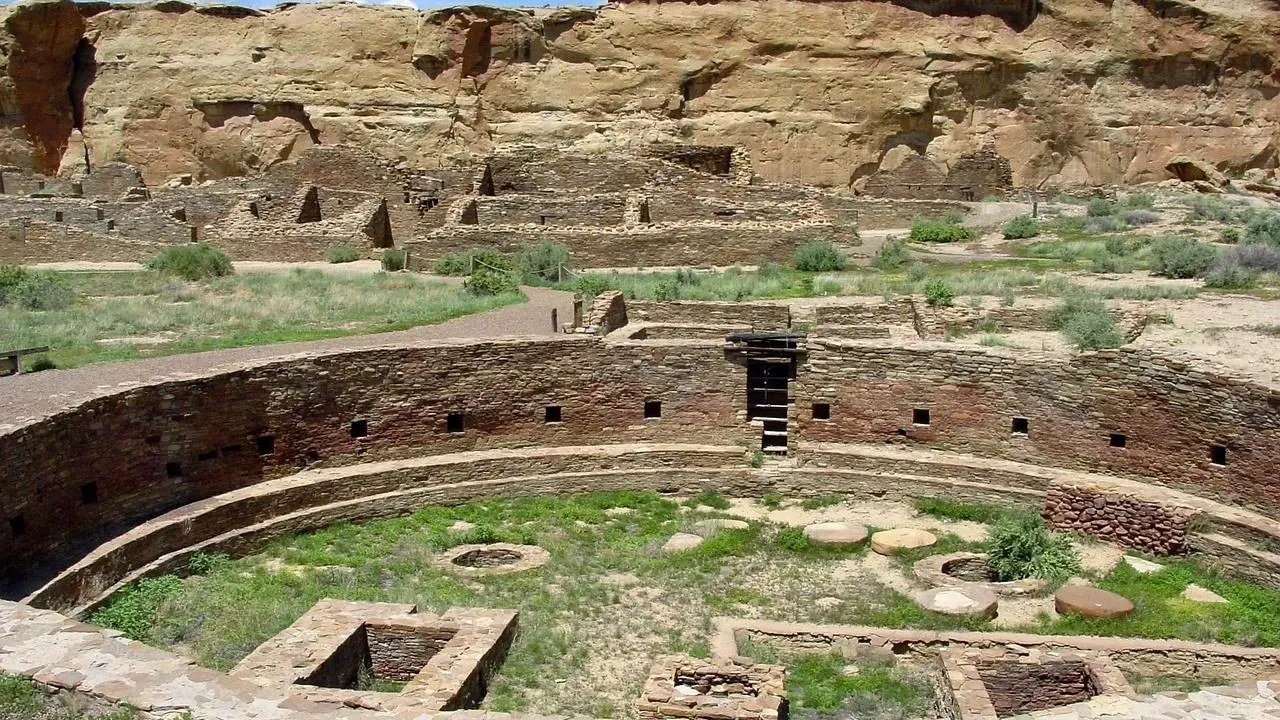

Chaco Culture National Historical Park in northwestern New Mexico holds the remains of an intricate ancestral Puebloan society whose great houses and ceremonial structures continue to draw visitors seeking connection with the past. The Bureau of Land Management is examining whether to lift a 2023 mineral withdrawal that has kept new oil and gas leasing at bay in surrounding areas. This review unfolds against a backdrop of longstanding tribal connections to the landscape and the park’s status as a UNESCO World Heritage site.
The Enduring Significance of Chaco Culture National Historical Park
Travelers who reach Chaco Canyon encounter a high-desert setting marked by dramatic sandstone cliffs and the precise alignments of ancient architecture. The park protects dozens of great houses, kivas, and road networks that reflect sophisticated engineering and astronomical knowledge developed over centuries. These features offer a tangible record of community life and ceremonial practice that still resonates with descendant tribal nations today.
Visitors often describe the quiet power of standing among the ruins at sunrise or sunset, when light shifts across the masonry and the surrounding mesas. The site’s isolation has helped preserve both its physical integrity and its sense of place. Responsible travelers arrive prepared with water, respect for restricted areas, and an understanding that the landscape carries living cultural meaning beyond its archaeological value.
The 2023 Mineral Withdrawal and Its Purpose
In 2023 the Bureau of Land Management established a withdrawal that closed roughly 336,000 acres around the park to new oil and gas leasing. The action responded to concerns about potential impacts on cultural resources, viewsheds, and the overall experience of the historic site. It built on earlier planning efforts that sought to create a protective buffer while still allowing existing leases to continue under their terms.
The withdrawal reflected input from tribal governments, conservation organizations, and members of the public who emphasized the irreplaceable nature of the Chaco landscape. It did not affect valid existing rights or mineral development already under way. Instead, it paused new leasing activity to allow further study of how energy projects might interact with the park’s setting and significance.
The Current BLM Review Process
The Bureau of Land Management is now assessing whether conditions have changed enough to justify revoking or modifying the 2023 withdrawal. This review involves evaluating resource data, tribal consultation outcomes, and the status of any pending lease applications. The process remains in its early stages, with no final decision announced.
Stakeholders including tribal nations, energy companies, and preservation advocates are expected to participate through formal comment periods and government-to-government discussions. The review will consider both the potential economic benefits of renewed leasing and the documented cultural and environmental values that prompted the original withdrawal. Outcomes could range from maintaining the current protections to adjusting boundaries or lifting restrictions in specific zones.
What Matters Now for Travelers and Stewards
Travelers planning visits to Chaco Culture National Historical Park can support the site’s long-term care by following Leave No Trace principles, obtaining permits in advance, and learning directly from tribal perspectives on the landscape. The current review underscores the value of informed public engagement with federal land decisions that affect both heritage sites and surrounding communities.
Those who value the park’s quiet and its layered history often return with a deeper appreciation for the careful balance required to keep such places intact. Continued attention to the BLM process offers one avenue for staying connected to decisions that shape the future of this remarkable setting.
AI Disclaimer: This article was created with the assistance of AI tools and reviewed by a human editor.