
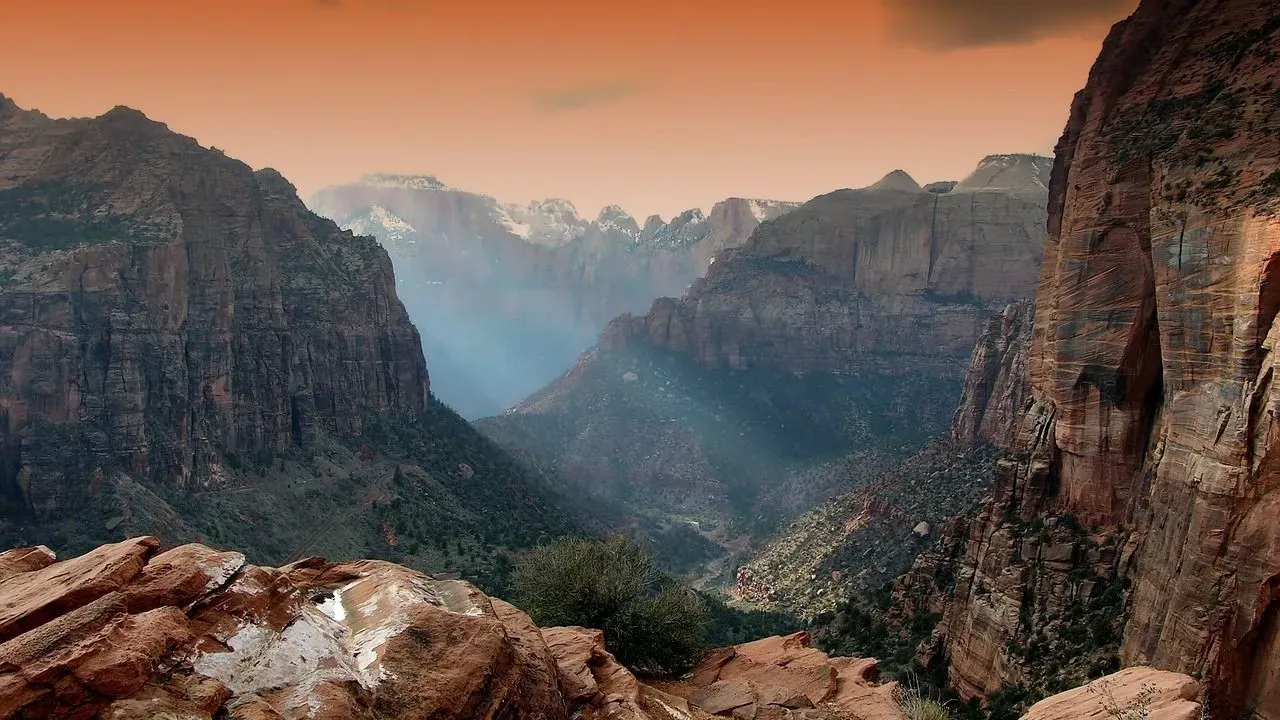

Southeastern Arizona – Chiricahua has received national park status this week, drawing fresh attention to a place long admired for its dramatic geology and layered natural history. The designation arrives at a moment when travelers increasingly seek out protected landscapes that reward slow, attentive exploration. It also prompts quiet reflection on which other American sites might follow in the years ahead.
Why the Designation Matters for Travelers
National park status carries practical weight beyond the name itself. It signals a commitment to long-term stewardship of the land, which often translates into clearer management plans and sustained resources for trail maintenance and resource protection. For visitors, this can mean more reliable information about access, seasonal conditions, and low-impact ways to experience the area. The change also elevates the profile of a region that has sometimes been overshadowed by better-known Southwest destinations. Travelers who plan trips around national parks now have another compelling reason to consider southeastern Arizona, where the combination of elevation, climate, and geology creates conditions found in few other places on the continent.
The Distinctive Terrain of Chiricahua
The park’s most striking feature is its collection of rock spires and balanced formations that rise from the high desert floor. These pinnacles, carved over millions of years by wind, water, and temperature shifts, create a landscape that feels both monumental and intimate. Narrow passages between the stones invite careful walking and quiet observation rather than hurried passage. Above the spires, the area functions as a classic sky island, where cooler, moister conditions at higher elevations support plant and animal communities quite different from the surrounding lowlands. This ecological layering supports a surprising range of species within a relatively compact space, offering visitors the chance to witness transitions from desert scrub to pine-oak woodland in the course of a single day.
Human Presence Across Time
Long before the current designation, the Chiricahua Mountains held significance for Indigenous communities, including the Chiricahua Apache people whose ancestral ties to the region run deep. Their relationship with the land encompasses knowledge of seasonal cycles, plant uses, and the spiritual dimensions of the mountains that continues to inform contemporary understanding. Later chapters include ranching, mining, and early conservation efforts that shaped the modern boundaries. Each layer adds context without diminishing the primary experience of the landscape itself. Travelers who approach with respect for this continuum often find their visits enriched by an awareness of the many generations who have moved through the same canyons and ridges.
What Comes Next
The recent designation naturally leads to conversations about other sites that might merit similar recognition in the future. Such discussions tend to focus on places with outstanding natural or cultural value that would benefit from the heightened protection and visibility a national park brings. No timeline is fixed, and each candidate involves its own set of ecological, logistical, and community considerations. For now, the spotlight remains on Chiricahua itself, where the rock formations, the sky-island forests, and the quiet trails offer a tangible reminder of why these designations matter. Travelers who visit in the coming seasons will encounter a landscape that has earned its place among the country’s most treasured public lands.
AI Disclaimer: This article was created with the assistance of AI tools and reviewed by a human editor.