
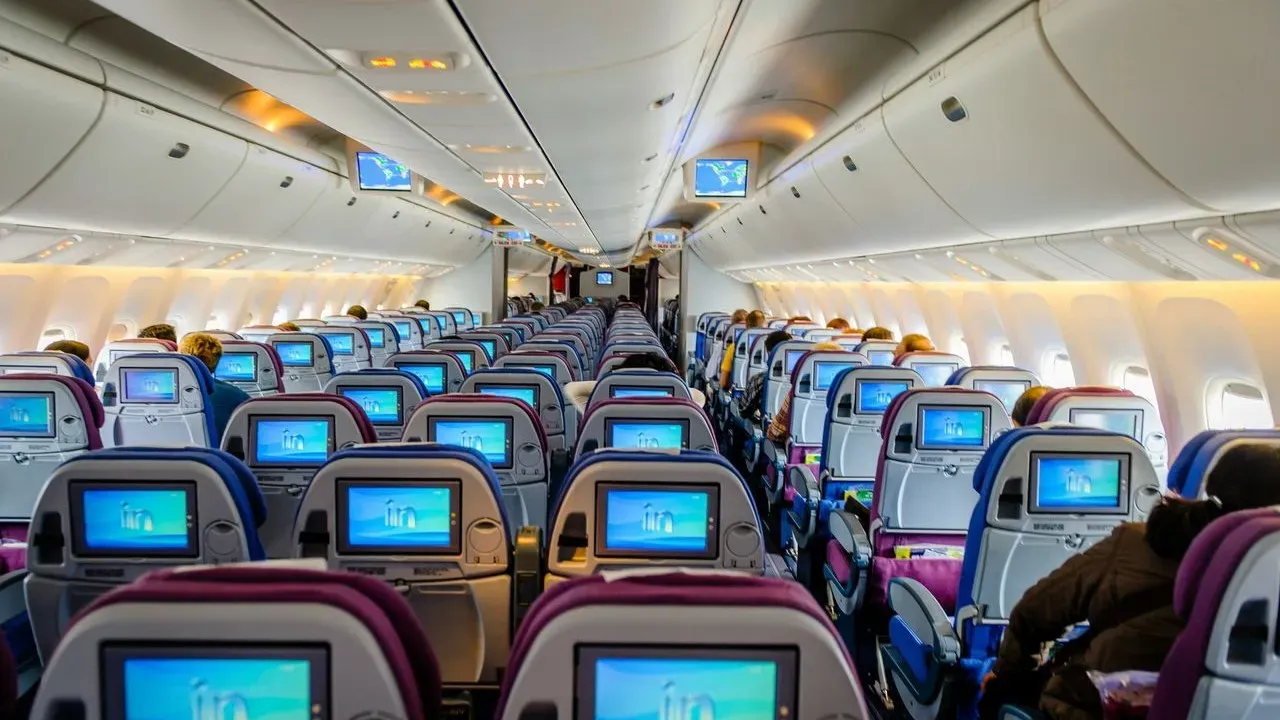

For years, the back of the plane has meant paying for patchy Wi-Fi, waking with a stiff neck after an overnight flight, and passing the hours with little to do. Airline attention has mostly gone to premium cabins, where new suites and recliners generate much of the revenue. Yet a growing number of changes are reaching economy passengers too. They do not add legroom, but they aim to make long flights easier to get through without a premium fare, according to ([1]).
Internet That Works, Often at No Charge
Connectivity may be the change that affects the most travelers. Nearly all of the large U.S. carriers either offer free onboard internet to loyalty members already or have announced plans to do so. Passengers who once accepted a fee for an unreliable connection now have a realistic chance of staying online for the whole flight.
Speed is improving as well. Most U.S. airlines are installing, or preparing to install, Starlink service, which the travel publication describes as the fastest Wi-Fi available in the sky today. For someone trying to finish a work call or stream a show over the Pacific, that difference is easy to appreciate.
Rethinking Rest in the Back Cabin
Few economy passengers would call a red-eye restful. Emirates has tried to address that with a headrest concept called U-Dream, which uses side wings to cradle the neck during sleep. The design could be especially useful on a long trip from the United States to Dubai, where a comfortable head position matters more with every hour.
Other carriers are testing larger ideas. Three options stand out in the source material:
- United Relax Row: A paid add-on that turns three economy seats into a bed, with the airline planning to introduce it next year on some long-haul flights, including certain Boeing 777 and 787 aircraft. United has presented it as a strong choice for families traveling together.
- Air New Zealand Skycouch: A similar arrangement that the airline has offered on its long transpacific flights for years.
- Air New Zealand Skynest: A planned bunk-bed concept with two sets of beds stacked three high, reached by a ladder. Passengers could book a four-hour nap for an additional $495.
None of these options matches a business-class bed, and the Skynest fee will not suit every budget. For travelers whose main goal on a long route is sleep, however, the choice has become more than a simple seat selection.
Snacks, Movement and Time in the Air
Walk-up snack bars are also appearing on some planes, which gives passengers a reason to stand and stretch while picking up a snack at cruising altitude. United used the last row of its new Airbus A321XLR for one, a useful addition on a single-aisle jet flying long routes. Several other U.S. carriers have announced plans for similar setups, and JetBlue has offered a snack pantry on its long-range planes for years.
The longest flights are pushing the idea of movement even further. Qantas is preparing its Project Sunrise service, which is scheduled to begin flying Sydney to London in October 2027, with Sydney to New York City service to follow. On the ultra-long-range Airbus A350-1000 that will operate these routes, the airline plans a well-being zone where passengers can walk, stretch and perhaps do a few exercises. On flights that will last close to a full day, that space could make a noticeable difference.
Screens That Work With Personal Devices
Seatback screens have become a standard feature on several U.S. carriers, including United, Delta and JetBlue. Airlines are now focusing on how passengers use them. United is working to equip its seatback systems with Bluetooth pairing, so travelers can connect AirPods and similar headphones. The airline has also added a Spotify partnership that allows flyers to stream from their own accounts to the screen.
Delta has launched a seatback partnership with YouTube and plans to introduce next-generation screens with a wider set of inflight features. American, which removed its seatback screens from its planes years ago, is moving back toward them, although the source suggests they will take time to become widely available. Content partnerships with major newspapers and streaming platforms are adding to the options as well.
Taken together, these changes suggest that economy is no longer defined only by what it lacks. Many of the upgrades will arrive gradually, and some remain in the planning stage. For travelers heading into the busy holiday season, though, the back of the plane is starting to offer more reasons to look forward to the flight.
AI Disclaimer: This article was created with the assistance of AI tools and reviewed by a human editor.