
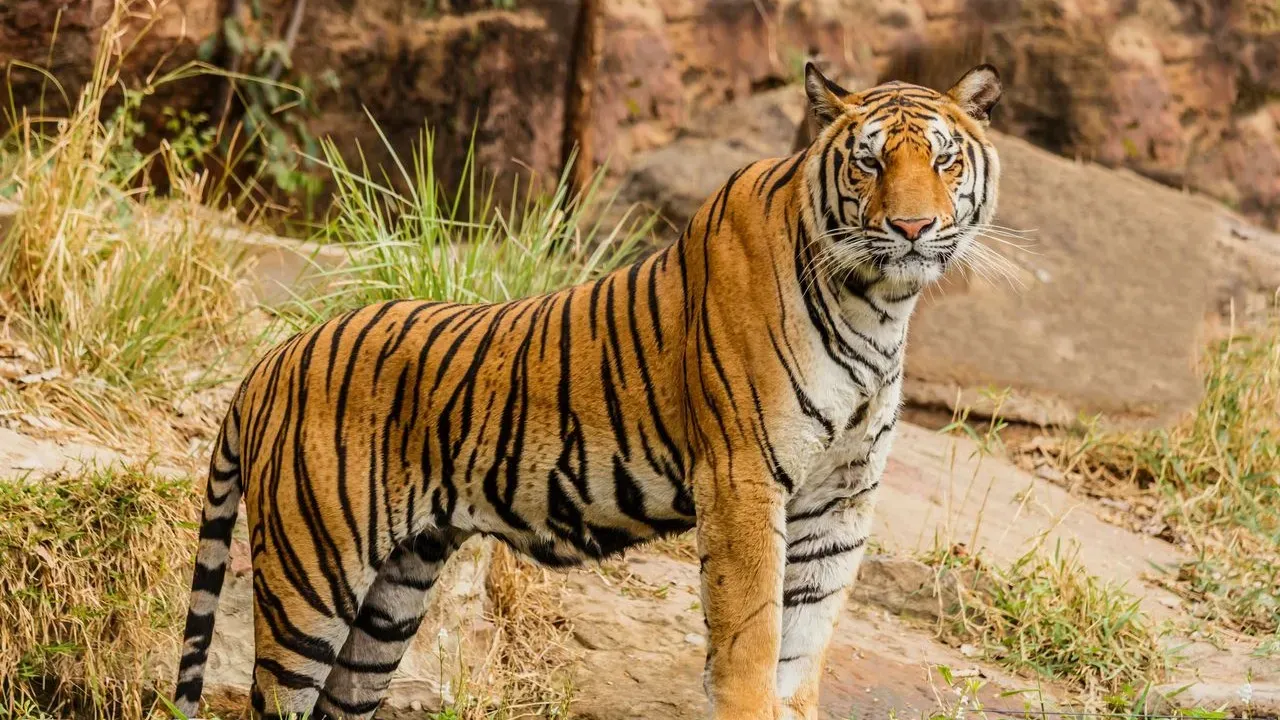

Washington, D.C. – The Smithsonian’s National Zoo has added a striking new presence to its Great Cats area. Coba, a 235-pound female Amur tiger, is adjusting to her surroundings while keepers monitor her progress alongside the resident male, Vostok. The development forms part of a measured, long-term effort to support an endangered species through managed care.
Settling Into the Great Cats Wing
Coba reached the zoo after a period of careful preparation that allowed her to acclimate gradually. Keepers have observed steady signs of comfort as she explores the enclosure and interacts with her environment. The process reflects the deliberate pace required when introducing large carnivores to new spaces. Vostok, who weighs approximately 350 pounds, already occupies the same area. The pair has begun limited meetings, and staff note gradual improvement in their familiarity with one another. Full integration remains a measured step rather than an immediate outcome.
Supporting an Endangered Species
Amur tigers, also known as Siberian tigers, face significant threats in the wild. The National Zoo participates in coordinated conservation programs that aim to maintain genetic diversity among captive populations. Producing a healthy cub would represent one tangible contribution to those broader goals. Breeding decisions receive close attention from specialists who weigh health, compatibility, and long-term species needs. The zoo treats each stage of the process with the seriousness such work demands, balancing scientific objectives with the animals’ well-being.
Looking Ahead to Possible New Life
Zoo staff have expressed quiet optimism that a cub could arrive in due course. The timeline depends on continued positive interactions between Coba and Vostok, along with ongoing health assessments. No firm date exists, and the focus stays on patient, responsible management. Such milestones draw attention to the challenges facing wild tiger populations. They also offer visitors a direct connection to ongoing efforts that extend beyond the zoo grounds.
Planning a Thoughtful Visit
The National Zoo remains one of Washington’s most accessible attractions for families and wildlife enthusiasts. Guests can observe the tigers from designated viewing areas that prioritize both animal comfort and visitor safety. Early morning or late afternoon hours often provide calmer conditions for watching the cats. Travelers interested in conservation can combine a zoo visit with other D.C. experiences that highlight science and natural history. Responsible planning includes checking current hours, reserving timed entry when required, and supporting the institution’s educational programs through membership or donations. These choices help sustain the care that makes moments like Coba’s arrival possible.
AI Disclaimer: This article was created with the assistance of AI tools and reviewed by a human editor.