
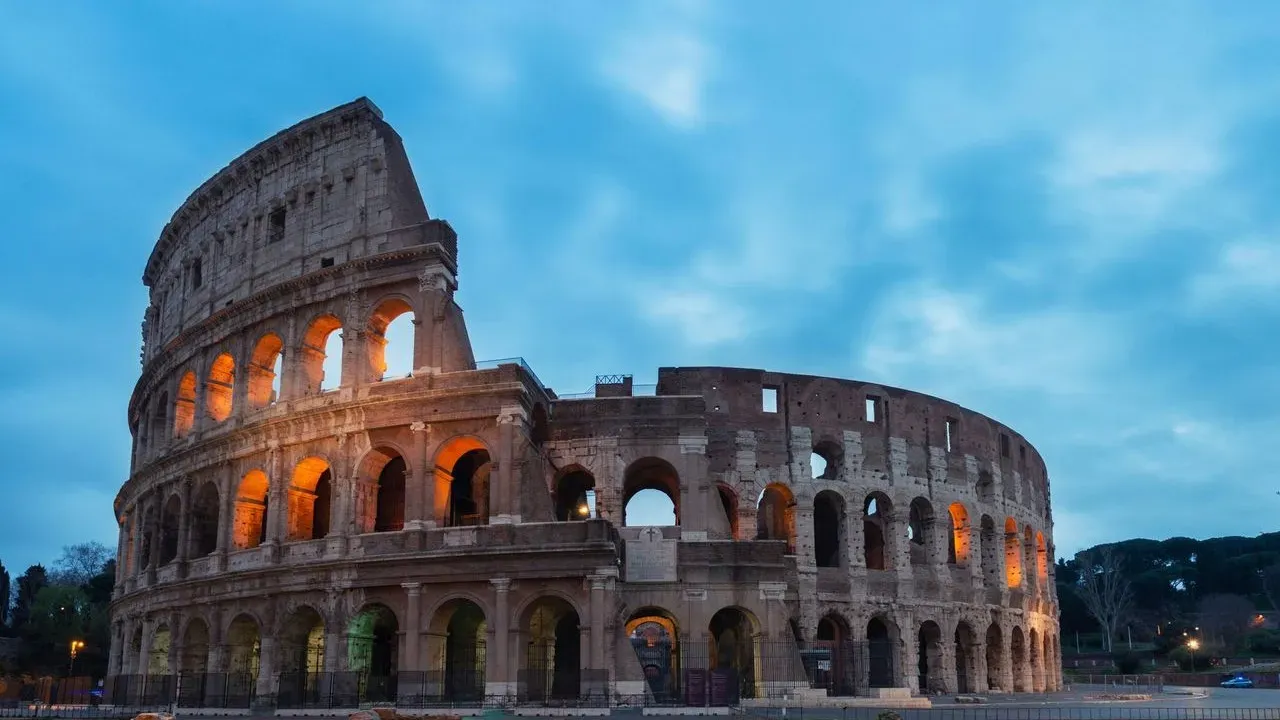

Rome’s ancient amphitheater stood unusually quiet on a recent Wednesday, its gates shut to the public for the first time in years. The closure followed a workplace accident during overnight maintenance and reflected the careful priorities of Italian authorities managing one of the world’s most visited heritage sites. Officials weighed visitor safety and crowd management before extending the shutdown across the entire monument rather than limiting it to one section. ([1])
The Sequence of Events
A specialist rope-access technician was working high above the structure to install updated lighting when the incident occurred late on a Tuesday evening. The full venue remained closed the following day after the first morning visitors had already completed their tours, allowing officials to avoid sudden gatherings at the entrances. The decision balanced immediate operational needs with the practical realities of managing large daily crowds at the site. Italy’s Culture Ministry coordinated the response, emphasizing both respect for the individual involved and the continued protection of the monument itself.
Previous Closures and Their Context
The Colosseum typically welcomes tens of thousands of visitors each day, yet it has shut its doors only on rare occasions in recent decades. Full-day closures occur just twice annually, on December 25 and January 1, while shorter pauses have marked visits by heads of state or special commemorations. The most extended interruption came during the COVID-19 lockdowns of 2020, when the site remained inaccessible for weeks.
Last October brought another brief halt for a peace prayer, and a 2014 visit by a former U.S. president prompted a few hours of restricted access. These precedents underscore how exceptional a full-day closure remains outside of scheduled holidays.
Practical Considerations for Visitors
Travelers with advance tickets or timed entries should check official channels for any updates, as operations resumed after the necessary safety reviews. The monument’s management has long prioritized orderly access, and the recent decision followed the same principle of preventing larger disruptions outside the gates. Rome continues to offer rich alternatives nearby, from the Roman Forum and Palatine Hill to other archaeological parks that remain open. Planning around standard holiday closures and allowing flexibility in itineraries helps visitors experience the city’s layered history without unnecessary frustration.
Workplace Safety in Heritage Settings
Italy records a steady number of workplace incidents each year, prompting ongoing national discussions about protections for those maintaining historic structures. Prime Minister Giorgia Meloni noted the unacceptability of such losses and reaffirmed commitments to stronger prevention measures. Preserving sites like the Colosseum requires skilled crews working at height and in challenging conditions, a reality that heritage authorities continue to address through updated protocols.
The focus remains on safeguarding both the people who care for these monuments and the millions who come to learn from them. The Colosseum endures as a powerful reminder of human ingenuity across centuries, its stones still drawing thoughtful travelers who approach the site with curiosity and care. Responsible visits, supported by clear safety practices, allow future generations to stand in its presence and reflect on the stories it holds.
AI Disclaimer: This article was created with the assistance of AI tools and reviewed by a human editor.