
The One Question That Changes Everything
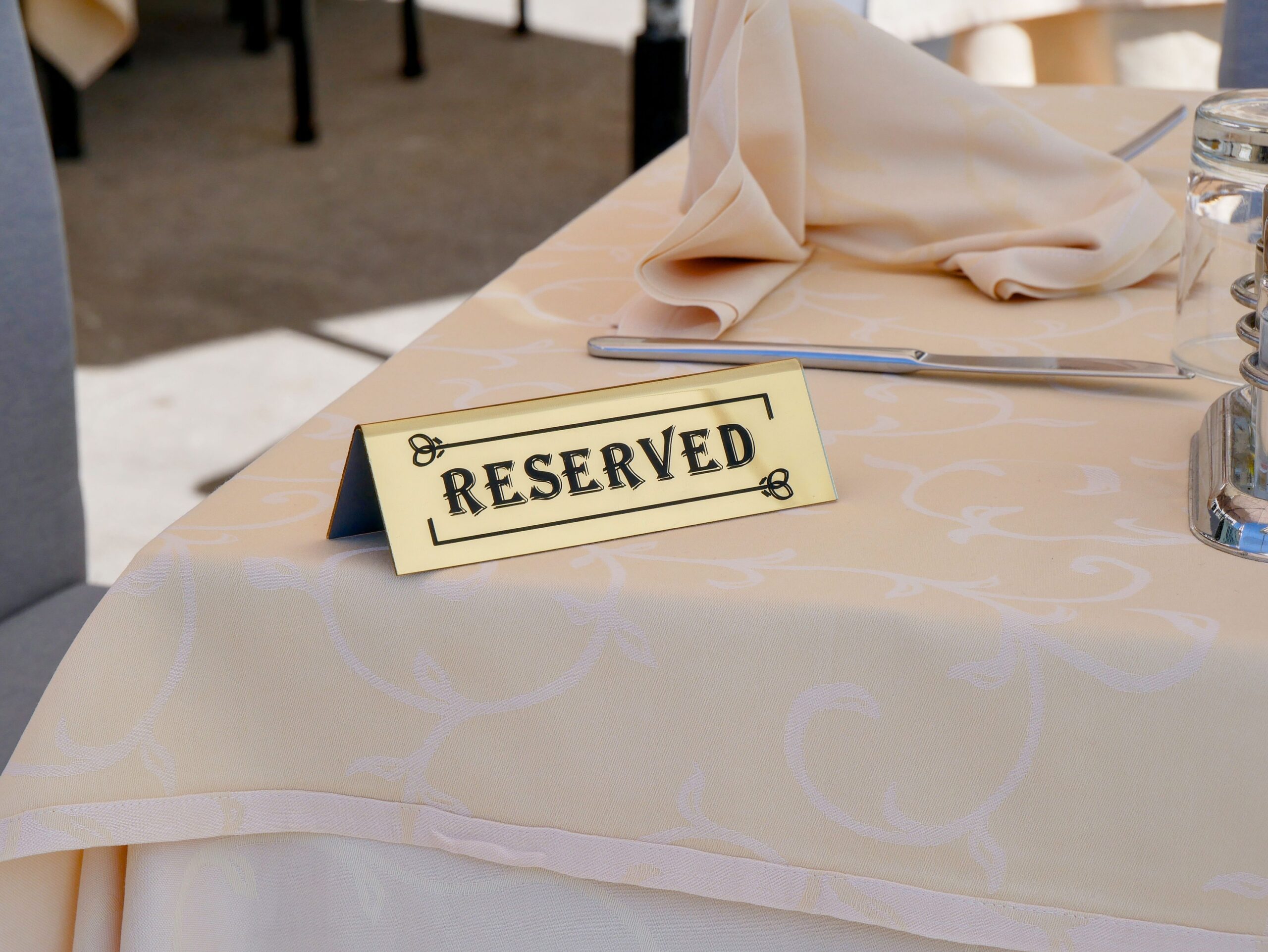
The single most effective thing you can say when making a reservation is simply: “We’re celebrating a special occasion, could you please note that and reserve your best available table?” It sounds almost too straightforward, but the impact is real. If it’s a special occasion, you should mention this at the time of booking, as restaurants will want to make it memorable for you when possible.
The phrasing matters. Asking for the “best available table” signals that you know what you want without being demanding. It gives the host or reservations manager something specific to work toward, which is very different from simply making a standard booking and hoping for the best.
Why Concierges Have the Real Leverage
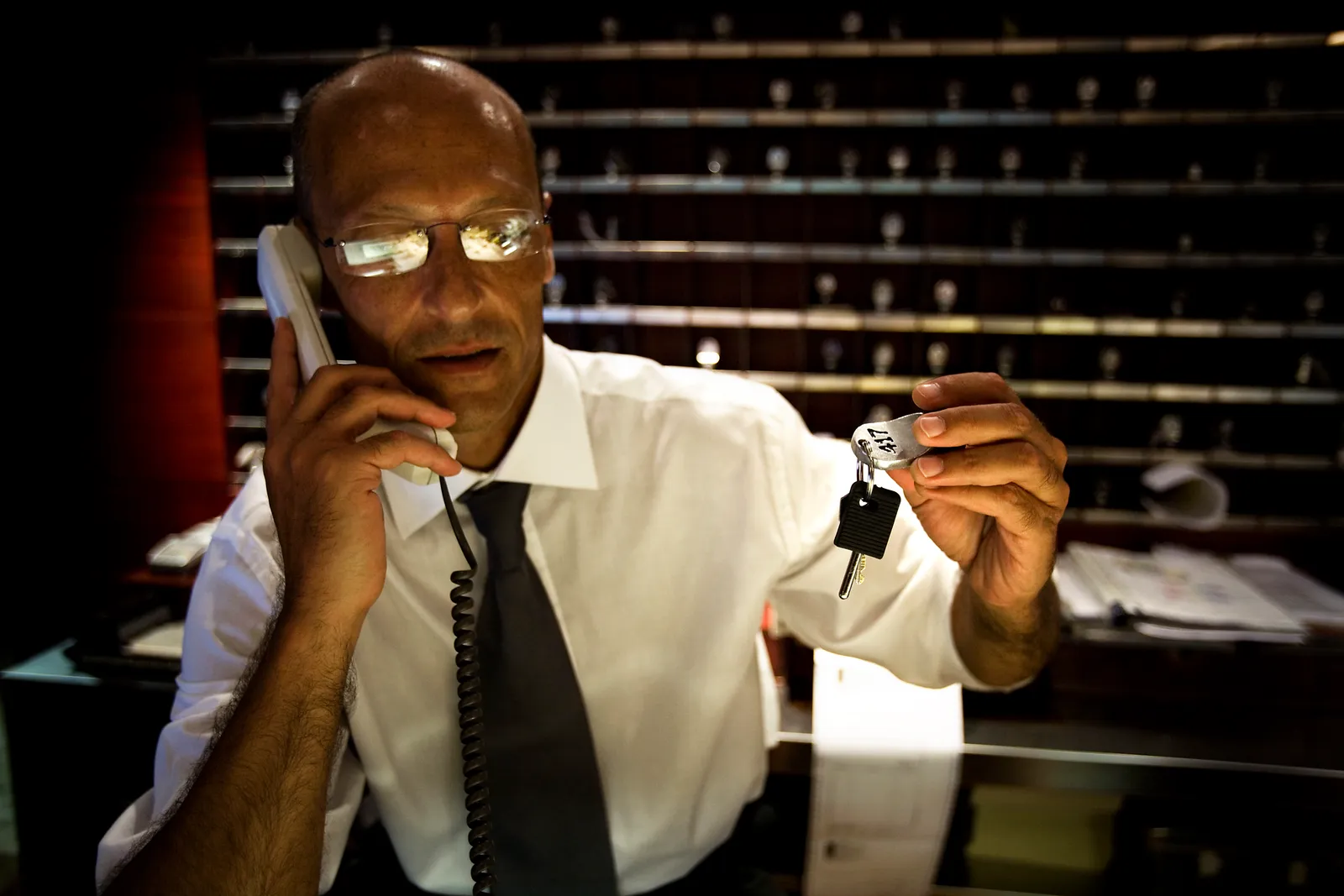
Booking through someone who has a personal relationship with the restaurant, such as a concierge service, can help, as they often know the restaurant well, have a personal relationship with them, and send regular business to them. That ongoing relationship is the backbone of the whole arrangement. A concierge who refers guests week after week has earned a level of trust that a one-time caller simply hasn’t.
Emailing three to five days before arrival with broad requests including dinner reservations, dietary restrictions, the occasion such as an anniversary or birthday, and personal interests is a strong starting point for working with a concierge. The more context you give the concierge, the more precisely they can advocate on your behalf. Vague requests get vague results.
Mentioning the Occasion Is Not Just Politeness
Telling a restaurant that you’re celebrating something isn’t merely good manners, it’s a practical strategy. Restaurants genuinely want to be part of memorable moments. When staff know the purpose of a visit, they can align the table placement, timing, and service accordingly. This transforms your reservation from an anonymous booking into something the team actually invests in.
OpenTable data shows that diners who tag special occasions at booking, including birthdays, anniversaries, date meals, and business meals, have measurably different spending patterns compared to ordinary restaurant visits. Restaurants know this too. A table celebrating an anniversary is often a guest who lingers, orders thoughtfully, and tells people about the experience afterward. That’s worth accommodating well.
Timing Your Reservation Like an Insider
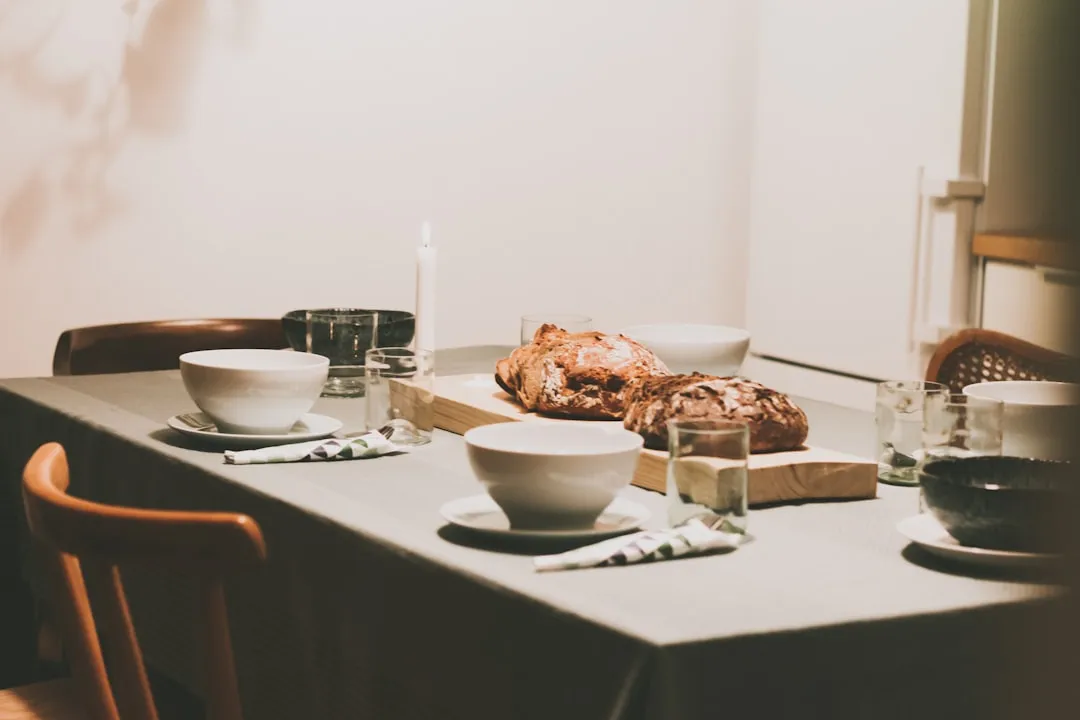
In a shift that surprises many diners, midweek has emerged as a genuinely popular time to dine out. Data shows an eleven percent increase in seated diners on Wednesdays, the largest jump compared to any other day of the week, likely driven by hybrid work schedules that motivate people to spread restaurant visits beyond traditional peak times.
Industry insiders consistently advise against Friday and Saturday nights if you want attentive, unhurried service. Saturday is traditionally the busiest night of the week for a restaurant, when the focus shifts heavily toward turning tables quickly. A Wednesday or Thursday dinner, especially at an earlier seating, gives you more of the kitchen’s attention and better odds of a preferred table.
Call the Restaurant Directly

Online reservation platforms are extraordinarily useful, but they don’t show you the full picture. Restaurants only release a certain number of tables to online platforms, so calling directly can yield better results. A polite phone call also lets you have a real conversation, the kind where you can mention your occasion, ask about table preferences, and establish a human connection before you walk through the door.
Many people rely on websites as the ultimate source of information, but this isn’t always accurate when it comes to restaurant reservations. Sometimes a restaurant’s website claims no tables are available for large blocks of time, but after a quick call, you’ll often find that you can book at your preferred time and date with ease. Platforms and reality are not always the same thing.
The Power of Becoming a Regular
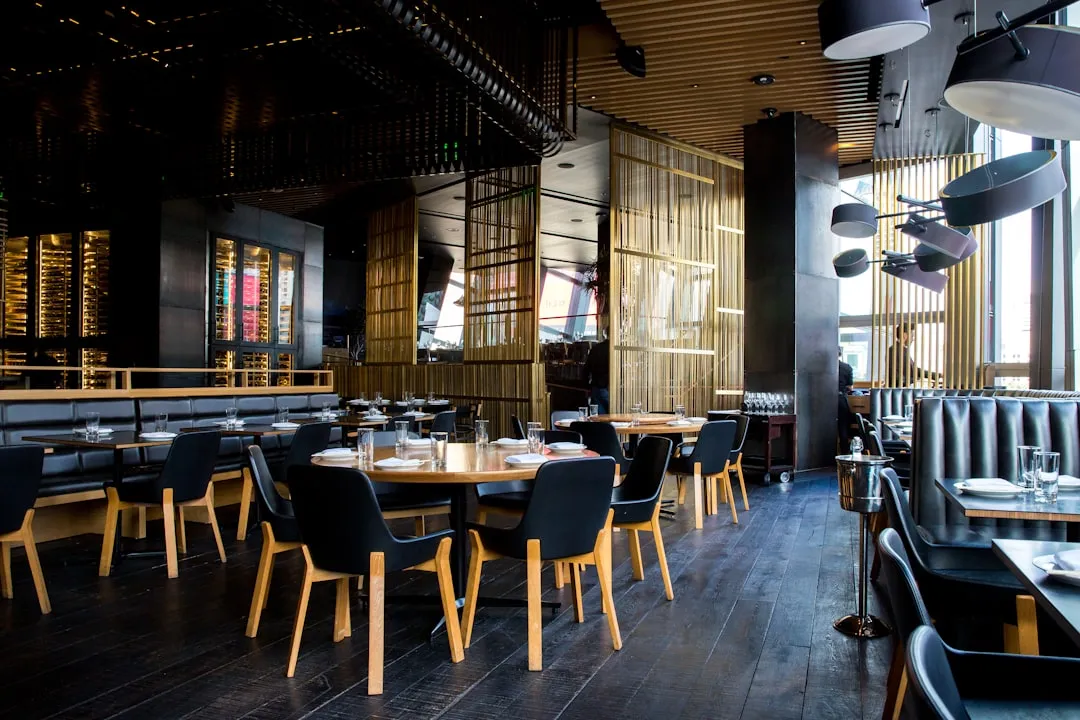
Being a regular will greatly improve your chances of securing the best table. Restaurants love loyalty and genuinely want to reward regular customers. This is one of the most reliable long-term strategies, though it obviously requires patience to build. The first few visits are investments.
Regulars consistently receive VIP treatment. You don’t have to be a celebrity to get the seat you want, but if you visit the restaurant regularly and interact with the staff, that goes a long way. Acknowledging the people who make it their job to give you a great experience makes you part of the community. It’s not transactional, it’s genuinely relational, and restaurants feel the difference.
Do Your Homework Before You Arrive
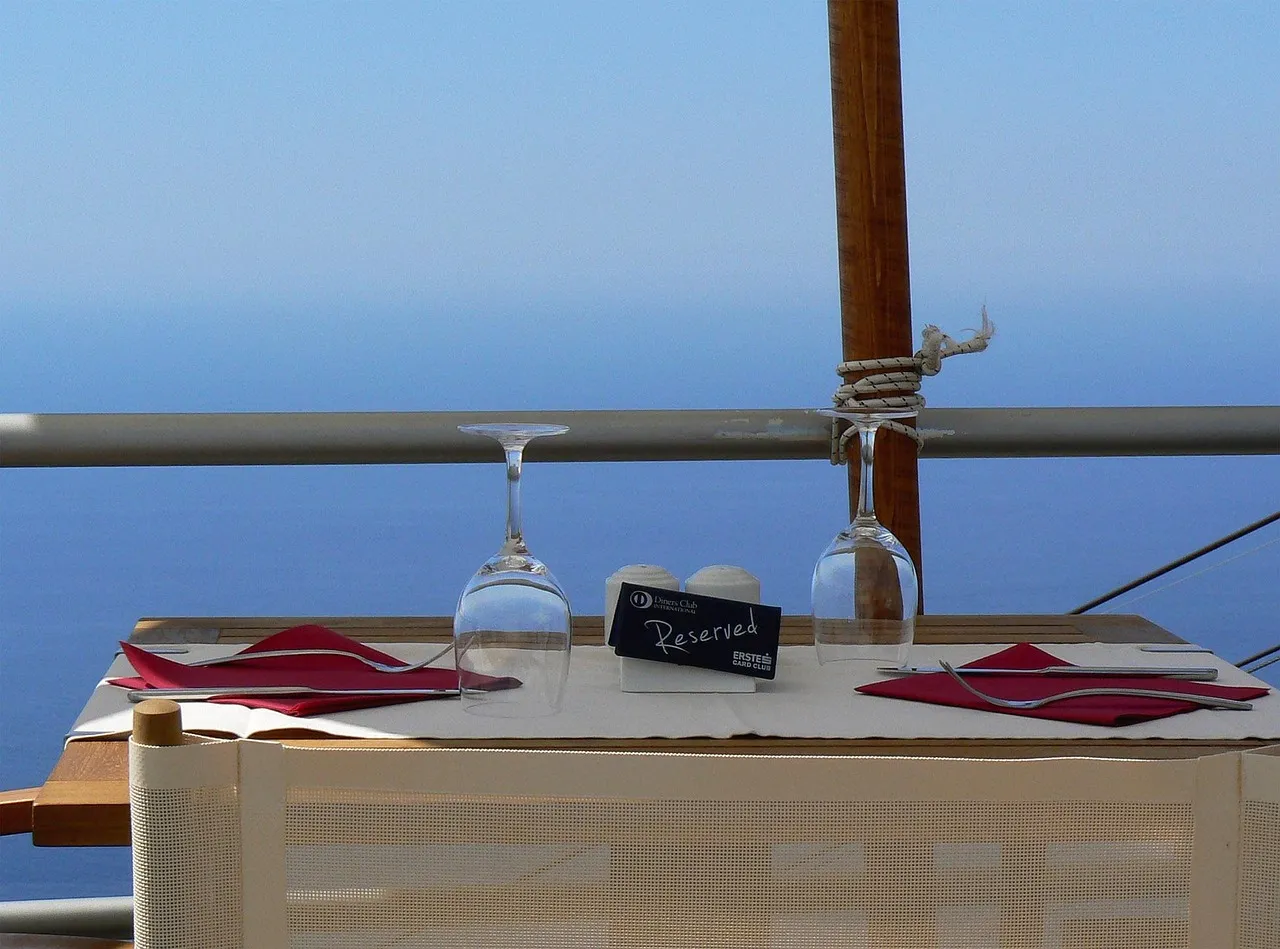
If you’re intent on securing the best table, doing your homework matters. For an important business dinner, a proposal, or an evening where you want to impress someone, stopping by the restaurant a few days in advance, talking to the manager or staff, telling them what you have in mind, and selecting the table that will work best for you can make a significant difference.
This isn’t about being difficult or high-maintenance. Quite the opposite. It shows respect for the staff’s work and gives them the tools to do their jobs well. Restaurants are often eager to please the person who does their homework, and personal contact ensures that a romantic or business dinner will go off without a hitch.
Party Size Can Work in Your Favor
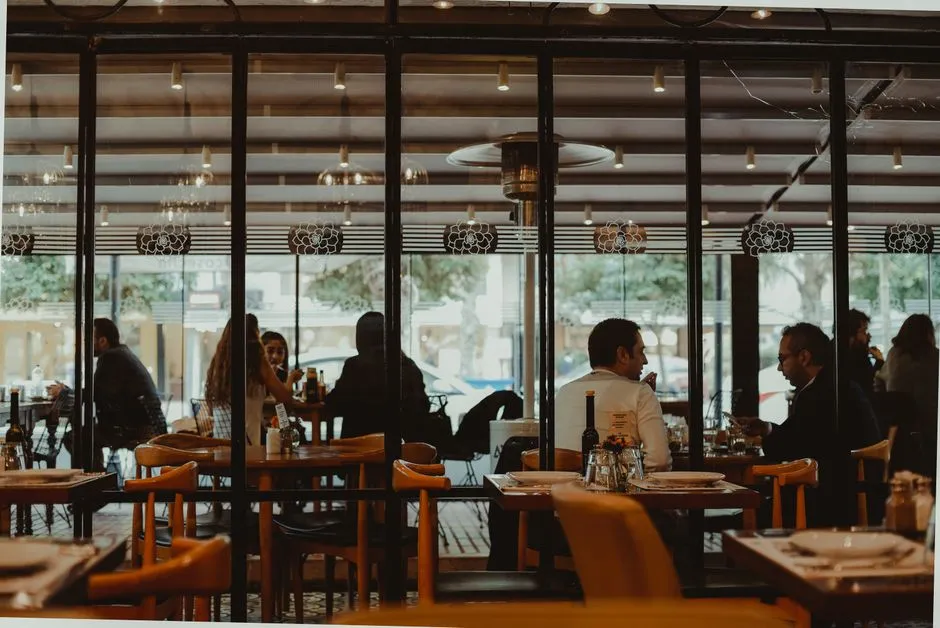
Counterintuitively, a larger group can sometimes open doors that a table for two cannot. Restaurant consultant Kate Edwards notes that a bigger party can actually improve your chances at the hottest restaurants, since most people are trying to book for two, meaning a larger group may have a better shot at getting seated.
It’s often easier to get a table for four than for two. It’s a business, after all, so the more people dining, the more profitable your visit becomes to the restaurant. OpenTable data confirms this shift, with group dining for parties of six or more up eight percent year over year, reflecting a broader cultural move toward communal restaurant experiences.
Dress Well and Arrive on Time

When you arrive at the restaurant, dressing smartly and looking the part genuinely matters. You are far more likely to get the best table if you dress to impress. Arriving early, or at least on time, and being polite to everyone when you arrive reinforces that positive first impression.
Asking again about a specific table upon arrival is reasonable if you’ve previously requested one. If you’re late, you might simply lose it. Restaurants manage tight seating schedules, and tardiness, especially for a peak-time reservation, is often the simplest way to lose any special arrangement you’ve worked to set up in advance.
The Bar Seat Is Not a Consolation Prize
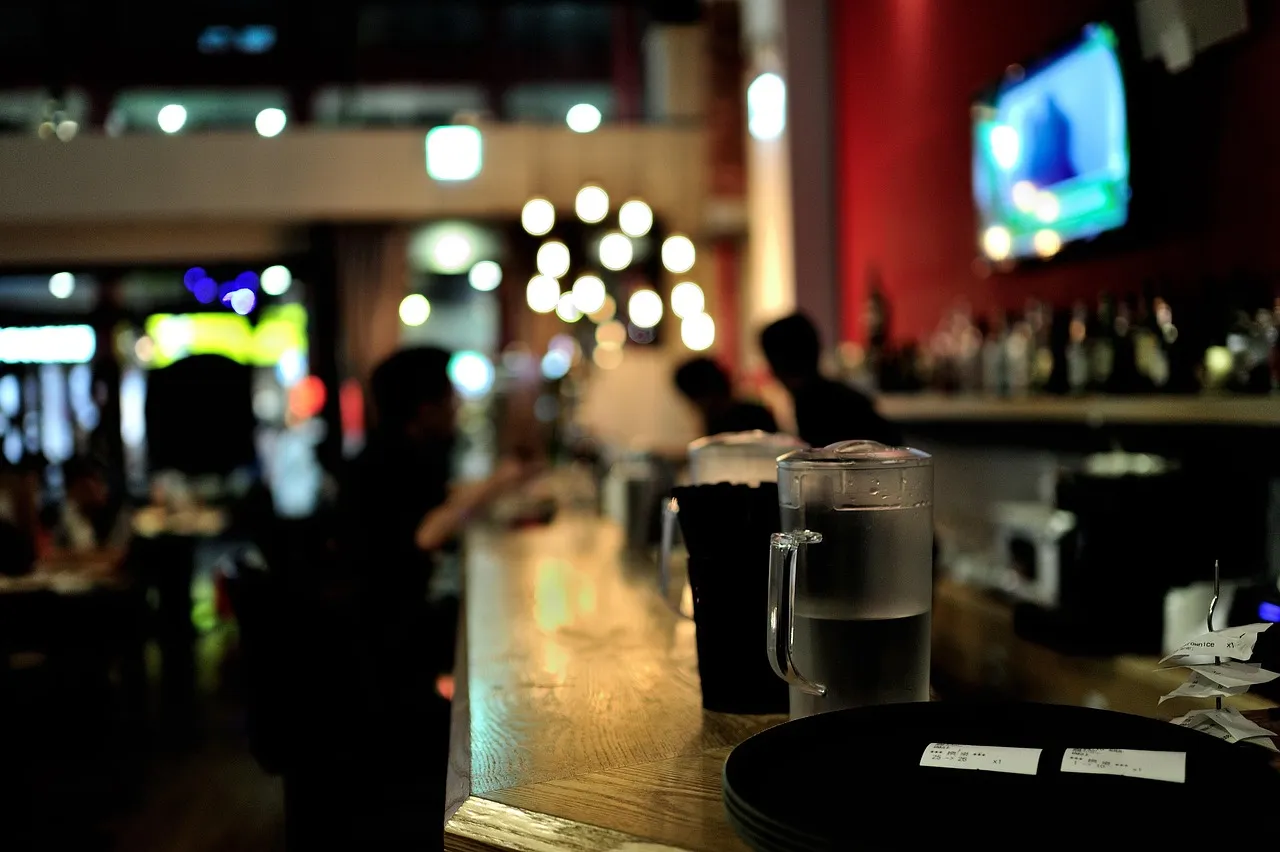
If all else fails, the bar is worth reconsidering. Many restaurants don’t pre-book the bar area, which means it’s often accessible even when the dining room is full. It’s also one of the best places to build a connection with the staff, which can pay off significantly on your next visit.
Putting your name on the wait list and staying patiently at the bar while waiting for a table to open is a genuinely viable strategy. Many people put their names on a list and then leave, which means those who stay are often rewarded. The bar also puts you squarely in the sightline of the manager and host, which keeps your presence felt without being intrusive.
A Final Word on the Art of the Ask
AI Disclaimer: This article was created with the assistance of AI tools and reviewed by a human editor.