
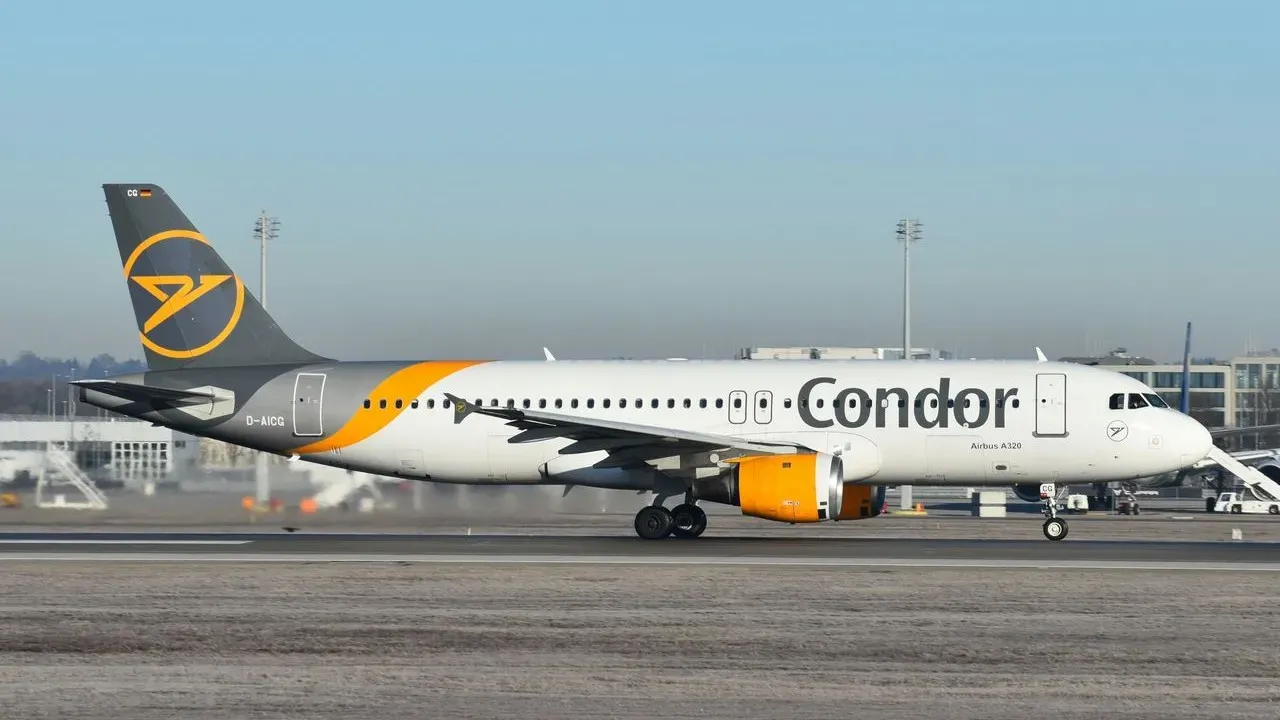

Germany’s leisure carrier Condor is adjusting its long-haul network to serve larger American gateways more consistently. The move follows the end of a longstanding partnership with Lufthansa and reflects a broader effort to secure reliable passenger feed for its Frankfurt hub. Travelers planning trips to Germany and beyond may soon find more convenient connection options through established airline alliances. ([1])
A Distinctive Fleet With a Practical Shift
Condor has long been recognized for its colorful striped aircraft that stand out on airport aprons across Europe and North America. Those planes continue to operate transatlantic routes, yet the airline is now prioritizing markets where demand is strongest and where partner carriers can help fill seats. This approach allows the carrier to maintain its leisure focus while adapting to new commercial realities.
The change comes after a court decision ended an earlier agreement that once funneled connecting passengers from Lufthansa’s extensive European network. Without that volume, Condor has turned to its own short-haul flights and fresh interline partnerships to bring travelers into Frankfurt. The result is a more targeted set of long-haul services built around origin-and-destination traffic rather than reliance on a single feeder airline.
Partnerships That Extend Reach
Condor has signed an interline agreement with American Airlines that lets passengers book journeys on a single ticket and transfer bags seamlessly at several US airports. Similar arrangements already exist with Alaska Airlines and Southwest, giving members of those carriers’ loyalty programs the ability to earn and redeem miles on Condor flights. These ties help the German airline reach a wider audience without adding every possible city to its own schedule.
Chief executive Peter Gerber has noted that the carrier will never match the breadth of Lufthansa’s network at Frankfurt. Instead, Condor is concentrating on routes where independent demand is solid and where partners can supply additional passengers. The strategy supports steady operations for its sizable long-haul fleet while keeping the focus on leisure travelers heading to Germany and other European destinations.
Practical Benefits for Travelers
Passengers flying from larger US cities now have clearer paths to connect onto Condor services through partner airlines. Baggage can move smoothly between carriers, and single-ticket itineraries reduce the risk of missed connections. For those who value the airline’s signature striped aircraft and its business-class product, the new arrangements may simplify planning for trips to Germany and onward European travel.
Some secondary US routes remain in place thanks to longstanding ties with Alaska Airlines, whose hubs align well with Condor’s seasonal leisure flights. This mix of direct service to key gateways and continued partner-supported options gives travelers flexibility depending on their departure city and preferred routing.
Looking Forward With Measured Steps
Condor’s evolution illustrates how leisure carriers adapt when traditional partnerships change. By strengthening ties with American, Alaska, and Southwest, the airline is building a more resilient network centered on Frankfurt while preserving the distinctive character of its fleet. Travelers interested in Germany will continue to find Condor’s striped planes serving routes that match genuine demand.
The coming seasons will show how these adjustments play out in practice. For now, the emphasis remains on reliable connections and the simple pleasure of flying an airline known for its visual flair and leisure-oriented routes across the Atlantic.
AI Disclaimer: This article was created with the assistance of AI tools and reviewed by a human editor.