
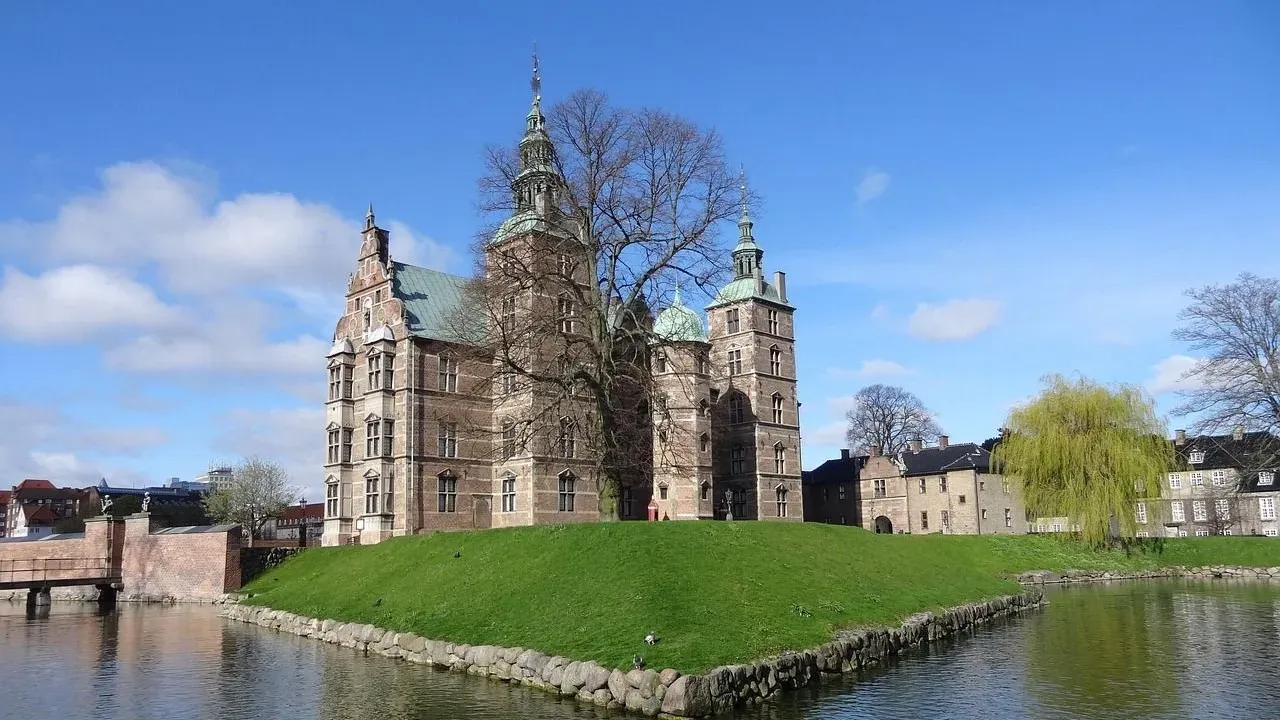

Copenhagen and Oslo offer travelers a measured pace through centuries of Nordic heritage, where royal legacies and artistic legacies sit alongside everyday city rhythms. A single week spent moving between the two capitals reveals layers of history that reward slow observation rather than hurried checklists. One guest’s journey captured these moments through quiet streets, waterfront views, and preserved landmarks that continue to shape Scandinavian identity today.
Stepping into Copenhagen’s Royal Past
Rosenborg Castle stands as a tangible record of Danish monarchy, its interiors holding both ceremonial thrones and the crown jewels that once marked royal authority. Nearby, Amalienborg Palace continues to serve as the current residence for the Danish royal family, its symmetrical architecture framing daily life in the capital. These sites sit within walking distance of Nyhavn, the canal district whose colorful buildings have long welcomed sailors and now host residents and visitors alike. Tivoli Gardens, one of Europe’s oldest amusement parks, blends historic landscaping with evening illuminations that transform the grounds after dark. The Nimb Hotel, glowing within the gardens, adds a layer of contemporary hospitality to the centuries-old setting. Cobbled streets throughout the city center invite unhurried exploration, connecting these landmarks without the need for rushed itineraries.
Crossing into Oslo’s Natural and Cultural Landscape
The journey to Oslo shifts focus toward the Oslofjord, whose waters frame both urban and rural views that change with the light. A sunset over the fjord provides a calm counterpoint to the city’s cultural institutions. The Ski Jump Museum and its adjacent structure offer elevated perspectives on the surrounding terrain, while the nearby Gol Stave Church preserves medieval wooden architecture in its original form. Vigeland Sculpture Park presents hundreds of human figures carved in stone and bronze, arranged across open grounds that encourage visitors to linger among the works. Edvard Munch’s The Scream remains a centerpiece of Oslo’s art collections, its emotional intensity contrasting with the measured atmosphere of the surrounding city. Quaint corners and hidden passages throughout Oslo reward those who allow extra time between planned stops.
Extending the Journey to Lund
A side trip to Lund adds another dimension to the week, with its fairytale streets and preserved historic buildings. The town’s oldest grocery store continues to operate in a setting that reflects centuries of local commerce. These quieter lanes provide space for reflection on the broader Nordic region that links Denmark, Sweden, and Norway through shared history and geography.
Reflections from a Week Between Two Capitals
The combined experience of Copenhagen and Oslo highlights how Nordic history unfolds through preserved sites rather than isolated monuments. Each location – from castle interiors to sculpture parks – invites travelers to consider the continuity of culture across borders. A week structured around these places supports thoughtful pacing, allowing time for both landmark visits and the simple act of walking through living cities. Travelers who follow a similar route often find that the quiet atmosphere deepens appreciation for the region’s layered past. The firsthand perspective of moving between these capitals underscores the value of unhurried observation in places where history remains visibly present.
AI Disclaimer: This article was created with the assistance of AI tools and reviewed by a human editor.