

Cranberries Don’t Grow in Water – They’re Flooded to Harvest
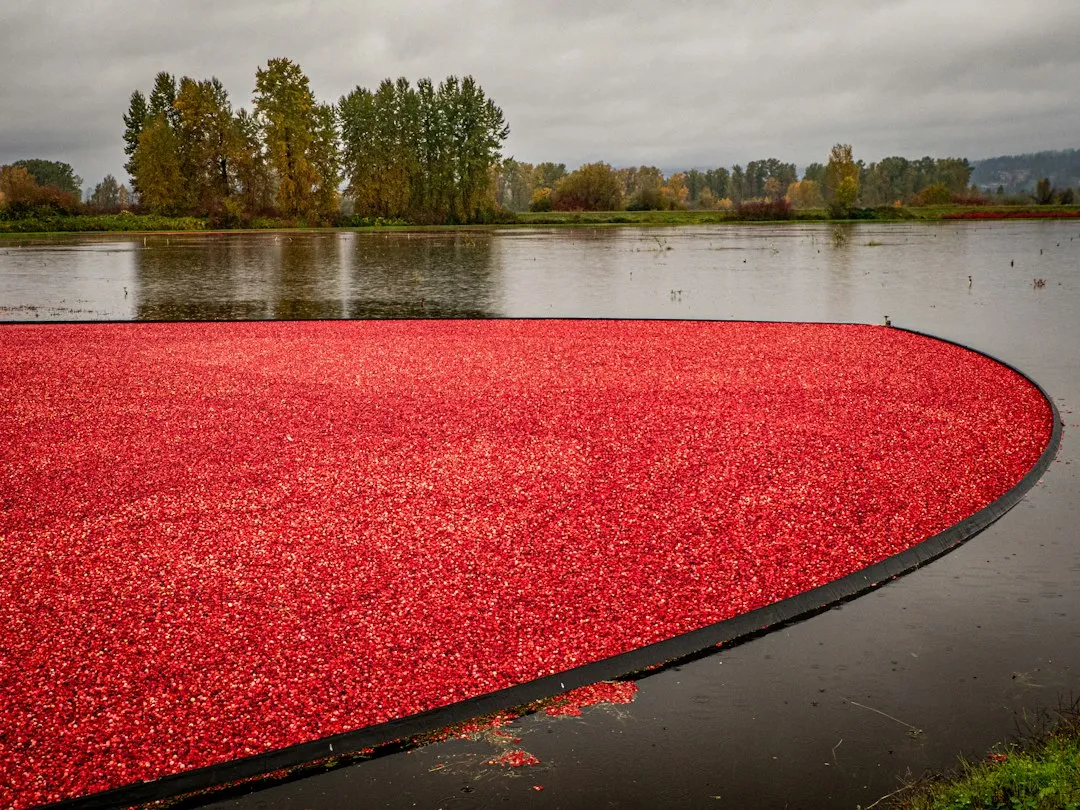
Cranberry vines grow on dry beds most of the year. The flooding comes later, when it’s time to harvest. This simple fact surprises most first-time visitors to a bog, who naturally expect the water to be permanent. The distinction matters because it reframes the entire practice: flooding is a tool, not a growing condition.
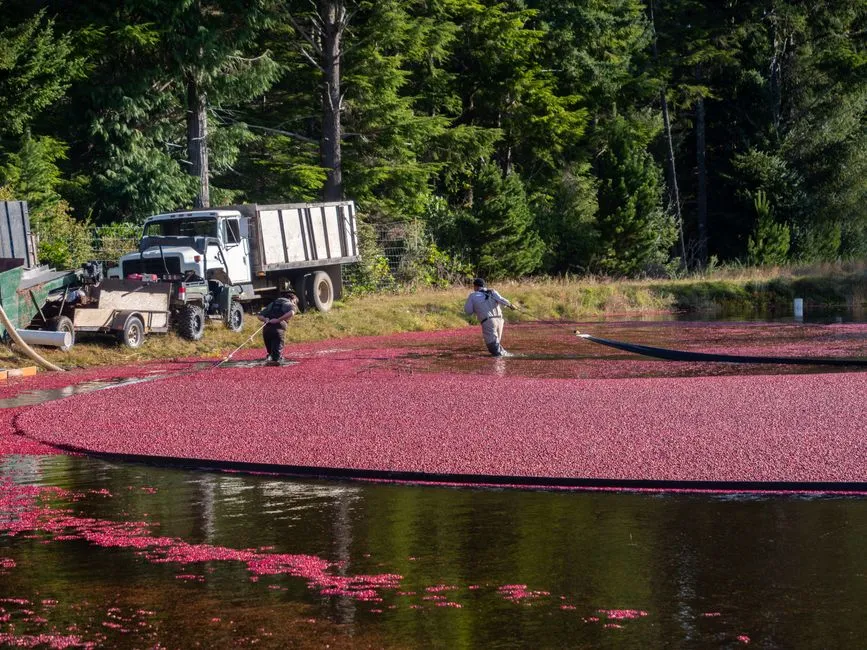
Cranberry bogs are wetland environments characterized by thick sphagnum moss, acidic waters, and spongy peat. During the growing season, the bog remains dry; it is only during harvest time that farmers flood the bog. This controlled flooding raises the water level just above the cranberry vines, prompting the berries to float free.
The Science of Why Cranberries Float
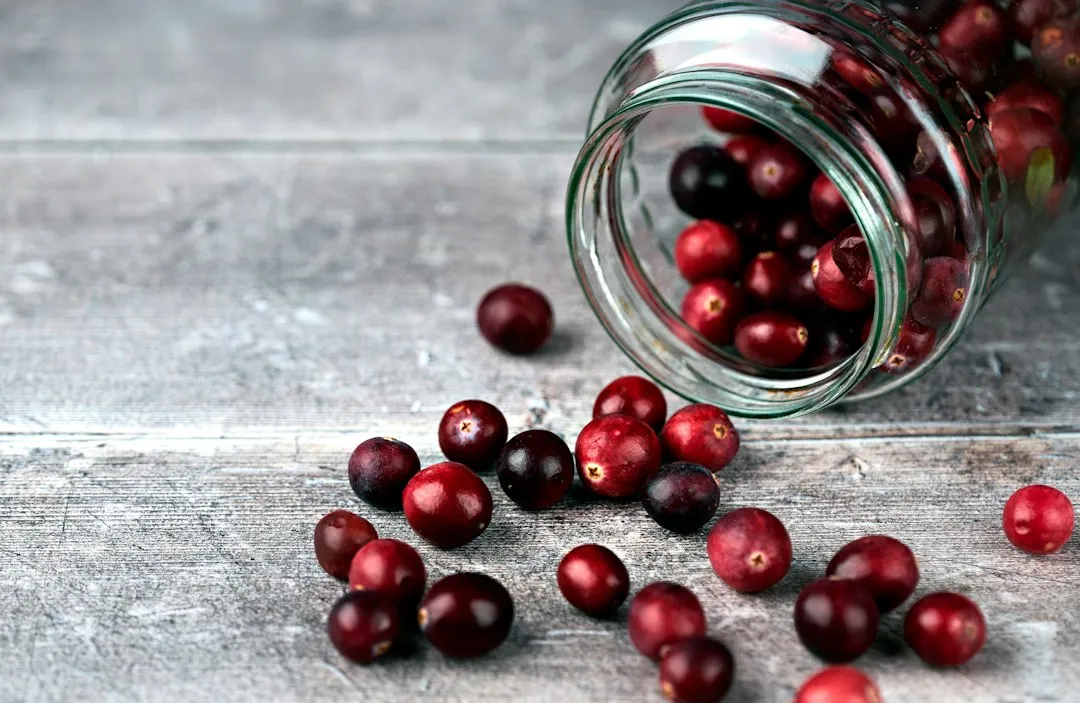
Cranberries float because each berry holds four tiny air chambers. This is a natural biological feature of the fruit, not a result of any treatment. Once the berries are shaken or knocked loose from the vines, those internal pockets do exactly what physics demands.
Inside each berry are tiny air pockets. Once the fruit is knocked loose from the vines, those pockets carry it to the surface. That’s what creates the familiar sight of a bog covered in a bright red layer of berries. It’s a beautifully simple mechanism that growers have relied on for generations, and it remains just as effective today.
How the Wet Harvest Process Actually Works
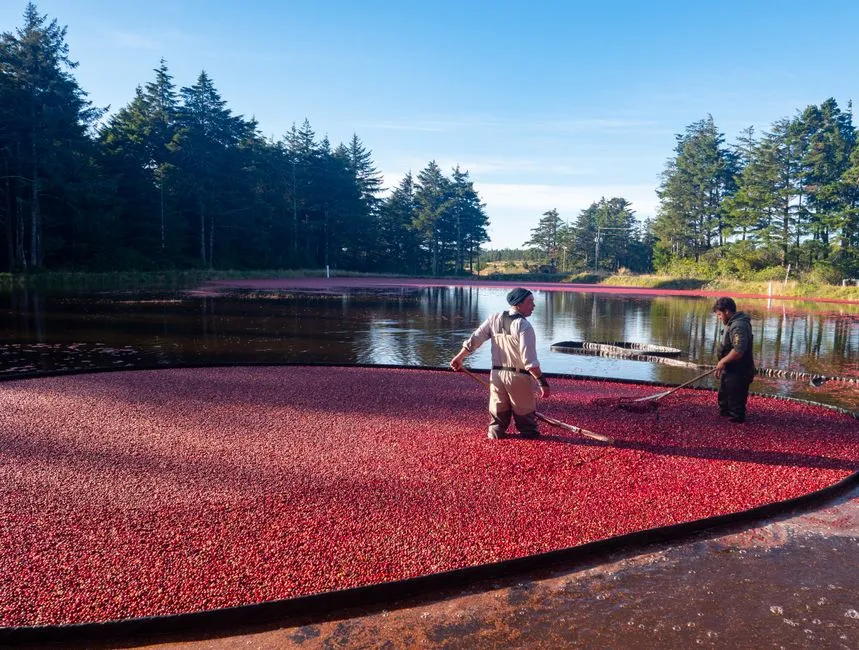
The bog is flooded with up to 18 inches of water the night before the berries are to be harvested. Timing is important. Growers watch ripeness carefully, waiting until full color develops before committing to a flood.
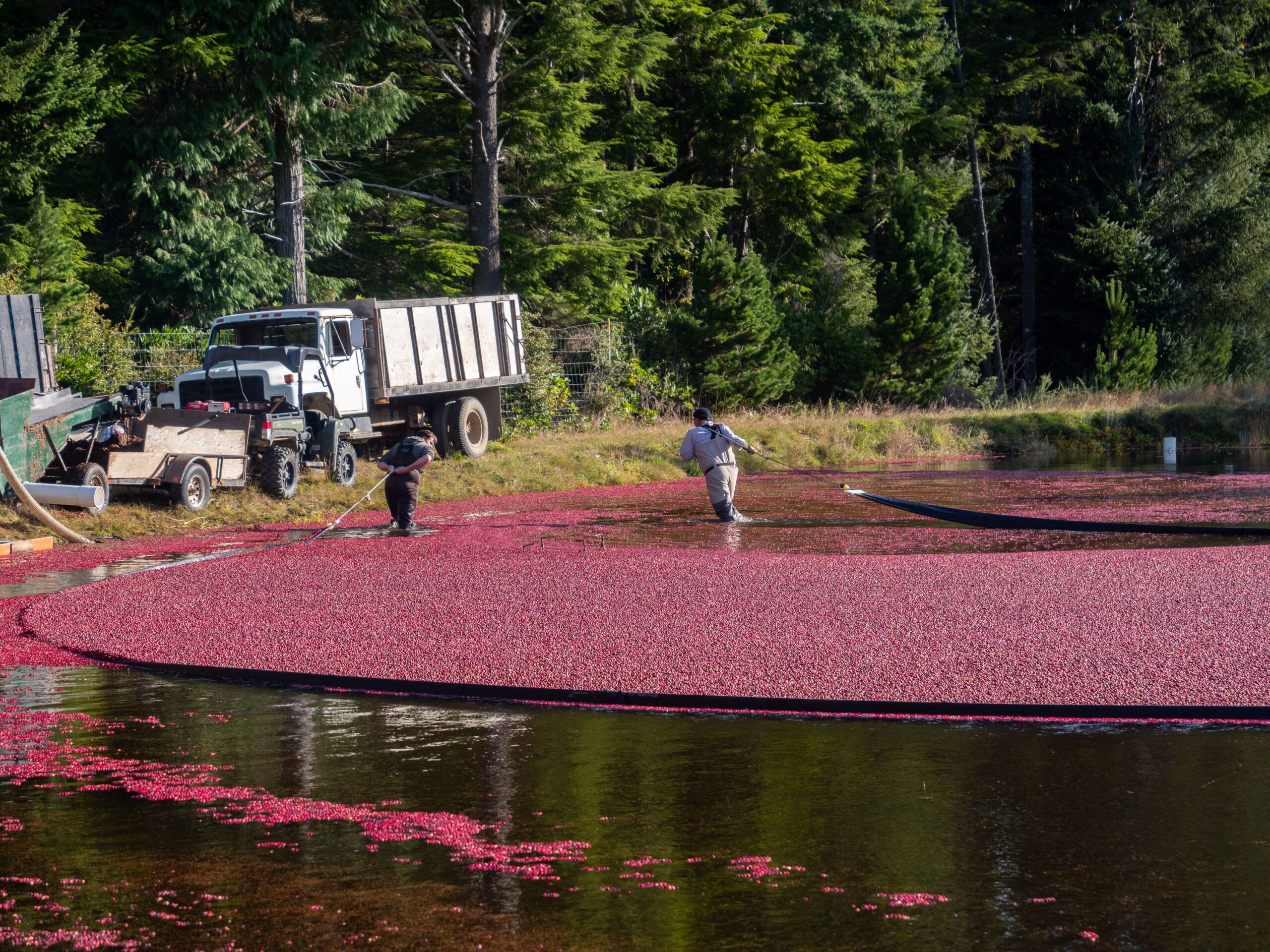
When a bed is ready for a wet harvest, growers flood it, then move a machine called a water reel through the vines. The reel loosens the berries, which rise to the surface and are gathered with floating booms. From there, they’re pumped or carried by conveyor into trucks for cleaning and processing. The whole sequence, once started, moves quickly.
Water reels, nicknamed “egg-beaters,” are used to stir up the water in the bogs. By this action, cranberries are dislodged from the vines and float to the surface of the water. Wooden or plastic “booms” are used to round up the berries, which are then lifted by conveyor or pumped into a truck to take them to the receiving station for cleaning.
Why Wet Harvesting Dominates the Industry
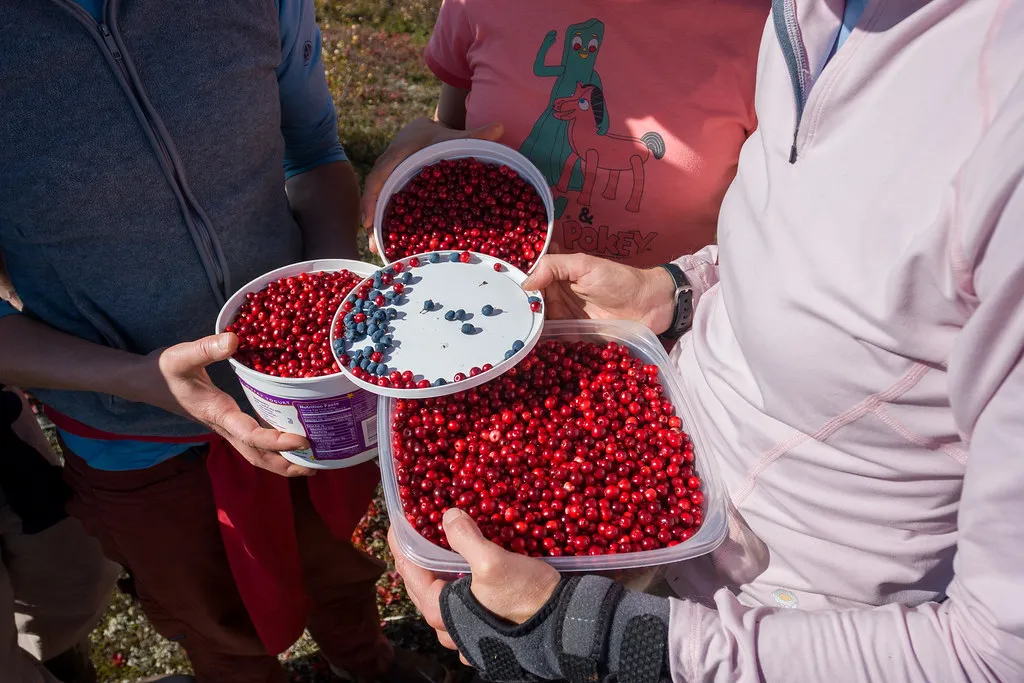
This is the dominant method. WBUR reported in November 2025 that about 95 percent of Massachusetts cranberries are wet harvested. Wet-harvested fruit mostly becomes juice, sauce, and other processed products. The sheer efficiency of the process makes it the clear commercial choice.
Dry-harvesting is a more meticulous process of combining the plants, using a large walk-behind machine, to free the berries into a burlap bag. The vines must be completely dry at harvest; any amount of moisture can delay the process until the right conditions are met. That level of sensitivity makes dry harvesting far less practical at scale.
Only about 5% of the crop is sold fresh, primarily during the holiday season. The fresh cranberries you find in produce sections every November are almost entirely the result of dry harvesting, handled with considerably more care than their wet-harvested counterparts.
The Scale of the American Cranberry Crop
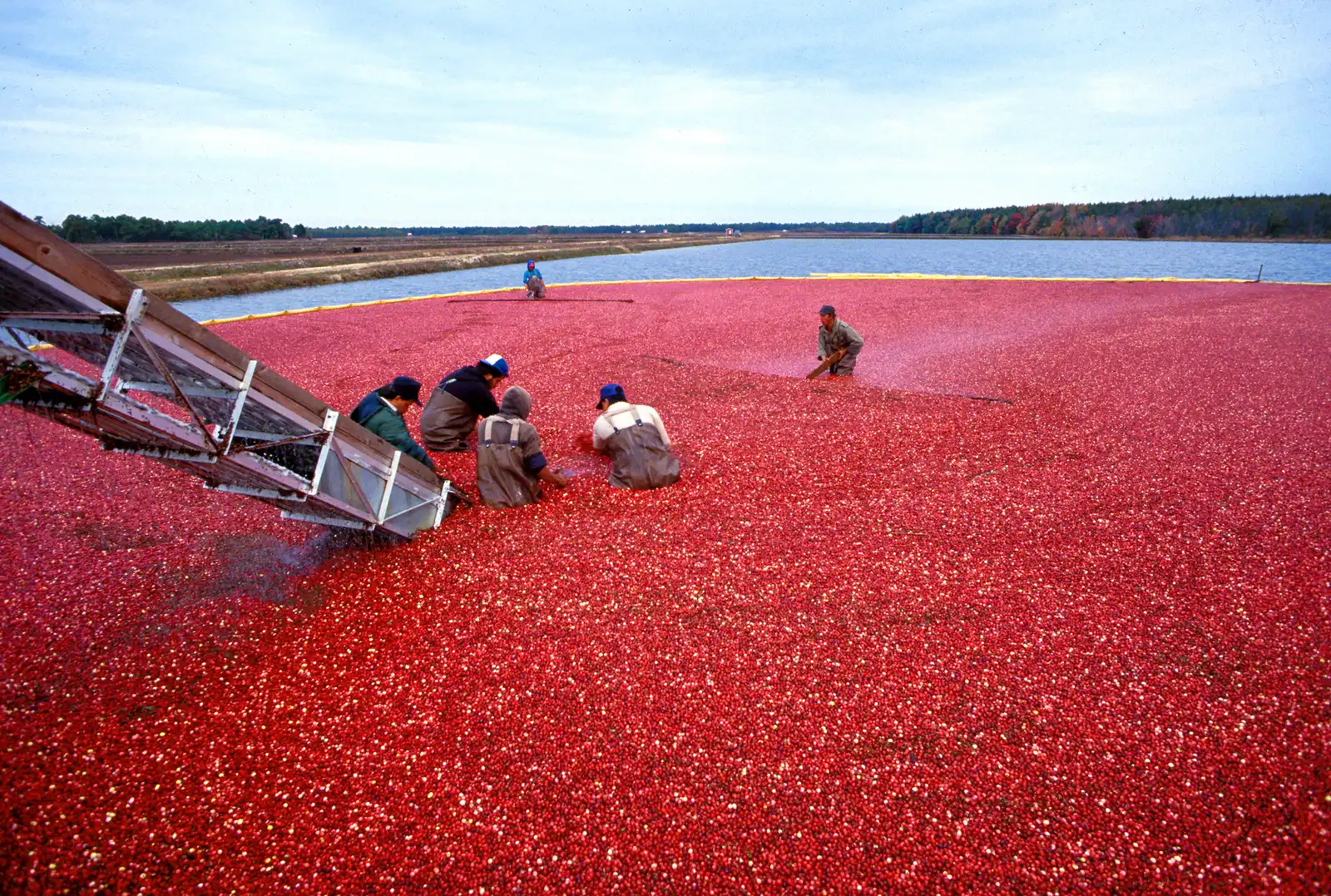
The USDA estimated the 2024 U.S. cranberry harvest at about 8.24 million barrels, roughly 824 million pounds of fruit. Here in the U.S., the cranberry king is Wisconsin, producing nearly 4.9 million barrels, around 60% of the national total.
Wisconsin’s 250 licensed cranberry growers produced 6.01 million barrels of cranberries, grown on more than 25,000 acres across 19 counties, according to the Wisconsin Cranberry Board’s 2024 final harvest report. In second place is Massachusetts, with approximately 2.2 million barrels produced in 2024.
Massachusetts’ cranberry crop alone is valued at $73.4 million, supporting over 6,400 jobs and generating $1.7 billion in annual economic activity. Those numbers give a sense of how much rides on a successful wet harvest every fall.
Winter Flooding: A Separate But Equally Important Practice
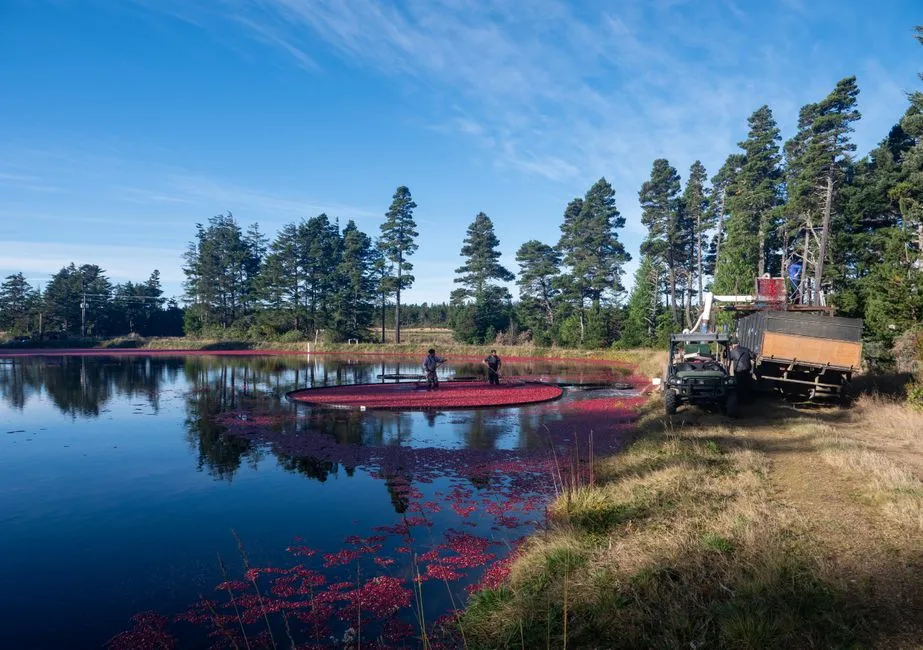
Cranberry growers in Massachusetts flood their bogs to protect cranberry vines from the frigid temperatures and drying winds of winter. The cold temperatures turn the floodwater into ice, allowing cranberry growers to access their bogs to spread sand.
In areas with freezing winter temperatures, the winter floods freeze and form a shielding layer with relatively warmer waters just under the ice layer. This form of cranberry winter care prevents major freeze injury and preserves the plants until spring thaws. It’s a layered form of insulation that growers have refined over more than a century.
The annual commercial production cycle of cranberries begins with winter flooding, which forms protective ice that shields the vines and prepares the surface for sanding, which stimulates spring growth. So the flooding isn’t just a harvest trick. It’s part of the rhythm of the entire year.
Flood Water for Pest and Weed Control
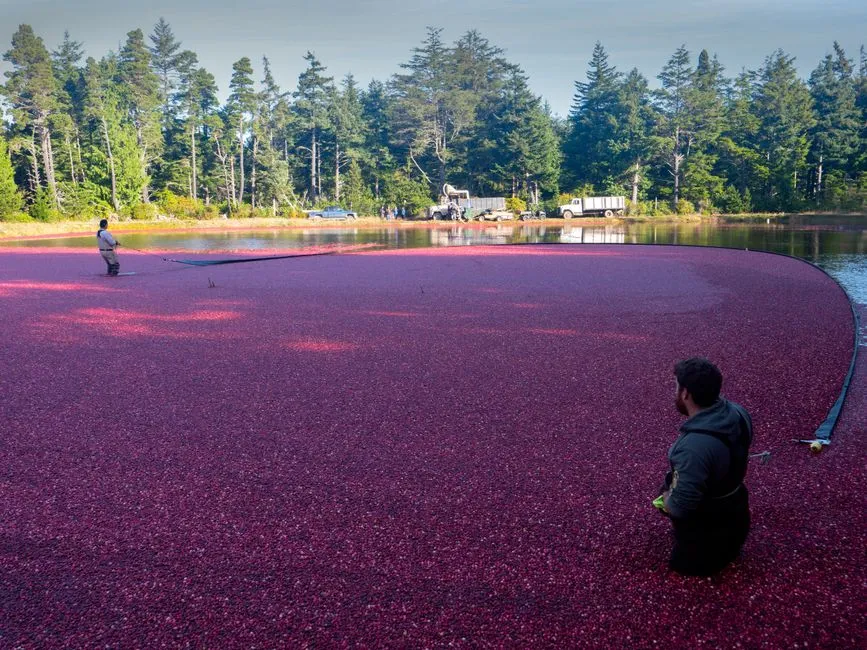
Cranberry growers use flooding as a management tool to protect the plants from the cold, drying winds of winter, to harvest and remove fallen leaves, and to control pests. The water does triple duty when managed well.
Late water controls Southern red mite – no miticide should be needed for up to two seasons. Late water also controls cutworms and cranberry fruitworm. However, because these pests can migrate back onto a late water bog, careful monitoring is required after the flood.
Sanding can aid in pest control by burying weed seeds, fungal spores, insect eggs, and over-wintering insects. The combination of flooding and sanding gives growers a natural, lower-chemical approach to managing bog health over time.
How Much Water Does a Cranberry Bog Actually Need?
It takes over 300,000 gallons of water per acre to properly flood a bog, and in typical conditions rainfall produces enough to last through the harvest with some left over for the next year. However, in the fall of 2024, Massachusetts reached a critical drought level and the rainfall was well under the typical 44 inches a year. That drought pressure had real consequences for growers.
Flooding is so important in cranberry cultivation that bogs where flooding is not possible are no longer considered profitable. That’s a striking statement, and it reflects how deeply water access shapes the entire economics of cranberry farming.
As a general rule, each acre of cranberries will use seven to ten feet of water to meet all production, harvesting, and flooding needs. Managing that volume across dozens of acres, season after season, takes serious infrastructure and planning.
Drought and Water Scarcity: A Growing Pressure on Growers
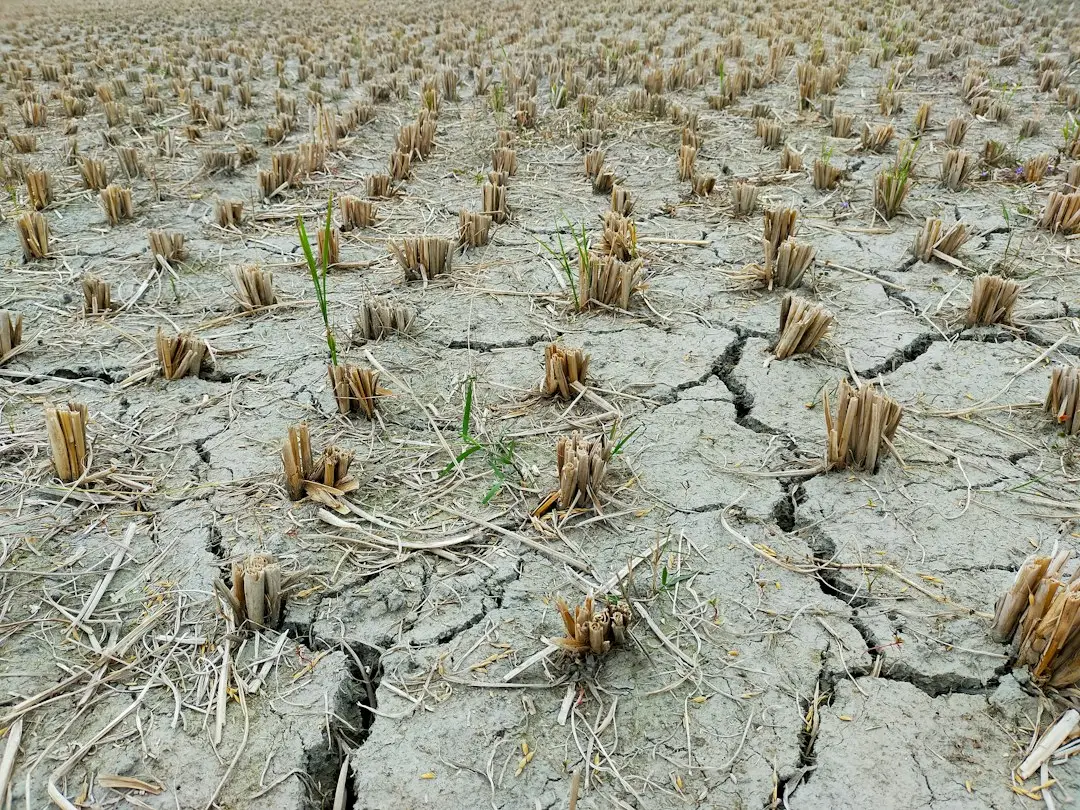
In 2025, the U.S. cranberry crop is forecast at 8.13 million barrels, a decrease of 9 percent from 2024 but close to the 5-year average of 7.95 million barrels. The year-to-year variation often comes down to water availability as much as any other factor.
Massachusetts’ 2025 harvest is forecast at 1.75 million barrels, a 22-percent decrease from 2024 and 19 percent below the average of the previous 3 years due to dry growing conditions. That kind of swing illustrates how precarious water-dependent farming can be in a changing climate.
Family farms have also begun to lose their efficiency in growing when competing with the large industrial cranberry marshes in Wisconsin. As these bogs die out, federal programs have begun to convert them back to wetlands. The pressures of drought, cost, and scale are reshaping the landscape of American cranberry farming in ways that weren’t visible a decade ago.
The Bog Itself: Built for Flooding from the Start
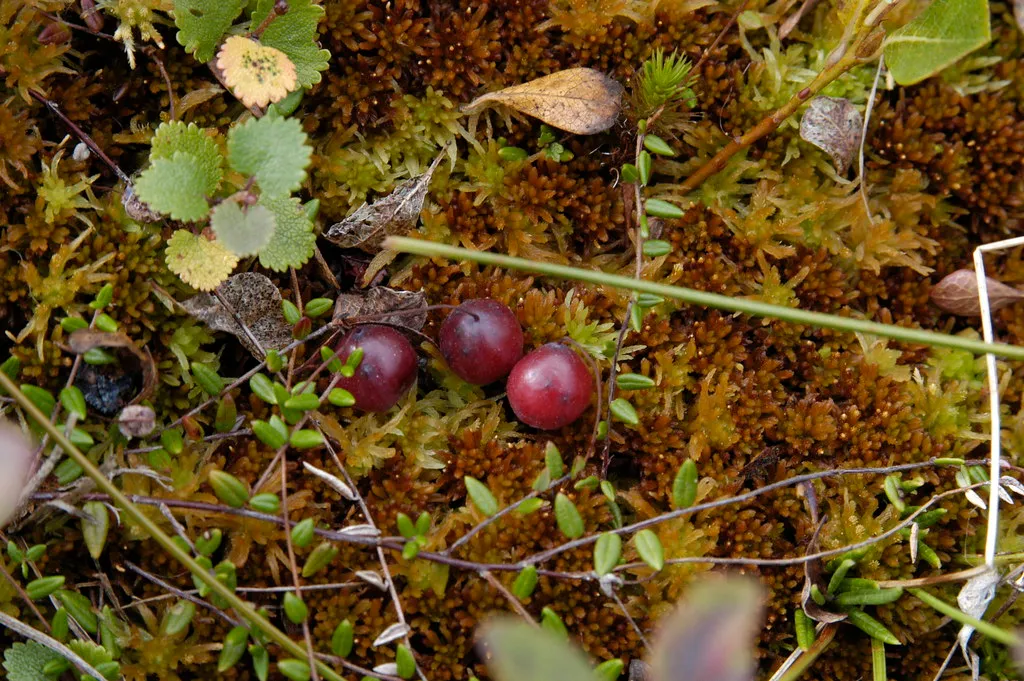
For commercial production, cranberries thrive in uniquely engineered wetland environments – bogs built atop beds of sand, peat, gravel, and clay. The geography is not accidental. These are purpose-built systems designed to hold and move water with precision.
Today’s cranberry bogs include a system of ditches, flumes, and ponds surrounding the growing area, to facilitate irrigation and flooding. The infrastructure surrounding a working bog is often more complex than it looks from the road. Water must flow in, be held, and drain away on a carefully managed schedule.
Massachusetts bogs sit in marshy lowlands that retreating glaciers carved out about 12,000 years ago, according to a November 2025 report in the Christian Science Monitor. The natural landscape, shaped by glacial retreat, turns out to be almost perfectly suited for the kind of controlled flooding that modern growers depend on.
The Takeaway
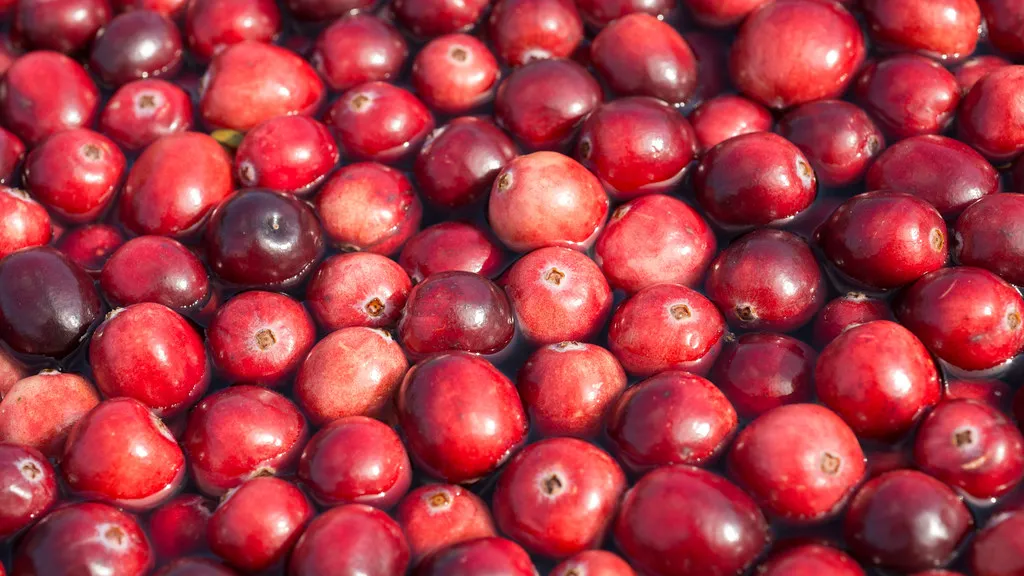
The flooded cranberry bog is one of agriculture’s most memorable images, but the full story behind it is more layered than most people realize. Flooding isn’t just a harvest trick. It’s a year-round management strategy covering everything from pest suppression and vine protection to the economics of water access in a warming climate.
What growers have built over generations is a farming system that works with the natural physics of the fruit itself – four tiny air pockets per berry – scaled up to produce hundreds of millions of pounds annually. The water isn’t incidental. It’s the whole point. And the bogs that can’t flood reliably, as recent drought seasons in Massachusetts have shown, are the ones most at risk of disappearing altogether.
AI Disclaimer: This article was created with the assistance of AI tools and reviewed by a human editor.