
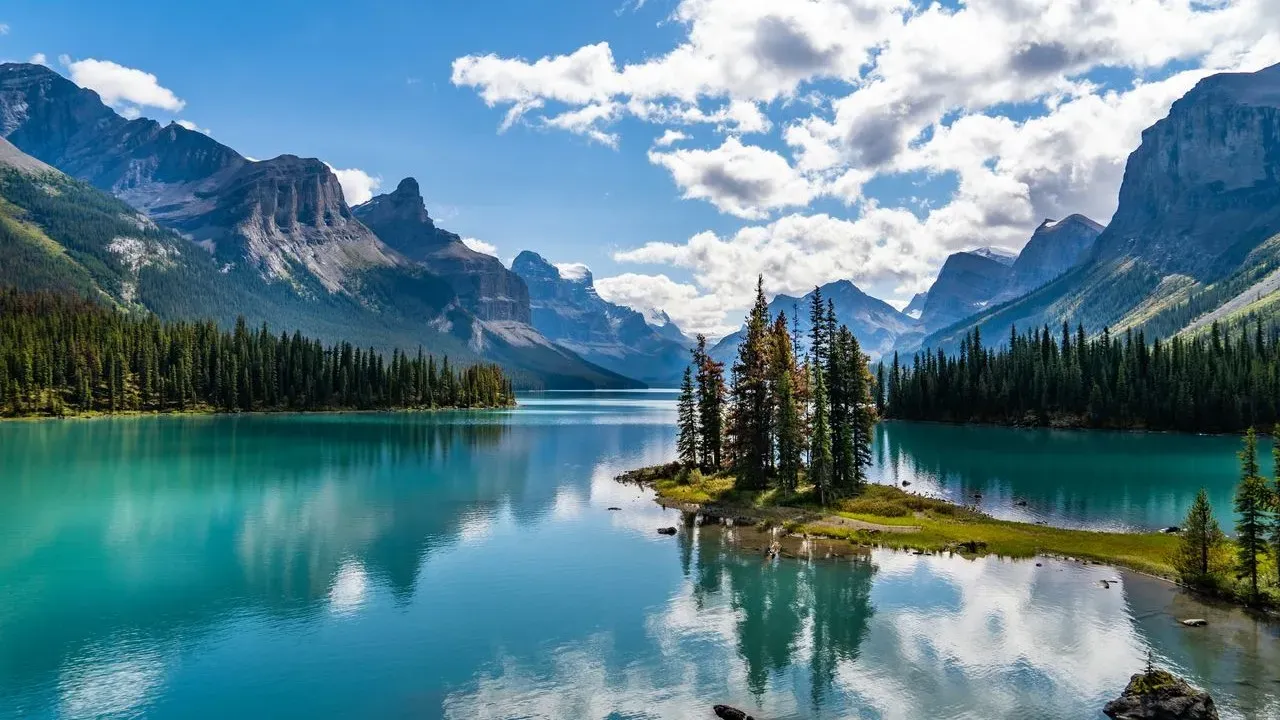

Canada stretches across six time zones and nearly 10 million square kilometres of diverse terrain. A trip linking the glacier-carved peaks of the Rockies with the rugged coastline of Nova Scotia’s Cabot Trail captures only a portion of this immense country, yet it offers profound encounters with its natural and cultural landscapes. Such an undertaking requires careful thought about timing, access, and respect for the environments traversed. ([1])
The Immensity of the Canadian Landscape
Canada’s sheer scale shapes every aspect of travel across it. From the high alpine ridges of the west to the forested interior and finally the Atlantic shore, each region presents distinct ecosystems and rhythms. Travellers who attempt to connect these places in one journey quickly learn that distance is not measured only in kilometres but in the time needed to absorb what each setting reveals.
Planning therefore begins with an honest assessment of what is feasible. Many visitors choose to experience the route in stages over multiple trips rather than rushing the full distance in a single season. This approach allows deeper engagement with local conditions and reduces pressure on popular sites.
Discovering the Canadian Rockies
The Rockies serve as a powerful introduction to Canada’s wild character for many international travellers. Banff and Jasper national parks draw visitors with their dramatic peaks and turquoise lakes, yet the most rewarding experiences unfold on foot along established trails. Routes such as the Skyline Trail in Jasper or the Plain of Six Glaciers near Lake Louise reward those who rise early and move steadily through changing elevations.
Wildlife sightings add another dimension to these hikes. Grizzly bears, elk, and mountain goats inhabit the same valleys travellers pass through, particularly along the Icefields Parkway. Maintaining distance and following established safety practices protects both animals and people while preserving the sense of wildness that defines the region.
Travelling Through the Heart of the Country
Moving eastward from the mountains reveals landscapes that receive less attention on postcards yet hold their own quiet appeal. The prairies give way to the lake country of Ontario, where Algonquin Provincial Park offers extensive canoe routes and forested shorelines. Autumn transforms these woodlands into vivid displays of colour, creating opportunities for slower, more reflective travel.
Overland segments of the journey highlight the transitions between ecosystems. Rather than flying directly to the coast, travellers who continue by road or rail gain a fuller sense of how Canada’s interior connects its distant coasts. This middle stretch often becomes the part of the trip that lingers longest in memory.
Reaching the Cabot Trail and Atlantic Coast
The Cabot Trail on Cape Breton Island marks the eastern end of such a cross-country route. Its 298-kilometre loop climbs through highlands and descends toward the Gulf of St. Lawrence, offering sweeping views of both ocean and interior valleys. Short hikes such as the Skyline Trail or Franey Trail provide access to headlands where whales may appear offshore and where the light shifts dramatically at sunset.
Beyond the viewpoints lies a living cultural landscape. Gaelic and Acadian traditions continue in music sessions, boat-building practices, and community gatherings. Allowing time for these elements alongside the natural scenery creates a more complete picture of the region and supports local ways of life.
Thoughtful Preparation for a Meaningful Trip
Responsible planning centres on timing and access. Summer months bring longer days and trail availability in the Rockies, while September often brings fewer crowds and striking autumn foliage. In the Maritimes, late summer and early autumn align well with coastal conditions and seasonal activities.
Backcountry permits and park reservations require advance attention, as popular routes can fill months ahead. Bear safety practices, including proper food storage and awareness of local guidance, form part of ethical travel in these environments. One-way vehicle arrangements and weather variability also deserve consideration when distances span thousands of kilometres.
Canada’s wilderness ultimately rewards those who approach it with patience. The country’s vastness means no single journey can encompass everything, yet a thoughtfully paced route from the Rockies to the Cabot Trail can deliver lasting encounters with its scale, beauty, and diversity.
AI Disclaimer: This article was created with the assistance of AI tools and reviewed by a human editor.