
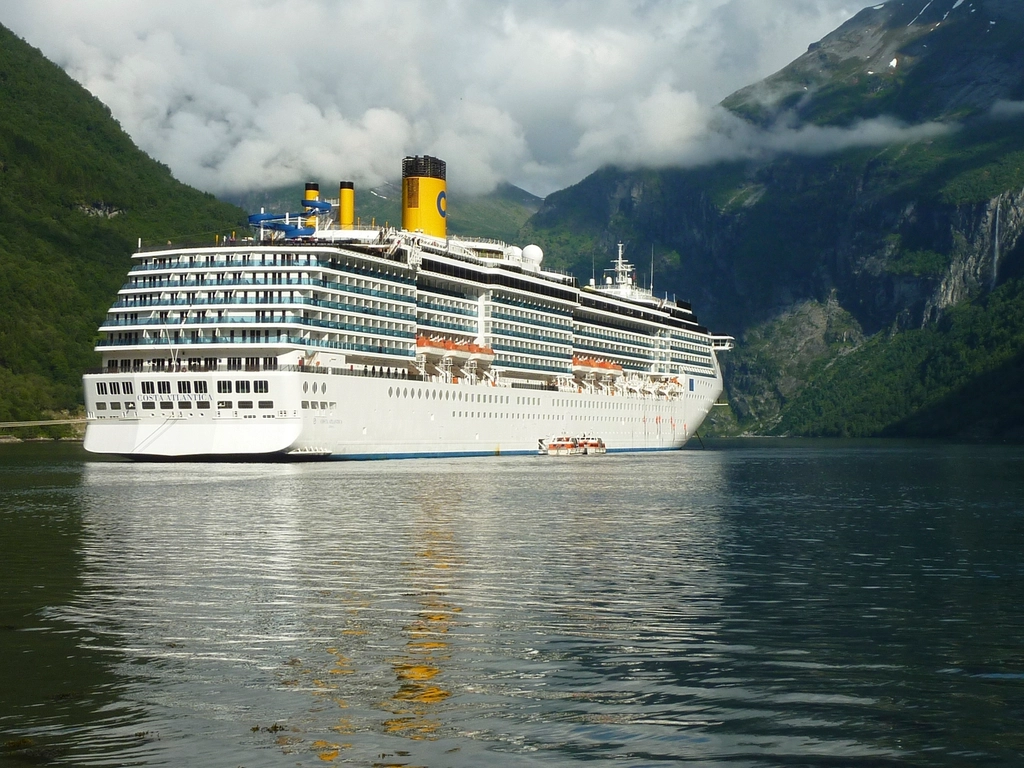
One Long Blast: We Are Leaving the Dock
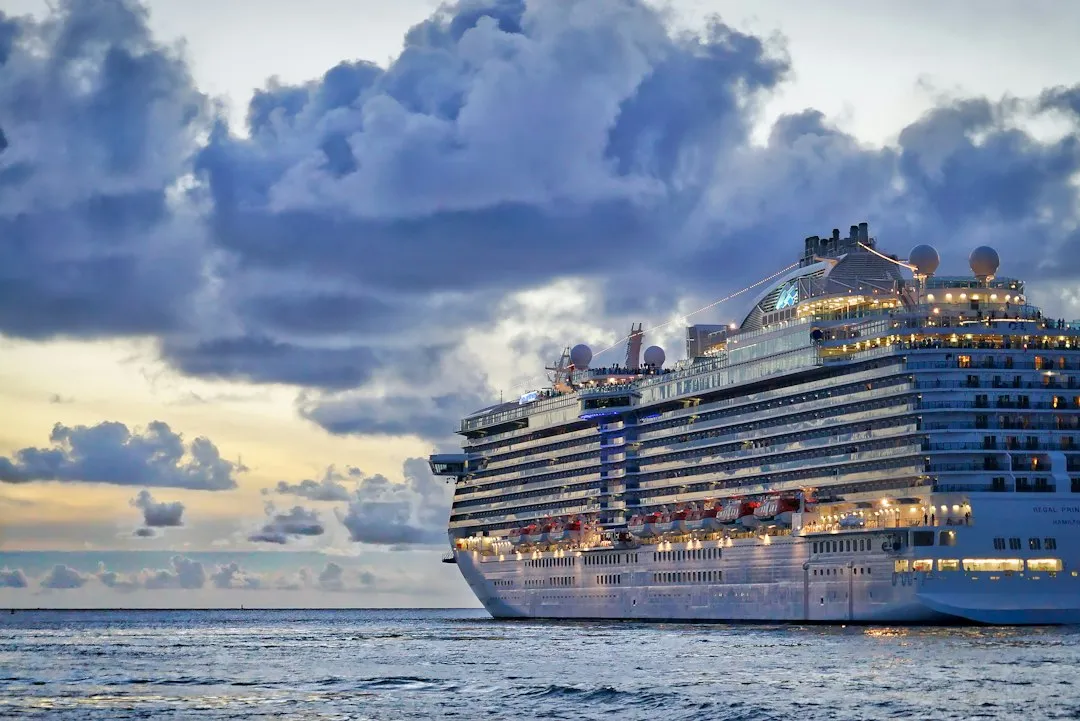
The first sound most cruise passengers ever notice is a single prolonged blast as the ship pulls away from the pier. A single blast lasting about four to six seconds means that the ship is leaving the dock. It is essentially the ship’s way of announcing its movement to every nearby vessel, port worker, and harbor craft.
Maritime navigation rules distinguish between short and prolonged horn blasts. A short blast lasts approximately one second, while a prolonged blast generally lasts between four and six seconds. That duration difference matters enormously at sea, where a split-second misread can carry serious consequences.
One Short Blast: Turning to Starboard
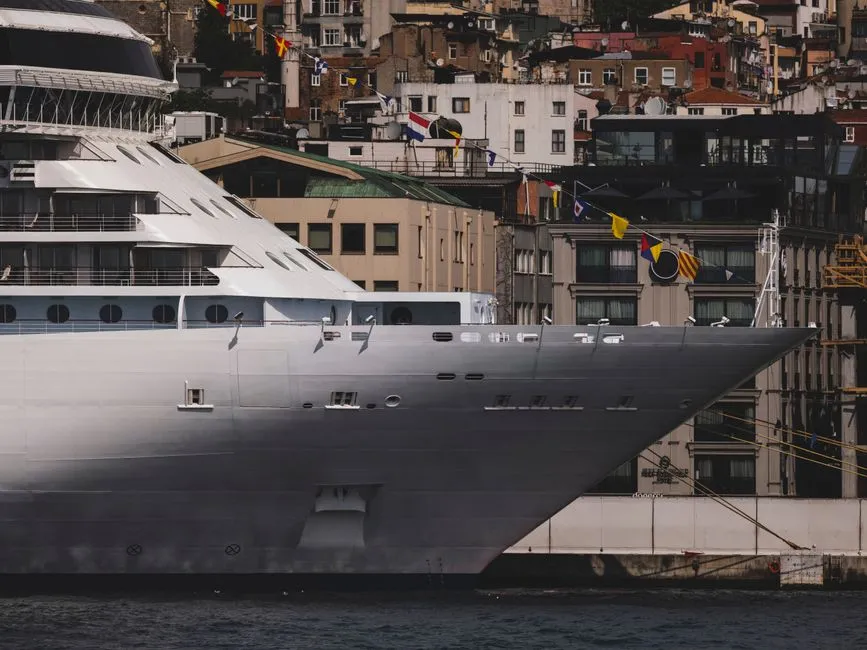
Under COLREGS, one short blast on a ship’s horn means “I am altering my course to starboard (right).” This is one of the most frequently heard signals when a cruise ship is navigating through a busy port channel or adjusting its heading near traffic.
A critical distinction exists between international and inland rules. Under international COLREGS, signals indicate action happening currently. Under U.S. Inland Rules, signals indicate intent and require agreement from the other vessel. So that single blast carries a slightly different meaning depending on exactly where in the world the ship happens to be.
Two Short Blasts: Turning to Port
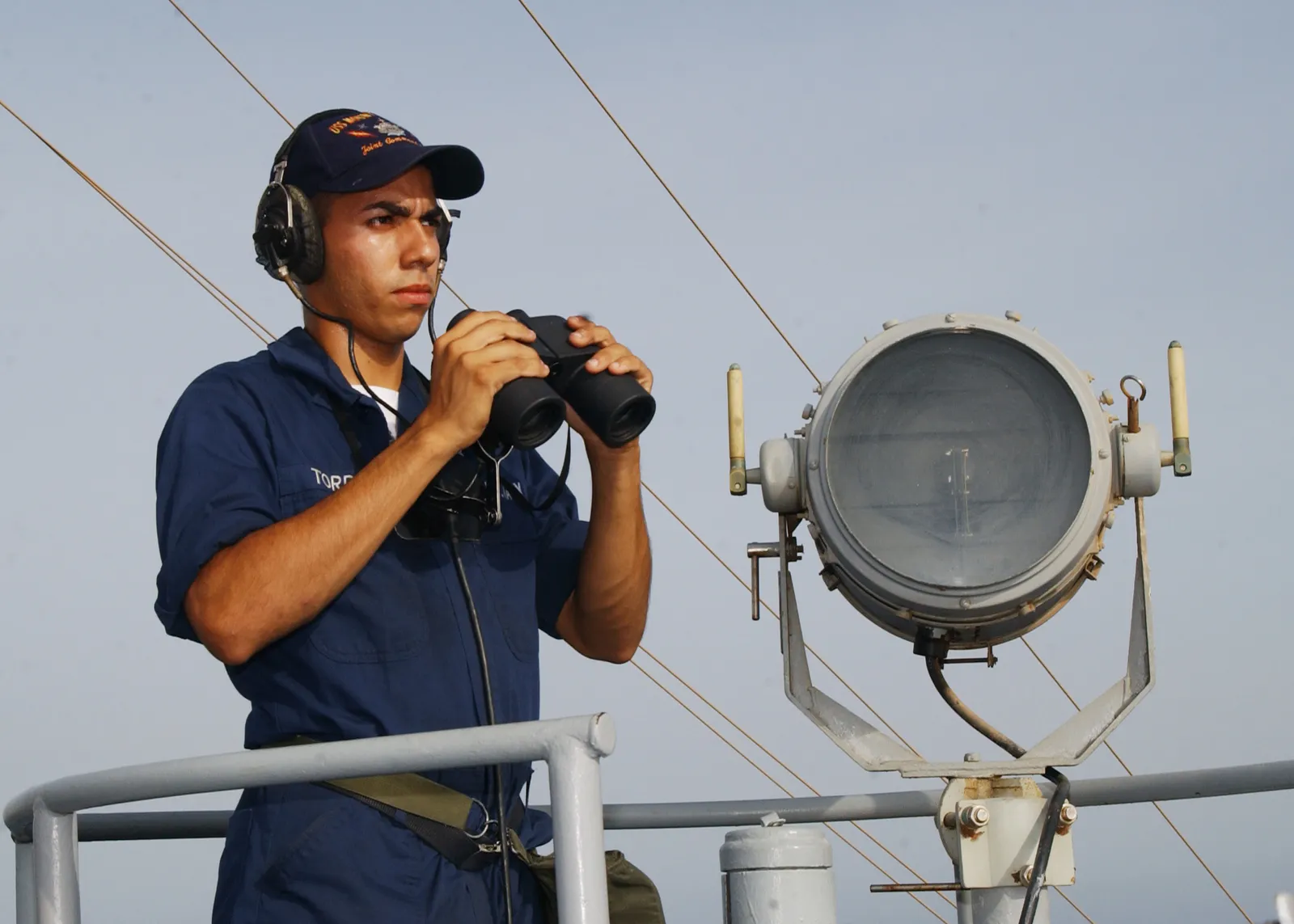
Two short blasts mean “I am altering my course to port,” which is the left side of the vessel when facing forward. Passengers standing on the ship’s port side deck might notice the ship beginning to arc in that direction shortly after hearing this signal from the bridge.
The signals are common across the whole of the maritime sector and are accepted and understood regardless of the language spoken by those on board. That universality is genuinely remarkable. Two short blasts in the port of Miami carry the same immediate meaning as two short blasts in the port of Singapore.
Three Short Blasts: Engines Going Astern
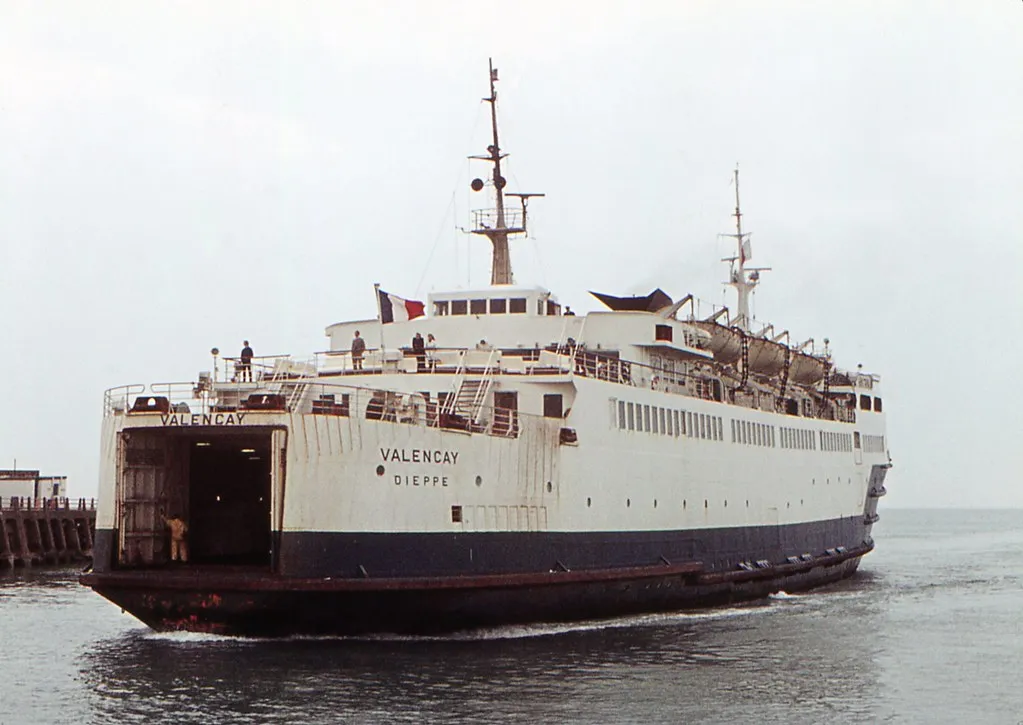
Three short blasts of a horn indicate that a vessel is operating in reverse, or moving astern. This signal is an essential part of the maritime sound signals used for communication between vessels, helping boaters navigate safely, especially in crowded or restricted waters.
In simpler terms, the ship’s engines are being used to move or help maneuver the vessel backward. Passengers may hear this signal while a cruise ship is backing away from a dock or adjusting its position near a port. It is worth noting that this does not always mean the ship is physically moving backward – it means reverse propulsion is being applied, sometimes just to slow the vessel down.
Five or More Short Rapid Blasts: The Danger Signal
Five or more short rapid blasts are the danger or doubt signal under COLREGs Rule 34. It means the signaling vessel does not understand the other vessel’s intentions or believes a collision risk exists. Respond immediately by assessing your position and taking evasive action.
Hearing five rapid blasts does not necessarily mean a collision is about to occur, but it does indicate that the bridge crew is concerned about another vessel’s movements. On the bridge, the atmosphere sharpens immediately when this signal goes out. Every officer on watch knows it demands an urgent, undivided response.
One Prolonged Blast Every Two Minutes: Navigating in Fog
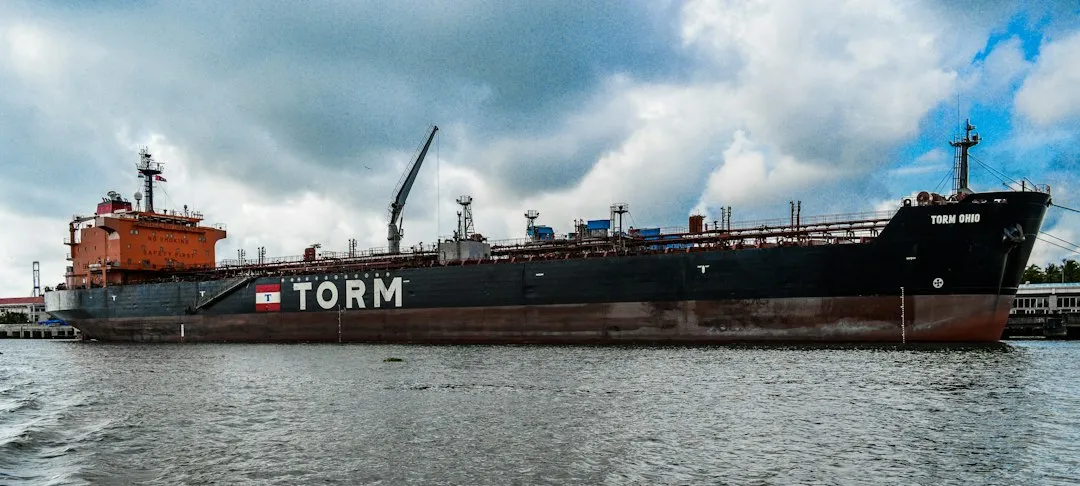
When visibility is limited, such as during fog, heavy rain, or at night, vessels must use maritime horn signals regularly to communicate and inform others of their location and intended actions. For power-driven vessels making headway, that means one prolonged blast repeated every two minutes as a positional alert to any ship that cannot see them.
Maritime sound signals serve as critical communication between vessels, particularly when visibility drops to nothing, and navigation relies entirely on instruments. Fog, rain, or darkness transforms sound signals from regulatory compliance items into essential safety tools, preventing collisions. Modern radar helps, of course, but the horn remains an irreplaceable layer of protection.
Two Prolonged Blasts Plus Short Blasts: Overtaking Signals
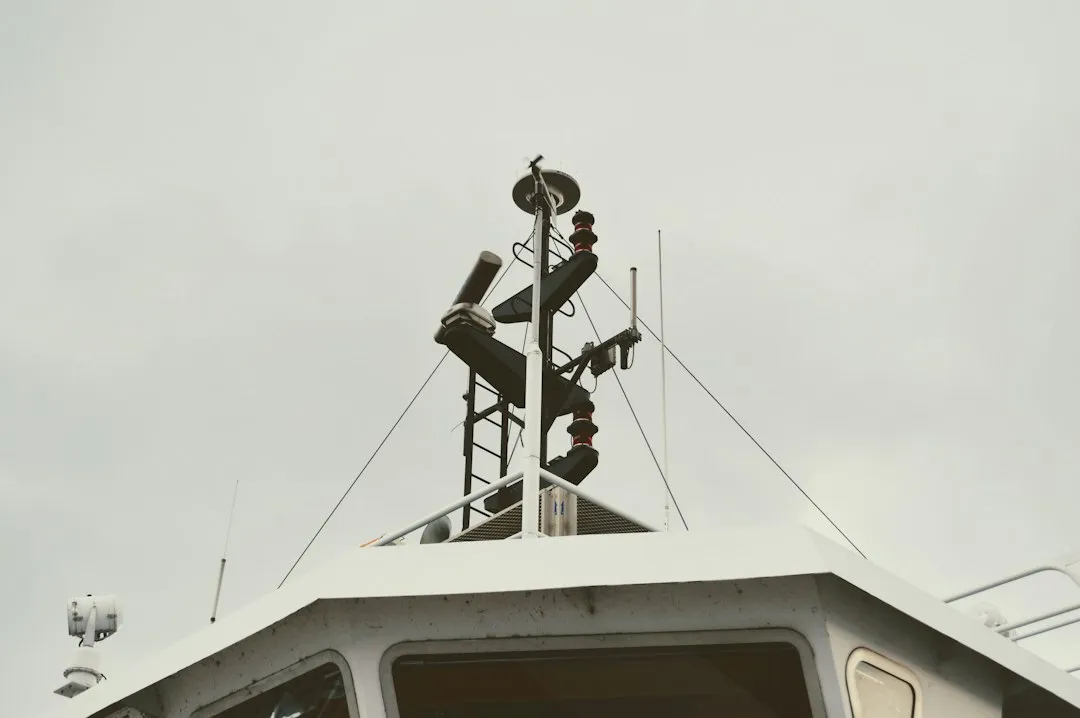
When a large cruise ship needs to pass another vessel in a channel or narrow fairway, the horn becomes the medium for a formal conversation between two bridges. Two prolonged blasts plus one short blast means “I intend to overtake you on your starboard side.” Two prolonged blasts plus two short blasts means “I intend to overtake you on your port side.”
The vessel that is about to be overtaken should reply with the same signal if the intentions are safe to carry out, or five short blasts if it is unsafe. The entire exchange can unfold in under a minute, yet it represents a binding navigational agreement between two crews who may not share a spoken language.
One Prolonged and Two Short Blasts: Vessels Restricted in Maneuverability
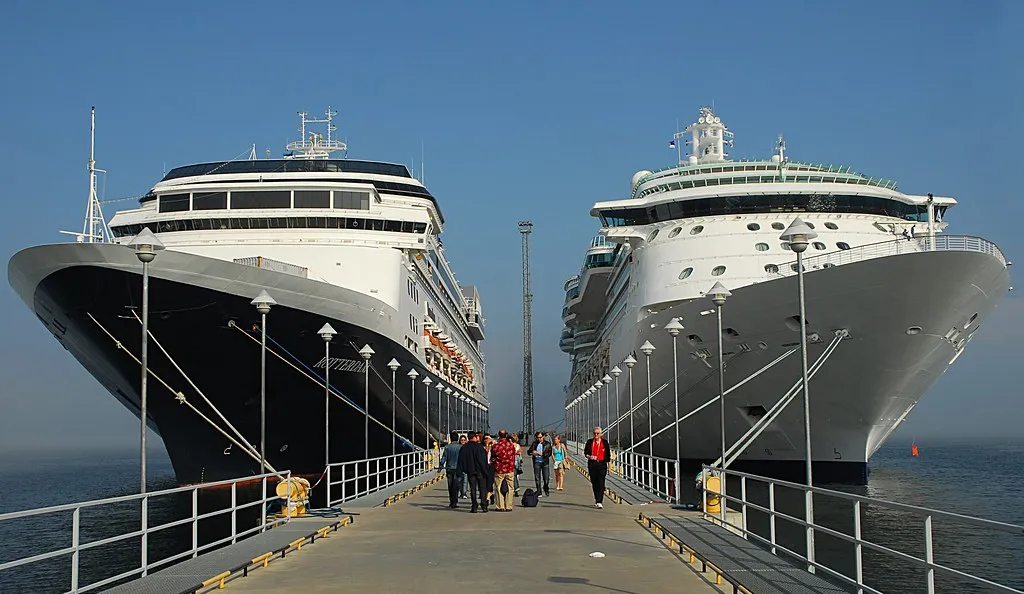
Sailing vessels, fishing boats, or any vessels restricted in their ability to maneuver should use one prolonged blast followed by two short blasts every two minutes. A cruise ship officer hearing this pattern in reduced visibility immediately understands they are sharing waters with a vessel that cannot get out of the way easily, and adjusts accordingly.
This is one of the more nuanced signals in the COLREGS system, because it applies to a wide range of situations: a vessel dredging, a vessel towing a large load, or a sailing vessel under sail alone. There are over a dozen different combinations of signals that ships can sound on their whistles to communicate with other ships, and the majority of them are prescribed in the International Rules for Preventing Collisions at Sea.
Seven Short Blasts and One Long Blast: General Emergency
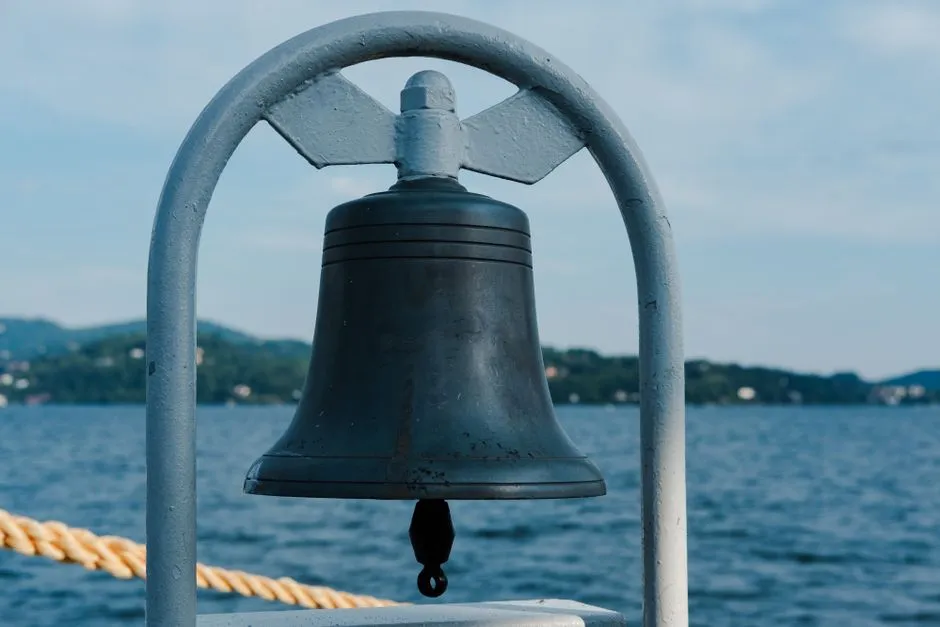
The general emergency signal is composed of seven or more short blasts followed by one long blast on the ship’s whistle and internal alarm system. This is the signal that every passenger encounters at the mandatory muster drill, and it is the one that carries the most weight if heard at any other time during the voyage.
It is not tied to one kind of emergency. Fire, flooding, collision, grounding: the same signal sends every person on board to their muster station. The signal is set by the International Maritime Organization under SOLAS, Chapter III, and it is the same on cruise ships, cargo vessels, tankers, and ferries. The alarm has to run off both the main and the emergency power supply, so it still sounds when the ship loses power.
Seven short blasts and one long blast is the General Emergency Alarm under SOLAS. It means go to your muster station. It does not mean abandon ship. The order to abandon ship, if it ever comes, is given by the master by voice over the public address system.
The Social Horn: Salutes, Departures, and Port Traditions
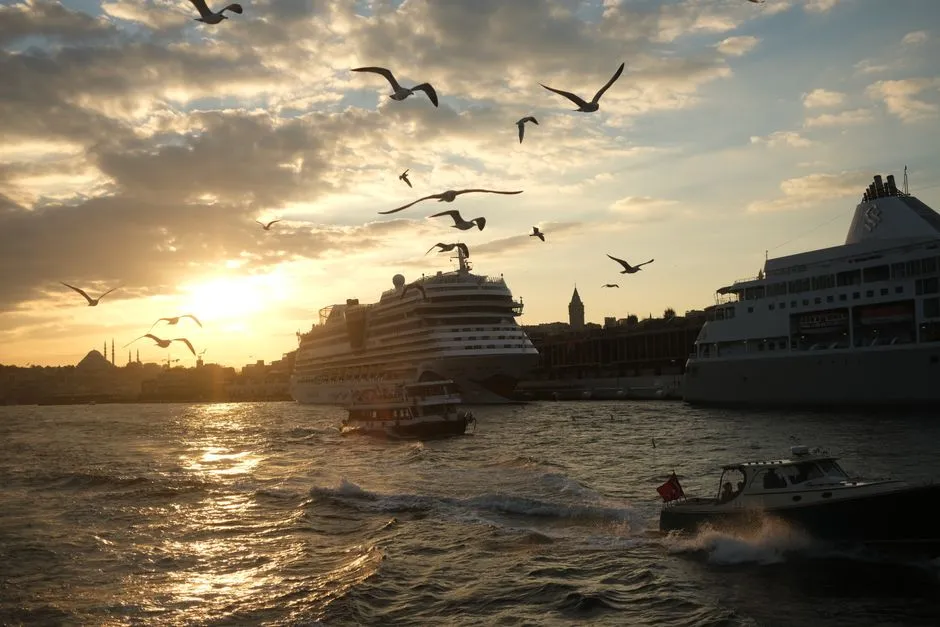
Not every horn blast you hear from a cruise ship is a navigational signal. There is an informal side to ship horn culture that deck officers tend to enjoy. Cruise ships will often sound their whistle as they pass a sister ship, or when leaving port. There is no legal or company obligation to do this, but it lets the passengers on board know that they are passing another cruise ship and adds a little to the experience.
It is all very friendly, and there is no real winner. It is most commonly done as a goodbye when one ship is about to leave the port, so it is just a fond farewell to the other ship. For many passengers, this is the horn signal they remember most fondly, even if it is the one that carries the least formal weight under maritime law.
The Quiet Authority Behind Every Blast
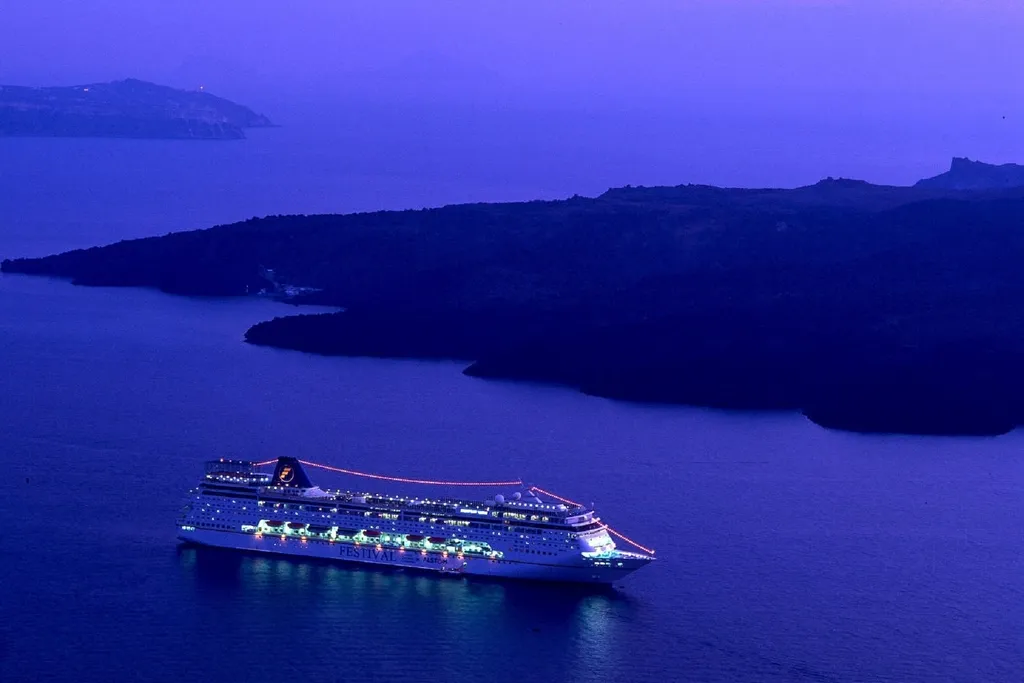
There is something quietly remarkable about a system of communication this old still functioning at the center of modern maritime operations. Ship horns and fog horn signals are governed by international legislation set by the IMO. These regulations specify the types of signals that ships must use in different situations, as well as the duration and frequency of each signal.
Each blast follows standardized timing, pitch, and duration to ensure clarity across language barriers and nighttime conditions. Whether the ship is in Norwegian fjords, the Caribbean, or Southeast Asian straits, the code remains identical. That consistency is itself a kind of trust that the international maritime community has maintained for generations.
The next time a cruise ship sounds its horn, the sound is less dramatic announcement and more precise sentence – a line of communication in a language that predates radio, satellite, and every navigation screen on the modern bridge.
AI Disclaimer: This article was created with the assistance of AI tools and reviewed by a human editor.