
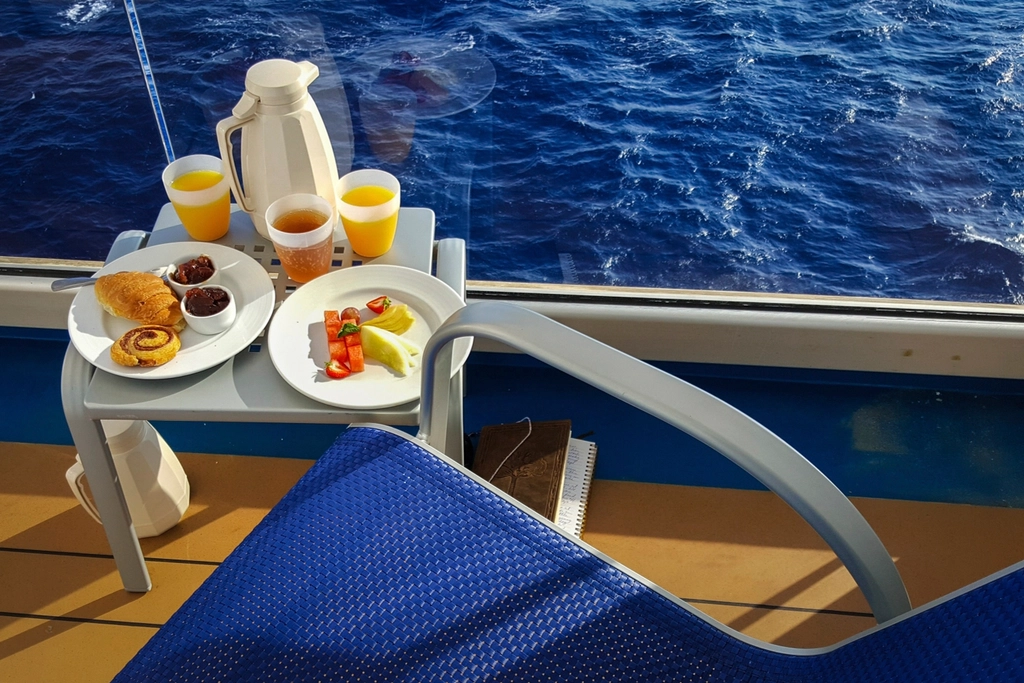
There’s a quiet ritual that repeat cruisers have figured out, and first-timers almost never hear about it until they’re already home. It happens on the first evening aboard, usually before the dining room gets busy, and it takes less than two minutes. The people who do it eat noticeably better all week long.
It comes down to a single, simple request, made to the right person at the right time. The rest of the dining experience, the same familiar face bringing your food, a waiter who remembers that you skip the bread basket, a table in your preferred corner of the room, follows naturally from that one moment of connection on day one.
The One Request That Changes Everything
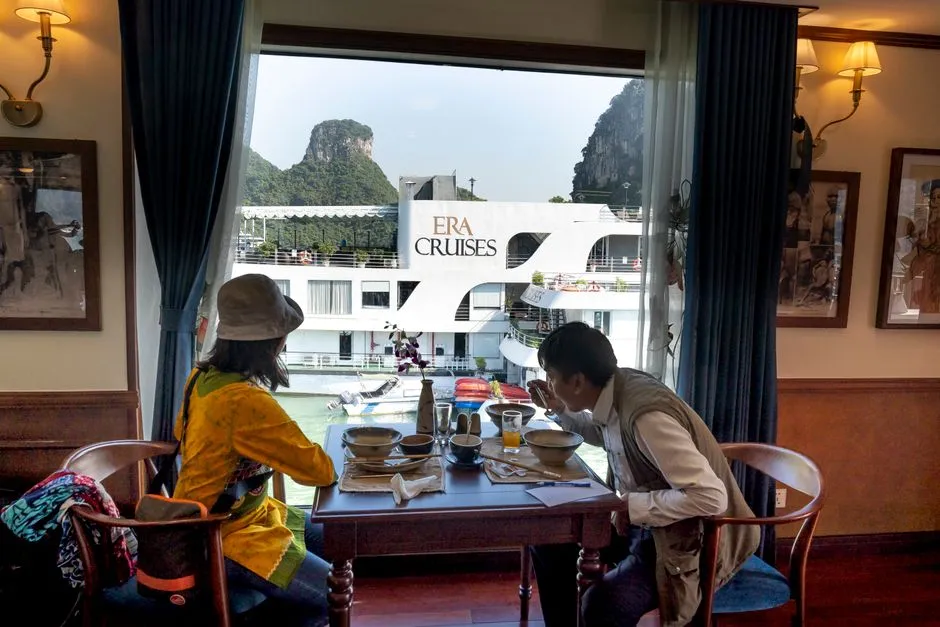
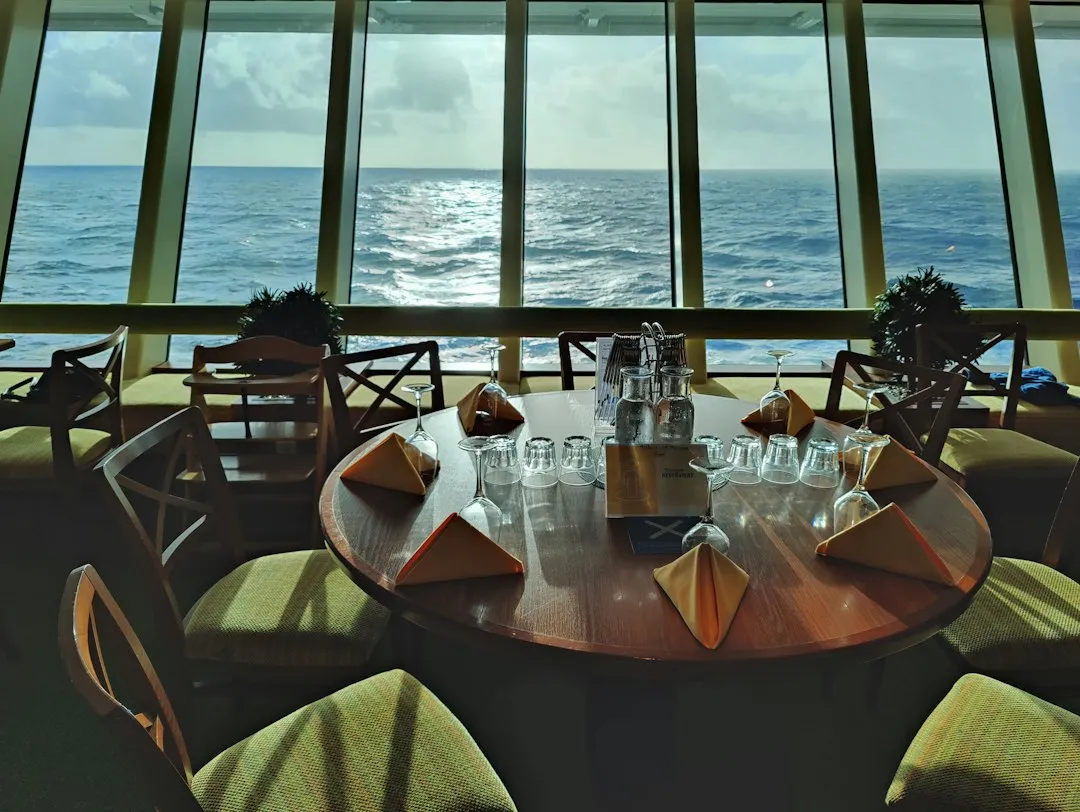
Walking into the main dining room on night one, finding a table you love, one with good lighting, away from kitchen noise, close to a window, and simply telling your waiter or the maître d’ that you’d like that same spot each evening is the move most seasoned cruisers swear by. It sounds almost too simple, but it works precisely because it is simple. If you like the table and waitstaff you are assigned on the first night, telling the maître d’ you’d like that table every night means that if it’s possible, they will make it happen for you.
The key is asking early and asking pleasantly, not as a demand, but as a preference. Embarkation day, before the first dinner service, is the ideal window. The dining room is still calm, the maître d’ is accessible, and changes are easy to lock in. By the time the rush of the first night hits, preferred spots are already spoken for by those who arrived with a quiet, polite request in hand.
Why Embarkation Day Is the Only Window That Matters
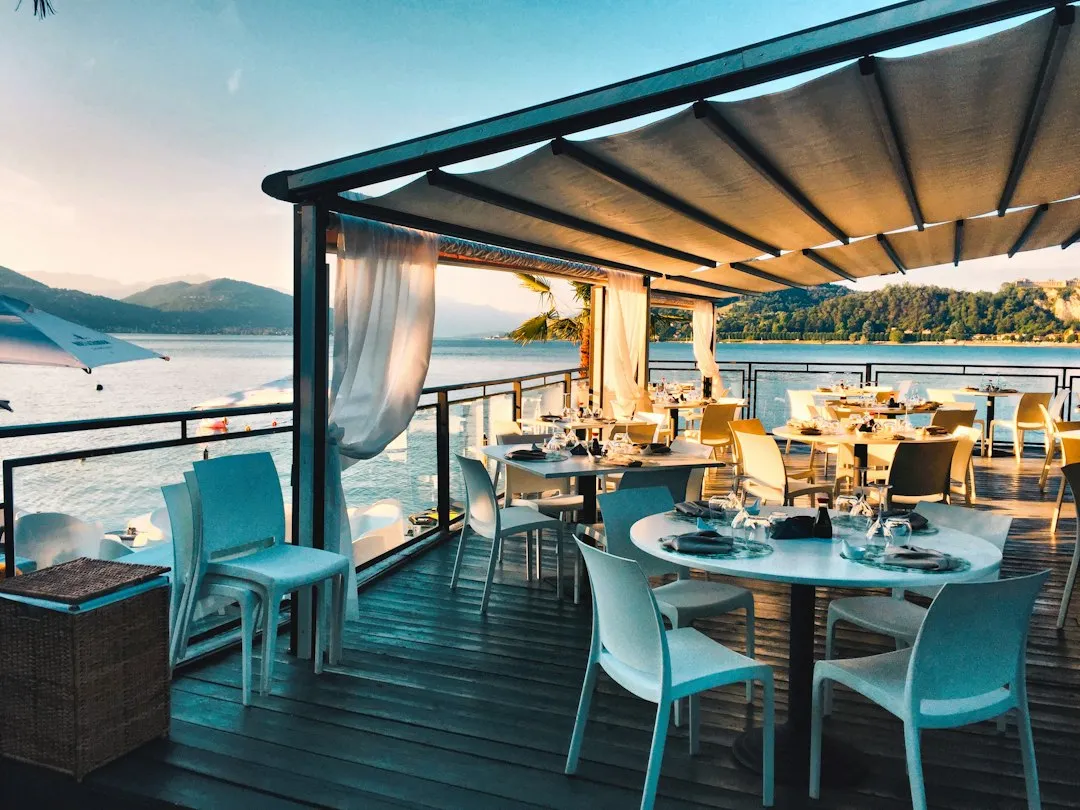
Dining plans can often be changed after boarding, but embarkation day is the best time to request a different seating time or table. Most passengers spend that first afternoon exploring the ship or settling into their cabin. The ones who walk straight to the dining room and introduce themselves to the maître d’ are the ones who secure exactly what they want. Passengers who wait until night two or three often find their preferred table already claimed.
Requests made before the very first dinner service get prioritized far more often than anything asked for mid-week, once the good tables are already assigned. Passengers who catch the maître d’ on day one end up eating at the hour and in the spot they actually wanted, every single night of the cruise. That timing difference, hours on the first day versus days into the voyage, is the gap between getting what you want and missing out entirely.
The Maître d’ Is the Person You Actually Need to Know
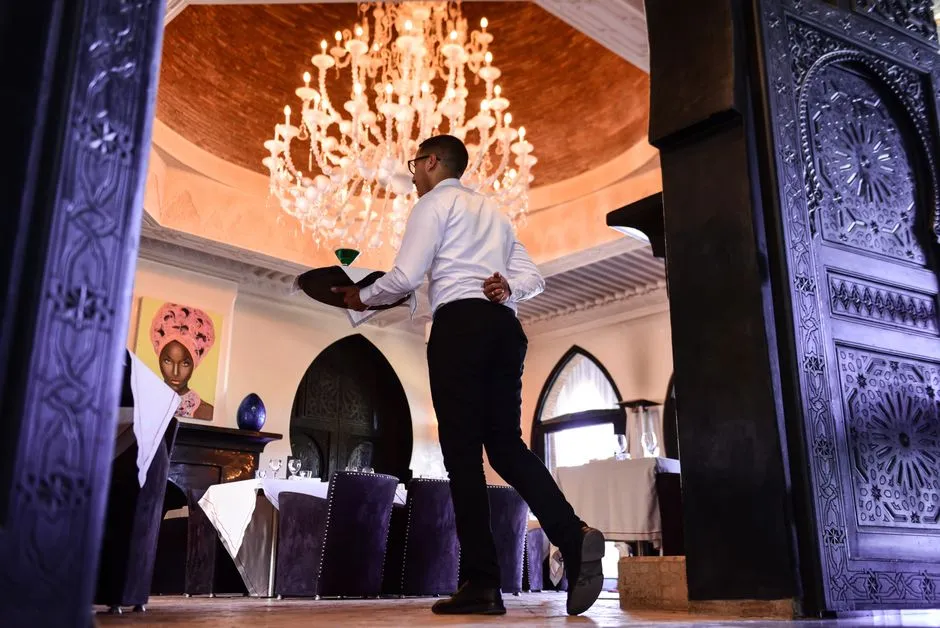
The maître d’ controls table assignments, dietary coordination, special-occasion planning, and off-menu accommodations, often all at the same time. Most passengers walk straight past this person every evening without a word. Yet a warm introduction on embarkation day can quietly reshape the entire dining experience. You can usually modify your dining assignment once onboard by speaking with the maître d’ during afternoon hours when they’re less busy.
Think of the maître d’ less as a gatekeeper and more as an advocate who genuinely wants guests to have a good time. If the maître d’ can accommodate you in any way possible, he will. Arriving with a specific, reasonable request, a table near the window, a quieter corner, a consistent dinner time, gives them something concrete to work with from the start.
How Anytime Dining Changes the Game (and How to Work With It)
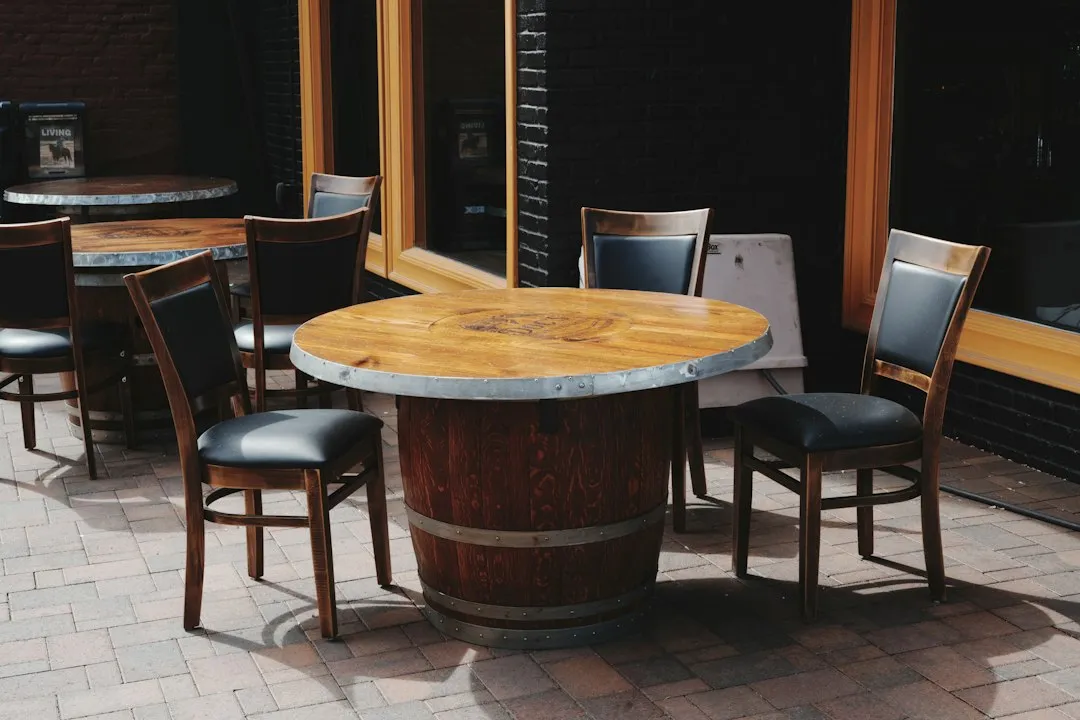
With flexible dining options, you can ask for the same dinner time each night and even request the same table and waiter, essentially recreating the traditional dining experience. This surprises many guests who assume flexible dining means a different table and a different server every single night. Guests may request a special table or waiter, and the dining staff will do all possible to accommodate the request, based on availability.
One approach that works well is asking for the same table and waiter each evening and notifying the maître d’ in advance on days you aren’t planning to eat in the dining room so they can use that table for other guests. That small courtesy, communicating when you won’t be there, is exactly the kind of mutual respect that keeps staff happy to hold your spot.
The Role of Your Waiter Once the Routine Is Set
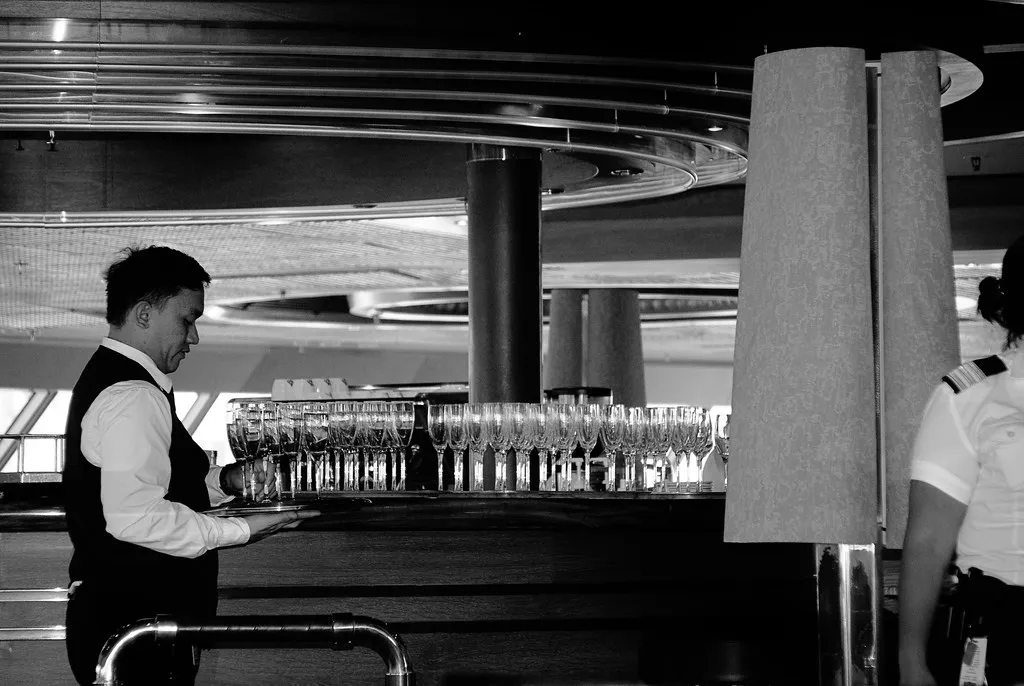
The single biggest extra on any cruise isn’t a dish at all, it’s a relationship. Most cruisers underestimate how much a warm connection with your waiter can quietly reshape the whole week. Waiters remember names, allergies, favorite drinks, and inside jokes from night two, and by night five they’re bringing things nobody else at the table gets offered. That kind of attentiveness can’t be purchased from a menu.
If you’re on traditional dining, you’ll have the same waiter throughout your cruise. Taking the time to learn their name and show appreciation for good service often leads to exceptional attention throughout your voyage. Your waiter can become your dining room advocate, helping with special requests and menu recommendations. That relationship builds faster than most people expect, especially when you make the effort first.
Tipping Early: What It Does and Doesn’t Do

Tipping your waiter on the first night in the main dining room for the service you would like to be given means there’s a good chance they’ll respond to that courtesy by living up to your service expectations. This is a long-standing practice among experienced cruisers, and it works not as a transaction but as a gesture of good faith. Tipping your waiter on the first night, for the service you’d like to receive, sets a tone that tends to follow through the rest of the week.
The money collected for tips is divided up between the dining service team and the cabin steward team. In the past, passengers had an assigned table and the same waitstaff throughout the entirety of their cruise. Now, on most cruise lines, guests can choose to dine wherever and whenever they like, and a tipping pool ensures that everyone who takes care of passengers receives a tip. Understanding how that system works helps you decide when and how an extra cash gesture to a specific server makes the most sense.
Ask for the Week’s Menus on Day One
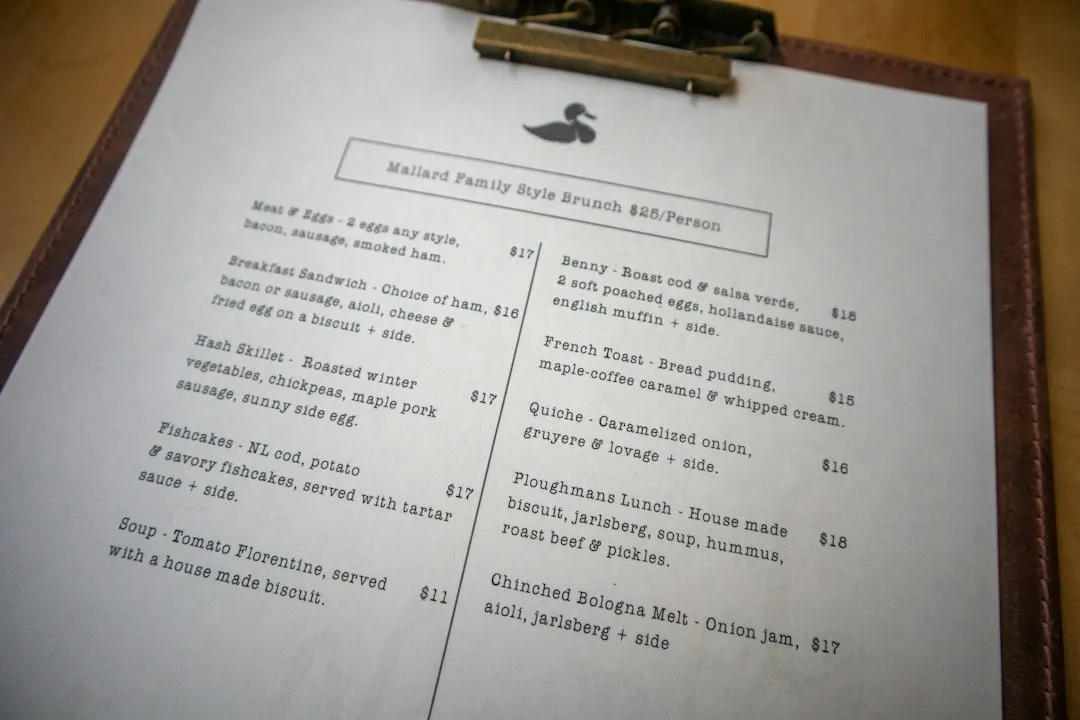
The full week of main dining room menus is planned before the ship even leaves port. You can see every night’s selections in advance just by asking at the front desk or requesting it from your waiter. Hardly anyone does this. Smart cruisers scan the week on day one, then build their whole specialty-dining schedule around the nights the main menu doesn’t excite them.
Menus are usually planned for the week, and you can often find the full menus in the cruise line’s app or by asking a member of the restaurant team, sometimes as early as a week before boarding. Knowing what’s coming lets you make smarter decisions about when to book a specialty restaurant and when the main dining room is absolutely worth the table you’ve worked to secure.
Off-Menu Requests Your Waiter Will Quietly Handle

Most cruise ship dining rooms stock a set of dishes that never appear on the printed nightly menu. Ask your server for a cheese plate, a fruit plate, chicken noodle soup, or a plate of steamed vegetables, and chances are they can make it happen. These items are available every single night of the voyage. Most guests never know to ask, so most guests never receive them.
Crew members cook for international staff and officers daily, so ingredients and know-how for dishes like off-menu curries are already in the galley. They just never make it onto the guest-facing menu. Ask early in the cruise, and your waiter can usually flag it for future nights too. The key, as with so much aboard ship, is simply asking with enough lead time for the kitchen to plan ahead.
Don’t Overlook the Assistant Waiter
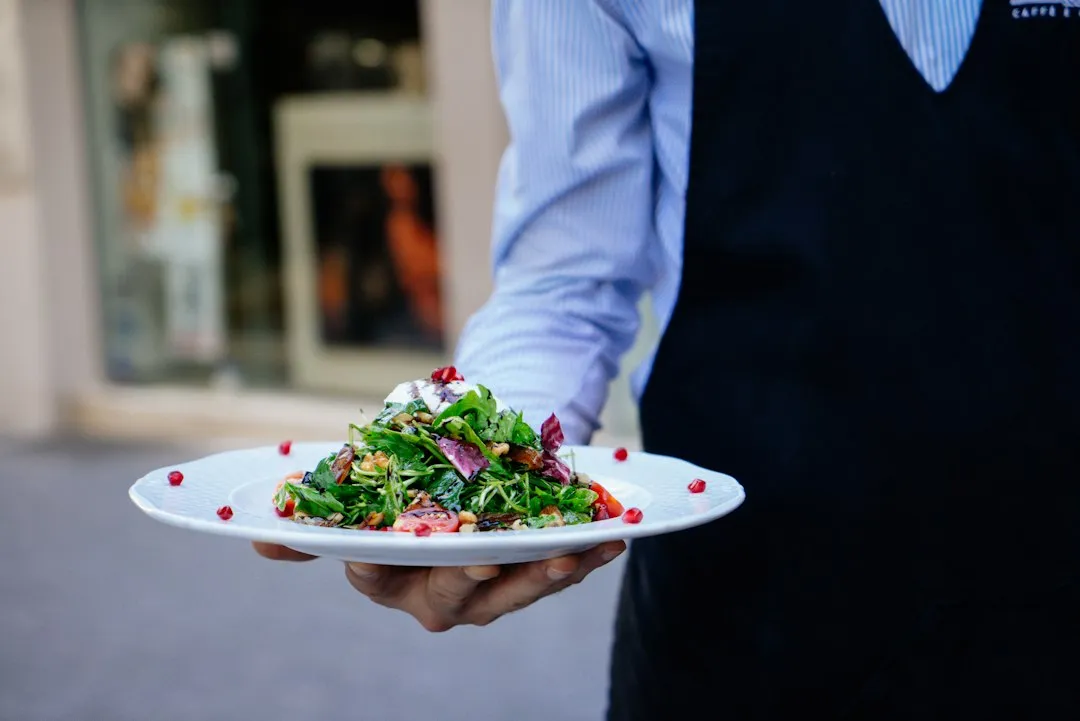
Most tables in the main dining room have a waiter and an assistant waiter, and the assistant is often the person refilling your water, clearing plates, and making the rhythm of each course feel effortless. Building a warm relationship with both members of the team pays off. Even in flexible dining formats, experienced cruisers make a point of asking to be seated with the same waiter and assistant waiter each night.
Because staff don’t necessarily share extra tips, if you want to tip both your waiter and assistant waiter, tip each separately. That distinction matters more than most passengers realize. Recognizing the assistant waiter as an equal partner in the dining experience, not just a background presence, tends to produce noticeably warmer service throughout the week.
What Happens When You Show Up Without Making Any Requests
Cruise ship dining rooms run on a set of unwritten rules that seasoned passengers have figured out through years of trial and error. Your server knows every single one of them, but they’re rarely going to volunteer the information unless you ask. This isn’t indifference on the part of the staff. It’s simply that a dining room serving hundreds of guests a night runs on efficiency, and personalizing the experience for each guest requires the guest to initiate.
Most waiters will not volunteer opinions about the menu unless you ask. When you do ask, they can point you toward the dishes that are popular, the ones that tend to go back to the kitchen, and anything the chef on board takes particular pride in. Arriving without any requests means relying entirely on chance, and chance doesn’t reserve window seats.
The Bigger Picture: Why Consistency Elevates the Whole Trip
Traditional dining means you’ll eat at the same time every night with the same tablemates and waitstaff, which is perfect for building relationships and consistency. Even on flexible dining formats, engineering that consistency through a quiet, early request produces something that goes beyond a comfortable seat and a familiar face. It turns dinner into a genuine anchor for the day, something to look forward to rather than navigate.
Traditional set dining builds a nightly routine, which means the staff assigned to your section stay consistent, and by night three, they already know your name and your coffee order. That kind of familiarity, earned rather than assumed, is what separates a pleasant cruise from a genuinely memorable one. The request takes two minutes. The return on it lasts seven nights.
A Quiet Word Before the First Course
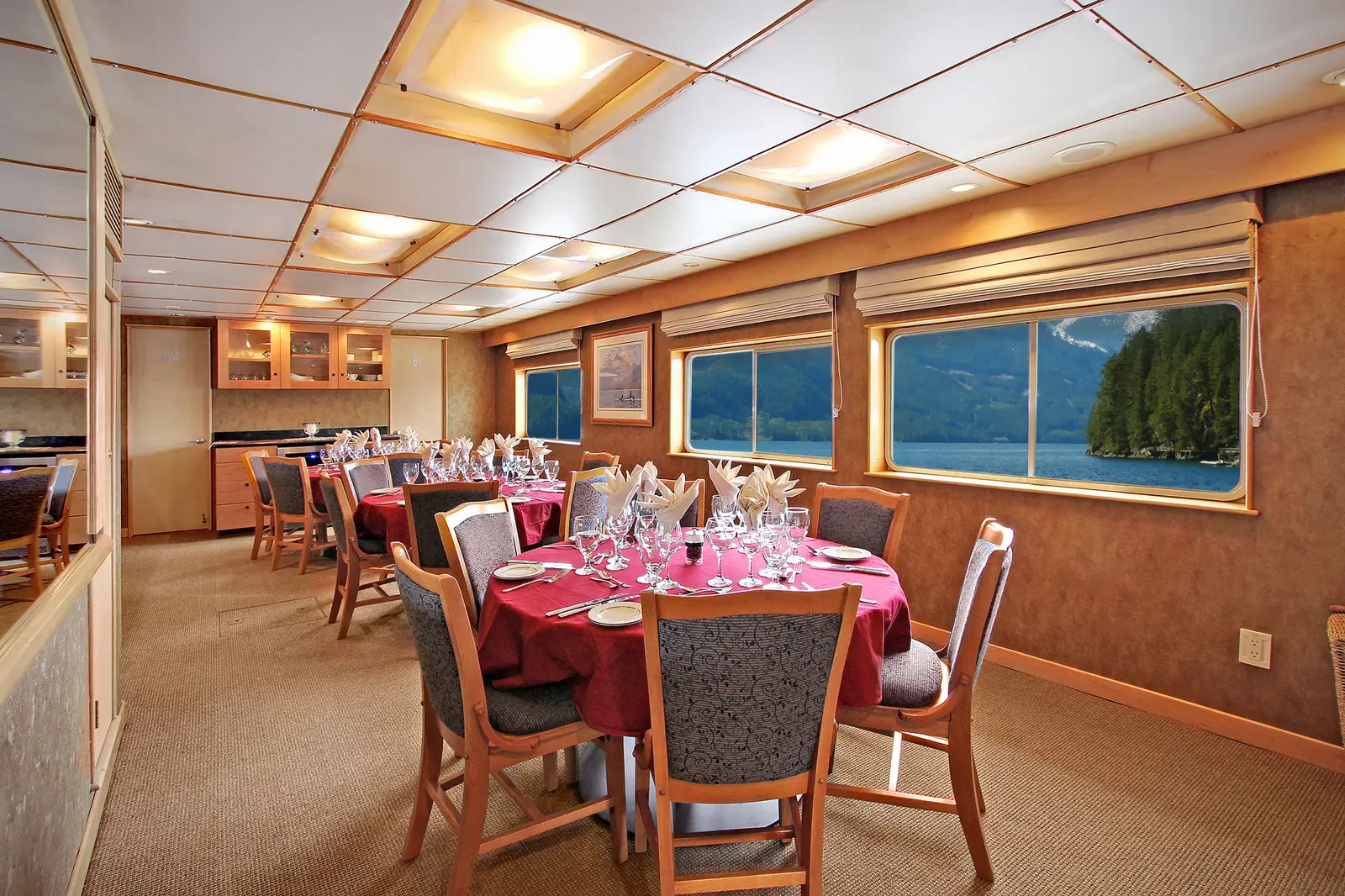
None of this requires special status, a loyalty tier, or any particular assertiveness. The request that keeps you at the same table all week is simply a polite conversation with the right person at the right moment: introduce yourself to the maître d’ on embarkation day, say which table you’d love to have, and ask if it’s possible to hold it each evening. That’s the whole strategy. None of these tips require special status or a loyalty program tier. They’re available to every passenger on every cruise line. You just need to know what to ask for.
Dining aboard a ship is one of those experiences where the physical setting stays the same but the emotional texture shifts completely depending on who’s serving you and whether they know you by now. That familiarity is available to anyone willing to ask for it on day one, before the good tables are gone and the patterns of the week are set.
AI Disclaimer: This article was created with the assistance of AI tools and reviewed by a human editor.