
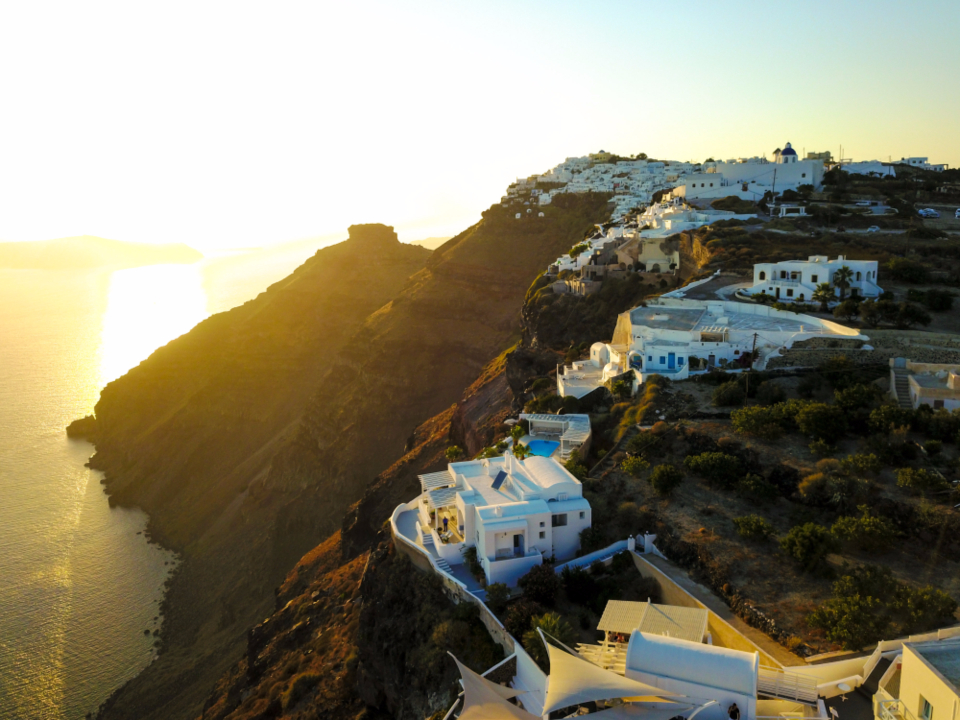

There’s a familiar ritual on cruise ships: the moment the gangway opens, thousands of passengers flood into a port, cameras ready, aiming to see as much as possible before the all-aboard whistle sounds. It’s understandable. Time in port is short, and the pull of famous destinations is real. Yet something gets lost in that rush, and the guides who lead shore excursions day after day are noticing.
The shore stop that consistently draws this pattern of breathless, snapshot-and-go behavior is Santorini, Greece. It’s the single port where the tension between expectation and experience plays out most visibly. What the numbers, the local operators, and the guides themselves reveal is worth understanding before you set foot on that tender boat.
The Scale of the Rush: Santorini by the Numbers
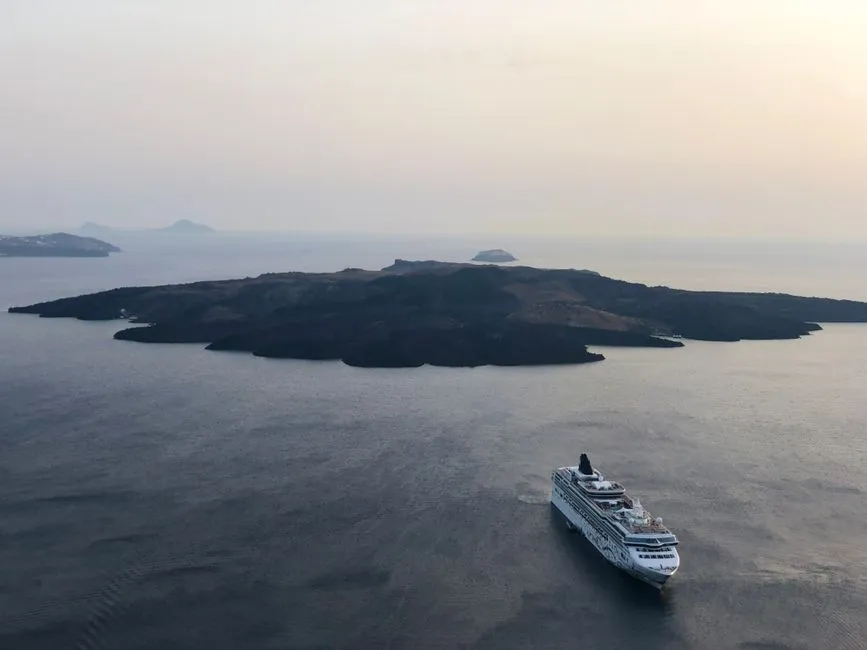
In 2023 and 2024, Santorini experienced severe overcrowding with 3.4 million annual visitors on just 76 square kilometers, with single-day cruise peaks of 17,000 passengers. That is not a misprint. Peak days in 2023 and 2024 saw between 11,000 and 17,000 cruise passengers arriving at the caldera from up to 17 ships simultaneously. The result was a port experience that felt less like travel and more like a slow shuffle through a very photogenic hallway.
The infrastructure was being strained to the breaking point, with some 2 million tourists annually on an island with a year-round population of fewer than 16,000. For context, that’s not a crowd. That’s a compression of humanity that fundamentally changes what a place can offer any individual visitor on a given afternoon.
Why Santorini Became the Rush-Through Capital of Cruising
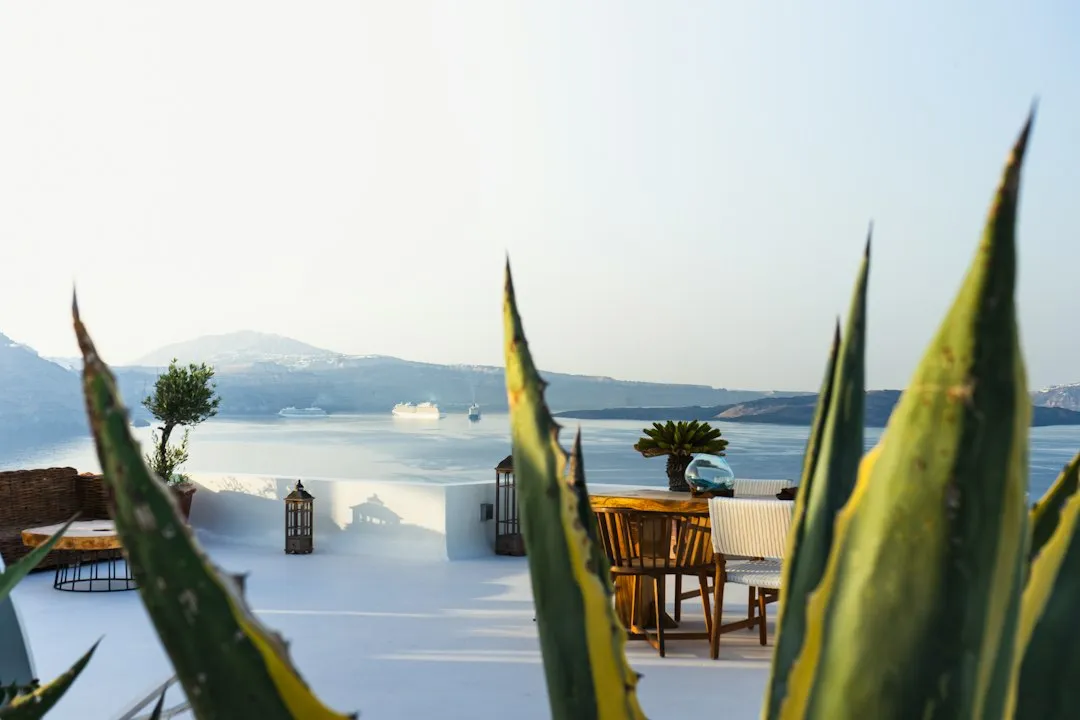
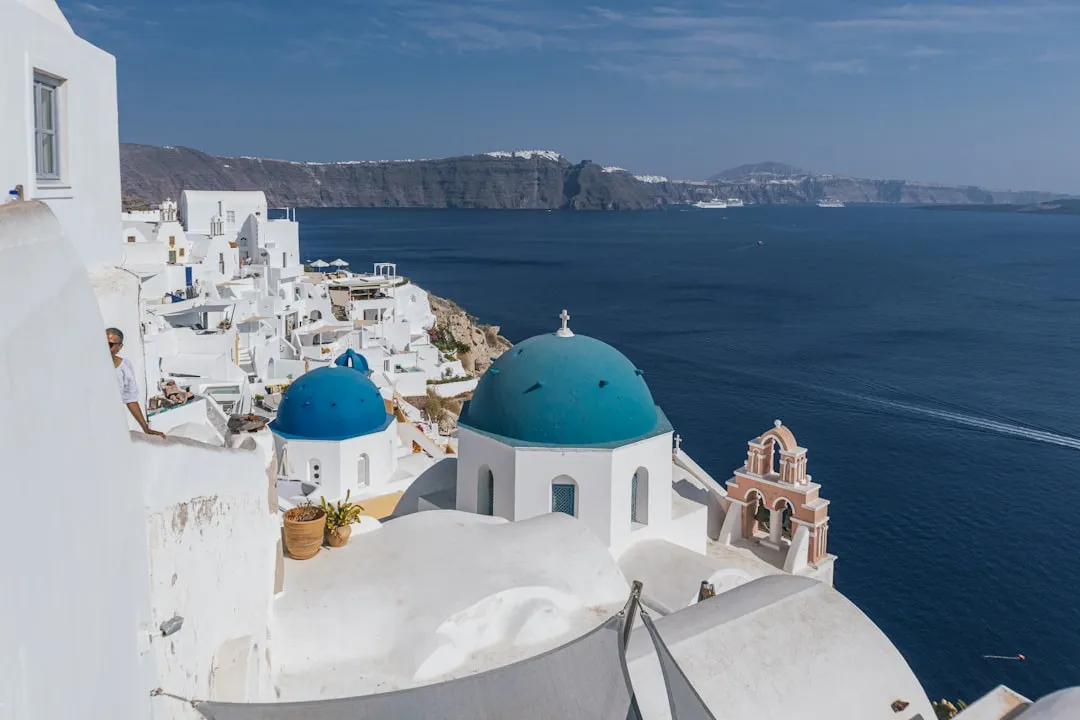
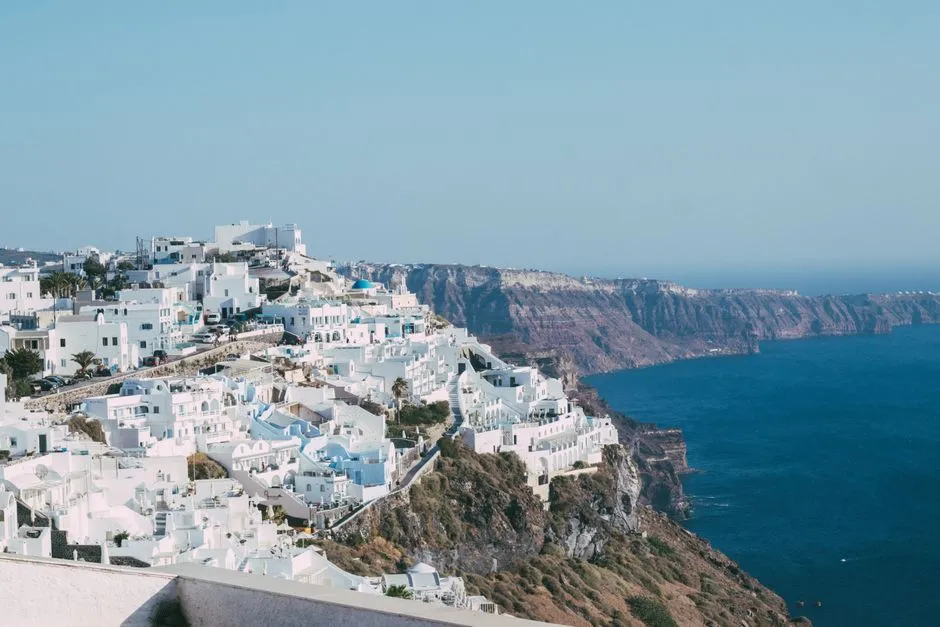
Santorini is one of the most famous cruise ports in the Mediterranean, known for its dramatic cliffside villages, whitewashed buildings, and blue-domed churches. Social media amplified those images for years, creating an almost mythological image of the place that almost no shore stop, limited to a few hours, can realistically deliver. The gap between the Instagram reel and the reality of navigating a packed alleyway in August is considerable.
Many cruisers said they felt like they spent most of their port day staring out a bus window instead of actually experiencing anything. A big frustration was how little time people actually had off the bus, with stops often rushed and just enough time for a quick photo before moving on. That cycle of hurry, snap, return is precisely what guides on the island have been quietly flagging for years.
The Passenger Cap That Changed Everything
Santorini’s 8,000 daily cruise passenger cap, described as Europe’s most aggressive overtourism intervention, cut peak-day volumes by more than half. The cap took effect in 2025 and reshaped how cruise lines allocate berths at the island. The 8,000-passenger limit represented an immediate reduction of between 27 and 53 percent depending on the day, effectively cutting the highest-volume days in half.
There is also a digital berthing allocation at various Greek ports, which staggers ship arrivals throughout the day in a further effort to reduce overcrowding at peak times. Preference is given to ships that are “green” and which stay longer or overnight, as they spread out the rush to tourist areas and have a lower overall environmental impact. These are meaningful structural changes, and their effects are already visible in the visitor experience data.
What the Bus Tour Problem Actually Reveals
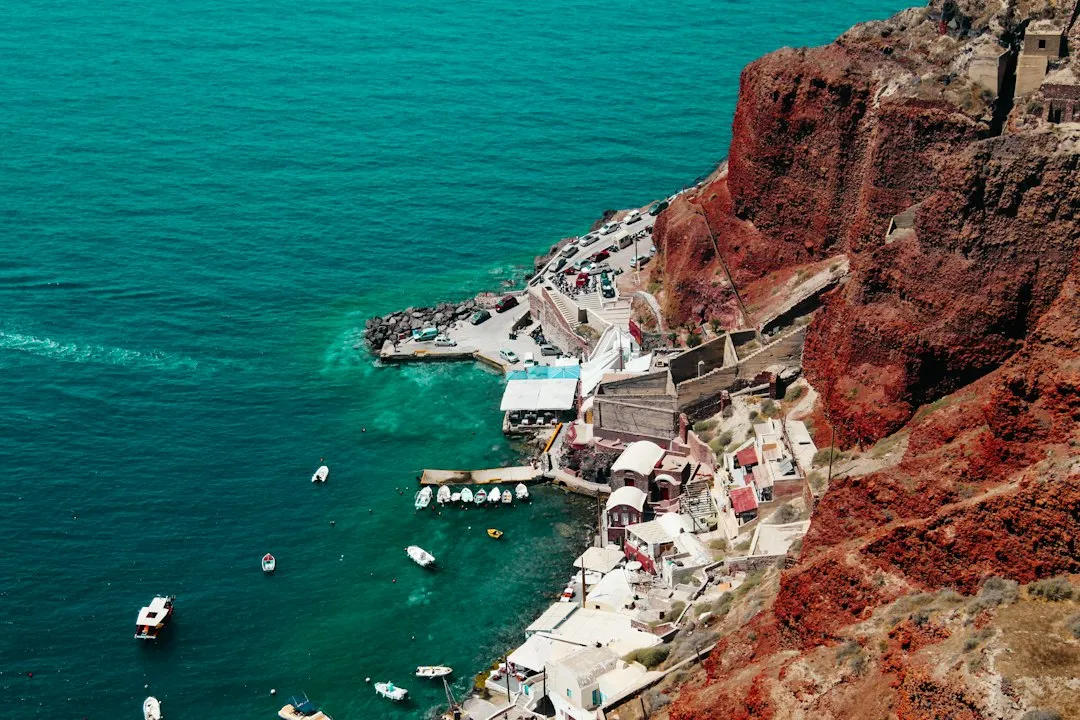
An excursion that takes you around a city seems like a safe and easy way to see a destination. In reality, many cruisers felt like they spent most of their port day staring out a bus window instead of actually experiencing anything. This is not just a Santorini problem, but the island’s concentrated geography makes it especially acute. Fira and Oia sit close together, and the roads between them are narrow. A bus in those conditions is not an efficient vehicle for wonder.
Cruise line shore excursions try to cover the most popular sights and attractions in a destination, but a ship might not offer a tour to every interesting spot in or near the port. If you only make your tour decisions based on what the cruise line is offering, you might miss out on an activity you’d enjoy more. The guides who operate independently on Santorini often point visitors toward the island’s volcanic hiking trails, its wine producers, and its quieter southern villages, none of which appear on most standard cruise itineraries.
The Independent Excursion Dilemma
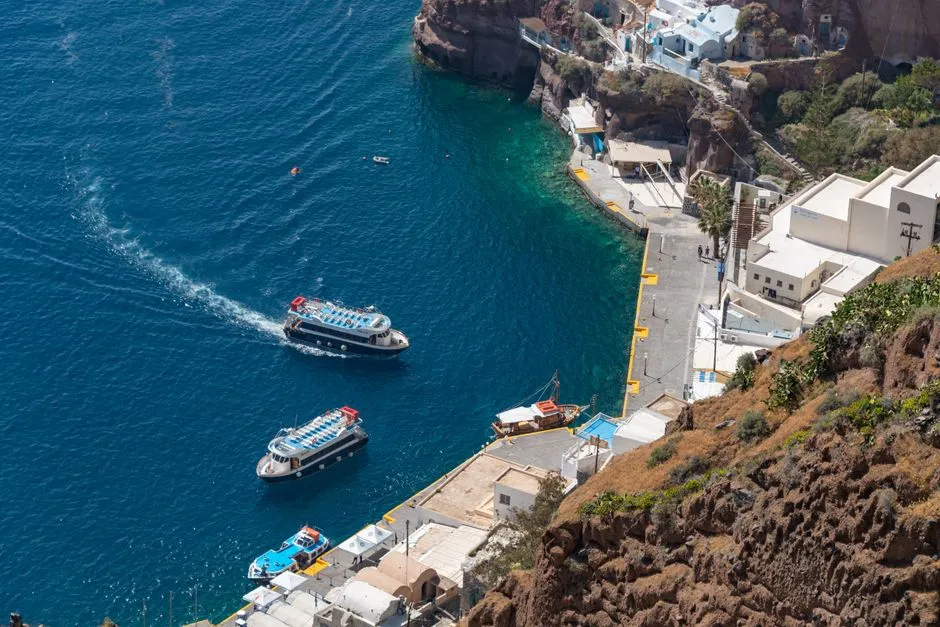
Independent shore excursions are among the biggest reasons passengers miss cruise departures. Many travelers choose private tours because they often provide smaller groups, lower prices, and more flexible experiences compared with cruise-organized excursions. On an island like Santorini, where the geography involves tender boats from anchored ships rather than a direct dock, the time pressure is even more acute than at a standard pier.
Cruise-operated excursions are usually coordinated around ship schedules, meaning cruise teams are more aware of delays affecting their own organized groups. Passengers booking outside operators must personally manage the risk of returning on time. The tradeoff is real, and guides on the island consistently advise building a buffer of at least ninety minutes between the planned end of any independent activity and the ship’s all-aboard time.
The Immersive Experience Gap
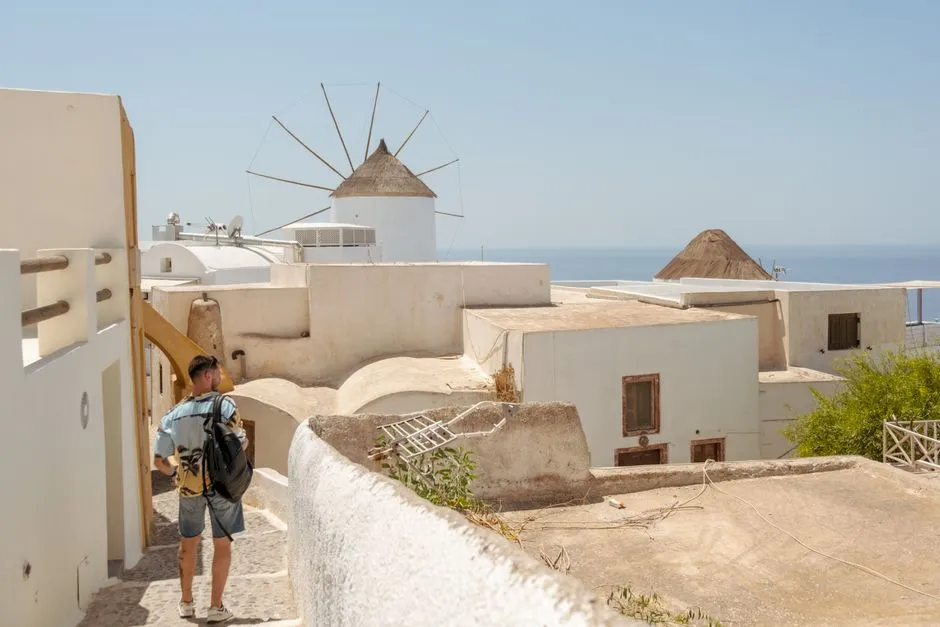
Demand for curated and immersive destination experiences continues to grow, with travelers increasingly seeking small-group tours, cultural interactions, culinary experiences, and active adventures that go beyond traditional sightseeing. This shift is visible in how Santorini’s more thoughtful operators are reorienting their offerings. Providers such as Shore Excursions Group have now delivered more than five million tours across 350-plus ports worldwide, reflecting the strong global appetite for organized shore experiences.
Local experts can provide more competitive pricing and craft truly unique experiences that the big cruise ships simply don’t cater to. They might steer you away from the crowded tourist traps, giving you access to the hidden gems and less-traveled paths of each port. On Santorini specifically, that means places like Pyrgos village, the Akrotiri archaeological site, and the Santo Wines terrace, all of which offer genuine depth with far fewer crowds than Oia’s famous sunset viewpoint.
Victoria, British Columbia: The Other Rush-Through Port
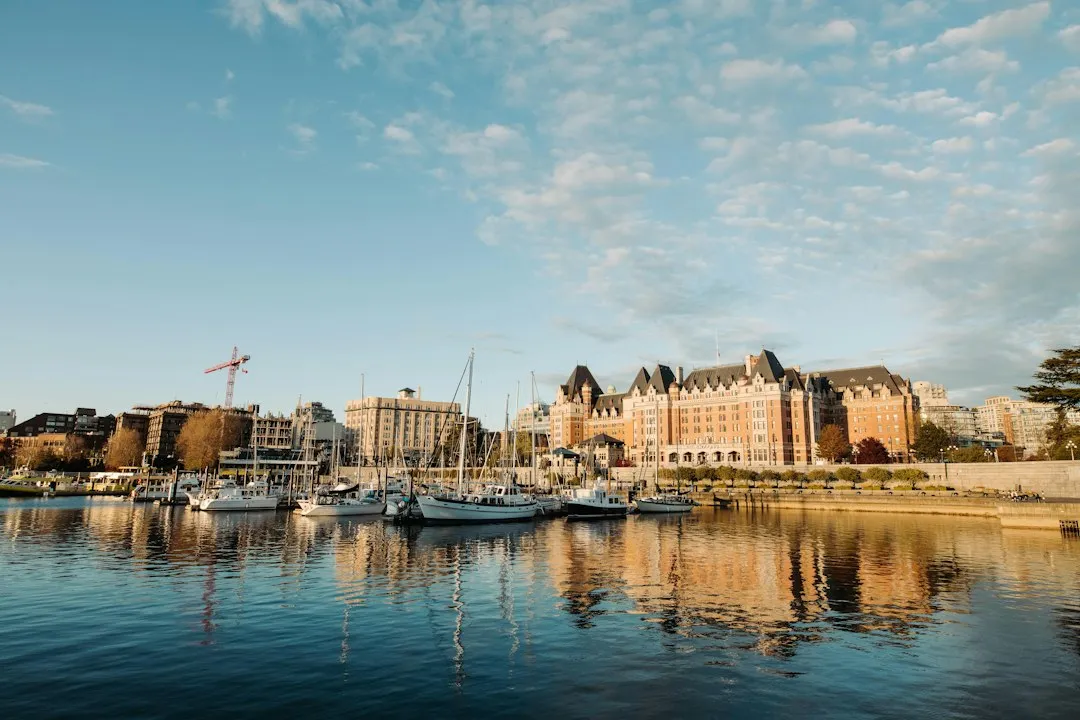
By the time ships arrive at Victoria, many passengers are already exhausted after several busy days exploring Alaska’s glaciers, wildlife, and outdoor excursions. Others don’t feel motivated to rush ashore for just a couple of hours in the evening, and because the stop is usually so short, many cruisers don’t feel like they can fully experience Victoria anyway. The pattern is almost the inverse of Santorini: here, passengers skip the port entirely rather than rush through it.
Many itineraries visit Victoria on the final night of the cruise. By this point, most cruisers are already focused on packing their luggage, preparing for disembarkation the following morning, and getting ready for a long travel day back home. Instead of trying to cram sightseeing into just a few hours at night, many passengers choose to stay onboard. Guides in Victoria frequently note that the passengers who do come ashore tend to have a far richer experience precisely because the crowds are lighter.
The Record Cruise Passenger Numbers Behind the Pressure
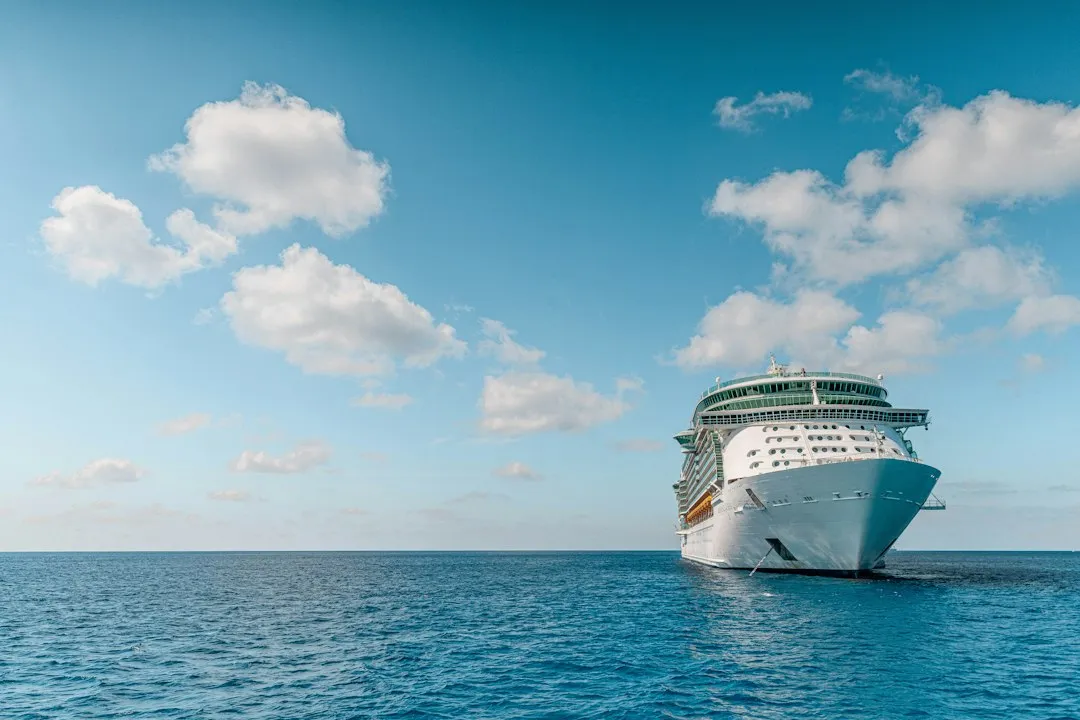
Global cruise passenger volume reached 37.2 million travelers in 2025, with cruising continuing to set new records. That growth feeds directly into port pressure at the most iconic destinations. Cruise volume surged to a new high in 2023, nearly 20 percent above the pre-pandemic baseline, and that number has continued to climb since, with 2025 projected to surpass 2019 levels by 34 percent.
Roughly three in every four U.S. cruise passengers are heading to the Caribbean, making it by far the most popular destination. Yet the Mediterranean, and Santorini in particular, draws a disproportionate share of attention given its smaller scale. More ships calling on a limited number of ports means the math of overcrowding is almost inevitable without structural intervention.
What Smarter Advance Planning Actually Changes
Shore excursions sell out, so if you have your heart set on a particular tour or activity, you might be out of luck if you wait until you’re on board to book. For Santorini especially, this matters enormously. The best small-group wine tours, the private caldera sailing experiences, and the guided archaeological walks all fill weeks in advance during peak season. Waiting until embarkation day to think about this is a reliable way to end up on a bus.
Taking the time to do some independent research for each port before deciding how to spend your limited, precious time ashore pays real dividends. Perhaps you’d prefer a local hike you can do on your own, a religious site that’s especially meaningful to you, or an attraction or tour that relates to one of your specific hobbies or interests. The point is that intentionality transforms a port day, any port day, from a frantic checklist into something that actually stays with you.
What the 2025 Changes Mean for the Visitor Experience
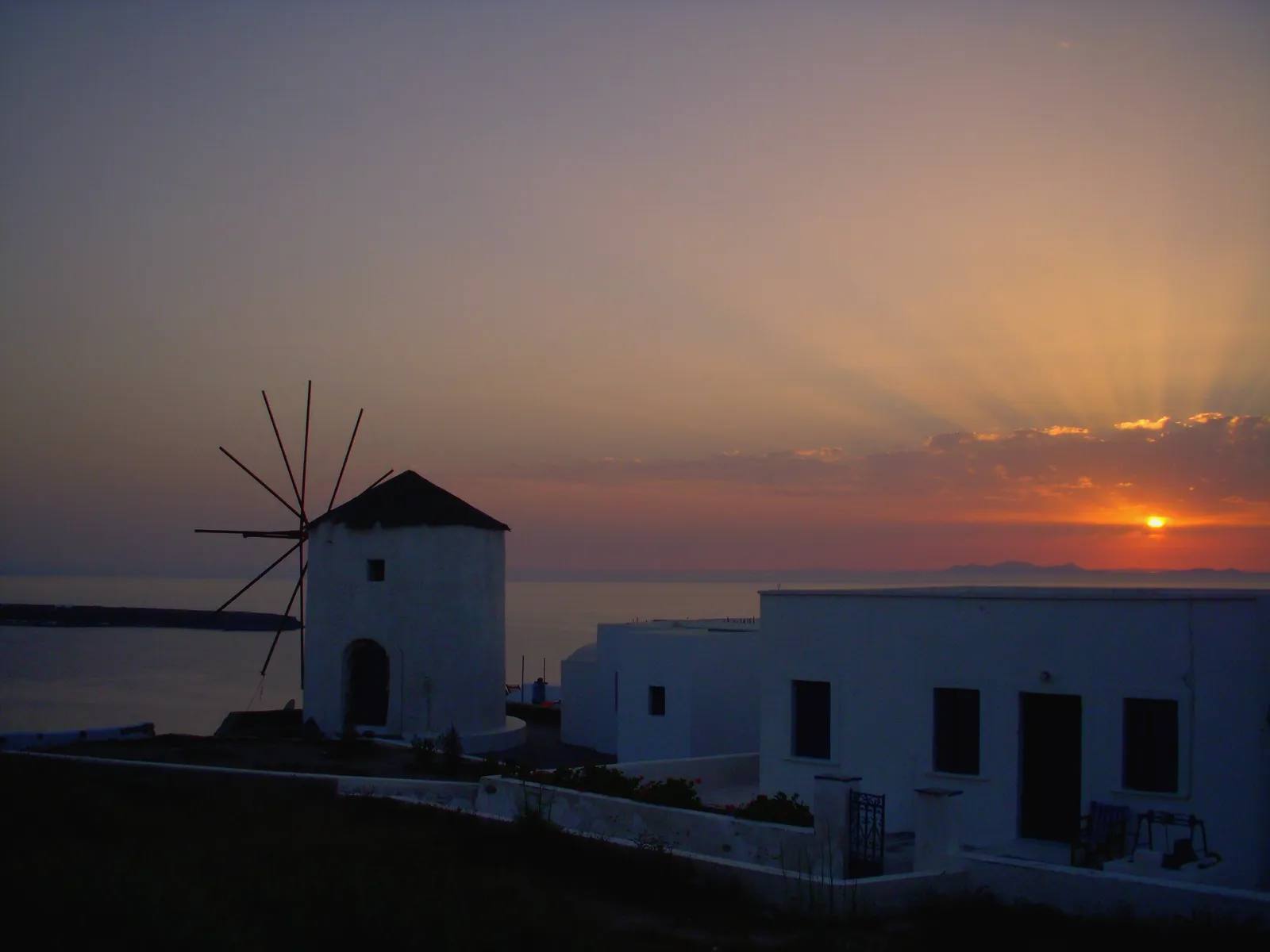
For travelers asking whether Santorini is “worth it”: data suggests that 2025 actually offered a better visitor experience than the overcrowded 2023 and 2024 seasons, with lower prices, shorter queues, and hotels eager to accommodate. The cap worked, at least in terms of what an individual visitor encounters on the ground. Cruise traffic redistribution is reshaping Greek island tourism at unprecedented scale: Chania surged 43 percent to a record 408,946 passengers, and new ports like Syros are entering the cruise map for the first time.
Despite the disruption and the cap, Santorini still drew more visitors than in 2019, luxury caldera hotels held their rates, wedding bookings rose 17 percent, and January 2026 showed a 19 percent rebound. The island is resilient, and its appeal is genuine. The question is never whether Santorini is worth visiting. It’s whether a two-hour sprint through Oia counts as visiting it at all.
A Measured Way to Approach Any Rushed Port
The consistent advice from experienced shore excursion guides, regardless of the port, comes down to a few honest principles. In port, confirm the local back-on-board time, set an alarm, and choose excursions that return at least an hour or two early. That single habit eliminates most of the anxiety that turns port days into stress events rather than discoveries.
For first-time cruisers, shore excursions are definitely worth it. Visiting multiple ports you are unfamiliar with, and expecting to find the best things to do, would be challenging at best and disastrous at worst. In most cases, shore excursions give you access to something that might otherwise be hard to arrange on your own. The key is choosing the right kind of excursion, one that gives time to breathe rather than racing from one photo opportunity to the next.
The Takeaway
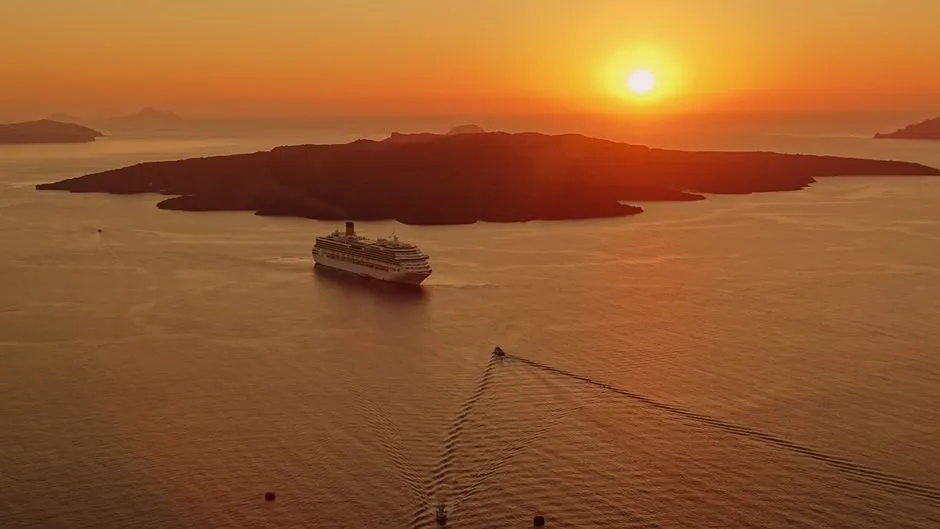
Santorini is not a myth, and it’s not ruined. It is, however, a place that rewards patience and punishes haste more than almost any other port on the Mediterranean circuit. The guides who walk its paths every season know this. The passengers who return years later, this time independently or on a longer stay, know it too. The rush-through version of Santorini is really just a preview. The place itself asks for more time than a tender schedule allows, and that honest tension is worth sitting with before you book.
AI Disclaimer: This article was created with the assistance of AI tools and reviewed by a human editor.