
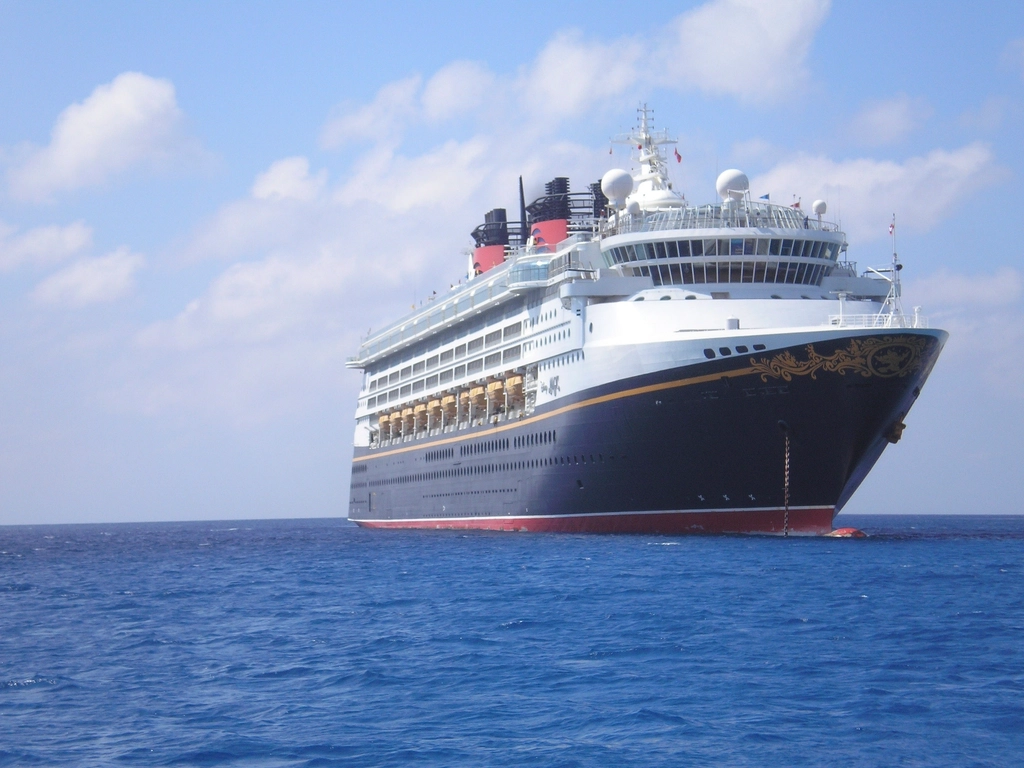

There is something quietly astonishing about standing at a cruise terminal on a Saturday morning, watching a convoy of refrigerated trucks roll in before a single passenger has stepped aboard. The ship isn’t just restocking a pantry. It’s replenishing what amounts to a floating city’s entire food supply, often within a window of just a few hours.
The numbers behind this operation are genuinely staggering, and the people responsible for making it work – food and beverage managers, procurement directors, and executive chefs – rarely get the spotlight they deserve. Here is what they have to say.
The Scale of It All: Hundreds of Thousands of Pounds Per Voyage
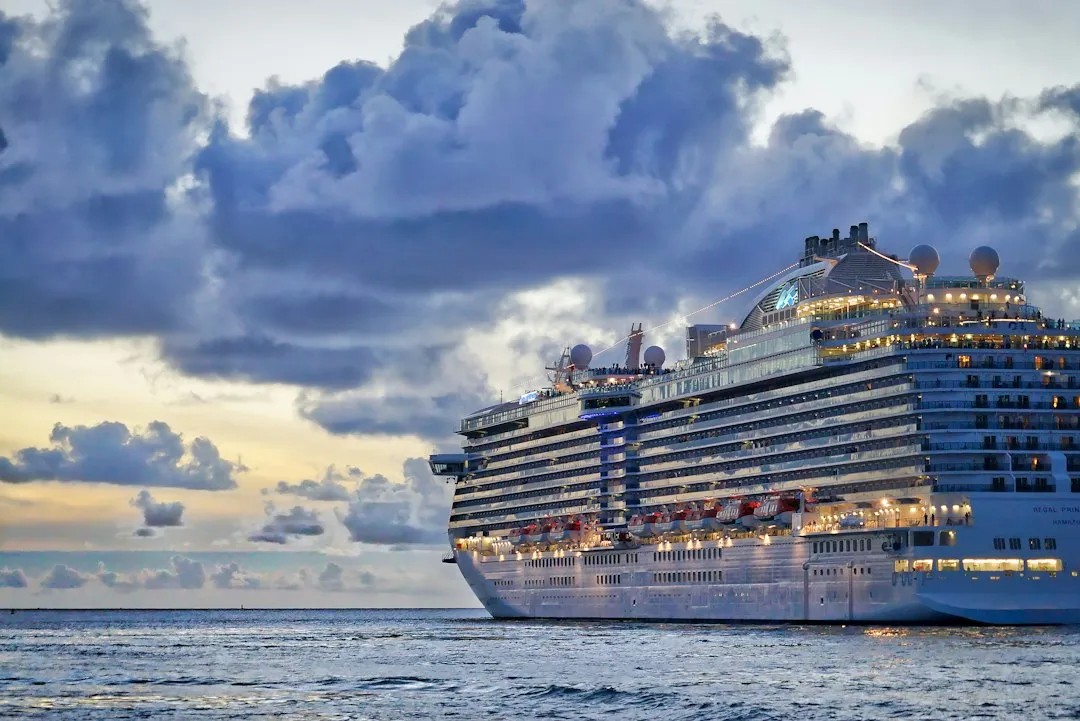
On a single week-long voyage aboard a large cruise ship carrying around 6,000 passengers, roughly 180 tons of food supplies are loaded onto the ship – the equivalent of just under the weight of the Statue of Liberty. That figure covers everything from fresh produce and proteins to baked goods, dairy, and dry goods.
For a one-week trip aboard Royal Caribbean’s Symphony of the Seas, the food inventory manager orders more than 600,000 pounds of food and beverages to feed nearly 9,000 passengers and crew combined. That is not a grocery run. That is a logistical operation on par with supplying a small town.
Trucks, Pallets, and a Race Against the Clock
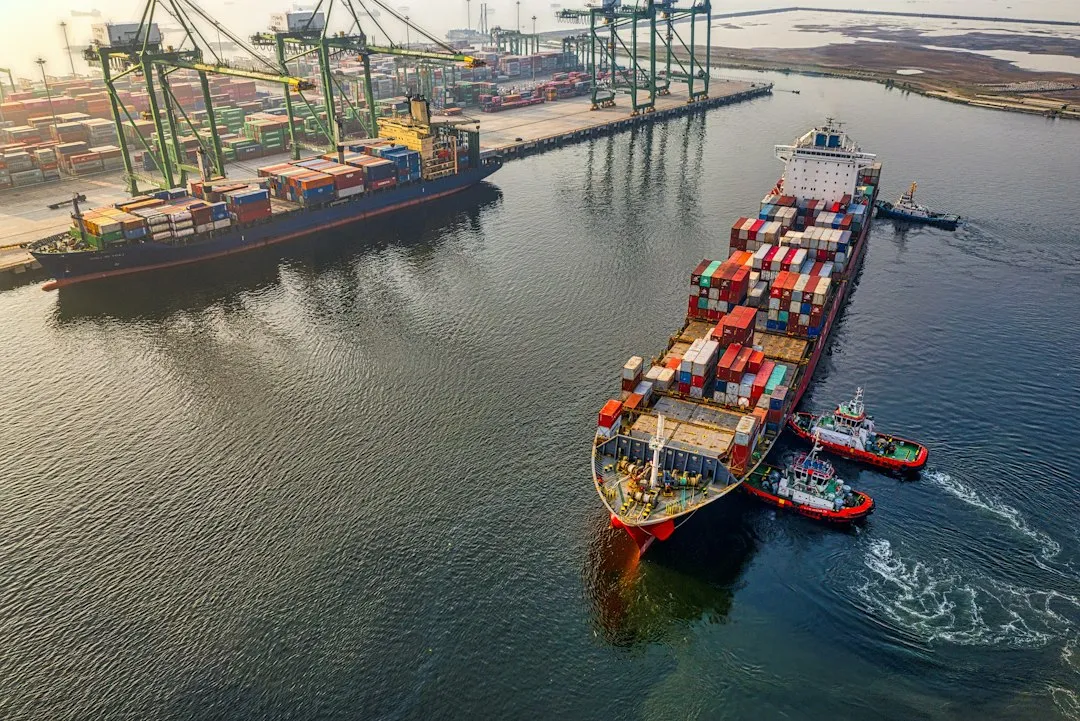
The weekly food haul for Symphony of the Seas alone translates to around 30 trucks carrying 500 pallets of food and drink, with those provisions weighing in at approximately 600,000 pounds. Every delivery is timed with precision because the ship’s departure schedule does not flex for late arrivals.
Every Saturday is turnaround day on ships like Oasis of the Seas – the day the bulk of the stocks are replenished. In just nine hours, workers load enough supplies to last a full week. With 21 food storage rooms on board, there is just about enough space to fit it all in.
Provisioning typically begins early in the morning on turnaround day, and all deliveries must be checked, loaded, and stored before the ship departs – often within just a few hours. Some ships load up to 30,000 different items in a single day.
How the Order Gets Placed: One to Two Weeks Out
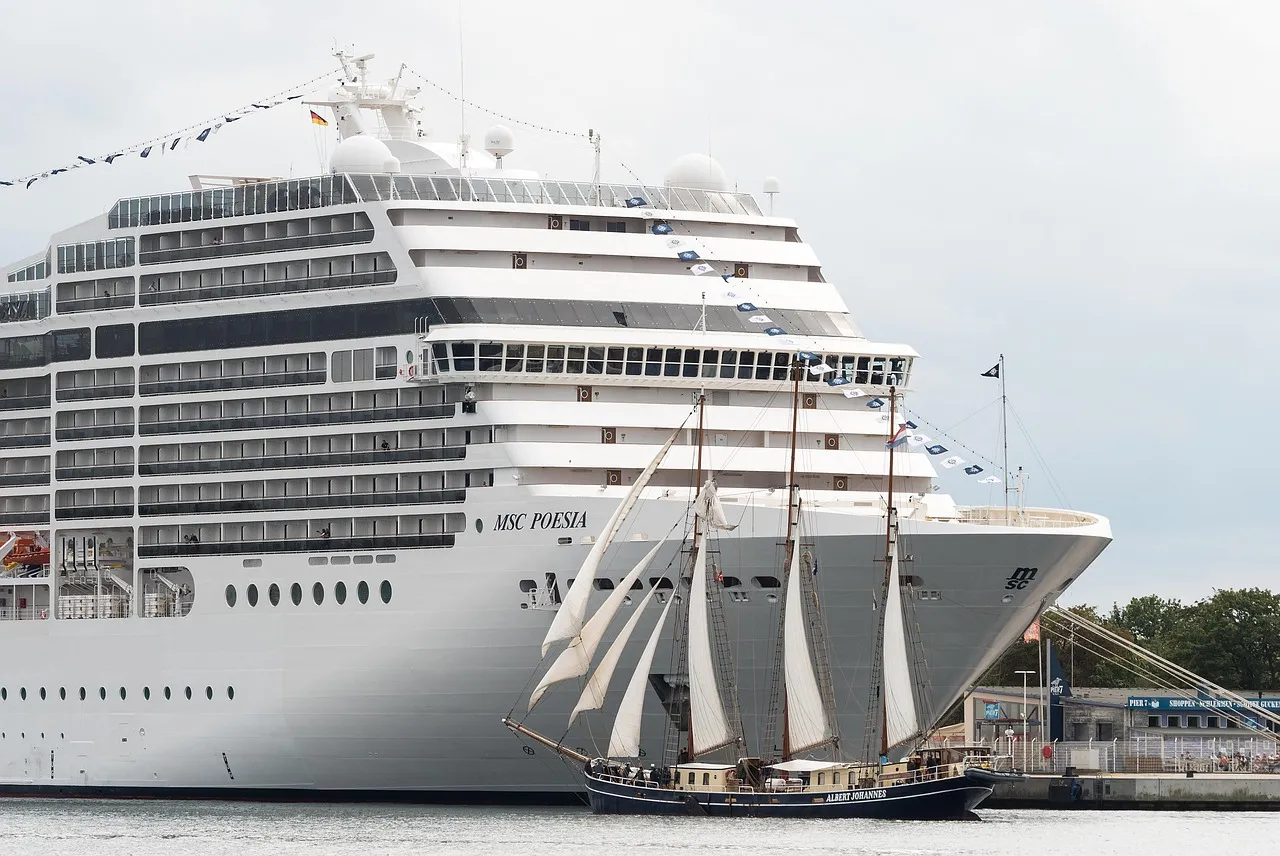
MSC Cruises’ Food and Beverages Procurement Director, Emanuele Lavarello, explains that the ship sends a request to the procurement office according to the loading schedule, usually one to two weeks prior to the loading day for local provisions. The ship’s food requests are based on past experience of consumption and the list of basic food items needed to prepare for on-board menus.
For example, when operating in the Mediterranean, MSC Bellissima loads most of its provisions at its home port of Genoa, Italy, and receives an average of 15 full trucks of food and beverages per cruise, two of them carrying fresh fruit and vegetables.
Cruise procurement begins with detailed forecasting and long-term planning, often months before a ship leaves port. While hotels typically have the flexibility to place frequent orders and adjust supply based on occupancy fluctuations, cruise ships operate on a much more compressed provisioning schedule. Most ingredients must be stocked in full before sailing, especially for longer itineraries.
Meat, Eggs, and Potatoes: The Numbers Behind the Proteins

Feeding around 6,600 passengers and 2,200 crew on a typical seven-day itinerary requires some 60,000 eggs, 9,700 pounds of chicken, 20,000 pounds of potatoes, and 700 pounds of ice cream. Those figures are for a single sailing, every week, without exception.
Royal Caribbean’s Symphony of the Seas loads roughly 30,000 pounds of beef, 16,800 eggs, and over 20,000 pounds of potatoes for a single seven-day sailing – and that is before counting the seafood, dairy, produce, or the roughly 10,000 bottles of wine.
According to Royal Caribbean’s executive chefs, rice, potato, lobster, tenderloin, filet mignon, and especially prime rib are the most popular items on Icon of the Seas. About 20,000 pounds of rice and 2,500 pounds of prime rib are used every cruise.
Beverages Are a Separate Beast Entirely

Beyond the food itself, ships also load approximately 50 tons of beverages. This includes over 16,000 bottles of wine and champagne, along with upwards of 120,000 bottles of beer. The sheer volume of liquid cargo requires its own dedicated logistics and cold-chain management.
The list goes on and on, including the 450 cases of Champagne that are brought on at the start of each trip on Symphony of the Seas alone. Norwegian Bliss, which carries around 4,000 passengers, goes through nearly the same intensity of daily demand in the beverage category.
The Pizza and Chocolate Factor: Daily Consumption Figures
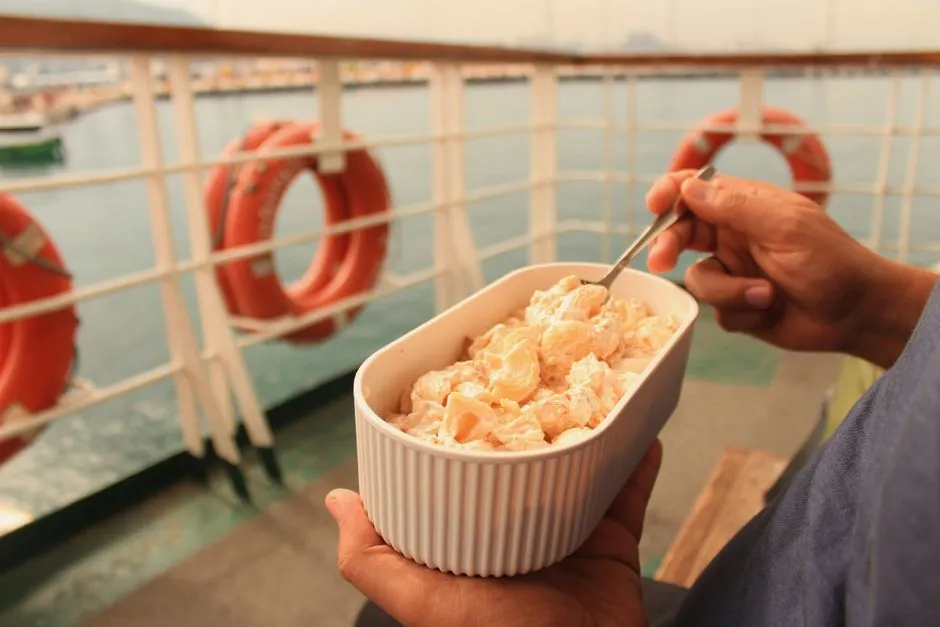
Norwegian Bliss passengers get through nearly 600 pizzas a day and close to 100 kilograms of chocolate. That speaks to the sheer appetite – quite literally – that food and beverage teams must plan around, day after day, for every sailing.
For a single week-long cruise, one ship reported 110 to 115 tons of food delivered, with daily figures including 400 pounds of butter, 1,500 pounds of flour, 1,700 pounds of beef, 1,400 pounds of pork, 2,700 pounds of potatoes, and 6,000 pounds of fresh fruit. These are not weekly totals – those are the daily averages.
Feeding the Crew Is a Whole Other Calculation
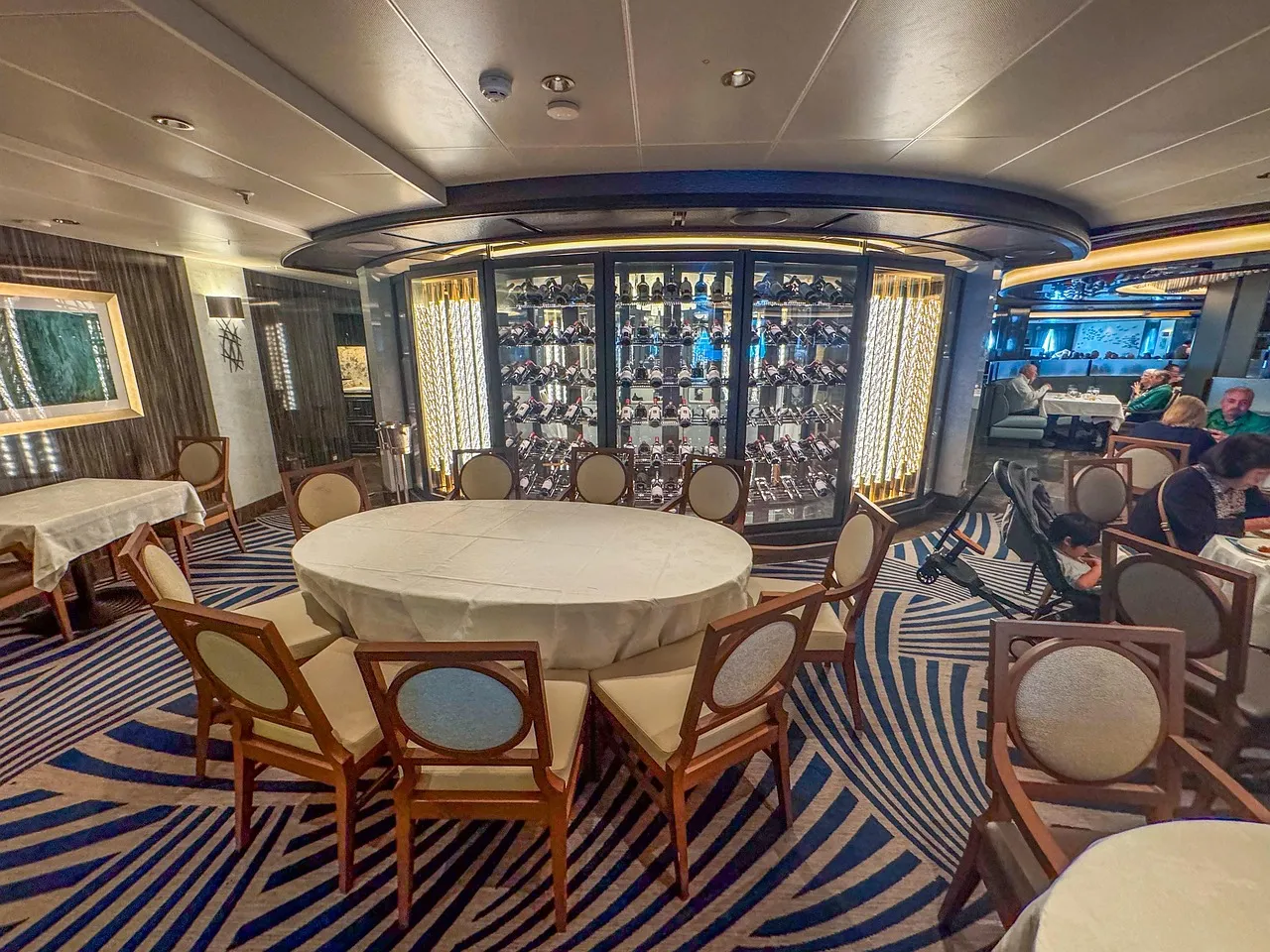
There are 425 chefs on board Icon of the Seas, with 45 people working in the Main Dining Room galley on a single deck alone. Every one of those crew members needs feeding as well, and their meals are a separate operation running parallel to passenger dining.
Over 200 chefs and 1,000 staff work continuously with no days off to serve around 30,000 meals daily, covering breakfast, lunch, dinner, snacks, and 24-hour room service. Provisioning has to account for every single one of those meals – crew included.
Between seated dining, buffets, specialty restaurants, room service, and more, culinary teams are responsible for 8,000 to 10,000 meals every single day. A typical seven-day voyage can serve upwards of 70,000 meals in total.
Local Sourcing Along the Route
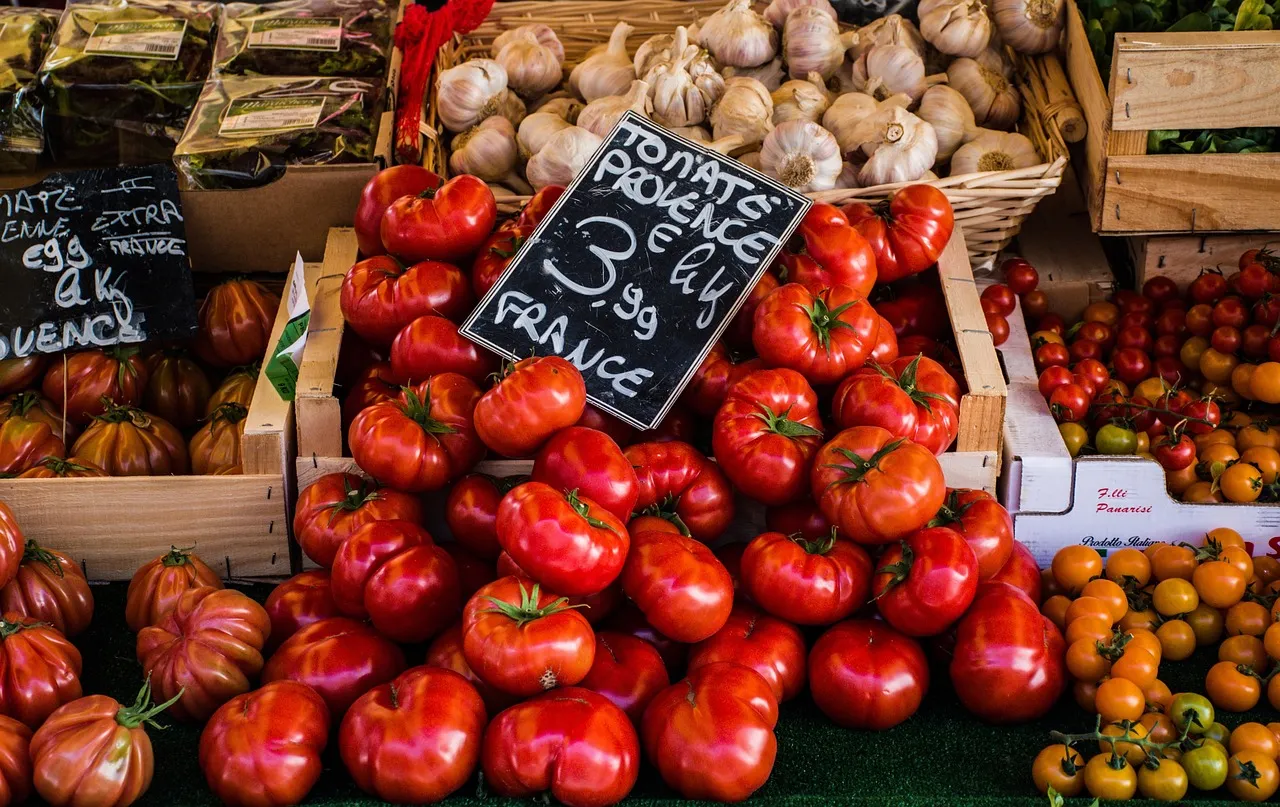
Fresh produce is often sourced locally during the itinerary, since it must be managed and delivered very carefully due to limited shelf life and storage temperature constraints. This means the provisioning picture doesn’t end at the home port – it extends to every major port of call along the way.
Unlike land-based hospitality operations, cruise ship provisioning must account for the ship’s isolation at sea, where resupply opportunities are limited, making advance forecasting critical to avoid shortages or overstocking. Local sourcing at port stops helps bridge that gap on longer itineraries.
Efforts also include partnerships with local suppliers in port destinations to reduce transportation emissions, which makes both environmental and operational sense for cruise lines managing tight turnaround windows.
Technology Is Reshaping How Ships Order Food
Royal Caribbean has developed a platform to monitor food supply and closely estimate exactly how much food should be produced, prepped, and ordered on any given day. The line is also implementing artificial intelligence to adjust food production in real time, tracking guest demand for specific menu items and adjusting menu preparation and ordering accordingly.
Royal Caribbean’s WIN on Waste programme uses artificial intelligence to analyse consumption patterns and operational data, with the aim of improving inventory and meal planning before excess food is produced. In 2025, the group also described the Food Production Management System aboard Star of the Seas as integrating inventory, food production, and point-of-sale information, with AI expected to help optimise those processes further.
The global cruise industry has demonstrated remarkable growth, with modern ships functioning as large-scale floating resorts. Effective food provisioning is a critical operational function that directly impacts both cost efficiency and passenger satisfaction – and this task is characterized by massive consumption scales and high demand uncertainty.
The Cost Behind the Calories
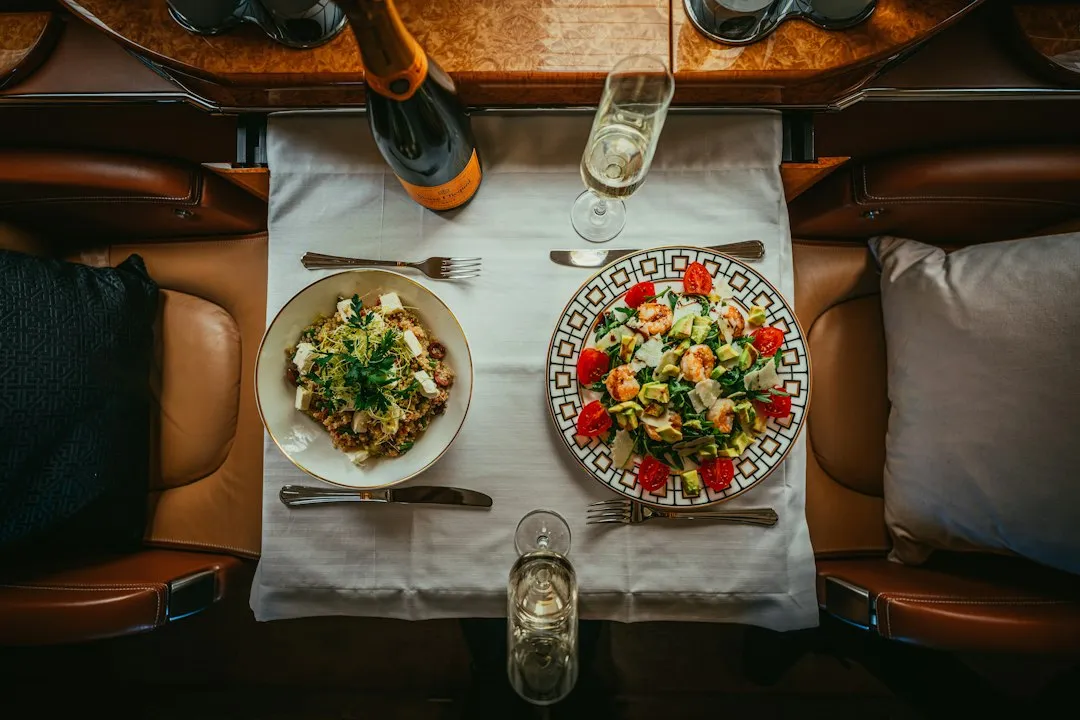
Food is the second highest expense for Royal Caribbean after fuel. That ranking puts into perspective just how central the food and beverage operation is to the business as a whole – not just as a passenger experience, but as a financial reality.
A large cruise ship like Symphony of the Seas spends about one million dollars per week on groceries, requiring 30 trucks and 500 pallets weighing 600,000 pounds to stock its 36 kitchens. Despite this, cruise lines spend only about 12 to 15 dollars per person per night on food, keeping costs low through bulk purchasing and economies of scale.
Carnival Corporation said it achieved a roughly 44 percent reduction in unit food waste in 2024 compared to 2019, beating its 2025 interim target a year early – progress that represented 250 million dollars in cost avoidance since 2019. Getting the provisioning order right, it turns out, is not just about feeding people well. It’s about running a smarter, leaner operation.
The Takeaway
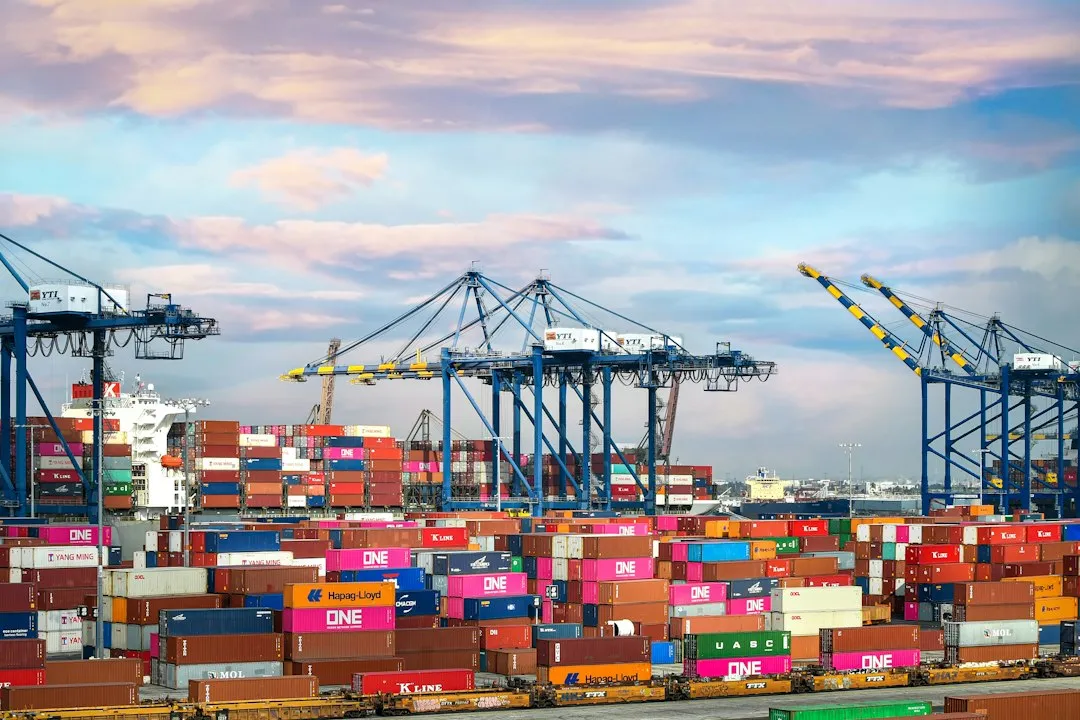
The next time you pile a plate at the buffet or order room service at midnight, it’s worth pausing for a moment. That meal started its journey days before you boarded – in a spreadsheet, a supplier email, or an AI forecast made weeks in advance. The operation demands precise coordination among procurement teams, suppliers, port authorities, and onboard staff to ensure quality, compliance with international standards, and minimal waste, all while adhering to tight port turnaround schedules that typically span just 8 to 10 hours.
That is the quiet expertise of the food and beverage managers behind every sailing. The guests eat. The logistics make it possible.
AI Disclaimer: This article was created with the assistance of AI tools and reviewed by a human editor.