
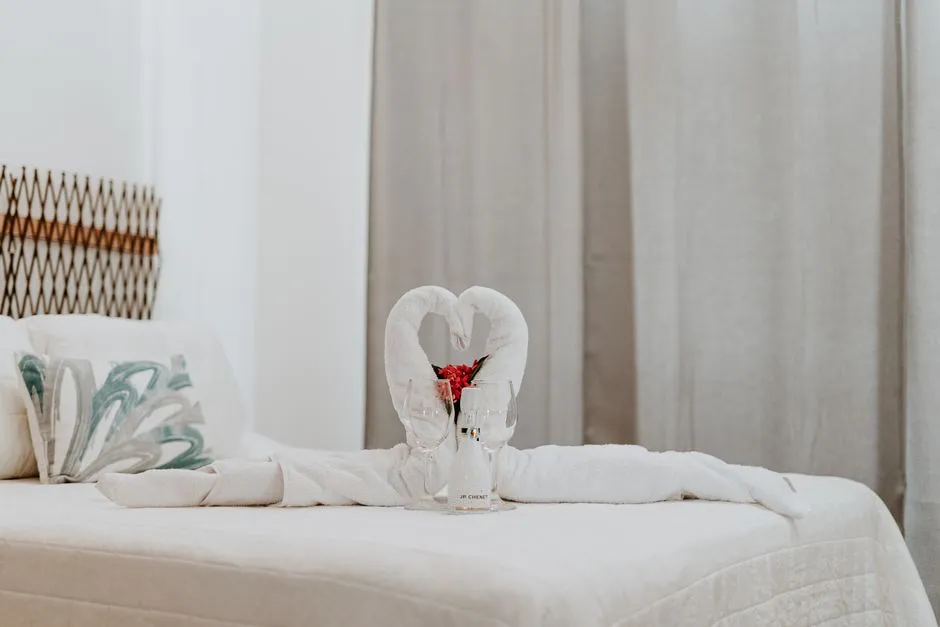
Most guests return to their cabin each evening, open the door, and find a folded terrycloth creature waiting on the bed. It’s one of those small, oddly delightful moments that cruise ships do better than almost anyone. A swan here, a monkey hanging from the bathroom mirror there.
What fewer people realize is that the whole system is far more flexible than it looks. You don’t have to take what shows up. Behind that cabin door is a housekeeping team with a repertoire wider than most guests ever think to explore, and all it takes is asking.
The Tradition Goes Back Further Than You Might Think
Towel origami was first popularized by a lieutenant of the cabin in the 1980s, and as it gained popularity, became an official part of Carnival Cruise Line’s onboard experience in 1991. That’s over three decades of nightly folds, tweaks, and creative reinvention before most of today’s cruisers ever set foot on a ship.
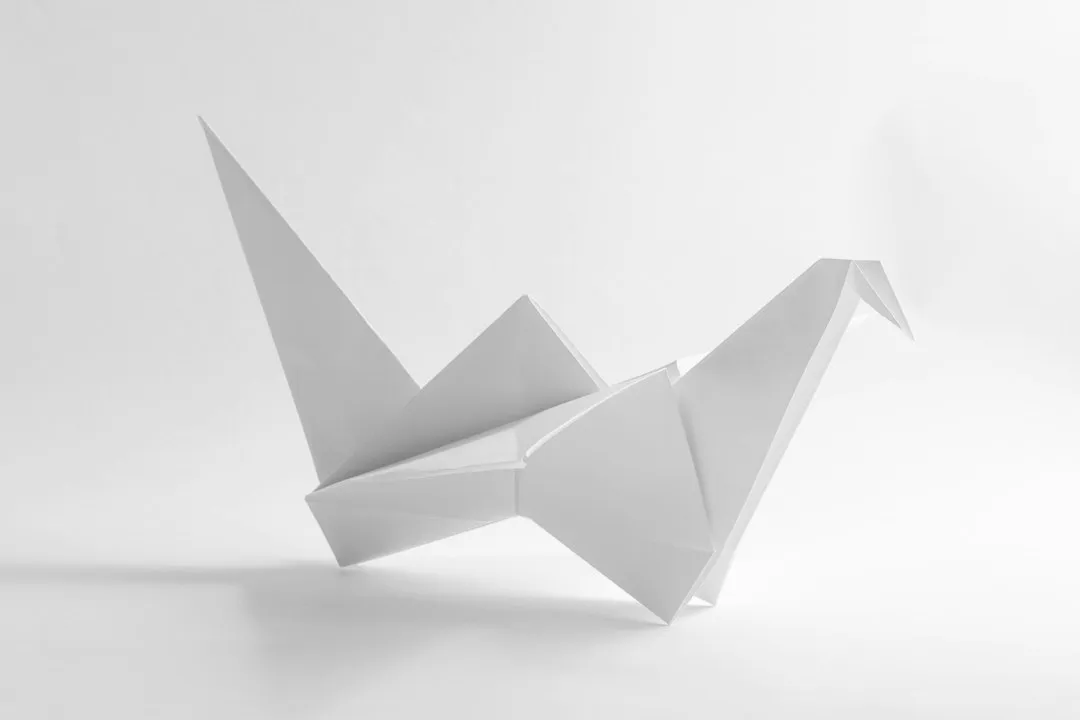
Towel folding itself evolved from origami, the Japanese art of paper folding, which has roots stretching back centuries. The fact that a centuries-old paper craft quietly became a staple of modern mass-market cruising is, when you stop to think about it, genuinely interesting.
The Request Most Guests Don’t Know They Can Make
Here’s what housekeeping supervisors across multiple major lines quietly confirm: you can ask for a specific animal. Most guests assume the towel creation is entirely up to the steward’s discretion that evening. That’s true by default. But it’s not a rule.
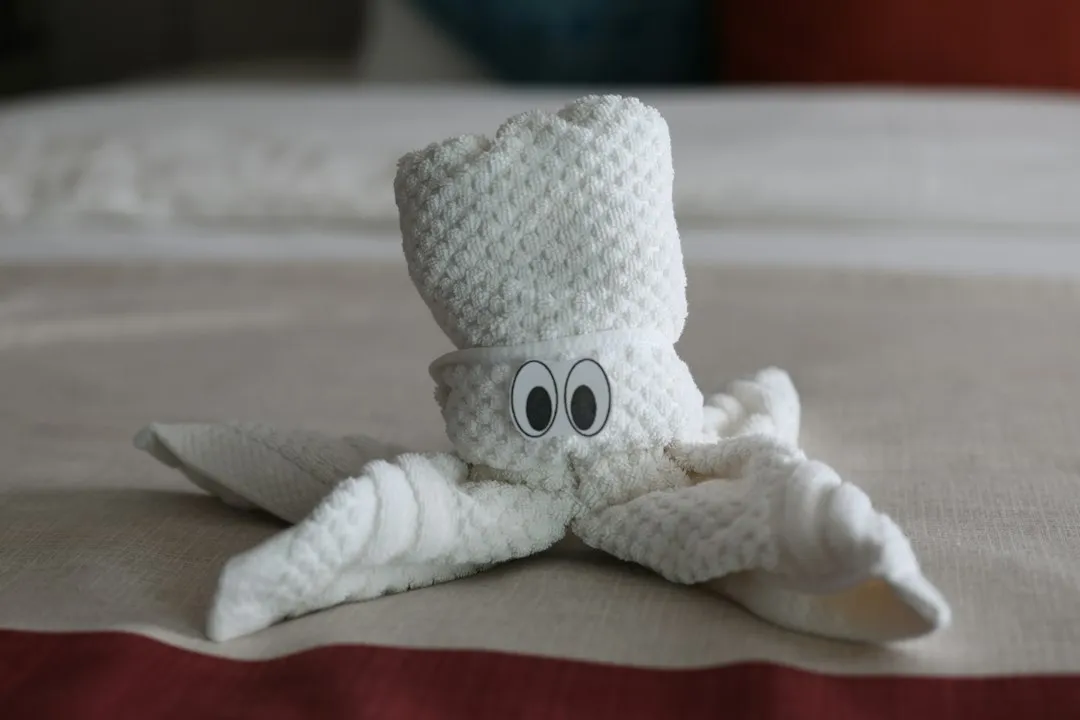
The sizes, expressions, and poses of towel animals can vary depending on the cabin steward’s creativity and what towels they choose. Guests who hope to find their favorite towel animal can always ask their steward about a particular animal, or leave a note with a polite request. The ask is genuinely welcomed. Stewards are proud of the craft, and a specific request gives them a chance to show off a shape they might not rotate in otherwise.
The Repertoire Is Bigger Than You’d Expect
Carnival’s towel animals started decades ago with crowd-pleasers like elephants and dogs, but the repertoire has ballooned to include kangaroos, swans, monkeys, and frogs. Scorpions, stingrays, and even bats that hang from the curtain rail are part of what trained stewards can produce on request.
The towel animals have proven popular with guests and typically come in a variety of animals including elephants, koala bears, swans, alligators, primates, and scorpions. That’s a wider range than most people walking onto a ship for the first time would guess. The scorpion, in particular, tends to get a reaction.
Props Are Fair Game, Too
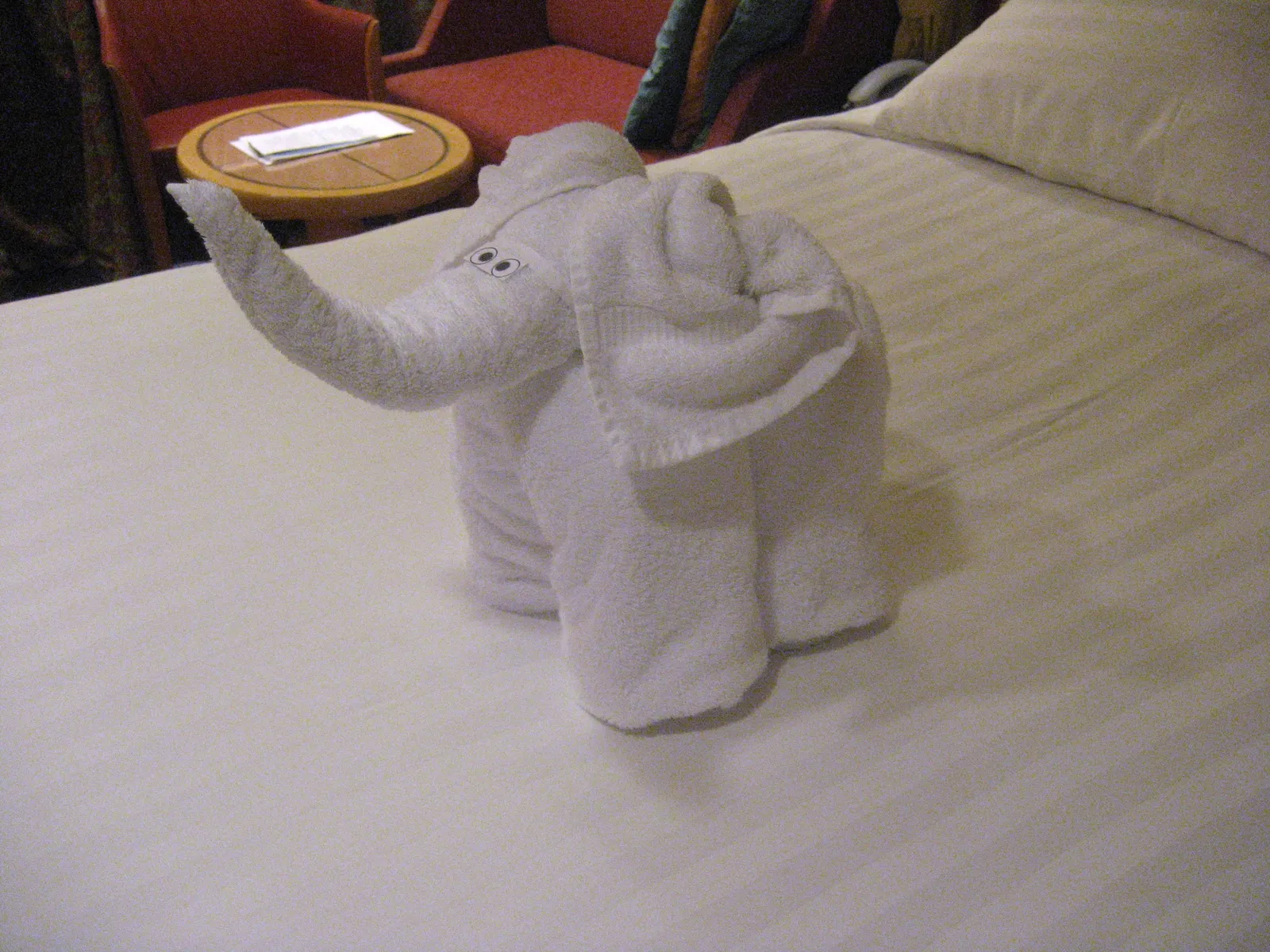
Most stewards add eyes and nostrils to their creations, and some may also add accessories to personalize the figures, such as sunglasses, caps, beads, rose petals, or other accents. These aren’t randomly chosen. Stewards often borrow items from the cabin itself, which is part of what makes each creation feel personal rather than generic.
Attendants often improvise with accessories, and according to Carnival’s housekeeping leadership, “it’s something our team really enjoys doing for our guests, so the creativity comes naturally and is different every time.” If you leave your sunglasses on the nightstand, don’t be surprised to find them on a towel rabbit’s face when you return after dinner.
One Per Day Is the Standard, Not the Ceiling
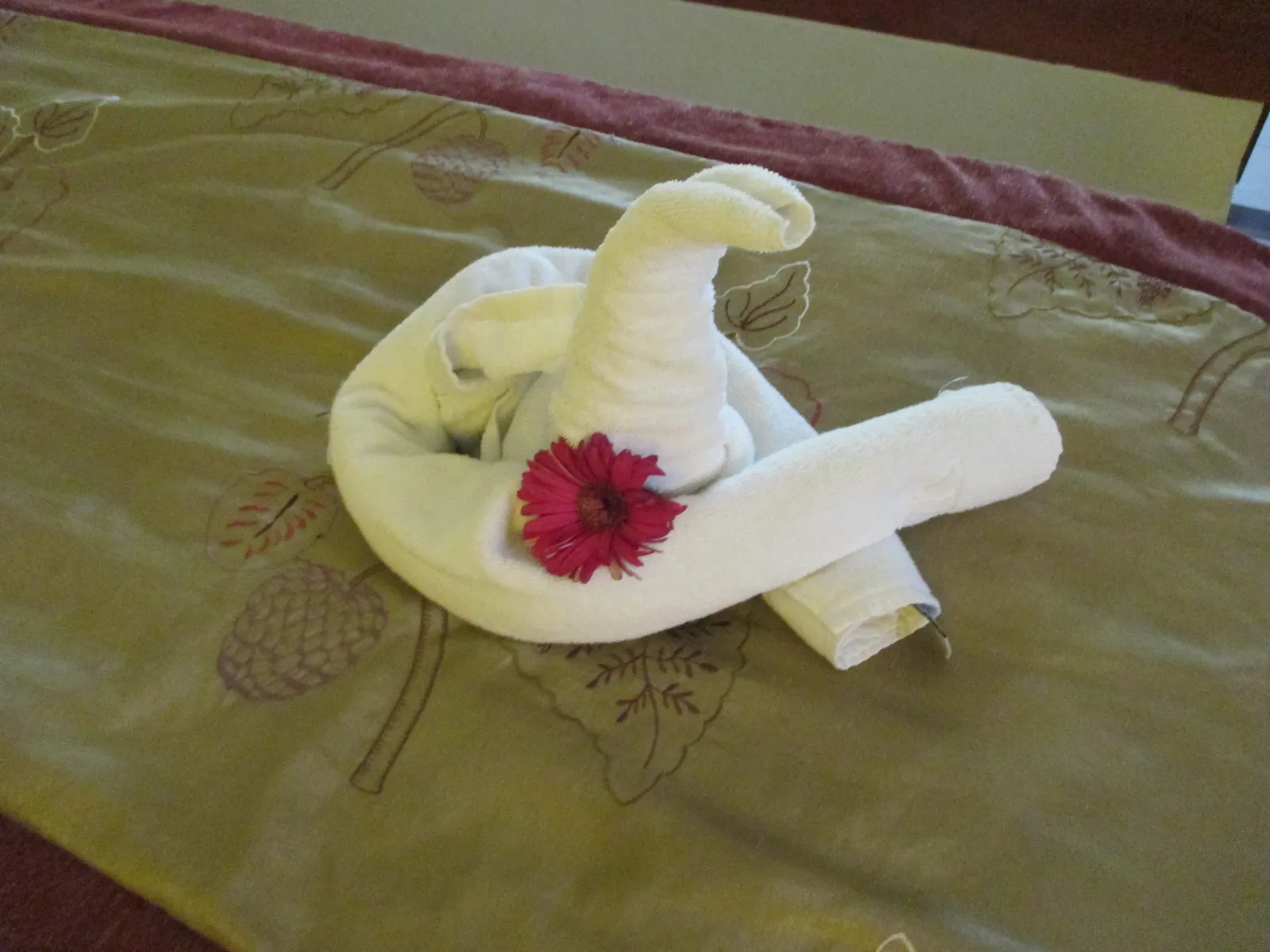
On a typical seven-day cruise, guests see a lot of towel creatures. Normally, stateroom attendants make one per day per cabin, though that cadence can vary with service timing or special occasions. For families or milestone celebrations, stewards have been known to create multiple animals in a single cabin turndown.
The steward you meet on embarkation day is the right person to talk to about this early. The relationship built in those first hours tends to set the tone for the rest of the sailing. A kind word about the craft, and a specific request mentioned casually, often leads to something memorable by nightfall.
Holiday-Inspired Shapes Are a Newer Chapter
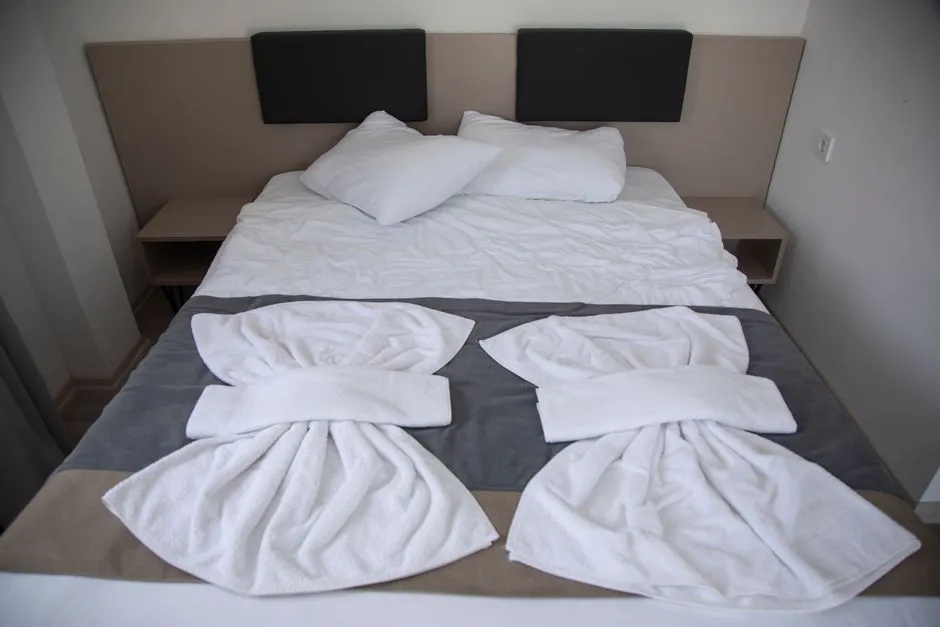
Holland America announced something new for 2024: holiday-inspired towel creations, including Santa and his reindeer, added into the rotation during seasonal sailings. This was a meaningful step forward in how lines think about the tradition, moving it beyond a fixed animal repertoire into something more occasion-aware.
Holland America cabin stewards leave towel creatures for guests as part of turndown service, and towel animal “zoos” often pop up throughout the ship on longer voyages. Watching a corridor lined with a dozen different creatures assembled by different stewards is its own small spectacle, worth seeking out if you’re on a longer itinerary.
The Towel Animal Zoo Is a Surprising Ship-Wide Event
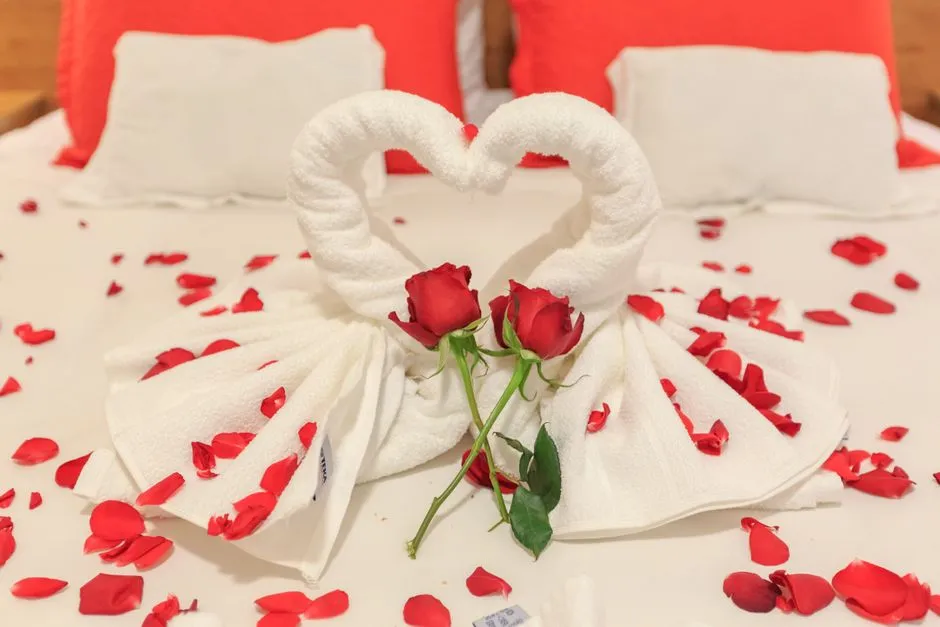
Carnival turns fans into makers with live folding demonstrations onboard, and when schedules allow, stages a full-scale Towel Animal Zoo takeover by the main pool, which is “loved by the guests as a great surprise on deck.” It’s the kind of spontaneous event that doesn’t make it into the advance brochure but ends up being one of the clearest memories from the trip.
On family-friendly cruise lines, there may be a large parade or display of towel animals at some point during the cruise, often in a large lounge or near the main pool where a whole menagerie gathers. If you haven’t wandered past one of these yet, it’s worth asking your cabin steward when the next one is scheduled.
The Sustainability Conversation Has Changed How Some Lines Operate
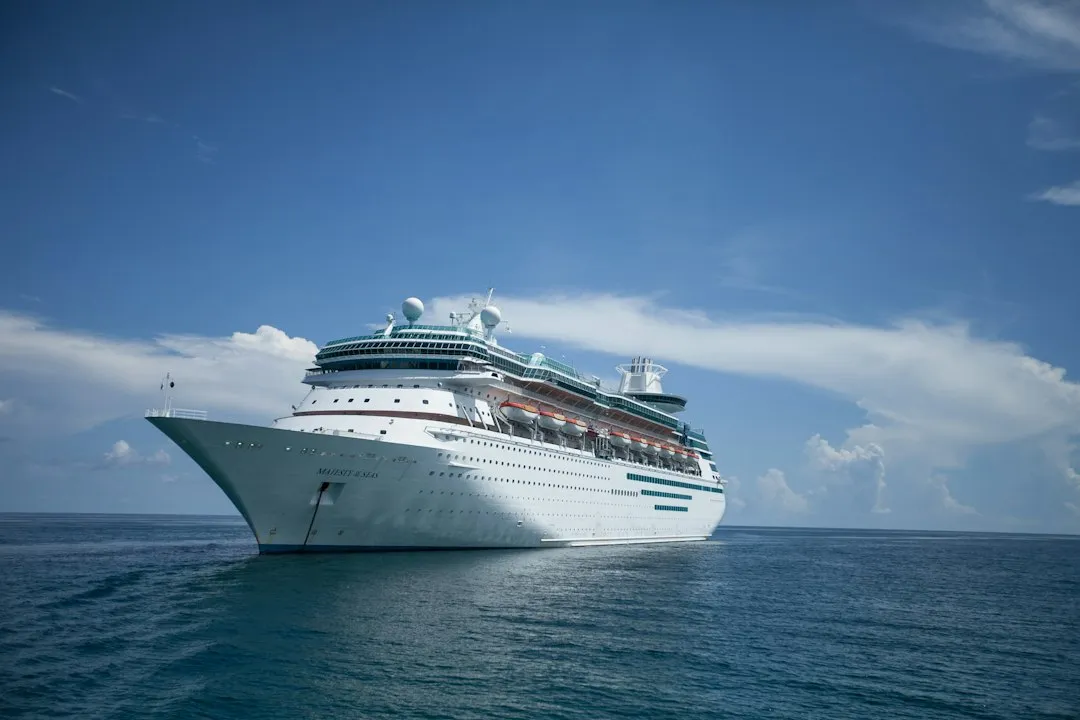
In 2019, Norwegian Cruise Line eliminated towel animals on its ships as part of an effort to become more environmentally sustainable, citing water wastage and the costs associated with extra laundry and housekeeping as the reason for discontinuing the practice. It was a genuine operational decision, not a cost-cutting gimmick, and it reflected a broader shift in how cruise lines think about daily resource use.
However, if you’re cruising with Norwegian and have children ages twelve and under, you can still request a towel animal. Just call housekeeping or chat with your room steward once you’re on board. The option hasn’t disappeared, it’s just become opt-in rather than automatic, which is a reasonable middle ground.
The Scale Behind Each Nightly Fold Is Staggering
Carnival alone folds roughly ten million towel animals each year, with each creation representing the culmination of hours of training and creativity from housekeeping staff who service more than twenty-nine thousand staterooms fleetwide. That figure puts the nightly ritual in a different light. What feels like a small, personal gesture is also a logistical operation at genuine scale.
On large ships, a mind-blowing twenty-nine thousand towels are folded by hand by crew members who work around the clock in two shifts. Towel animals are woven into that daily rhythm, not set apart from it. The steward who turns down your cabin at 7 p.m. has already been managing linens since well before most guests are awake.
You Can Learn to Make Them Yourself, Officially
Royal Caribbean passengers can join a “Folding Artistry” class to develop their towel-folding skills. The line also offers a free downloadable Towel Folding Booklet that provides easy-to-follow steps for making a lobster, an elephant, a monkey, a swan, and other animals. It’s a genuinely fun sea-day activity, and a few guests have walked off ships at the end of a voyage capable of folding a respectable elephant entirely on their own.
Carnival even published “Towel Tales” back in 2004, a book featuring about forty-five creatures with step-by-step instructions, so enthusiasts can keep folding long after disembarkation. The tradition, it turns out, isn’t confined to the ship. It travels home with you if you want it to.
The Real Takeaway
The towel animal sitting on your bed each evening is not a fixed, unchangeable thing. It’s an invitation. The stewards who fold them are trained, creative, and genuinely proud of the craft, and most of them are quietly hoping someone will ask for something specific.
Whether it’s a scorpion, a holiday reindeer, or the same floppy elephant every night because your child has fallen in love with it, the ask is welcome. That’s the detail most first-time cruisers don’t discover until their second or third sailing. Now you know before you board.
AI Disclaimer: This article was created with the assistance of AI tools and reviewed by a human editor.