
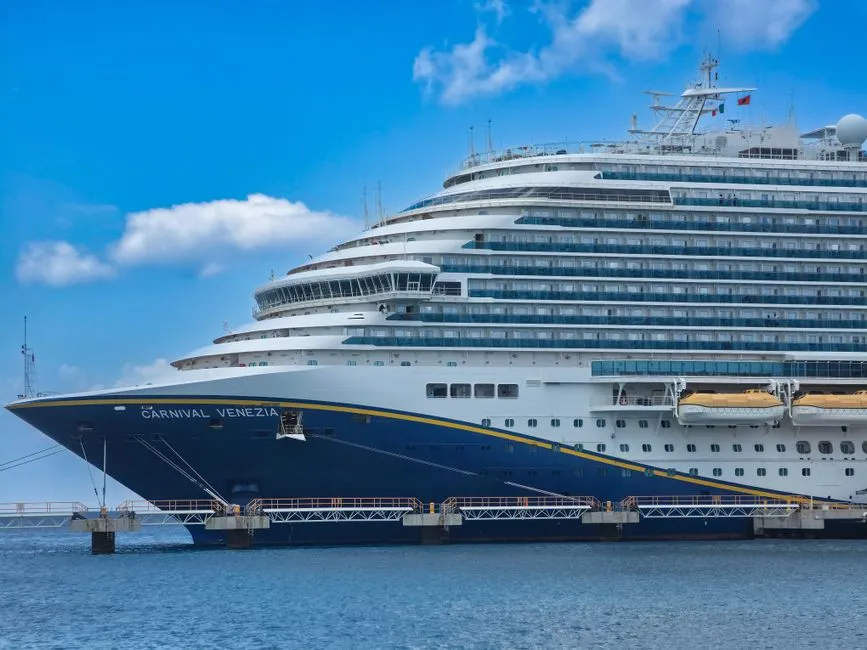

Booking a cruise has always involved a certain amount of trust. You hand over a meaningful sum of money, sometimes many months in advance, and you trust that the terms you agreed to will still protect you when life gets complicated. That trust is now being tested in new ways.
Across the industry, major cruise lines have been quietly rewriting the fine print – tightening cancellation windows, restructuring deposit rules, and shifting the financial risk further onto the passenger. The changes are real, they’re ongoing, and for many travelers, they arrive as a surprise only after they’ve already committed to a booking.
The End of Pandemic-Era Flexibility
For a few years following the global health disruptions of 2020 and 2021, cruise lines introduced notably lenient cancellation terms to win back hesitant travelers. The changes seen today signal a return to more traditional booking standards, as cruise lines like Disney move away from the more lenient pandemic-era policies that offered increased flexibility.
Royal Caribbean’s Cruise with Confidence program, introduced during COVID, allowed penalty-free cancellation up to 48 hours before sailing. As of 2026, this program has been scaled back significantly. Passengers who assumed those protections were permanent are finding that the window has quietly closed.
Refund policies are not static. Cruise lines frequently update their terms in response to market conditions, regulatory changes, and customer feedback. That fluidity is precisely what makes it so important to read the current terms at the moment you book, not the ones you remember from a previous sailing.
Disney Cruise Line Tightens Its Cancellation Schedule
Effective September 30, 2024, Disney Cruise Line updated its cancellation and final payment policies, applying to new bookings, impacting how guests manage their trip cancellations and payment plans moving forward. Guests now need to cancel their bookings earlier than before to avoid penalties, and final payment deadlines have also been adjusted to earlier dates.
For sailings of one to five nights, the cancellation window has been changed to 90 days. The final payment for cruises of five nights or less is now due 90 days before departure – a change from the previous policy, where final payments were required only 75 days before sailing.
For longer cruises, cancellations made between 119 and 56 days before departure result in the loss of the deposit. Guests cancelling between 29 and 15 days will face a 75 percent charge, and cancellations made 14 days or less before sailing will be charged the full cruise fare. These terms apply to new bookings, so travelers who were already booked under older terms retain those conditions.
Princess Cruises Makes Non-Refundable Deposits the Default

Something that had made Princess Cruises unique from other brands was that it traditionally offered refundable deposits on new bookings. Even when guests couldn’t access the refundable deposit option directly, travel professionals could see multiple fare codes and the software would automatically default to the refundable option. But as of October 15, 2025, Princess Cruises made non-refundable deposits the default on all new bookings.
This now aligns Princess with how other major cruise lines operate, including Royal Caribbean, Celebrity Cruises, and Carnival Cruise Line. The shift is meaningful because it removes a backstop that many loyal Princess passengers had come to expect without question.
In some circumstances, refundable deposits may still be offered through promotions or upgrades, but guests who want the additional peace of mind can upgrade to a refundable deposit only at an additional cost. Flexibility, in other words, has become a premium feature.
Carnival Clarifies What “Total Fare” Really Means at Cancellation
Carnival Cruise Line has updated its cancellation policy language to clarify that penalties apply to the Total Fare. Total Fare is defined as the cruise fare plus transfer services, pre- and post-cruise vacation packages, and most air supplements. This is a significant clarification that directly affects how much you could lose.
Because penalties apply to the Total Fare, the financial impact can be significant. On a seven-night sailing priced at $1,400 per person with $180 in government taxes and fees, a traveler canceling inside the 100 percent penalty window would forfeit the $1,220 cruise portion. For a family of four, that could represent nearly $4,880 in forfeited cruise fare.
Certain promotional fares – including Early Saver, Super Saver, and Pack & Go – carry additional deposit restrictions or non-refundable terms. Anyone drawn in by a discounted fare should weigh those savings against the inflexibility they come with.
Norwegian Cruise Line Cancels Dozens of Sailings – And What It Offered in Return
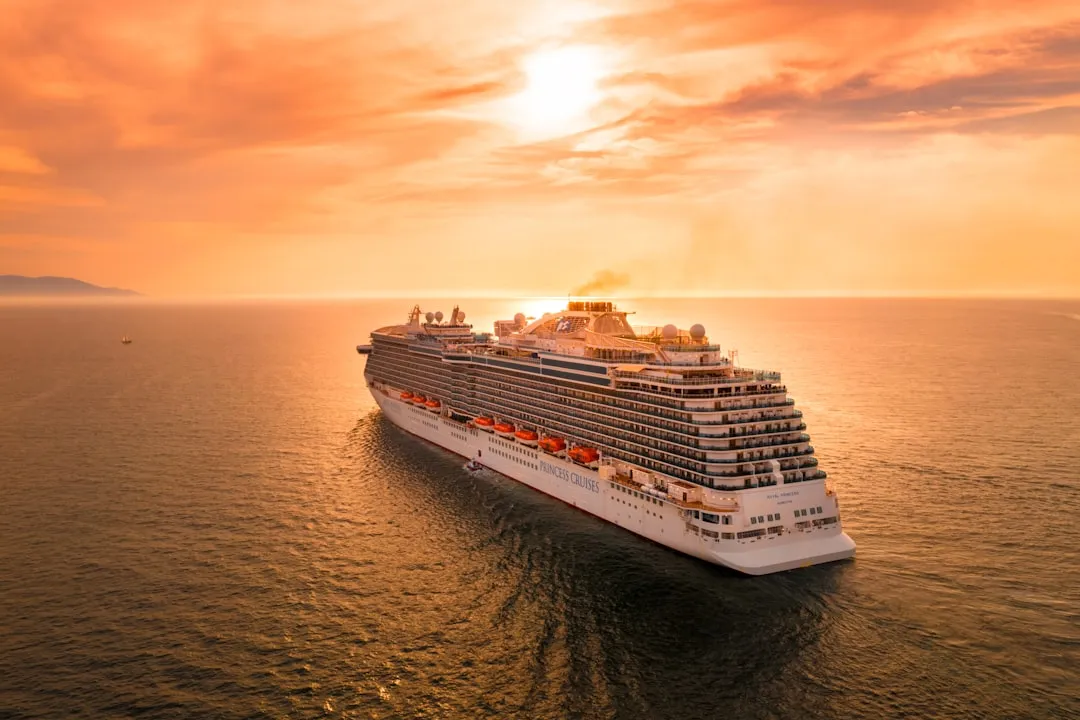
NCL cancelled a total of 35 cruises across four ships – Norwegian Bliss, Norwegian Breakaway, Norwegian Encore, and Norwegian Joy – between November 2025 and April 2026. Additionally, 38 cruises on Norwegian Dawn, Norwegian Star, and Norwegian Jewel were cancelled earlier in November 2024. The scale of these disruptions underscores why understanding refund terms matters before, not after, booking.
For all these cancellations, NCL provided full refunds and a 10 percent future cruise credit valid through December 31, 2026. Notifications were sent to passengers and travel advisors starting December 9, 2024.
Norwegian Cruise Line again shuffled its deployment in 2025, canceling more than 40 departures across two ships, little more than six months after it canceled close to 80 sailings for the 2025 and 2026 seasons. Passengers who had carefully planned itineraries months in advance found themselves starting the planning process over, even when a full refund was on the table.
Holland America Updates Its Refund Schedule for Summer 2026 Sailings
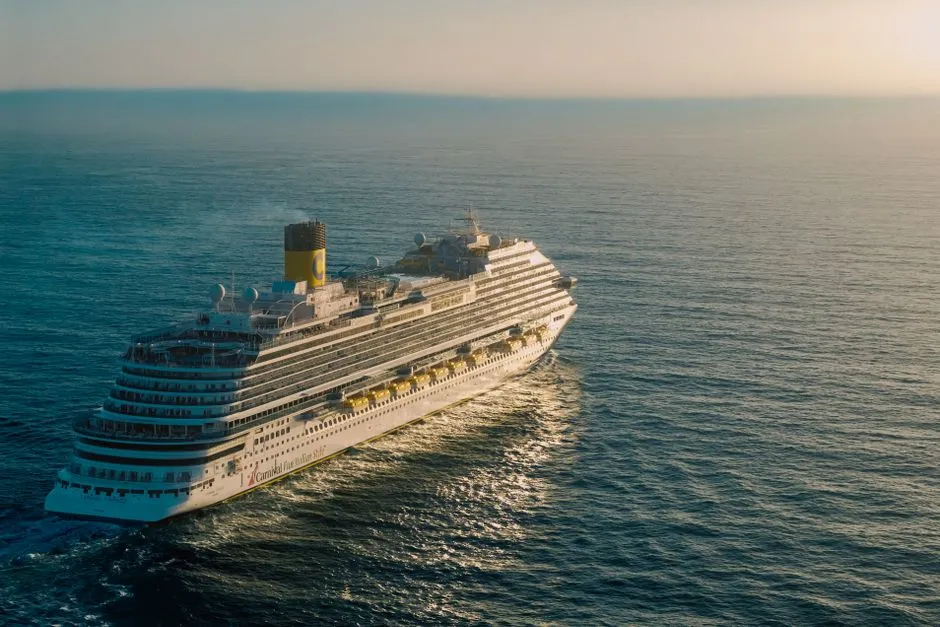
Holland America Line updated its refund schedule for bookings opened November 5, 2025, or later, for voyages in Summer 2026 or later – including Europe from March 2026 and Alaska and Canada/New England from April 2026. Travelers planning these routes need to be especially attentive to which version of the policy applies to their booking date.
For cruises of 14 days and longer, cancellations made 120 or more days before travel receive a full refund. Between 119 and 113 days out, a full refund is given less the required deposit. Between 112 and 76 days, only a 50 percent refund of the gross fare is available. At 75 days or less, no refund is available at all.
If a traveler has purchased a specially priced promotion that is 100 percent non-refundable from the point of payment, they are not entitled to any refund, payment, compensation, or credit whatsoever if they cancel. If the promotion requires a non-refundable deposit, that deposit amount will also not be refunded. These terms are standard across the industry, but they catch travelers off guard more often than they should.
Princess Revamps Its Vacation Protection Program

For cruise bookings opened on or after December 9, 2025, Princess Cruises restructured its vacation protection options: Platinum PVP became the only insurance coverage plan available, Standard PVP was retired, and the At-Ease Waiver was renamed Cancellation Protection.
The changes went into effect for cruises booked on or after December 9, 2025. The cruise line stated the changes were designed to simplify choices and expand coverage where it matters most to guests. Whether simplification genuinely benefits travelers or just streamlines the line’s own administrative process is worth keeping in mind.
Guests who had already purchased Princess Vacation Protection before that date saw no changes. Those bookings were grandfathered, and all existing program elements remained unchanged. This distinction matters, especially for anyone who books far in advance.
The FCC vs. Cash Refund Question
Future cruise credits have become cruise lines’ preferred alternative to cash refunds when passengers cancel. Understanding how FCCs work prevents frustration when trying to rebook. FCCs represent the value of a cancelled cruise that the cruise line holds for future bookings.
FCCs come with important restrictions. Most expire within 12 to 24 months from the issue date, though some cruise lines extended expiration periods during the pandemic. Most FCCs are also non-transferable, meaning only the person named in the original booking can use them. This creates real complications for travelers whose plans shift significantly.
If a traveler doesn’t rebook in time, the credit can become worthless. In some cases, if the new cruise is cancelled, the FCC itself may be lost. Some FCCs can only be used on certain ships, sailings, or during specific seasons. Accepting an FCC without reading these conditions carefully is a gamble that doesn’t always pay off.
Federal Regulations That Actually Protect You
In early 2022, the Federal Maritime Commission established new requirements for when cruise passengers should receive refunds for canceled or delayed voyages. The changes define a cancellation as a delay of three or more calendar days. If the cruise line cancels a sailing, passengers are entitled to a refund not only of the fare but of any extras, such as shore excursions.
According to the U.S. Department of Transportation, if a cruise line cancels a sailing for operational reasons, passengers are entitled to a full refund within seven days, regardless of the booking terms. This is a powerful consumer protection rule that many travelers are unaware of.
The Federal Maritime Commission regulation also allows passengers to file a claim against the cruise line’s bondholders in case of insolvency. That provision carries real weight, given that financial disruption in the cruise sector is not without precedent.
Why Travel Insurance Has Become Non-Negotiable
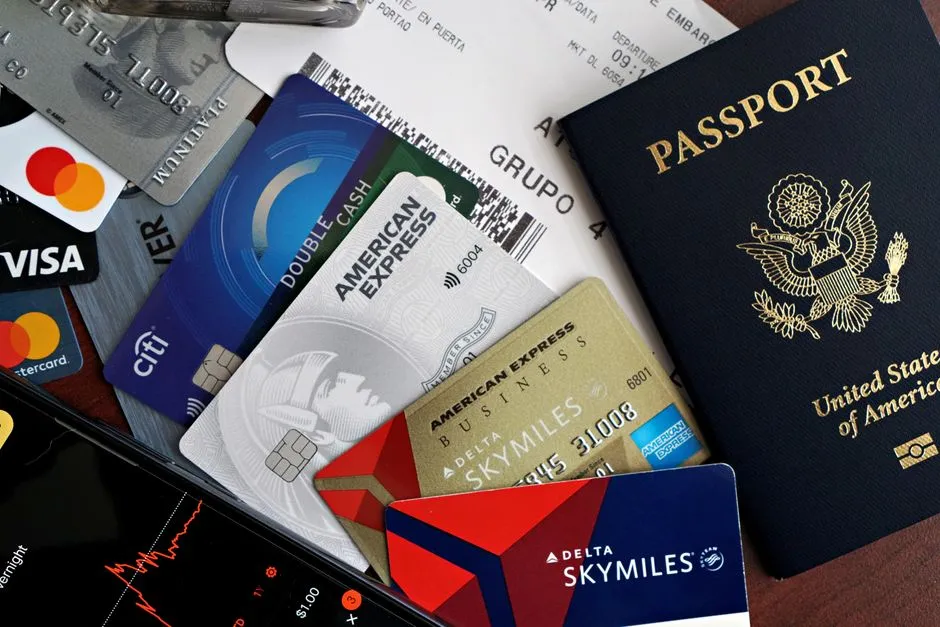
Deposits are typically non-refundable unless you booked a refundable deposit promotion. Cancel-for-any-reason travel insurance is the only way to guarantee a cash refund regardless of timing. For travelers booking far in advance or with genuinely uncertain schedules, this is a practical reality worth planning around.
The Cancel for Any Reason benefit is time-sensitive, available only within 14 to 21 days of making your initial cruise deposit, and requires you to insure the full trip cost for eligibility. Comprehensive cruise travel insurance policies typically cost between four and ten percent of your total insured travel expenses. On a $10,000 cruise vacation, that translates to anywhere from $400 to $1,000 in protection costs.
Third-party travel insurance from providers like Allianz, Travel Guard, or Seven Corners typically offers more comprehensive coverage, including higher medical expense limits, emergency evacuation, baggage protection, and – most importantly – cancel for any reason options. Cruise line-sold protection plans are convenient but often more limited than what’s available through independent providers.
What Smart Travelers Are Doing Differently Right Now
Cruise line cancellation policies are complex and inconsistent across the industry, and not always forgiving to travelers who need to abandon their vacation plans at the last minute. Understanding your line’s cancellation policy and penalty schedule allows you to make an informed decision about whether to buy travel insurance – the one thing that will protect you if an unexpected event requires you to cancel.
Booking 12 to 18 months ahead often provides the best combination of price and cancellation terms, while last-minute bookings typically carry stricter policies. That said, booking early only helps if the refund terms at the time of booking are genuinely favorable – which increasingly requires an active check rather than an assumption.
Before booking any 2026 sailing, travelers should double-check the refund policy and compare what each line offers. A few still provide refundable fares for a slightly higher upfront cost – a small investment that can save hundreds later if travel dates need to change. The landscape rewards those who read carefully and plan with contingency in mind.
The cruise experience itself remains remarkable: the destinations, the sense of freedom, the particular pleasure of waking up in a new port. None of that has changed. What has changed is the financial architecture underneath it. The policies are more complex, the defaults less generous, and the fine print more consequential than it was just a few years ago. Knowing this going in isn’t a reason to abandon a cruise booking – it’s simply the cost of booking wisely.
AI Disclaimer: This article was created with the assistance of AI tools and reviewed by a human editor.