
For first-time cruisers and seasoned sea travelers alike, one question quietly shapes the cabin-booking decision more than almost any other: where on the ship will you actually feel the water? The answer, it turns out, is more mechanical than mystical, rooted in physics, ship design, and decades of collective cruiser wisdom.
Cruise lines rarely spell it out on their booking pages in plain language, but the deck level and fore-aft position of your cabin have a genuine and measurable effect on how smooth your voyage feels. Here is what the evidence actually says.
The Lower Decks Have a Real Physics Advantage
Lower decks sit closer to the waterline, where the motion is slower and more stable. This is not folklore passed around online forums; it reflects the basic mechanics of how a vessel moves through water. Higher decks amplify movement, the same way the top of a tree sways more than the trunk.
Since lower decks are closer to the waterline, they offer a more stable feel with less motion, which can be a significant advantage for those prone to seasickness. On most large cruise ships, the lowest guest cabin decks begin somewhere around decks two through six, though this varies by ship class and line.
Midship Is the Sweet Spot, Not Just a Cliché
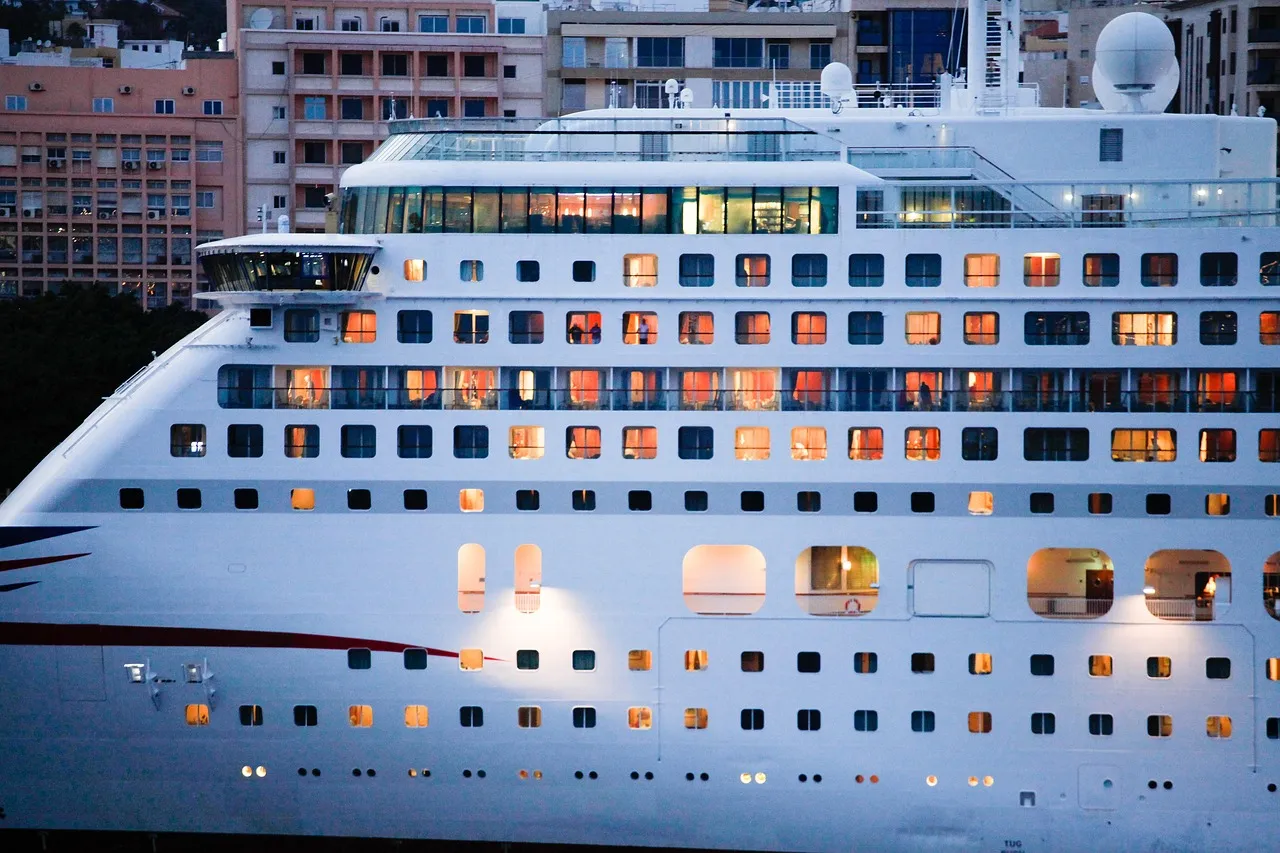
The center of the ship, known as midship, is the balance point, while the front and back swing more dramatically. This is why experienced cruisers tend to seek out midship cabins, especially when they know their itinerary crosses open ocean stretches.
Midship cabins feel the most balanced and least dramatic movement. This is the oldest cabin-location advice in cruising, and it keeps surviving because it is mechanically sound. The farther you move toward the front or back, the more you feel the ship pitch and react.
The Deck 5 to 6 Range Comes Up Most Consistently
When looking for the best deck for motion sickness, most experts recommend staying midship on Deck 5 or 6 if possible. This range tends to combine the benefits of being close to the waterline with enough height to access guest amenities without long elevator climbs.
For those aboard Carnival ships, Deck 6 or 7 midship is a great balance of stability and access to dining and pools. These decks are close enough to the Lido deck for easy pool and buffet access but far enough away to avoid early morning noise. On Royal Caribbean vessels, midship on Decks 6 to 8 generally offers the most stability and central access to amenities like the Royal Promenade, main dining rooms, and entertainment venues.
Forward vs. Aft: Which End Moves More?
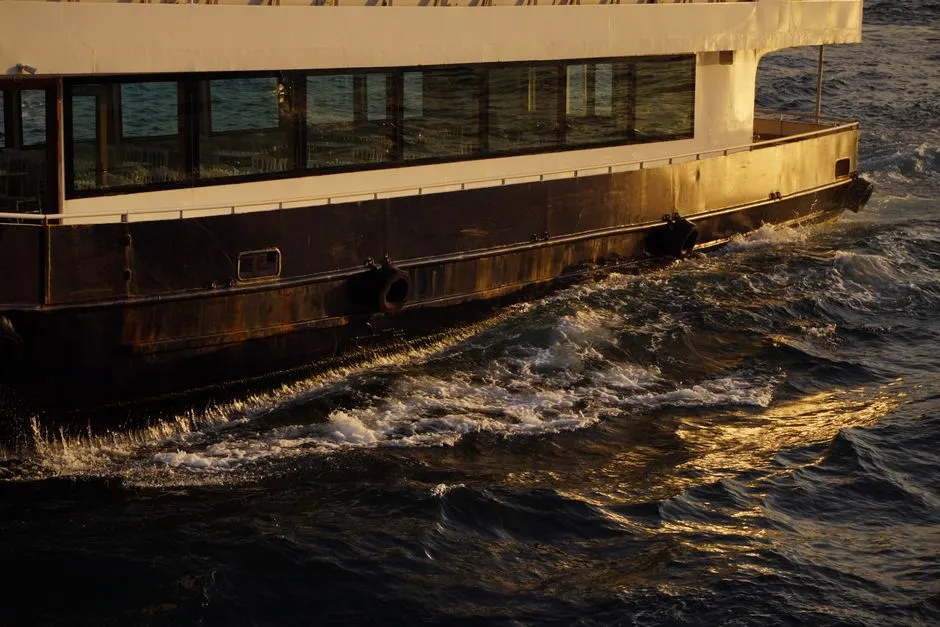
Forward cabins at the front of the ship feel the most up-and-down pitching motion, while aft cabins at the back can feel more vibration and swaying, especially in certain sea conditions. Neither end of the ship is a comfortable choice for motion-sensitive travelers, though the character of the movement differs.
Forward cabins look dramatic on paper, and some cruisers love the bow-facing views. Still, in choppy conditions, that forward position can translate into the most pronounced pitching sensation on board. The aft tends to be quieter in foot traffic but carries its own engine vibration considerations on many ship classes.
Ship Size Makes a Meaningful Difference
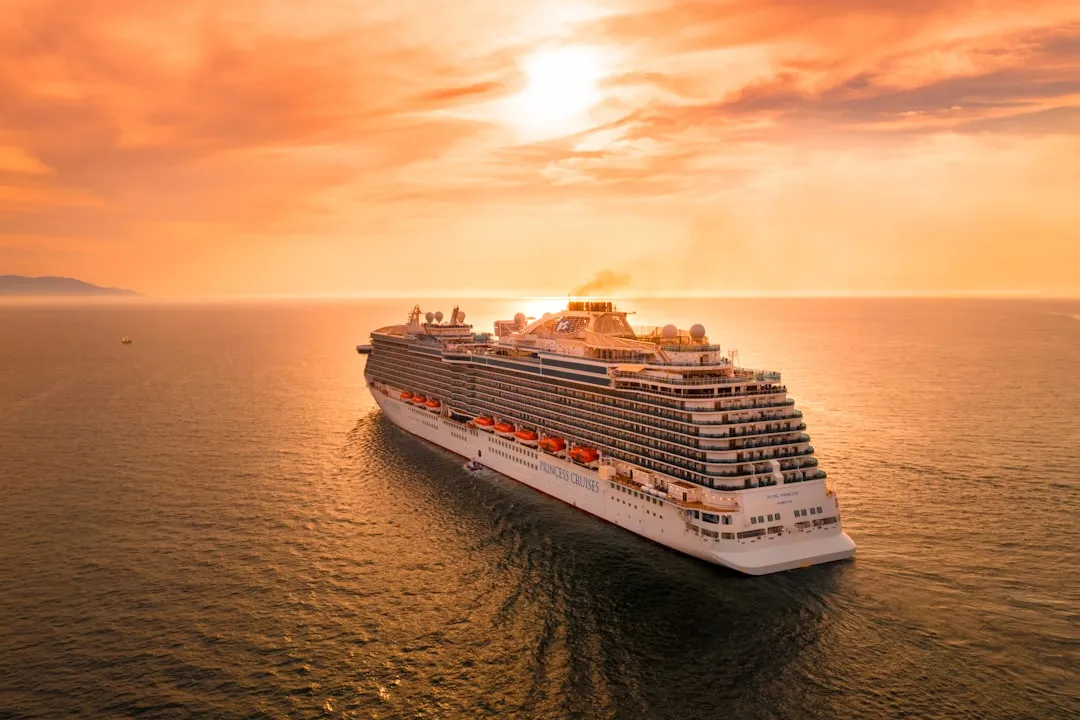
The size of a ship matters. The bigger the cruise ship, the less movement you will feel. Large modern vessels, by virtue of their sheer mass and hull design, dampen wave energy far more effectively than smaller ships do. Today, medium to large cruise ships range from 75,000 tons to 226,000 tons.
Newer, larger vessels are less prone to motion sickness, thanks to their large size and modern stabilizers that counteract the motion of the waves. So the ship itself matters almost as much as your cabin position within it. Choosing a newer, larger vessel on a rough-weather itinerary is a smart first step before even thinking about deck selection.
How Modern Stabilizer Fins Actually Work
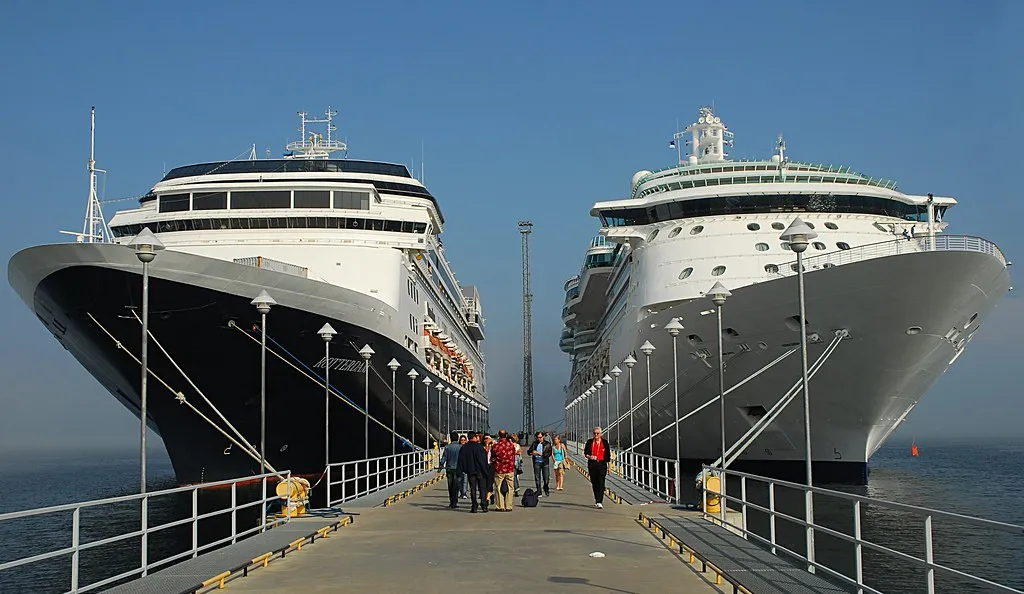
Stabilizers are fins or rotors beneath the waterline, extended from the ship’s hull to stabilize the ship and prevent it from rolling. This rolling could result from either wind or waves, and the stabilizer steadies the ship. They are deployed automatically in rough conditions and retracted in calm or confined waters.
Active stabilizers use sensors to monitor the ship’s movement and adjust the fins in real time. Active fins have a relatively high 90% success rate, ensuring smooth sailing. Even on large ships with stabilizers, the laws of physics still apply to how ship motion works. Stabilizers reduce side-to-side rolling, but they cannot eliminate all motion, especially in rough seas or open ocean crossings.
What the Research Actually Shows About Cabin Location
There is an important nuance that rarely makes it into travel blogs. A study was undertaken to determine if there is a statistical association between the location of the passenger cabin on a ship and the risk of motion sickness in unadapted passengers. Data were collected on 260 passengers on an expedition ship traversing the Drake Passage between South America and Antarctica during rough sea conditions.
The risk of motion sickness was found to be statistically associated with age and sex. However, no association was found with the location of the passenger cabin. Crucially, passengers who are able to lie in a supine position are at considerably reduced risk of motion sickness. Expedition or cruise ships that provide ready access to berths allow passengers to avoid the most nauseogenic positions. In short, how you position your body during rough weather may matter more than which deck you booked.
How Common Is Motion Sickness at Sea?
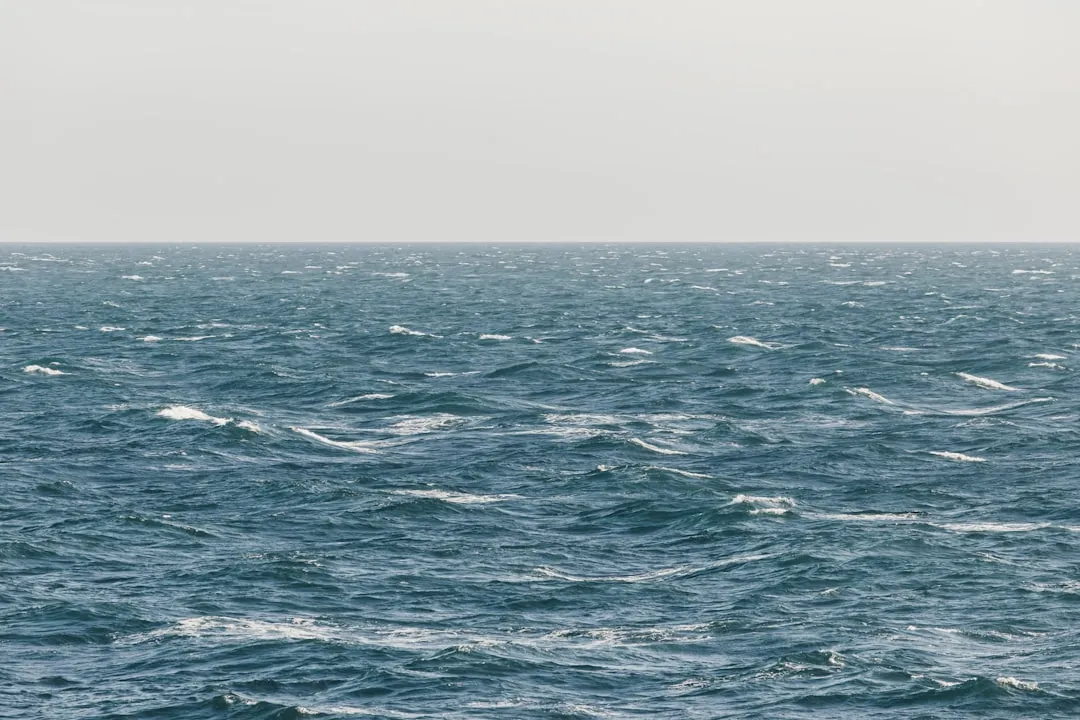
According to the CDC, seasickness is one of the most common diagnoses for passengers seeking medical care on cruise ships, affecting up to a quarter of travelers and accounting for about 10% of visits to the medic onboard. The numbers vary considerably depending on conditions. Up to a quarter of the passengers on a large ship will develop motion sickness within two to three days of the start of an ocean voyage, with the incidence higher in smaller vessels and with adverse weather.
Studies suggest between roughly a third and half of first-time cruise passengers experience some level of seasickness, though most cases are preventable with the right preparation. Seasoning matters too. Most passengers adapt within the first two to three days, as the body gradually adjusts to the ship’s rhythm.
The Horizon View Factor: Why Your Cabin Type Also Counts
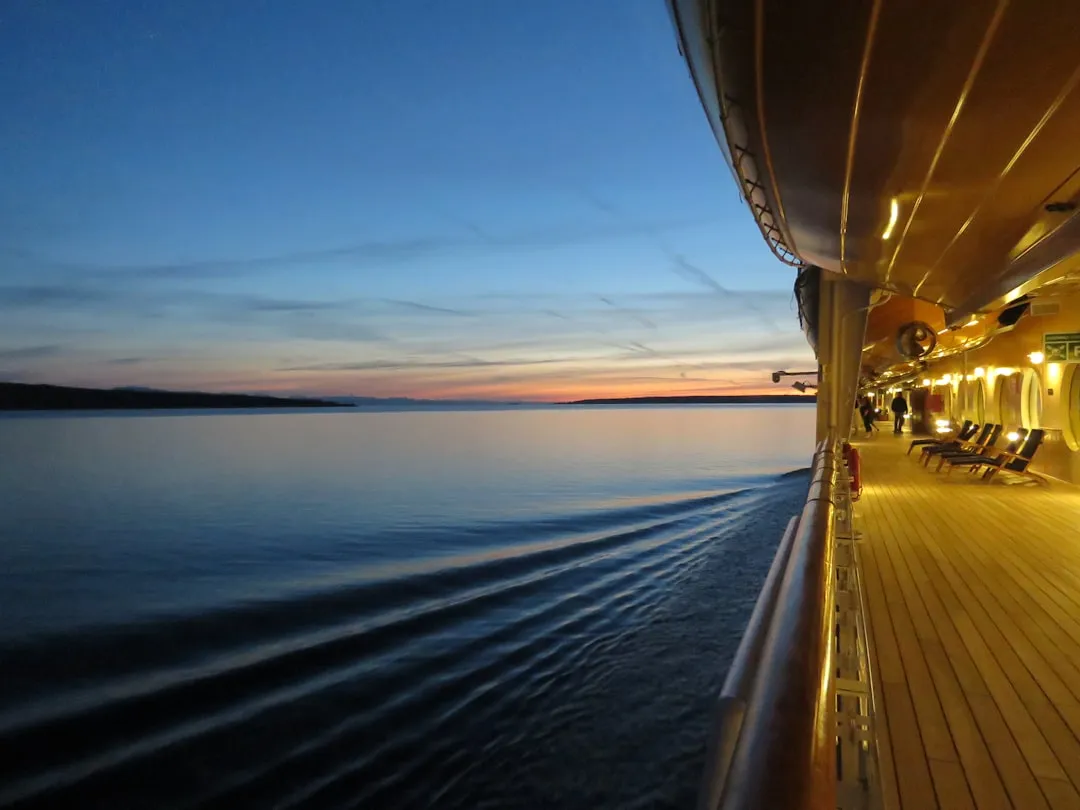
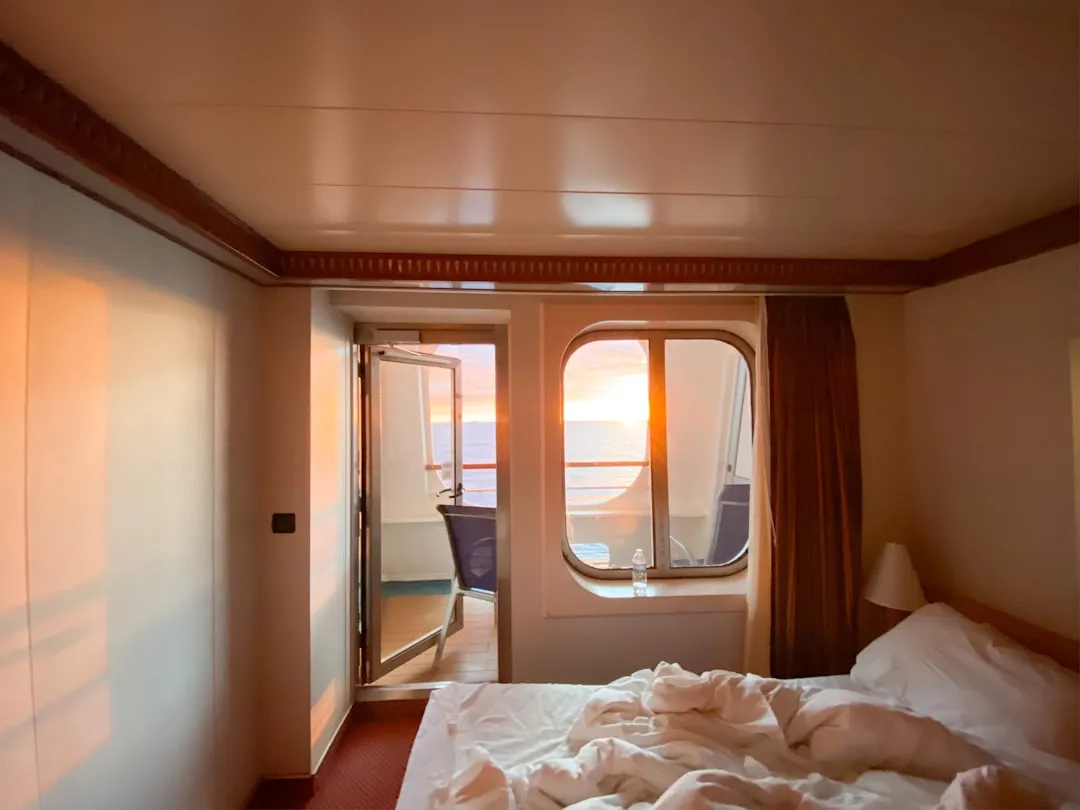
A rock-solid inside cabin may sound perfect, but if you feel sick and cannot easily get fresh air or look at the horizon, recovery can feel slower. The horizon gives the brain a fixed visual reference that helps resolve the conflict between what the inner ear senses and what the eyes see. That resolution is what relieves the nausea.
If you have the budget, an oceanview or balcony on a lower midship deck is often the best compromise between stability and symptom management. If you are really worried about seasickness, consider booking a cabin with a balcony. If you are able to sit on the balcony and look out to sea, you will feel much better than if you lie down in a windowless inside cabin.
Practical Steps for Booking the Calmest Cabin
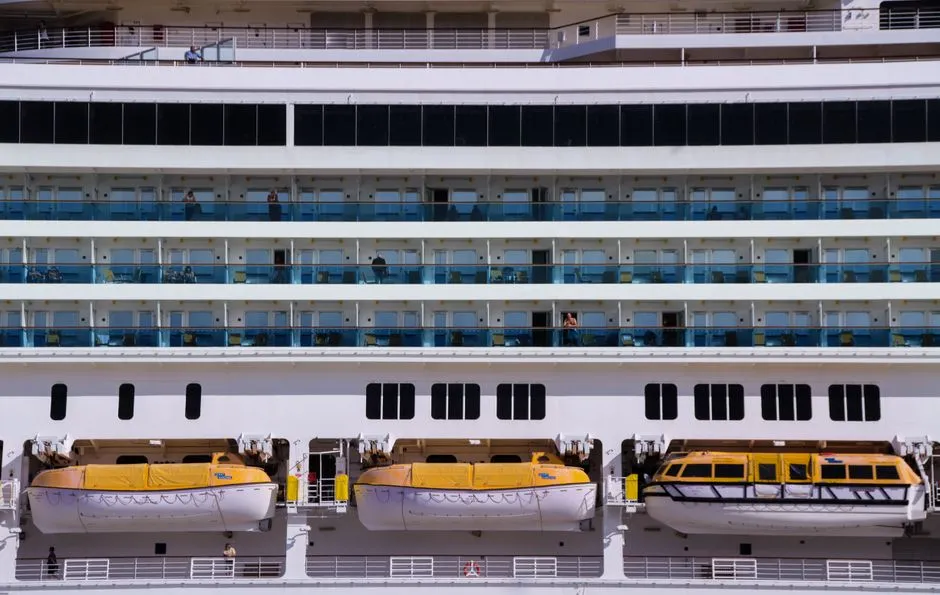
When you open a ship’s deck plan, look at the ship layout and identify the center section, not the exact middle cabin, but the middle third of the ship lengthwise. You want to stay inside that band if possible. From there, aim as low as the available cabin inventory allows while keeping a window or balcony in the picture.
If you want both a balcony and a smooth ride, try to book a midship balcony cabin on the lowest deck available with balconies. These are usually found around Deck 6 or 7 on most Royal Caribbean ships. If you want to know what’s the best deck to avoid noise, look for cabins sandwiched between other stateroom-only decks, positioned away from theaters, clubs, pool decks, or other high-traffic areas. Stability and quiet tend to reinforce each other as conditions for a restful voyage.
The Honest Takeaway
There is genuine, physics-backed reasoning behind the advice to book a lower midship cabin, and cruise lines know it well enough that experienced travel advisors repeat it constantly. At the same time, the research reminds us that body position during rough weather, ship size, and sea conditions all play a role that no deck number can override.
The calmest deck level is less a fixed address and more a starting point. Book lower and midship when you can, choose a ship with modern stabilizers, keep a balcony or window in your plan, and let the sea do the rest. Most people adapt far more quickly than they expect, and the ocean has a way of rewarding those who meet it with a little patience.
AI Disclaimer: This article was created with the assistance of AI tools and reviewed by a human editor.