

Most cruise passengers spend the weeks before a sailing thinking about excursions, dining reservations, or what to pack. For travelers with accessibility needs, though, there’s one conversation that matters far more than any of those things, and most people don’t have it until it’s too late. Accessibility coordinators across major cruise lines are increasingly consistent on this point: the single most important request you can make has nothing to do with the day you board. It happens well before that.
A 2024 survey by the Open Doors Organization found that roughly one in eight U.S. adults with accessibility needs had taken at least one cruise in the past five years. That’s a significant and growing share of the traveling public. According to a March 2024 CLIA survey, nearly half of all cruise travelers booked an accessible shore excursion in the past year, which signals just how central accessibility planning has become to the modern cruise experience.
The Most Important Request: Contact the Access Desk Before You Book
This is the central point that accessibility professionals return to again and again. The key booking step is to contact the cruise line’s accessibility department at the time of booking, not at embarkation. Waiting until you arrive at the pier is one of the most common mistakes travelers make.
Contacting the cruise line’s accessibility desk directly, rather than simply noting a mobility need in a general booking form, is the more reliable way to confirm an accessible cabin and any assistive equipment needs before the sailing date. The distinction between the two matters enormously in practice.
Accessibility coordinators, known at Norwegian Cruise Line as “The Access Desk,” assist guests before, during, and after a cruise. Norwegian asks guests to contact the desk at least 90 days before sailing for interpreter requests and 45 days for all other needs.
Accessible Cabins Sell Out Faster Than You’d Expect
Only about three to five percent of a ship’s total cabin inventory is built to ADA standards, and on popular sailings, accessible cabins are frequently gone well before the cruise date. That’s a genuinely slim inventory for a large and growing segment of travelers.
Royal Caribbean’s Oasis-class Utopia of the Seas, which debuted in 2024, offers 45 fully ADA-certified accessible staterooms, which may sound like a solid number until you consider the ship carries over 5,000 passengers. Carnival’s Excel-class ships offer 50 fully accessible staterooms plus 25 ambulatory accessible cabins.
The practical implication is simple. If you need an accessible cabin, don’t wait for a sale. Book early and book directly through the accessibility desk, not through a third-party comparison site.
Request an Embarkation Day Meeting with Your Onboard Coordinator

A meeting with onboard staff on embarkation day can be requested to get a general overview of the ship’s program and entertainment activities. This is one of the lesser-known options available, and few passengers take advantage of it.
Upon request, cruise lines can arrange an embarkation day meeting with a staff member who will see to your accessibility needs throughout the cruise. Getting that conversation in on day one means you’re not troubleshooting logistics while trying to enjoy your vacation.
Prior to sailing, guests can request a meeting with onboard access coordinators, and while aboard, can also request one at the Guest Services desk. The pre-sailing request simply gives coordinators more time to prepare.
Ask About Priority Boarding Before You Arrive at the Pier

Priority boarding for accessibility needs is tied to a stated need, not to age. MSC’s accessibility form includes a box specifically for guests who require priority during embarkation and disembarkation because of a medical condition. That shorter, calmer boarding line is built from paperwork completed in advance.
Royal Caribbean and Azamara both include early boarding among their listed accessibility services. The key is making the request through the proper channel before sailing, not asking for it at the terminal when boarding has already begun.
Notifying your cruise line at least 48 hours in advance for wheelchair escort assistance through the terminal is a separate step from your onboard accessible cabin request, and both matter independently.
Know Your Ports: The Tender Port Problem
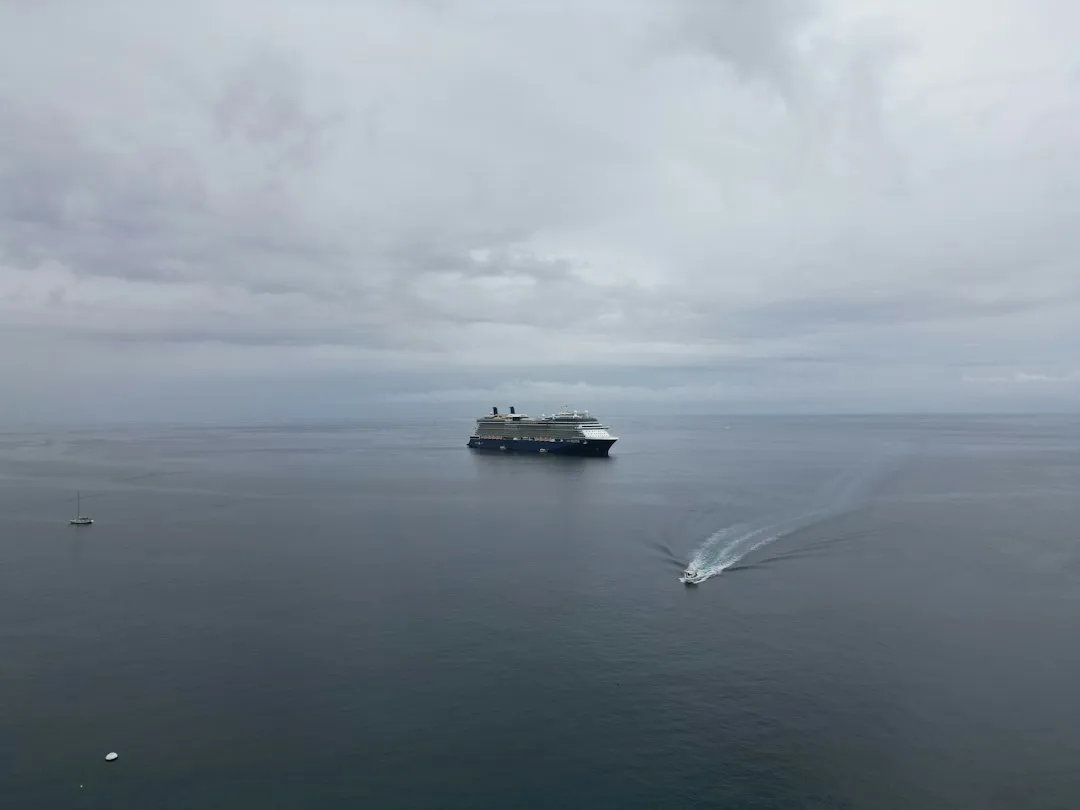
Ports where the ship anchors offshore and shuttles passengers ashore by small tender boat represent the biggest accessibility barrier at sea. This is something many travelers don’t discover until they’re already on the ship.
Most cruise lines have a blanket policy that power wheelchairs and mobility scooters cannot be transported on tender boats. Manual wheelchairs may be allowed at the captain’s discretion depending on sea conditions, but that’s not guaranteed.
Checking whether specific ports on an itinerary are tender or dock-side ports before booking avoids an unpleasant surprise on embarkation day. Your accessibility coordinator is the right person to ask, and they can often help you identify alternatives on that specific itinerary.
Fill Out the Accessibility Questionnaire Fully, Not Partially
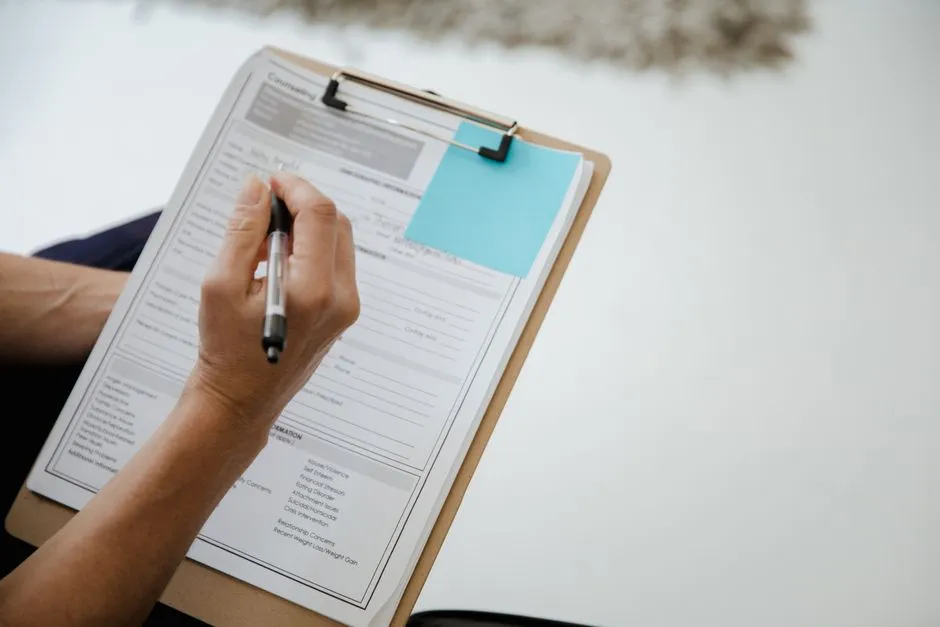
Providing detailed information helps the cruise line meet your needs and enhance your experience. Norwegian Cruise Line encourages guests to complete an Accessibility and Medical Questionnaire. A vague or incomplete form often results in inadequate preparation on the ship’s end.
Reception staff match accessible rooms to the stated need, not to general assumptions, so a vague request can result in a standard cabin. The more specific you are, the better the outcome tends to be.
Holland America Line encourages guests to contact the Guest Accessibility Department and submit a Special Requirements Information form before departure, recommending it be submitted at least 45 days prior to sailing so the team has adequate time to prepare any requested accommodations.
Request Assistive Equipment and In-Cabin Devices in Advance
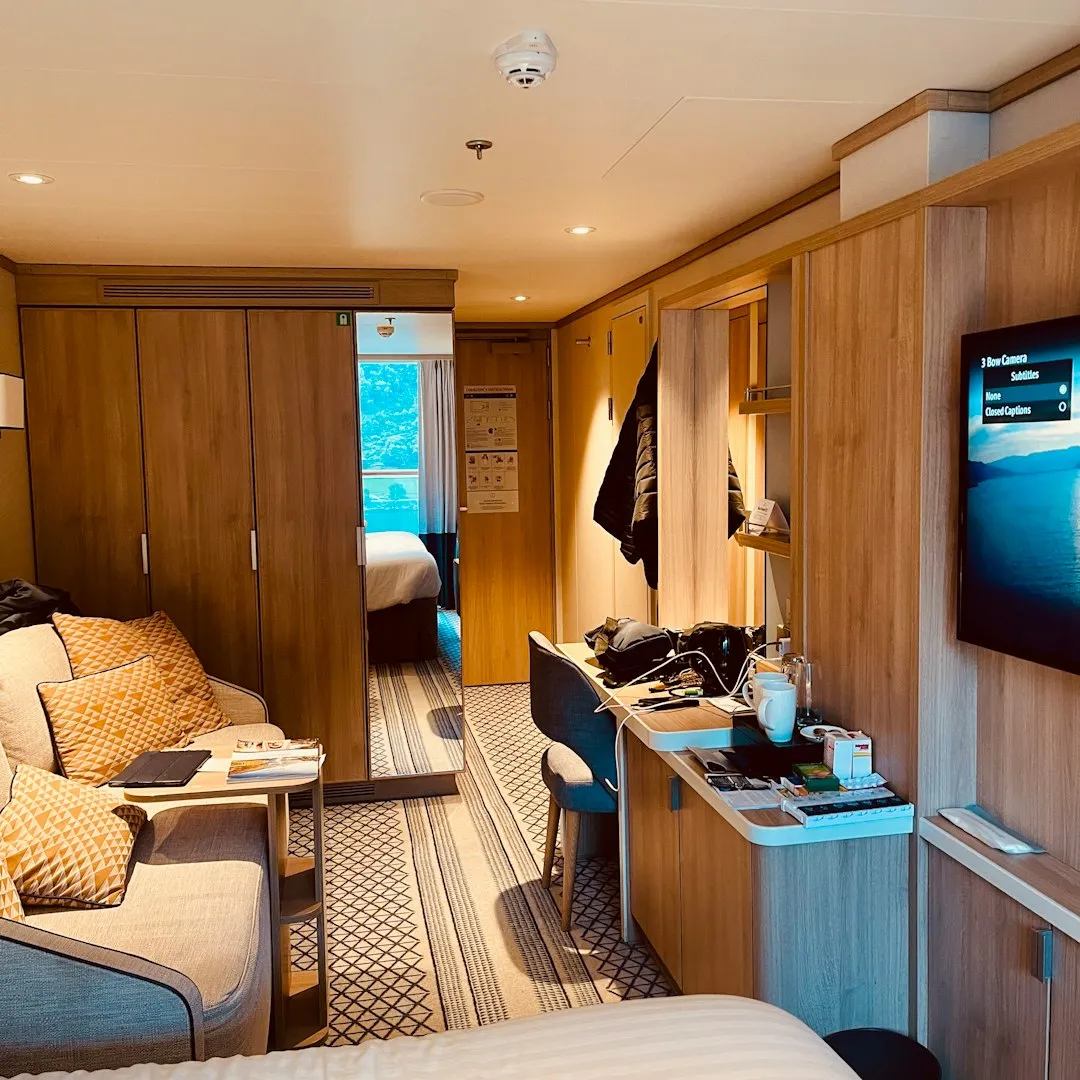
Royal Caribbean can provide portable room kits upon request, which include a visual-tactile alert system that provides alerts for door knocking, telephone ringing, alarm clock, and smoke detector. For staterooms, the cruise line also offers teletypewriters that interface with the TTY at Guest Relations. These are not automatically placed in every room.
These kits are available in limited numbers on each ship and are assigned on a first come, first served basis. That makes early contact with the accessibility desk even more essential for guests who rely on these tools.
Upon request, Carnival’s housekeeping team can also forgo specific chemicals and fragrances when preparing a cabin, and can ionize staterooms prior to sailing for guests with chemical or fragrance sensitivities. This is the kind of accommodation that simply doesn’t happen unless you ask well ahead of time.
Cognitive and Developmental Needs Deserve the Same Advance Planning
Guests with cognitive, intellectual, and developmental disabilities, including autism, cerebral palsy, Down syndrome, and Alzheimer’s disease, are encouraged to contact the Access Desk to discuss their cruise in detail. The conversation is worth having even if you feel uncertain what to ask for.
Accessible cruising now accommodates people with mobility disabilities, Autism Spectrum Disorder, and functional needs, allowing them to enjoy games, shows, dining, and activities. The range of support available is broader than many passengers realize.
According to a 2023 survey by the Department for Transport and Maritime and Coastguard Agency, roughly four in five passengers with a disability or access need reported being satisfied or very satisfied with their overall journey. That high satisfaction rate is likely not an accident. It reflects preparation.
Understand Your Rights as an Accessible Traveler
Cruise operators cannot charge disabled passengers more for the same ticket, cannot refuse boarding solely on the grounds of disability, and must provide assistance at no additional cost in many circumstances. These aren’t just good-faith commitments. They are legally mandated protections in many jurisdictions.
All public spaces on cruise ships, including dining rooms, entertainment venues, lounges, and pools, must meet ADA requirements. The challenge is that accessible cabins remain a much smaller slice of total inventory, which is why booking timing is so consequential.
A dedicated Corporate Complaint Resolution Official is available around the clock to assist with any disability-related concerns that could not be resolved by the reservations department, the Access Desk, Terminal Operations Manager, or onboard Access Coordinators before, during, or after a cruise. Knowing that escalation pathway exists is itself useful information.
The Embarkation Day Meeting: What It Actually Involves
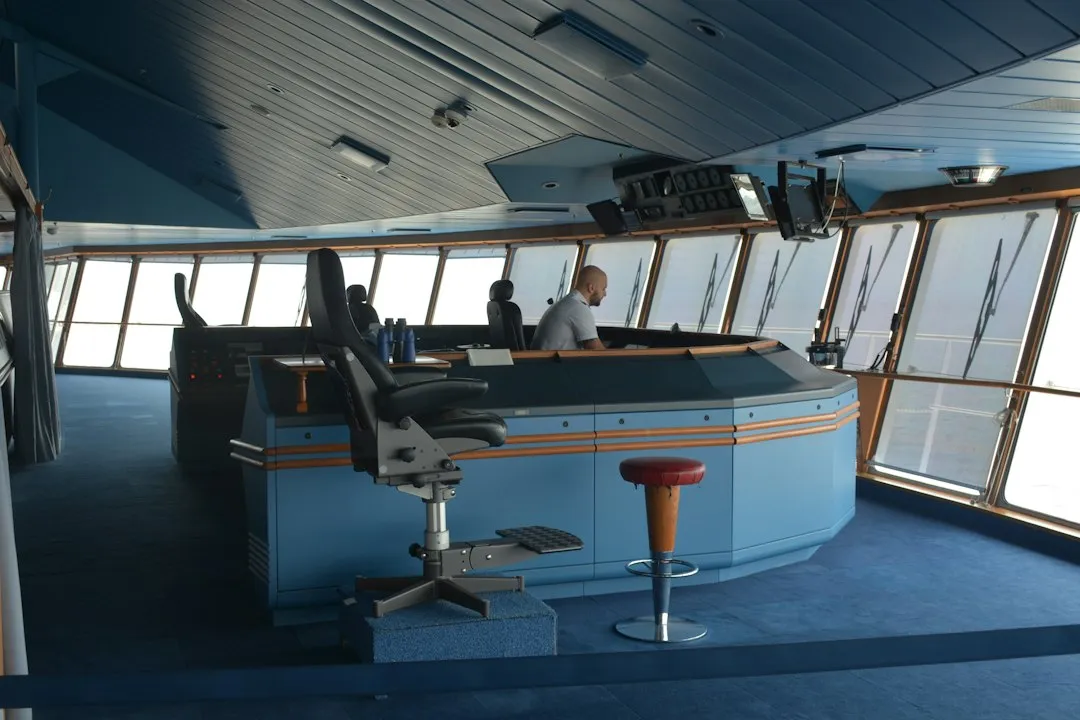
At the port of embarkation and debarkation, Terminal Operations Managers are available to assist with special needs, and the onboard Access Coordinator assists with special accommodation requests on the vessel. These are two separate roles working in coordination to support guests through the process.
Accessible cabins are typically available at the same time as all other cabins, usually between 1:00 and 2:00 PM, but guests can request priority cabin access through the accessibility desk when pre-registering their needs. That pre-registration is what unlocks the earlier access.
Booking early through the cruise line’s accessibility desk, confirming tender versus dock-side ports on the itinerary, and requesting boarding assistance about 30 days ahead are the three steps that make the biggest difference for accessible cruising. Everything else flows more smoothly from those three.
The Takeaway
The request cruise accessibility coordinators most want you to make isn’t a complicated one. It’s simply to call or write before you assume anything is handled. The gap between a frustrating cruise and a genuinely smooth one often comes down to whether that early conversation happened.
Accessibility coordinators exist specifically to solve these problems, but they can only do so with time and information. Booking early through the cruise line’s accessibility desk, confirming port logistics, and requesting boarding assistance well in advance are the steps that consistently make the biggest difference.
The industry has made real strides. The ships, the policies, and the trained staff are largely in place. What remains in the traveler’s hands is the simple act of reaching out early, being specific about needs, and trusting that a conversation now will pay off significantly on boarding day.
AI Disclaimer: This article was created with the assistance of AI tools and reviewed by a human editor.