
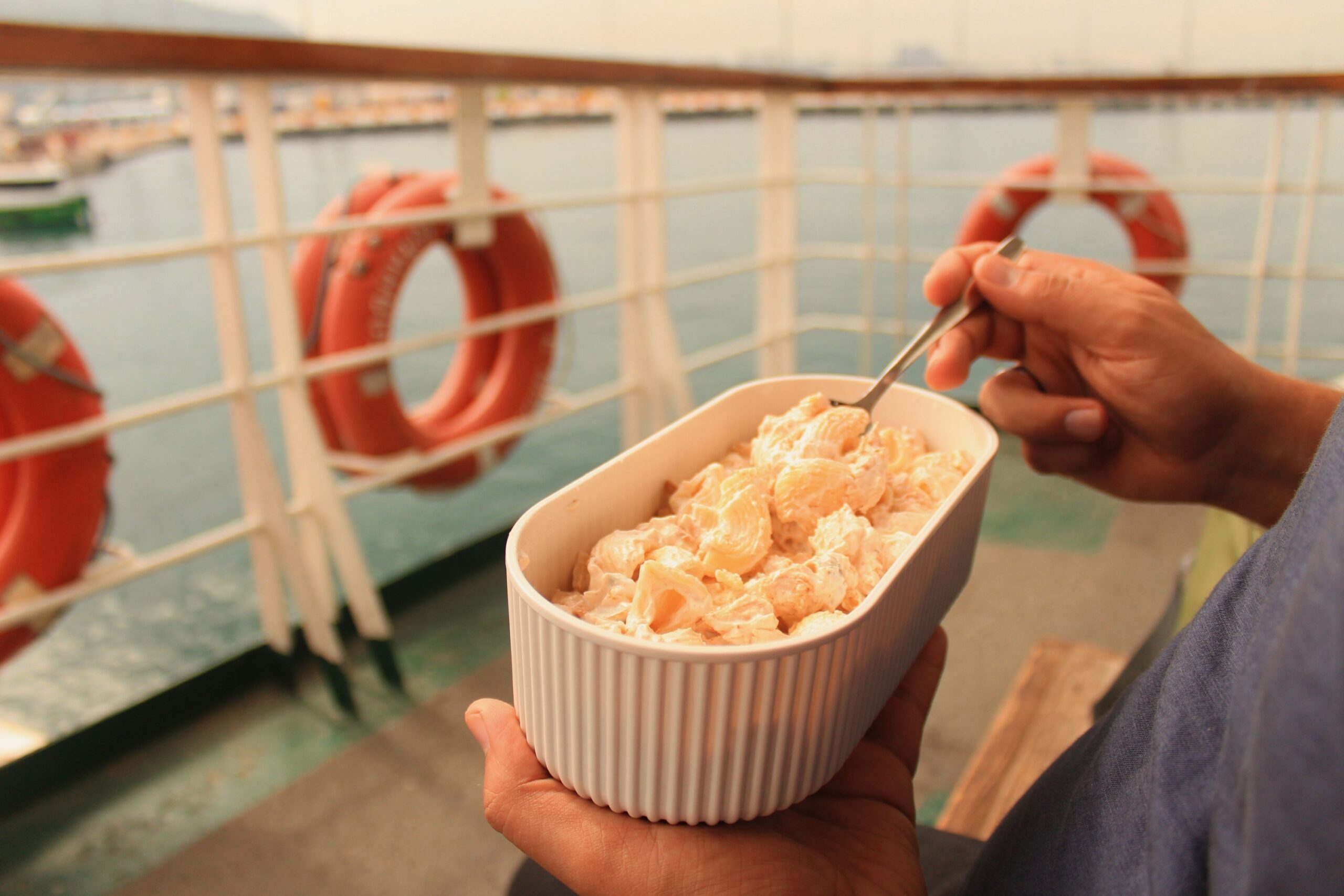

The Made-to-Order Station Hidden at the Back
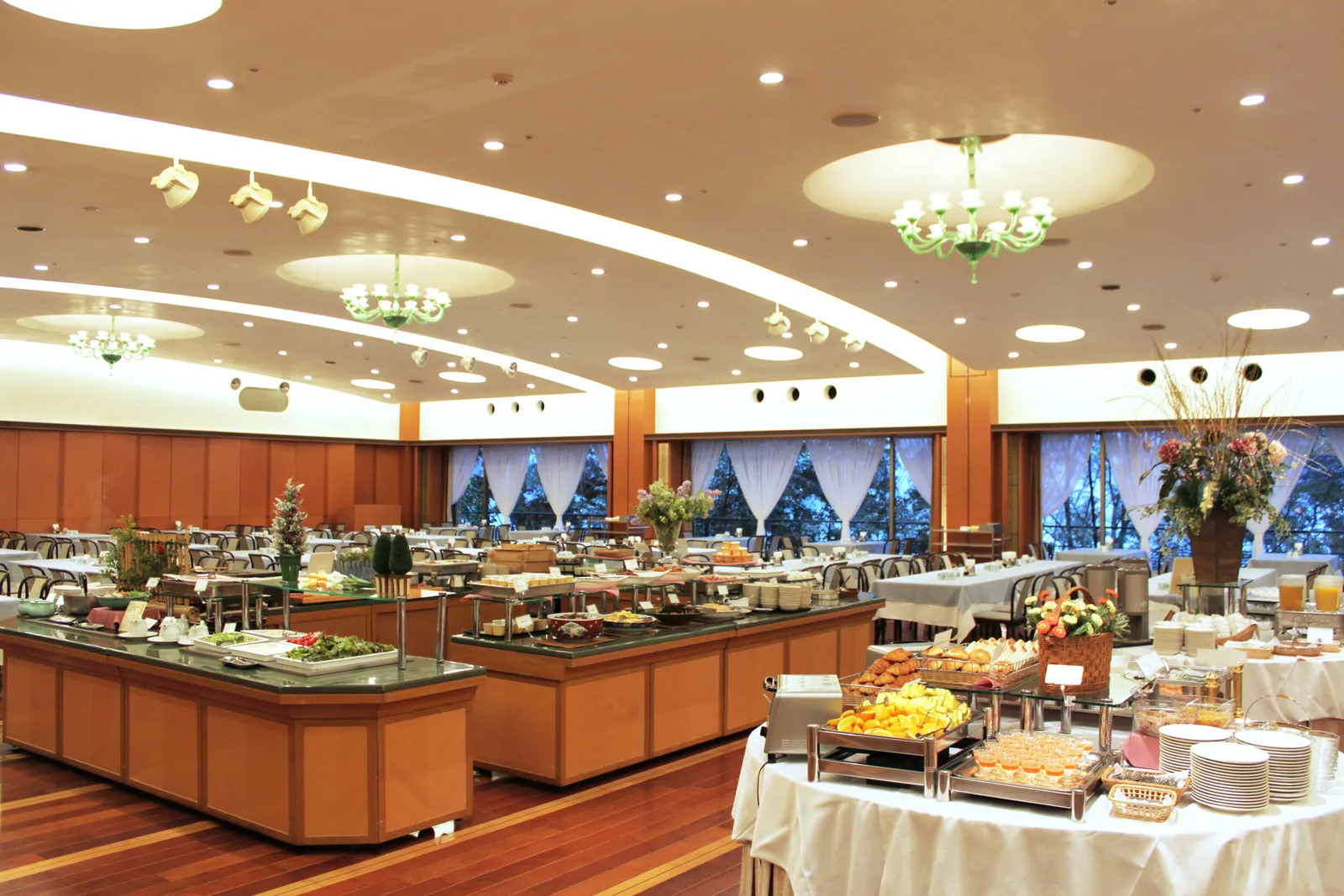
The hidden secret of the Windjammer – Royal Caribbean’s main buffet – is to look past the buffet lines and head to the cooking stations toward the back. Most passengers never make it that far. A lot of cruisers head straight to the buffet lines and load up before they even see the cooking stations, partly because those stations are always placed toward the rear of the space.
It’s fairly common to hear from a cruiser that they were unaware that the cooking stations were even an option – many assume the stations are meal prep areas for the crew. That misunderstanding costs them some of the freshest food on the ship.
Why Fresh-Cooked Beats the Steam Tray Every Time
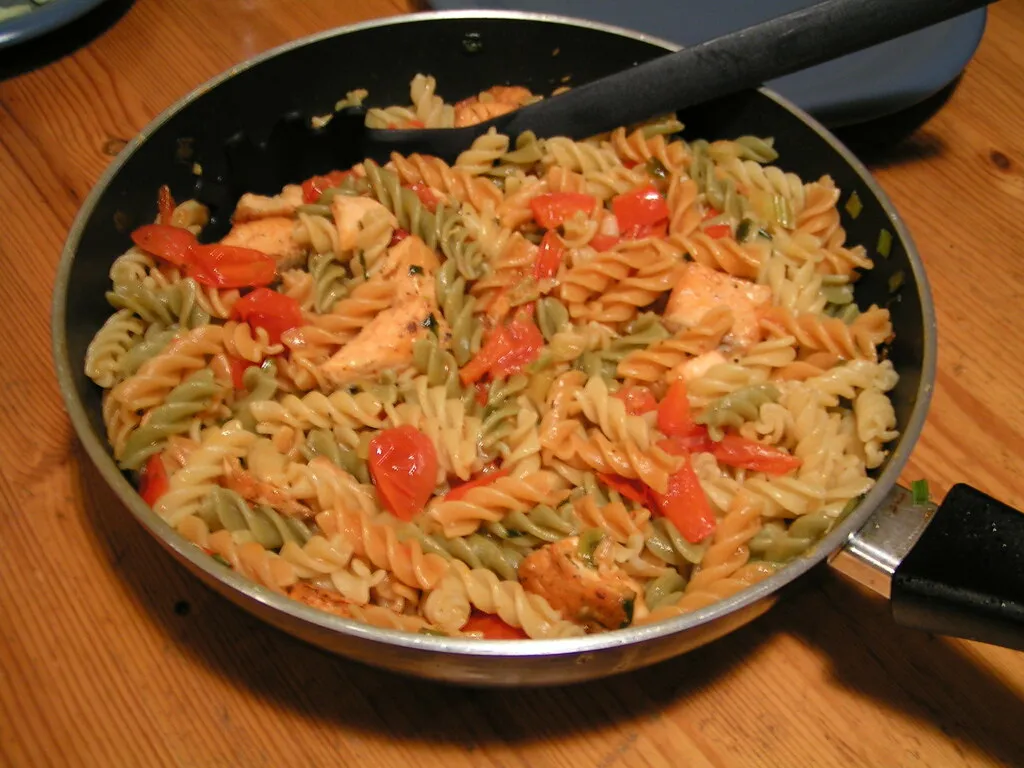
Because the cooking stations prepare food when you order it, you don’t deal with food that may have been sitting under a heat lamp. The serving size is usually big enough to be considered an entree in and of itself.
It’s hard to go wrong with the sheer variety of food around the buffet, but it’s all food that was made in a batch. It’s not bad by any means, just not as fresh or customized as you’d like it. The difference in texture and flavor between a pasta cooked to order and one sitting in a warming tray for forty minutes is genuinely noticeable.
The Omelet Station: A Morning Gem Most People Skip
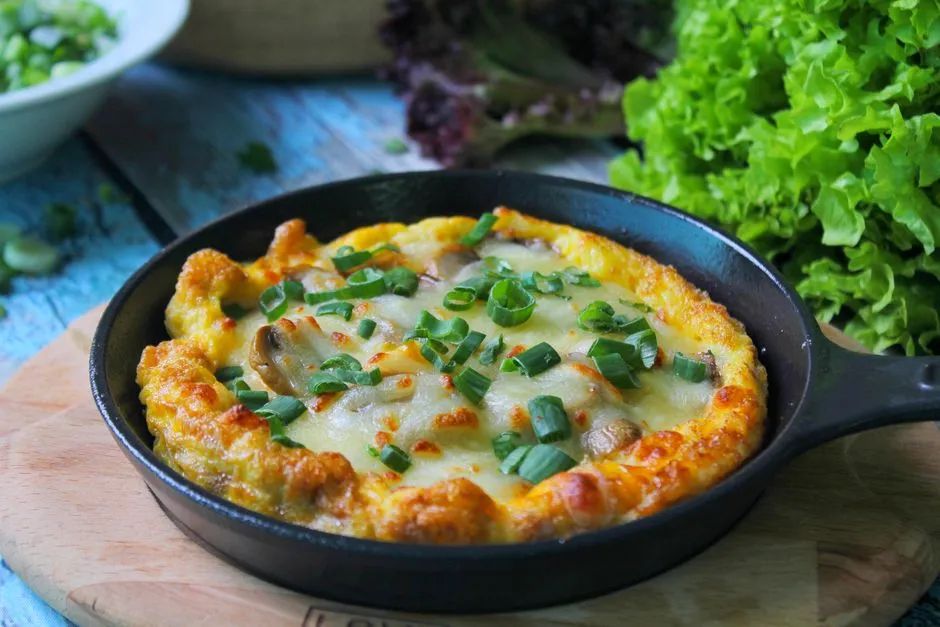
In the morning, the cooking station becomes an omelet station where you can have your eggs prepared exactly as you want them, with a selection of vegetables and meats you can include. It sounds simple, but the execution difference is meaningful.
The omelet station is recommended over the buffet’s scrambled eggs because on many cruise lines, scrambled eggs are made with powdered eggs. Fortunately, the made-to-order omelet station is a widely available alternative on most ships. You can place your order and are given a pager to be notified when it’s ready, with a wait of about five to ten minutes on most mornings.
The Pasta Station That Regulars Treat as a Full Meal
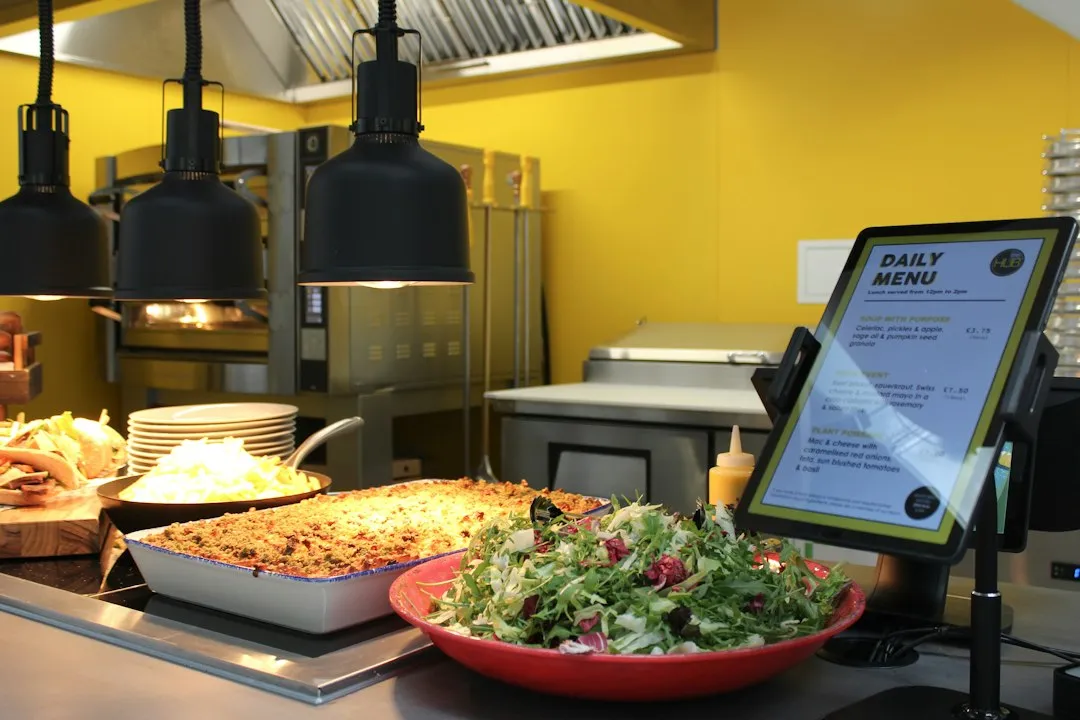
A cook preparing pasta fresh with a choice of sauce tends to draw a steady line specifically because it avoids the common buffet problem of overcooked noodles sitting in a warming tray. Regulars often build an entire meal around this single station rather than sampling elsewhere.
Pasta stations are consistently popular, whether you’re in the mood for a creamy alfredo sauce or traditional marinara. Princess Cruises, for instance, has drawn particular attention for its made-to-order ramen station. These are the kinds of details that rarely make it into a brochure but end up defining how passengers remember the food on a particular sailing.
The Carving Station: Timing Is Everything
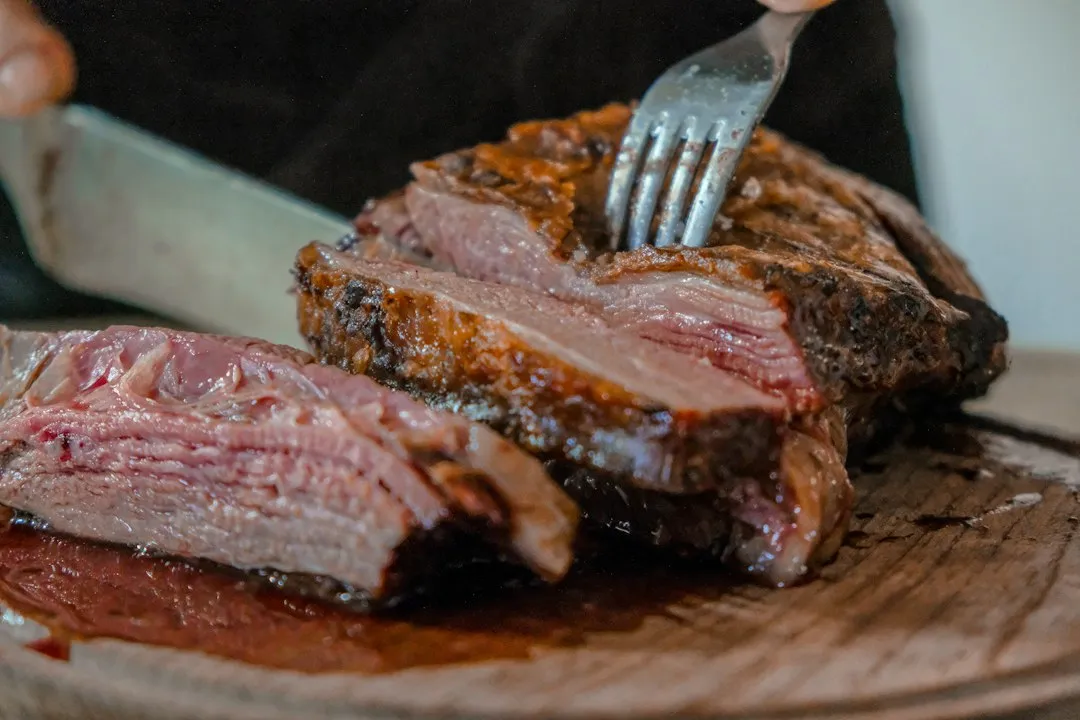
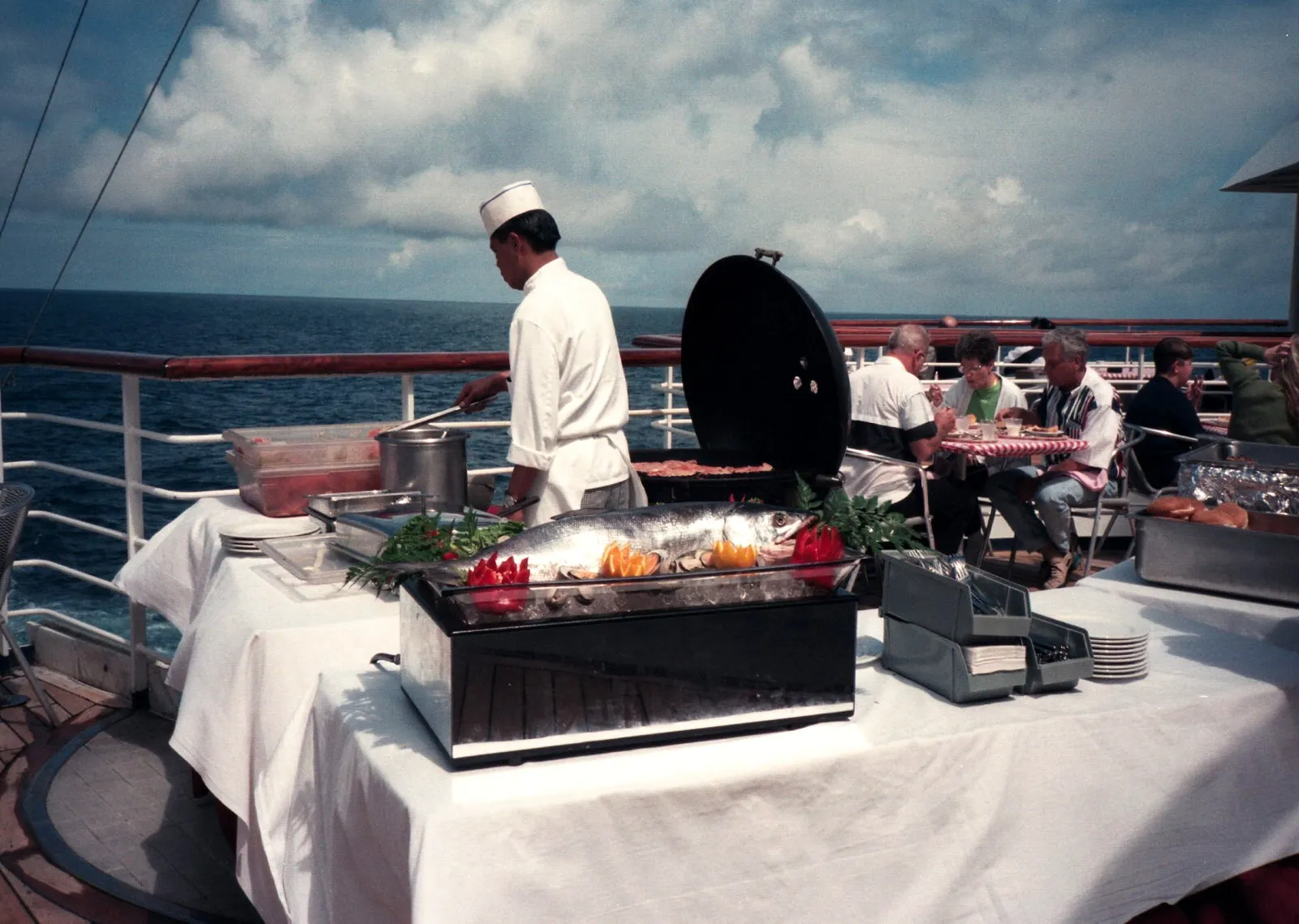
Carving stations, staffed by a chef slicing meat to order, consistently produce a better result than pre-sliced portions sitting under heat lamps elsewhere on the buffet line. Seasoned cruisers often time their visit to coincide with a fresh batch coming out rather than taking from a tray that has been sitting.
Roast beef, turkey, or ham carved to order typically appears at lunch and dinner and holds up better than pre-sliced meat left in a chafing dish. Seasoned cruisers treat the carving station as a reliable anchor for a plate, even on days when the rest of the buffet feels repetitive.
The Stir-Fry Station: Wok Cooking in Plain Sight
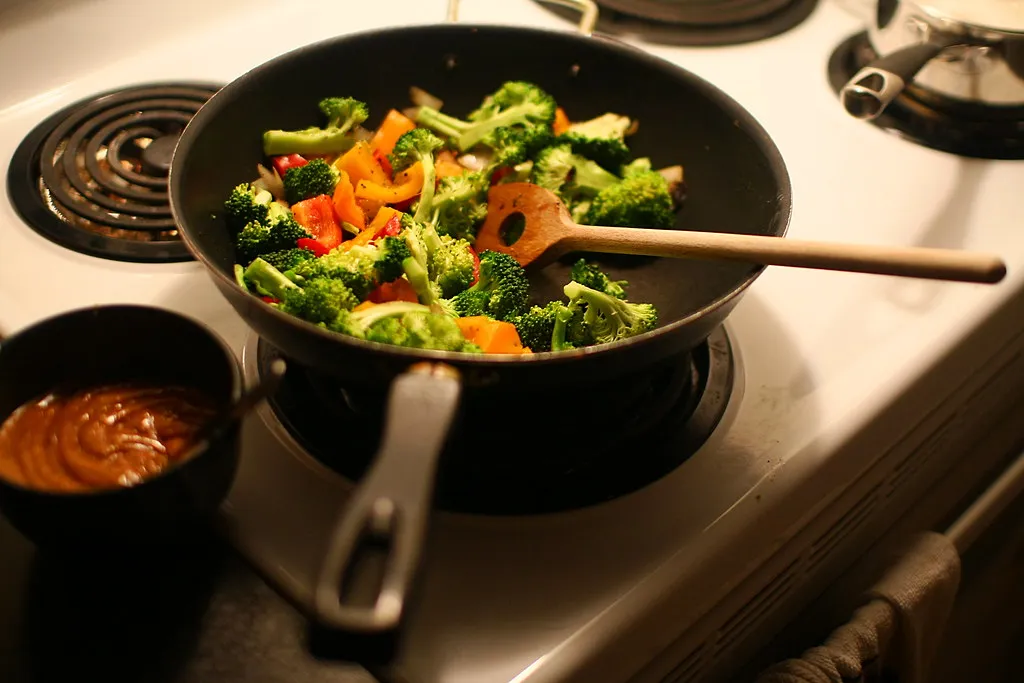
Stir-fry stations, where ingredients are cooked fresh in a wok to order, tend to be one of the more consistently well-executed hot food options on a buffet, since the cooking happens in front of the passenger rather than in a large batch earlier in the day. Seasoned cruisers treat this as a reliable lunch option specifically because of the fresh preparation.
Across different ships, cooking stations have included Asian stir-fry, pasta, fried rice, and soup – with Asian stir-fry and pasta standing out as consistent favorites among experienced cruisers. The visual element matters too. Watching a cook work a wok is genuinely more appetizing than lifting a lid on a steam tray.
How the Buffet Layout Is Designed to Work Against You
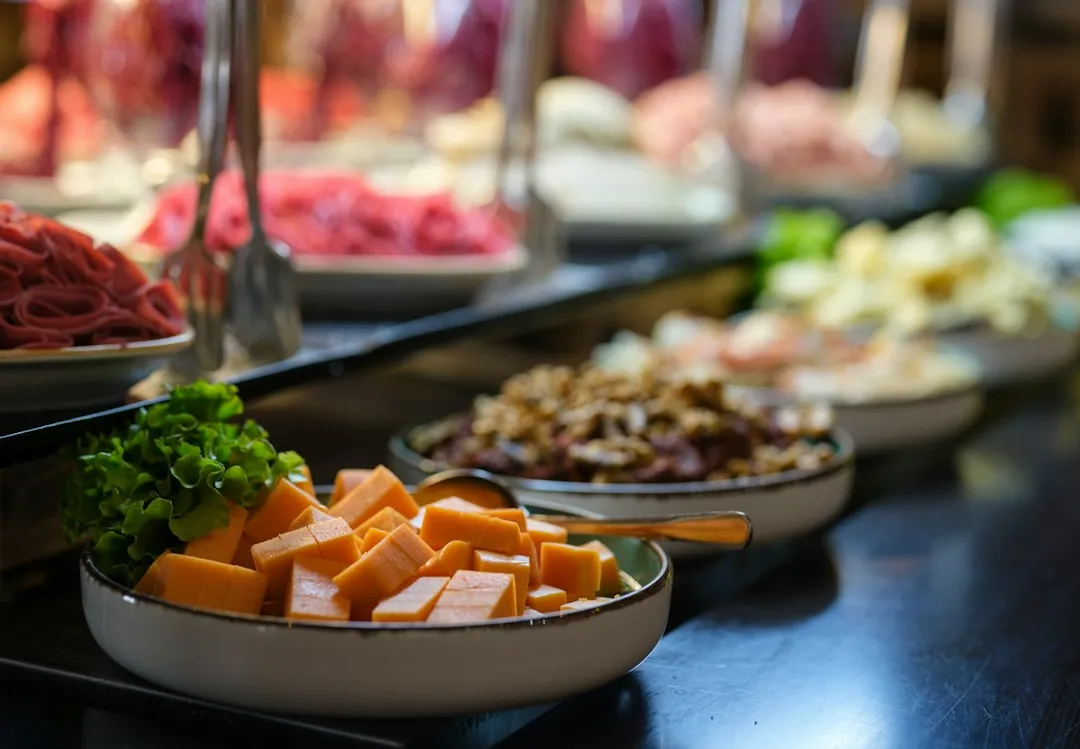
Cruise buffets are not arranged randomly. Most are designed with multiple stations spread across the dining area to reduce congestion and distribute passengers more evenly, but the station closest to the entrance is rarely the only option and often not the strongest one.
Many stations are duplicated on both sides of the buffet floor, meaning the identical offering on the less-trafficked side frequently has no queue at all while the entrance-side version has a long one. That’s worth a quick scan before you commit to a line. Thirty seconds of reconnaissance can save ten minutes of waiting.
Food Halls Are Changing the Whole Model
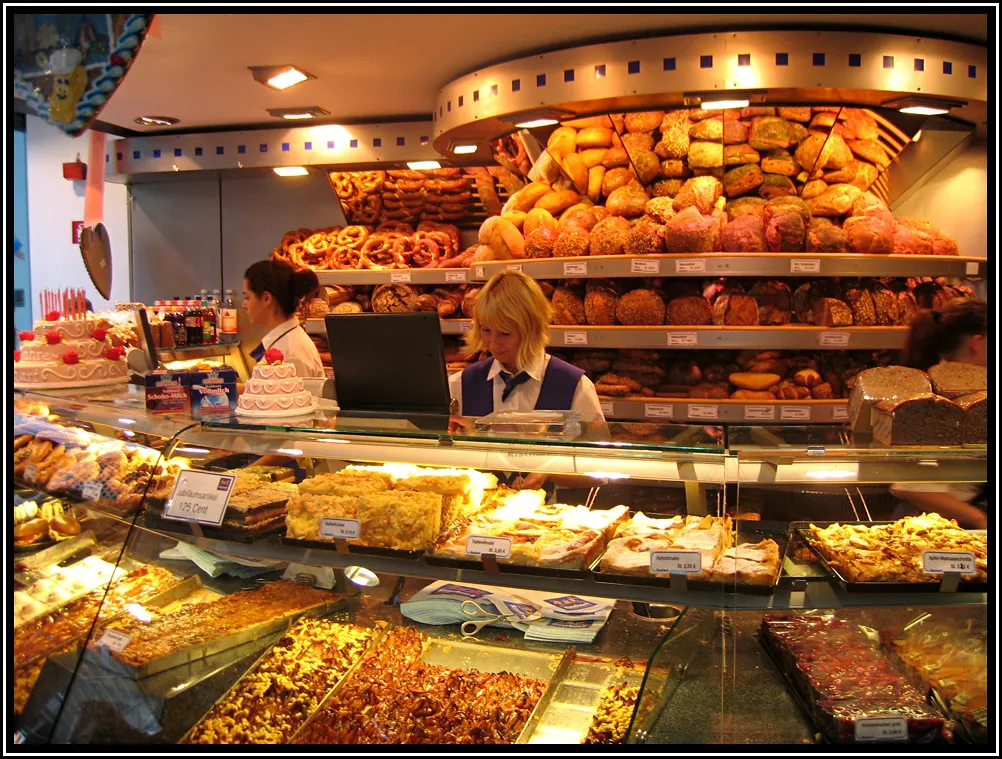
Food halls are increasingly replacing some traditional buffets, emphasizing made-to-order stations, broader cuisine choices, and less self-service across newer ships. This shift represents a meaningful upgrade for passengers who pay attention to it.
Celebrity Cruises’ Oceanview Cafe, for example, is treated more like a food hall, with various food stations offering both pre-made options and made-to-order foods. Viking’s World Cafe similarly offers made-to-order sushi, a cold seafood bar, customizable dan dan noodles, and carving stations. The gap in quality between these concepts and a conventional steam-tray buffet is hard to overstate.
The Food Waste Reality Behind Every Buffet Table
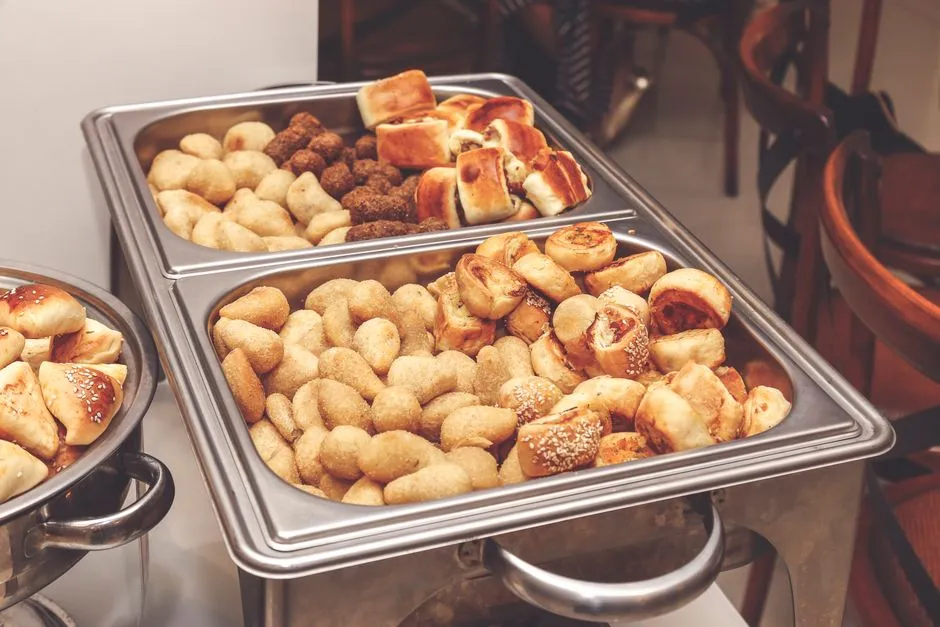
Up to roughly thirty percent of all food prepared on cruise ships ends up as waste, much of it from buffets where food must be tossed after a limited serving window. That context gives the made-to-order station a different kind of value: food cooked on demand wastes less and tastes better.
Carnival Corporation has surpassed its 2025 food waste target a year early, cutting waste by nearly half under its “Less Left Over” strategy. The company revealed it exceeded its goal, achieving an impressive forty-four percent reduction in 2024 compared to 2019 levels. Royal Caribbean Group also created a “Win on Waste” initiative, reporting a reduction in food waste of roughly one third as of early 2024.
What the Cooks Actually Want You to Know
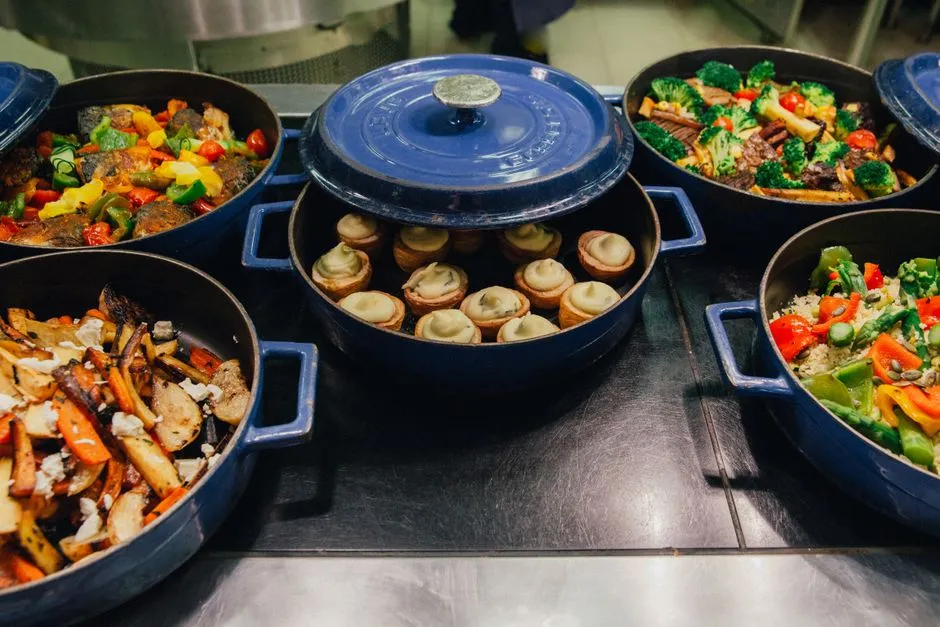
There are one or two cooking stations on every Royal Caribbean ship within the Windjammer, and the stations offer a specialty that a chef will make on the spot, exactly the way the passenger wants it. The cooks staffing these stations are not prep workers. They’re skilled at their station, and the relatively low traffic makes them genuinely glad to customize an order.
Many cruise buffets have hidden stations tucked away in corners that serve specialty items like freshly made pasta, stir-fry, or carving stations with prime rib or other premium meats. Passengers shouldn’t be shy about asking for assistance in selecting food items at the buffet – the same questions you would ask a server in a restaurant are entirely appropriate at the buffet counter. The cooks are there to cook, not just to watch steam trays go cold.
The Simple Habit That Changes Every Cruise Meal
AI Disclaimer: This article was created with the assistance of AI tools and reviewed by a human editor.