

There’s a moment on every cruise, usually late afternoon, when passengers shuffle back aboard with shopping bags and sunburned shoulders, glancing at the clock just long enough to feel mildly rushed. The ship is leaving. That part everyone knows. What most passengers never think twice about is why it’s leaving at that exact time on that exact day.
The departure time printed on your cruise itinerary isn’t random, and it isn’t simply whatever the marketing team decided sounded convenient. It’s the result of a layered system involving tides, port authority contracts, harbor pilots, fuel logistics, and navigational planning that begins sometimes years before the ship ever enters port. Here’s what actually drives that clock.
The Schedule Is Often Set Two Years in Advance
Most passengers assume cruise schedules are built around passenger convenience, but the reality is far more operational. Cruise ships have schedules to keep, and those schedules are planned often two years in advance, with departure times based on how long it will take to get to the next destination. If a ship leaves one port late, chances are it will arrive late at the next one too.
That precision cascades through the entire voyage. Every port call, every arrival window, every contracted berth slot is connected. A single delayed departure from, say, Nassau can unravel the logistics at three subsequent ports.
Port Berth Slots Come With Hard Deadlines
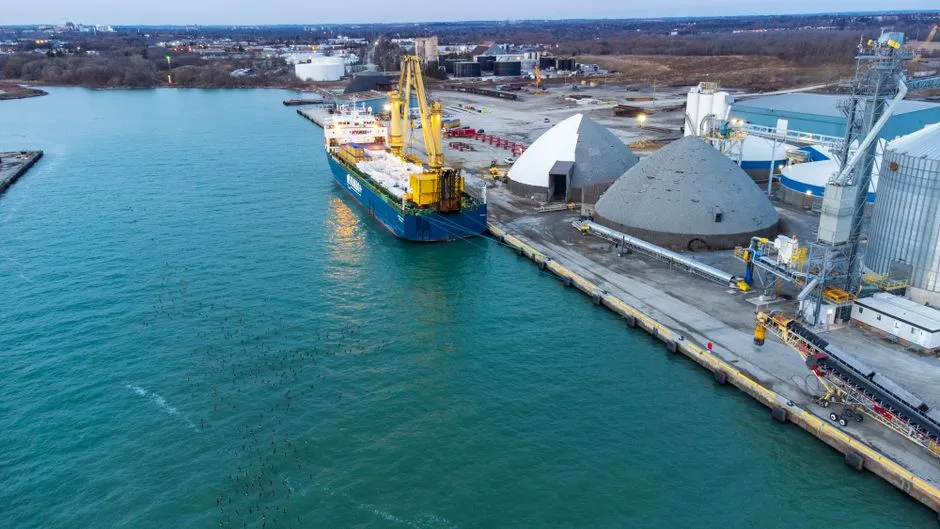
Cruise port timetables work by listing the scheduled arrival and departure times of every cruise ship expected to dock at a specific port, and the schedules are managed directly by port authorities. Each entry includes the ship’s name, cruise line, docking time, terminal assignment, and estimated duration of stay. These details enable port operators to allocate space efficiently, prepare customs and immigration services, and ensure safe docking procedures.
On top of schedule integrity, there are all the extra costs involved if ships overstay their time in port. That includes the pilots who guide vessels in and out of ports, the dockers responsible for tying and untying the ropes, and the tour guides and coaches that have been booked to start excursions at a specific time. If there is a delay, it all costs money.
Harbor Pilots Control the Final Moments of Departure
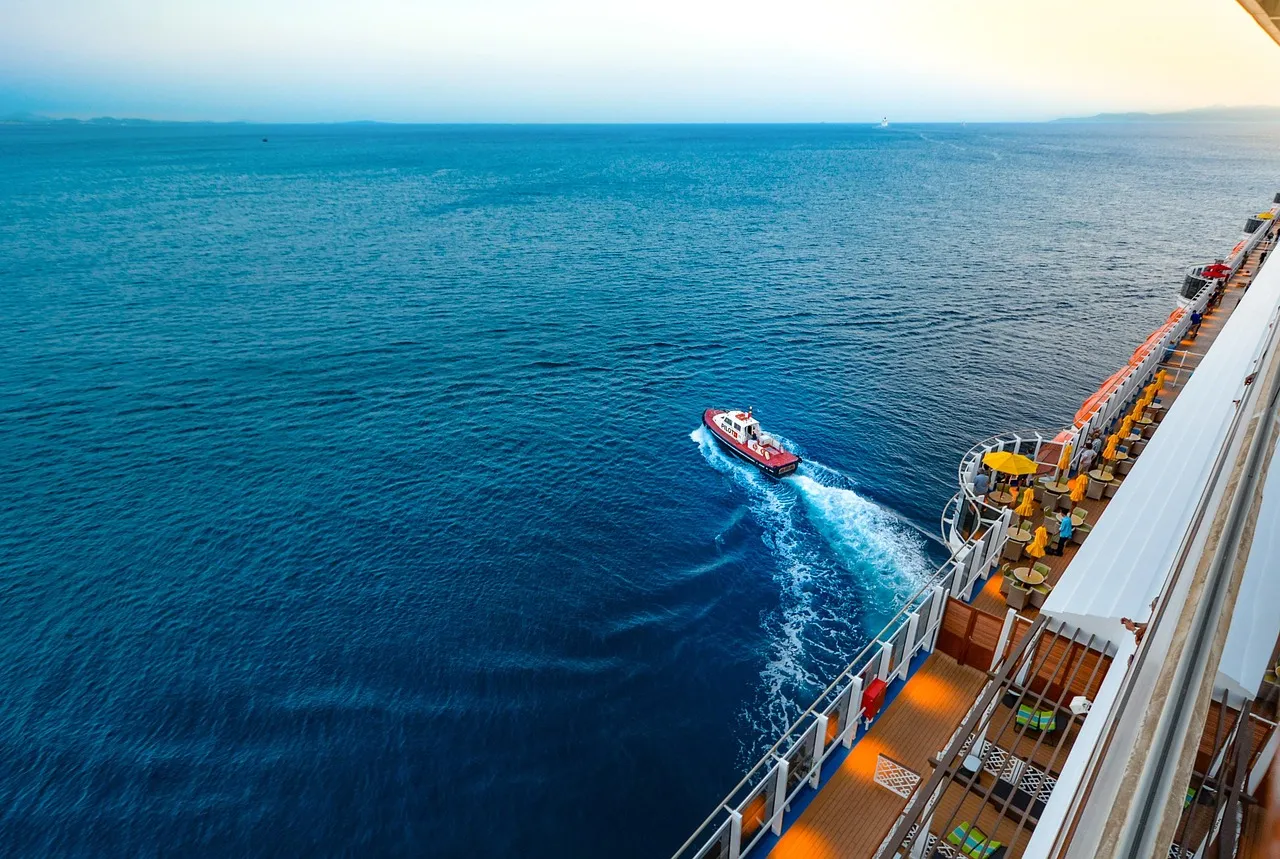
Every time a cruise ship docks, it is boarded by a local harbour pilot to help direct it to the right place, even if the cruise ship’s captain is super-experienced and has sailed to this port thousands of times. That pilot needs paying, and the fee depends on the size of the ship and other factors, but it usually costs several thousand dollars.
Even if the captain has been into a particular port time and time again, or if the ship is outbound or moving from one dock to another in the same harbour, a harbour pilot is still required. A ship can be fined $5,000 if it operates without a harbour pilot onboard. That requirement alone means departure times must align with pilot availability, not passenger preference.
The “All-Aboard” Time and the Departure Time Are Not the Same Thing
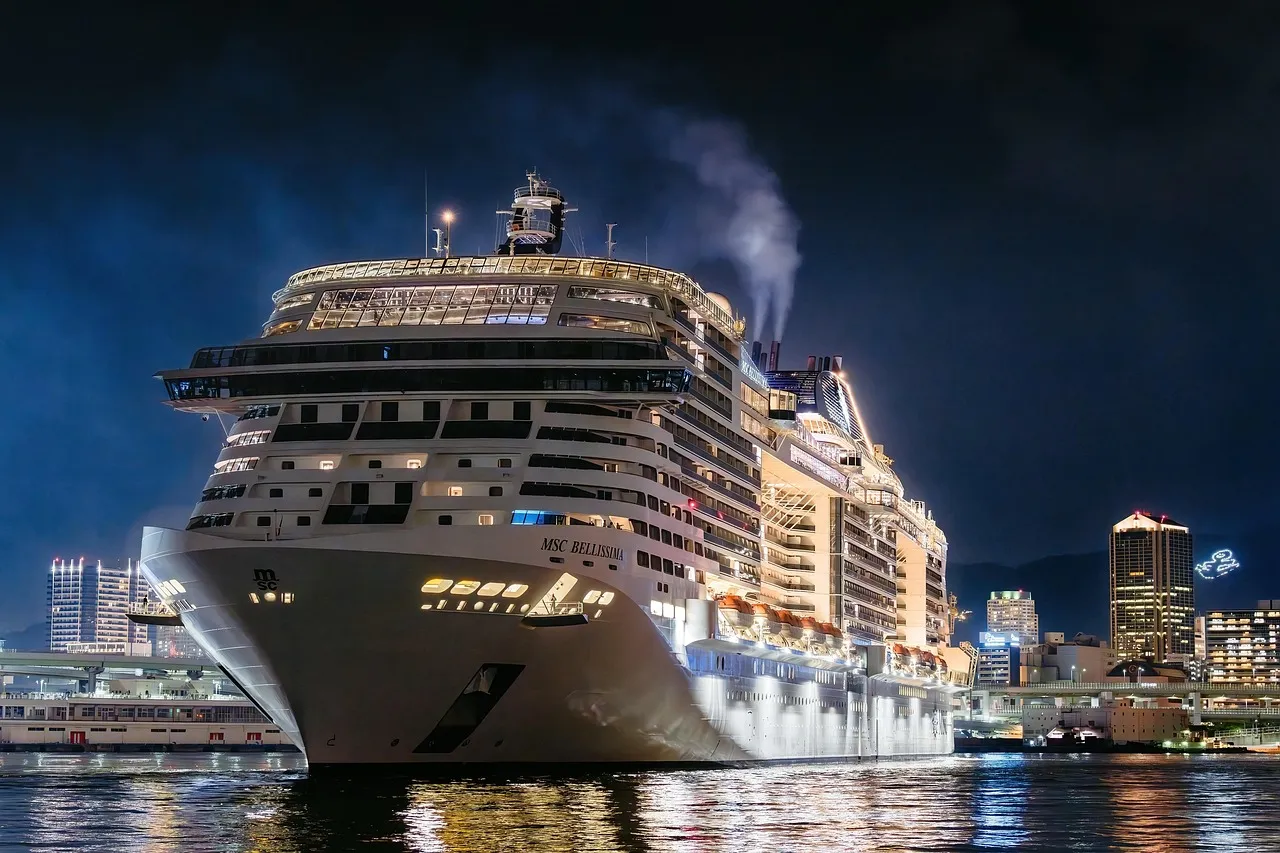
One reason some cruise passengers miss the ship is because they mistake the departure time listed on the cruise itinerary for the all-aboard time. All-aboard time is usually 30 minutes to one hour before the ship’s posted departure time. Before passengers get off the ship at a port of call, cruise lines will advise them of the all-aboard time in their daily onboard newsletter, app, and through announcements and posted signs.
A ship holds roughly 2,000 people, each of whom has to be accounted for prior to departure, which is why the “return to ship” time at various ports is often an hour or two earlier than the actual departure time. That gives the crew and captain time to ready for departure. It’s a gap most passengers only discover after they’ve cut it too close.
Ship Time Operates on Its Own Clock
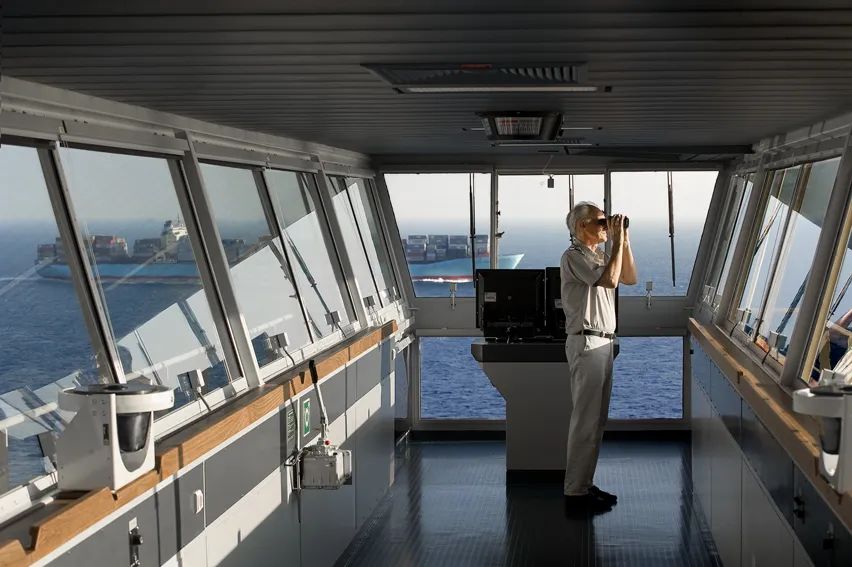
What’s often behind “pier running” clips is a “tripwire” that’s easily triggered: forgetting about “ship time.” This single time zone operates for the duration of the voyage and governs all-aboard times, excursion return times, dining reservations, and show schedules. Some passengers forget that their phones automatically switch the displayed time to the local port time, which can be different.
Ship time sometimes remains on the time zone of the ship’s departure port even if it visits a port in a different time zone. Your smartphone may automatically change to local time while in port, so you may not even realize you’ve gotten out of sync with ship time. That invisible shift has caught out even experienced travelers.
The Captain Has the Final Say, But Not Unlimited Flexibility
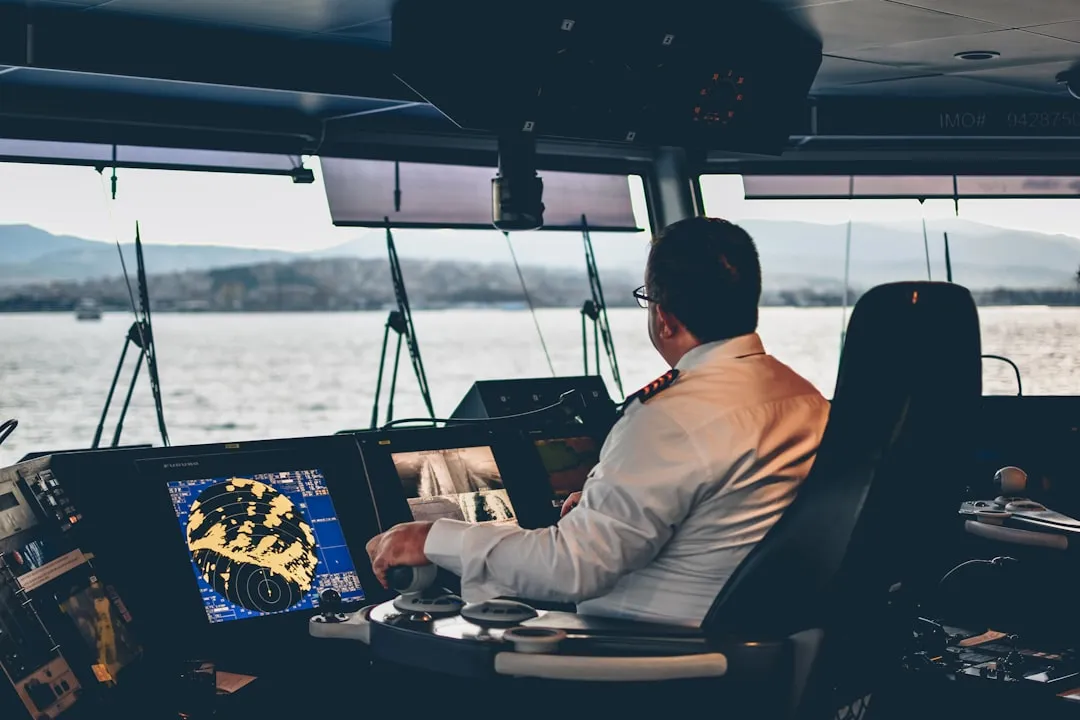
The ship is under the captain’s control, and yes, ships have departure times. The most basic reason is so passengers know when to arrive. The ship may also have a scheduled refueling time, and the tides and weather play a role too.
In practice, a captain’s decisions about departure timing are shaped far more by external constraints than personal discretion. Tide windows, contracted pilot slots, berth fees, and weather routing all narrow the options before the captain ever issues a final order. The authority is real, but the wiggle room is far smaller than most passengers imagine.
Cruise Lines Will Wait for Their Own Excursions, Not Independent Ones
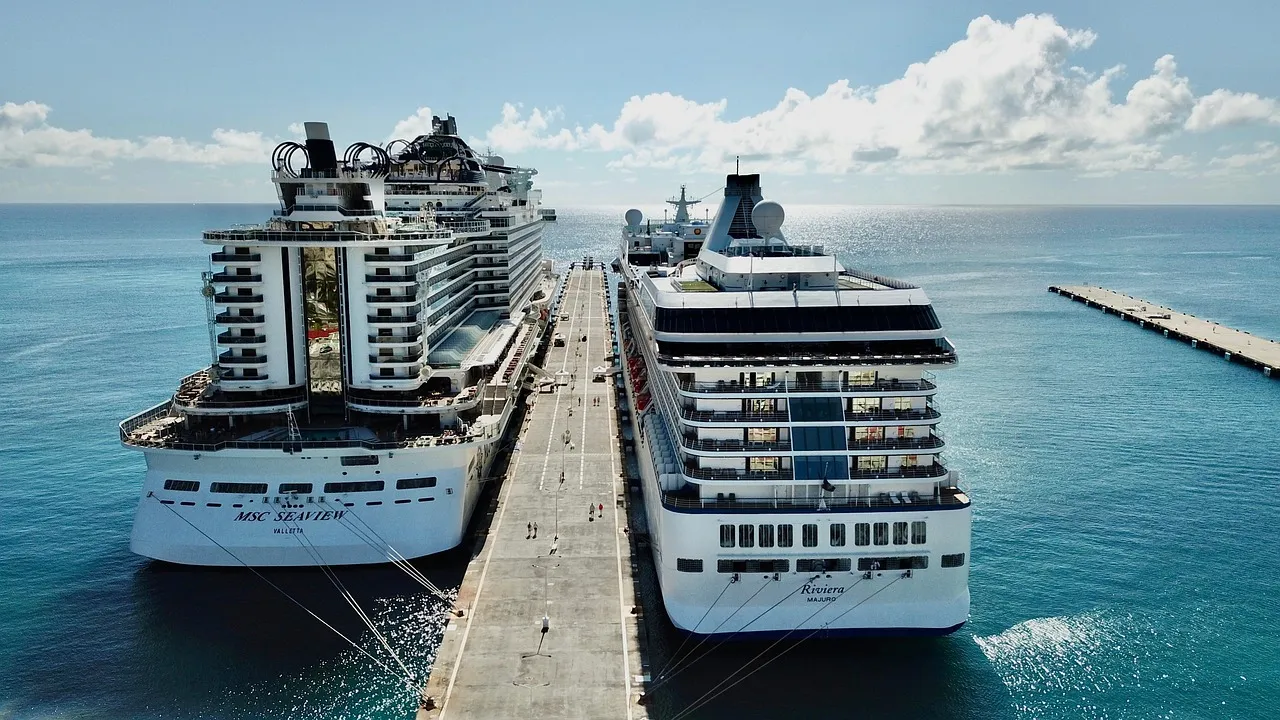
Very few pier runners are passengers who booked excursions through the cruise line. This is because the cruise line is liable for having all passengers who booked their excursions back to port on time. A crew member from the ship often accompanies passengers on ship-sponsored excursions and stays in regular communication with the ship. If an excursion is running late, the crew member will communicate with the ship and the captain will wait.
Cruise ships can leave passengers behind if they’re late, especially those not on a ship-sponsored excursion. This mostly affects travelers who explore ports on their own without keeping track of time. Ships don’t wait because delays cost thousands and disrupt tightly scheduled port times and logistics.
Port Fees Stack Up the Longer a Ship Stays
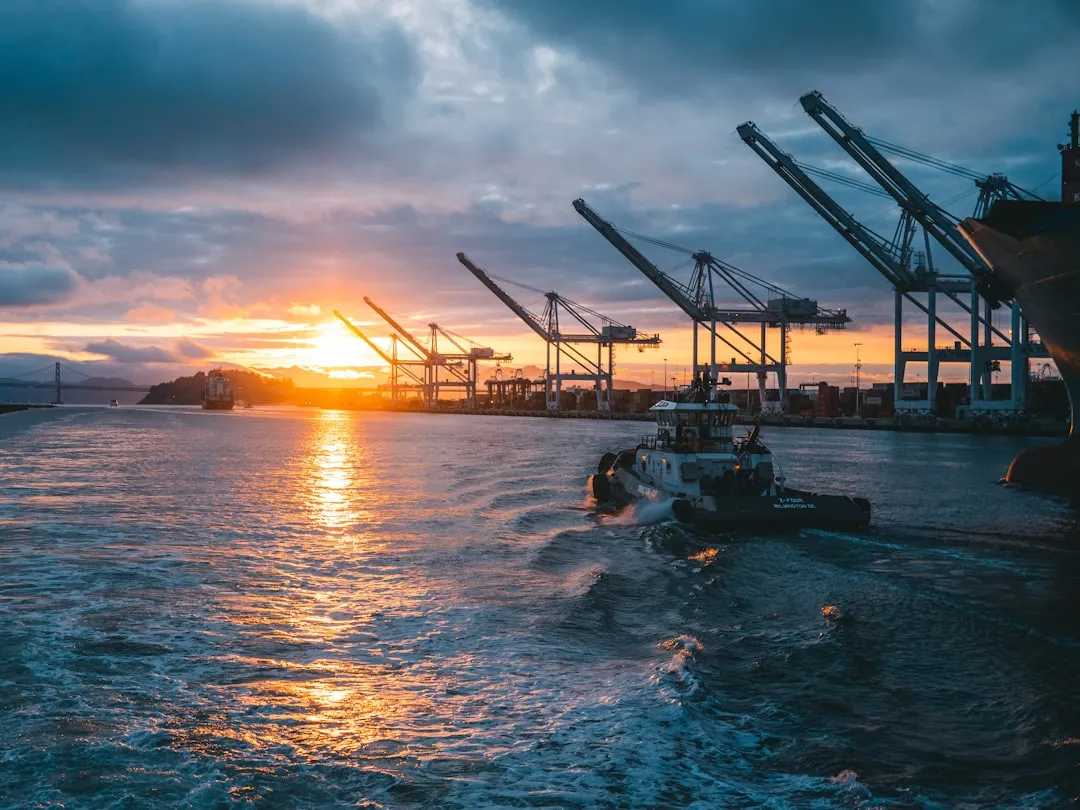
Cruise taxes, fees, and port expenses can include US customs fees, head taxes, Panama Canal tolls, dockage fees, wharfage fees, inspection fees, pilotage, immigration and naturalization fees, environmental fees, as well as fees associated with navigation, berthing, stevedoring, baggage handling, and security services.
After the harbour pilot fees are dealt with, the cruise company then has to pay for the space taken up on the dock, the line handlers, and the use of any facilities at the pier. Workers at the pier are most probably part of a union, so the hourly rate is on the higher side. Every extra hour in port translates directly into real operational cost for the cruise line.
Missing the Ship Means Paying Your Own Way to the Next Port
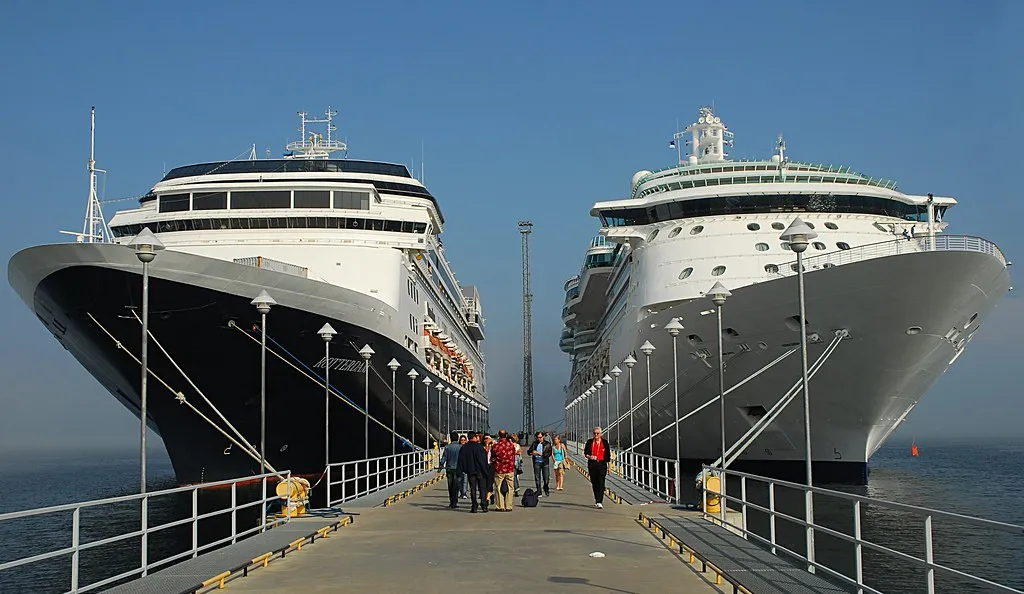
If passengers miss their ships, the answer is pretty straightforward across all lines and sailings: they have to pay their own way to the next port. That can mean last-minute flights, hotel stays, and transfer costs that quickly run into thousands of dollars.
Too many passengers get it wrong simply because they don’t believe the ship will leave without them. It will. Much like airplanes are allowed to depart without everyone on board, cruise ships are allowed to leave passengers behind if they’re not at the port in time. The contract is clear on this, even if passengers rarely read it.
Port Schedules Are a Living Document, Not a Fixed Promise
Cruise ship itineraries and port schedules are regularly updated, and the arrival of cruise ships in port can be affected and modified due to weather conditions, port restrictions, and ship-related factors. A departure time that appears firm in the booking confirmation can shift for reasons entirely outside the cruise line’s control.
Cruise lines have rights to do about anything they want, including changing times and ports. That clause is buried in most cruise contracts, and the vast majority of passengers never encounter it. When they do, it’s usually because the weather has other plans or a port authority has reassigned berth slots due to congestion.
The Real Takeaway
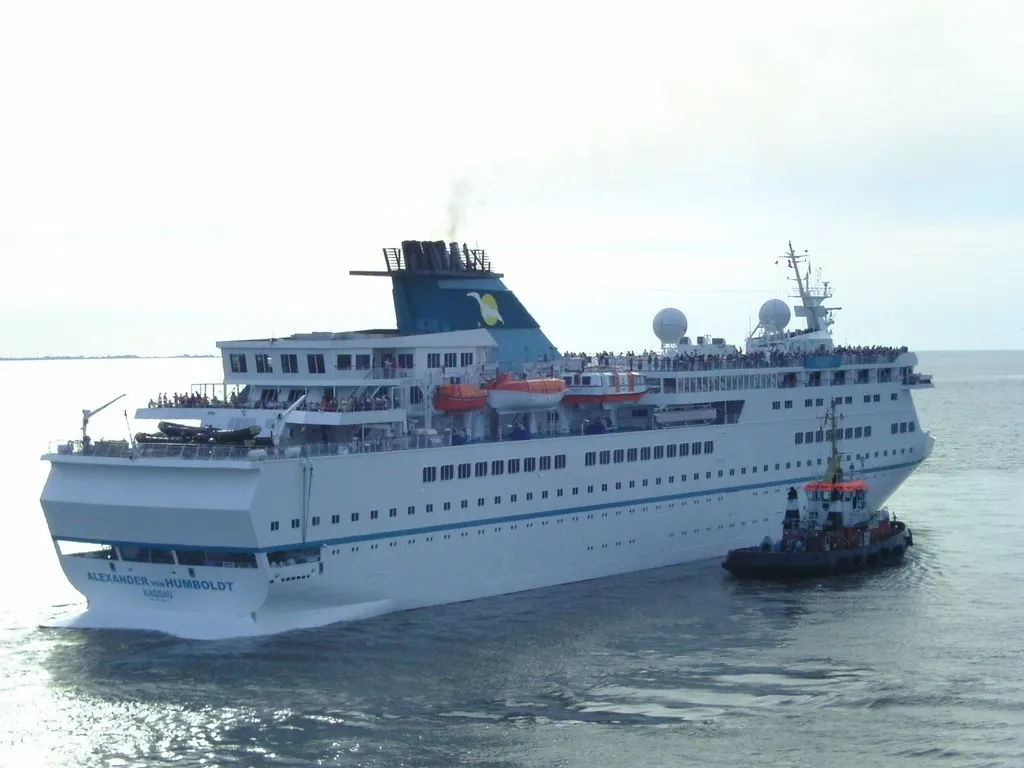
The departure time you see on your cruise schedule is the visible tip of a very large operational iceberg. Tides, pilot contracts, port fees, berth availability, and multi-year itinerary planning all converge on that single number. Understanding the machinery behind it doesn’t make cruising less enjoyable. If anything, it makes the smooth execution of each departure feel genuinely impressive.
The one practical habit worth keeping? Set your phone manually to ship time the moment you step ashore, and build in more time than you think you need. The ship will not hold sentiment over schedule.
AI Disclaimer: This article was created with the assistance of AI tools and reviewed by a human editor.